
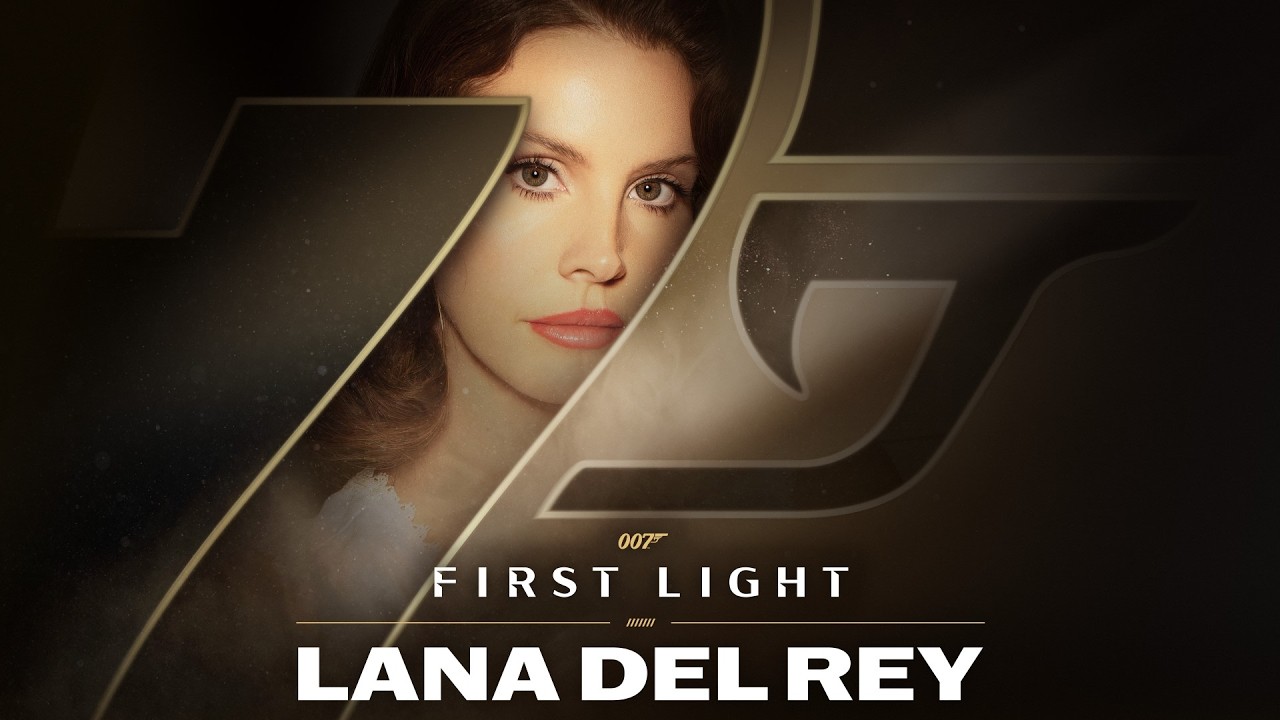
Music and Gaming Converge to Expand Cinematic Franchises Beyond Film
The announcement that Lana Del Rey will perform the theme for 007 First Light signals a growing trend where iconic film music traditions are expanding into gaming. Historically associated with blockbuster films, the James Bond franchise is now extending its signature musical identity into interactive media. With composer David Arnold—a veteran of multiple Bond films—leading the track, the project maintains continuity with the cinematic legacy while adapting to a new format. This reflects a broader shift where gaming experiences are designed to feel as immersive and culturally significant as films. Ultimately, music becomes a key bridge connecting storytelling across platforms.
Trend Description: From Film-Only Soundtracks to Cross-Platform Musical Identity
The inclusion of a major artist like Lana Del Rey in 007 First Light demonstrates how gaming is adopting the same cultural cues that define blockbuster cinema. Bond themes have historically been prestige cultural moments, featuring artists like Sam Smith, and now this legacy is being extended into gaming. The orchestral build, cinematic tone, and emotional depth of the track reinforce the idea that games are no longer secondary storytelling formats. Instead, they are becoming primary entertainment experiences with equal cultural weight. As a result, music plays a strategic role in elevating games into cinematic-level events.
Key Performance Drivers: Franchise Legacy, Star Power, and Cross-Media Integration Driving Engagement
• Strong global recognition of the James Bond franchise
• Involvement of high-profile artist Lana Del Rey
• Continuity through composer David Arnold
• Expansion of cinematic storytelling into gaming
• Demand for immersive, film-like game experiences
• Cross-media branding and audience reach
• Nostalgia tied to Bond theme music
• Integration of music into narrative identity
• Growing overlap between film and gaming audiences
• High production value in modern video games
These drivers collectively show that music is becoming a critical component in unifying storytelling across film and gaming.
Insight: Music Is Becoming a Cross-Media Storytelling Anchor
This trend shows that iconic musical elements are being used to maintain continuity across different formats. It matters because it strengthens franchise identity and audience connection. The value lies in creating a cohesive emotional experience across media. Looking ahead, more franchises will use music strategically to bridge film, gaming, and other entertainment platforms.
Why The Trend Is Emerging: Franchise Convergence and Cinematic Gaming Elevate Music’s Role
The integration of artists like Lana Del Rey into projects such as 007 First Light is driven by the convergence of film and gaming into unified entertainment ecosystems. As video games become more cinematic in storytelling, visuals, and emotional depth, they require equally powerful musical identities to match. The involvement of experienced composers like David Arnold ensures continuity with the legacy of James Bond while adapting it for a new medium. This allows franchises to maintain their signature tone across formats. As a result, music becomes a critical tool for preserving brand identity during expansion.
At the same time, audiences now expect games to deliver experiences comparable to blockbuster films, including high-quality soundtracks and recognizable talent. The inclusion of major artists elevates a game’s cultural status, making it more than just a product—it becomes an event. Additionally, music plays a key role in marketing, helping to generate anticipation and emotional connection before release. This aligns with broader industry trends where cross-media storytelling requires consistency across all creative elements. Together, these forces are driving a future where music is central to franchise expansion.
Key Drivers: Cinematic Gaming, Franchise Identity, and Star Power
• Rise of cinematic storytelling in video games
• Expansion of film franchises into gaming
• Need for consistent brand identity across media
• Involvement of high-profile artists
• Audience expectations for high production value
• Music as a marketing and engagement tool
• Growth of cross-platform entertainment ecosystems
• Nostalgia and legacy of Bond theme songs
• Integration of narrative and sound design
• Increasing overlap between film and gaming audiences
These drivers collectively show that music is becoming an essential component in delivering cohesive, cross-media entertainment experiences.
Virality of Trend: Star-led soundtracks combined with iconic franchises generate strong cross-platform buzz and audience anticipation
These collaborations gain traction because they merge recognizable talent with beloved franchises, creating immediate cultural relevance.
Where It Is Seen: Gaming, Film Franchises, and Music Collaborations
• James Bond franchise adaptations
• Cinematic video game experiences
• Cross-media entertainment projects
Insight: Music Is Central to Cross-Media Franchise Expansion
This trend shows that soundtracks are no longer secondary elements—they are core to storytelling and branding. It matters because it enhances emotional connection and recognition. The value lies in creating a unified experience across platforms. Looking ahead, music will play an increasingly strategic role in expanding entertainment franchises.
Description Of The Consumers: Cross-Media Entertainment Fans Seeking Cinematic and Musical Immersion
The audience drawn to 007 First Light and its soundtrack by Lana Del Rey consists of cross-media consumers who engage with film, gaming, and music as interconnected experiences. These consumers are not limited to a single format—they move seamlessly between watching films, playing games, and streaming music. Their familiarity with the James Bond legacy enhances their appreciation for continuity in tone, sound, and storytelling. At the same time, they expect modern adaptations to feel fresh and culturally relevant. As a result, engagement is driven by both nostalgia and innovation.
Primary Audience: Gen Z and Millennials Driving Cross-Platform Engagement
This segment includes Gen Z and Millennials aged 16–40 who actively consume entertainment across multiple platforms. They are highly responsive to collaborations between major artists and established franchises, seeing them as cultural moments worth engaging with. Their interest is driven by the combination of cinematic storytelling and musical identity, which enhances the overall experience. They are also likely to discover and share content through streaming and social platforms. For them, entertainment is a connected ecosystem rather than separate mediums.
Secondary Audience: Bond Fans and Music Enthusiasts Seeking Legacy and Prestige
The secondary audience includes long-time fans of the James Bond franchise and listeners of artists like Lana Del Rey. This group spans older Millennials and Gen X viewers who value the legacy and prestige associated with Bond theme songs. Their engagement is driven by curiosity about how the iconic musical style translates into a gaming context. They also appreciate the involvement of composer David Arnold, which reinforces continuity with the franchise’s cinematic roots. For them, the appeal lies in tradition and quality.
Audience Profile: Multi-Platform Consumers Focused on Experience and Identity
• Income: Mid-income entertainment spenders
• Education: High school to college
• Lifestyle: Digital-first, content-driven
• Behavior: Cross-platform consumption (games + music + film)
• Viewing Habits: Gaming, streaming, and music platforms
• Decision Drivers: Brand recognition, artist involvement, immersion
• Media Consumption: Games, films, music, social content
• Values: Experience, authenticity, cultural relevance
• Buying Behavior: Franchise and artist-driven engagement
• Expectation Shift: From separate media → unified experiences
This profile reflects an audience that values seamless integration between different forms of entertainment.
Insight: Consumers Expect Unified Entertainment Experiences Across Media
This audience shows that modern consumers no longer see boundaries between gaming, film, and music. It matters because it raises expectations for consistency and quality across formats. The value lies in delivering cohesive, immersive experiences. Looking ahead, cross-media integration will become a key driver of audience engagement.
Main Audience Motivation: Immersion, Cultural Prestige, and Cross-Media Connection Drive Engagement
The primary motivation behind the excitement for 007 First Light and its theme by Lana Del Rey is the desire for a fully immersive, cinematic experience that extends beyond gameplay. Audiences are drawn to the emotional depth and атмосферic quality that music brings, especially when tied to a prestigious franchise like James Bond. The involvement of composer David Arnold reinforces expectations of authenticity and continuity with the Bond legacy. This creates a sense of cultural prestige, where engaging with the game feels like participating in a larger entertainment tradition. As a result, motivation is driven by both immersion and legacy.
At the same time, audiences are motivated by the connection between different forms of media. The integration of music, storytelling, and gameplay allows consumers to experience the franchise in a more holistic way. Fans of Lana Del Rey are also drawn to the project, expanding the audience beyond traditional gamers. Additionally, the anticipation around high-profile collaborations creates excitement and social engagement. Ultimately, motivation is a blend of emotional immersion, cultural relevance, and cross-media connectivity.
Key Motivations: Immersion, Prestige, and Connection
• Desire for cinematic, immersive gaming experiences
• Emotional engagement through music and storytelling
• Interest in iconic franchises like James Bond
• Attraction to high-profile artists
• Need for cross-media entertainment experiences
• Curiosity about new interpretations of legacy content
• Social engagement and cultural participation
• Appreciation for high production value
• Connection between music and narrative
• Desire for memorable, multi-sensory experiences
These motivations collectively show that audiences are seeking entertainment that feels cohesive, immersive, and culturally significant.
Insight: Motivation Is Driven by the Need for Immersive, Cross-Media Experiences
This shift shows that audiences want entertainment that engages multiple senses and platforms simultaneously. It matters because it raises expectations for how franchises are developed. The value lies in creating unified experiences that resonate emotionally and culturally. Looking ahead, cross-media immersion will become a key driver of audience engagement.
Trends 2026: Cross-Media Soundtracks and Cinematic Gaming Redefine Franchise Engagement
In 2026, entertainment is increasingly shaped by the fusion of music, gaming, and cinematic storytelling into unified franchise experiences. The collaboration between Lana Del Rey and 007 First Light highlights how soundtracks are no longer confined to films but are becoming integral to gaming narratives as well. This reflects a broader trend where games adopt cinematic techniques—such as orchestral scores, emotional arcs, and star-driven music—to enhance immersion. As a result, music becomes a strategic layer of storytelling rather than a supplementary element.
At the same time, franchises like James Bond are evolving into cross-media ecosystems where consistency in tone, identity, and experience is essential. The involvement of composer David Arnold ensures continuity with the franchise’s musical heritage, while introducing new artistic interpretations. This blend of legacy and innovation allows franchises to remain relevant across generations and platforms. Additionally, high-profile artist collaborations create cultural moments that extend beyond the game itself, driving engagement across music and entertainment channels. Together, these trends are redefining how audiences connect with franchises through multi-sensory experiences.
Trend Elements: Structural Shifts Driving Cross-Media Music Integration
• Expansion of film-style soundtracks into gaming
• Use of music as a core storytelling element
• Collaboration with high-profile artists
• Emphasis on cinematic gaming experiences
• Continuity of franchise identity across media
• Integration of legacy and modern elements
• Cross-platform audience engagement
• Music-driven marketing strategies
• Growth of multi-sensory entertainment
• Convergence of music, film, and gaming industries
These elements collectively show that entertainment is evolving toward integrated, multi-layered experiences that combine sound, story, and interactivity.
Trend Table: Insight-Led Breakdown of Cross-Media Soundtrack Strategy
|
Description (Insight-Led) |
||
|
Cross-Media Soundtracks Expand Franchises |
Music must be integrated across platforms |
|
|
Artist collaborations drive cultural relevance |
Partnerships increase visibility and engagement |
|
|
Gaming adopts cinematic storytelling tools |
Raises expectations for production quality |
|
|
Use music to unify franchise identity |
Strengthens emotional connection |
|
|
Desire for immersive, multi-sensory experiences |
Content must engage beyond visuals |
|
|
Star-driven content integration |
||
|
Legacy franchise modernization |
Balances nostalgia and innovation |
|
|
Music-led marketing campaigns |
Drives anticipation and hype |
Insight: Music Is Becoming a Core Layer of Franchise Storytelling
This shift shows that soundtracks are evolving into essential narrative tools across media. It matters because it enhances emotional engagement and brand consistency. The value lies in creating cohesive, multi-sensory experiences. Looking ahead, music will play a central role in shaping how audiences experience and connect with entertainment franchises.
Strategic Implications: Franchises Must Integrate Music as a Core Experience Layer
The collaboration between Lana Del Rey and 007 First Light highlights a strategic shift where music is no longer an add-on but a foundational component of franchise development. Entertainment companies must now treat soundtracks as integral to storytelling, branding, and audience engagement. By involving established composers like David Arnold, franchises can maintain continuity while evolving their identity for new platforms. This ensures that audiences experience a consistent emotional tone across film, gaming, and music. As a result, strategy evolves toward multi-sensory storytelling design.
At the same time, integrating high-profile artists creates opportunities for cross-industry reach and audience expansion. Music collaborations can attract fans who may not otherwise engage with the game, broadening the franchise’s appeal. Additionally, soundtracks serve as powerful marketing tools, generating anticipation and extending engagement beyond the core product. However, this approach requires careful alignment to ensure authenticity and avoid feeling purely promotional. Ultimately, the strategic implication is clear: success depends on how well franchises integrate music into the core experience rather than treating it as a secondary element.
Insight: Competitive Advantage Lies in Multi-Sensory Storytelling Integration
This shift shows that franchises must compete on their ability to deliver cohesive experiences across multiple sensory layers. It matters because it enhances emotional connection and brand identity. The value lies in integrating music seamlessly into storytelling. Looking ahead, franchises that treat music as a core strategic asset will lead the next evolution of entertainment.
Final Insights: Music Integration Transforms Franchises Into Multi-Sensory Experiences
The collaboration between Lana Del Rey and 007 First Light reflects a broader transformation where music is becoming a central pillar of cross-media storytelling. No longer confined to film, soundtracks now play a critical role in shaping the identity and emotional depth of gaming experiences. With the involvement of composers like David Arnold, franchises can maintain continuity while evolving for new formats. This shift turns entertainment into a cohesive, multi-sensory experience that engages audiences across platforms. As a result, music becomes a key driver of immersion and brand consistency.
At the same time, this trend highlights the growing importance of cross-industry collaboration in building modern entertainment ecosystems. By combining music, gaming, and cinematic storytelling, franchises can expand their reach and create deeper audience connections. These collaborations also generate cultural moments that extend beyond the core product, driving engagement across social and media channels. However, maintaining authenticity and alignment remains critical to sustaining audience trust. Ultimately, the future of entertainment lies in integrating creative elements into unified, immersive experiences.
Key Takeaways: Music, Immersion, and Integration Define Modern Franchises
• Music evolves from supporting role → core storytelling element
• Gaming adopts cinematic soundtrack strategies
• Cross-media collaborations expand audience reach
• Franchises become multi-sensory experiences
• Artist involvement increases cultural relevance
• Emotional engagement drives audience connection
• Consistency across platforms strengthens identity
• Soundtracks act as marketing and engagement tools
• Collaboration between industries accelerates innovation
• Entertainment ecosystems become interconnected
These takeaways show that music is playing an increasingly central role in shaping how audiences experience and connect with entertainment franchises.
Insights: Music as a Strategic Driver of Cross-Media Engagement
Insights: Cross-media soundtrack integration demonstrates that music is becoming a core component of immersive, multi-platform storytelling. Industry Insight: The entertainment industry is evolving toward collaborative models that combine music, gaming, and film into unified experiences. Consumer Insight: Audiences seek emotionally engaging, multi-sensory content that connects across platforms. Social Insight: High-profile artist collaborations create cultural moments that amplify visibility and engagement. Cultural/Brand Insight: Franchises must maintain consistency and authenticity while expanding across media formats. Conclusion: Together, these insights show that the future of entertainment lies in seamlessly integrating music into cross-media ecosystems to enhance immersion and cultural impact.
Final Insight: The Future of Franchises Lies in Multi-Sensory, Cross-Media Integration
This trend shows that entertainment is evolving into a unified experience that engages audiences on multiple levels. It matters because it redefines how franchises are built and sustained. The value lies in creating cohesive, immersive ecosystems. Looking ahead, multi-sensory storytelling will define the next generation of global entertainment success.
Innovation Platforms: Music-Tech Integration and Cross-Media Production Systems Power Franchise Expansion
The collaboration behind 007 First Light highlights how innovation platforms are evolving to integrate music, gaming, and cinematic production into unified systems. Advances in digital audio production, real-time rendering, and adaptive sound design allow composers like David Arnold to create scores that respond dynamically to gameplay environments. This moves beyond static soundtracks toward interactive music experiences that adapt to player actions and narrative progression. At the same time, the involvement of artists like Lana Del Rey brings mainstream music production into gaming pipelines. As a result, innovation is driven by the fusion of music technology and interactive media.
At the same time, cross-media production systems are becoming more integrated, enabling simultaneous development of music, narrative, and gameplay. This allows franchises to maintain consistency in tone and identity across platforms. Streaming platforms, music services, and gaming ecosystems further amplify distribution, ensuring that soundtracks reach audiences beyond the game itself. Additionally, advancements in spatial audio and immersive sound technologies enhance the overall experience, making music a more integral part of storytelling. Ultimately, innovation platforms in this space are defined by their ability to merge audio technology, creative collaboration, and cross-platform distribution.
Innovation Drivers: Audio Technology, Integration, and Cross-Platform Systems
• Use of adaptive and interactive sound design
• Integration of music into gameplay systems
• Collaboration with high-profile artists
• Advances in digital audio production
• Cross-media production pipelines
• Distribution across streaming and music platforms
• Growth of immersive audio technologies
• Alignment of narrative and sound design
• Expansion of franchise ecosystems
• Convergence of music and gaming industries
These drivers collectively show that innovation is moving toward systems that integrate sound, story, and interactivity into cohesive experiences.
Insight: Innovation Is Driven by the Integration of Music and Interactive Technology
This shift shows that music is becoming a dynamic, interactive component of storytelling. It matters because it enhances immersion and engagement. The value lies in creating responsive, multi-sensory experiences. Looking ahead, franchises that leverage advanced audio technologies will lead the next phase of entertainment innovation.
Cross-Industry Expansion: Music, Gaming, and Film Converge to Create Unified Entertainment Ecosystems
The collaboration between Lana Del Rey and 007 First Light highlights how entertainment is expanding across industries, with music, gaming, and film becoming increasingly interconnected. Franchises like James Bond are no longer limited to one format—they operate as multi-platform ecosystems where each medium reinforces the other. Music enhances emotional storytelling, gaming delivers interactivity, and film provides cinematic legacy, creating a unified experience. As a result, audiences engage with the franchise across multiple touchpoints rather than a single product. This convergence increases both reach and engagement.
At the same time, this cross-industry expansion opens new opportunities for monetization and audience growth. Soundtracks can perform independently on music platforms, while games drive engagement and films maintain long-term brand recognition. Collaborations with artists and composers create additional entry points for audiences who may not be traditional gamers or film viewers. However, maintaining consistency and authenticity across these platforms is essential to avoid fragmentation. Ultimately, cross-industry success depends on how well franchises integrate their creative elements into a cohesive ecosystem.
Expansion Factors: Multi-Industry Collaboration as a Growth Strategy
• Trend: Integration of music, gaming, and film
• Why: Expands audience reach and engagement
• Impact: Creates unified entertainment ecosystems
• Industries: Music, gaming, film, streaming
• Strategy: Align creative elements across platforms
• Consumers: Cross-platform, experience-driven audiences
• Demographics: Gen Z and Millennials
• Lifestyle: Digital-first, multi-format consumption
• Buying Behavior: Engagement-driven and franchise-led
• Expectation Shift: From single-format → multi-sensory experiences
These factors show that cross-industry collaboration is becoming a key strategy for scaling entertainment franchises and enhancing audience engagement.
Insight: Entertainment Is Becoming a Unified, Multi-Industry Ecosystem
This trend shows that the boundaries between industries are dissolving as franchises expand across formats. It matters because it redefines how audiences interact with content. The value lies in creating cohesive, immersive experiences across platforms. Looking ahead, cross-industry integration will be essential for building successful, scalable entertainment ecosystems.
Conclusion: Cross-Media Music Integration Redefines Franchise Engagement and Immersion
The collaboration between Lana Del Rey and 007 First Light underscores a major shift where music, gaming, and film are converging into unified entertainment ecosystems. By extending the iconic James Bond musical legacy—guided by David Arnold—into gaming, franchises are creating cohesive experiences that resonate across platforms. This approach enhances emotional engagement while expanding audience reach beyond traditional boundaries. As a result, entertainment is no longer siloed but interconnected, with each medium reinforcing the other. Franchises are evolving into multi-sensory, cross-platform experiences.
Key Conclusion Points: What This Trend Means for the Future of Entertainment
• Music evolves into a core cross-media storytelling tool
• Gaming adopts cinematic soundtrack strategies
• Franchises expand into multi-platform ecosystems
• Artist collaborations increase cultural relevance
• Multi-sensory experiences drive engagement
• Cross-industry integration becomes essential
The future of entertainment will be defined by franchises that seamlessly integrate music, storytelling, and interactivity, creating immersive ecosystems that engage audiences across multiple platforms and cultural touchpoints.






Leave a Reply