
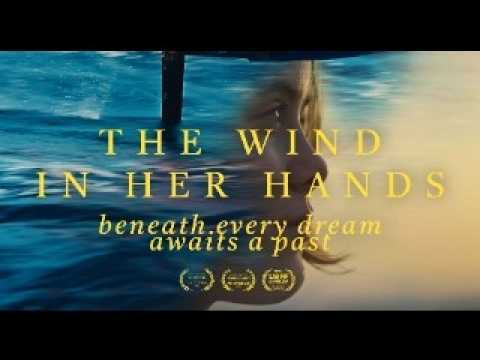
A poetic, feminist sports documentary exploring trauma, ambition, and the search for control
A raw journey of ambition, trauma, and self-liberationChasing Olympic dreams while confronting buried pain
The Wind in Her Hands follows Elena, a 21-year-old athlete pursuing Olympic qualification in IQ Foil Windsurfing despite limited experience and overwhelming odds. As she pushes herself toward elite performance, her past—marked by an eating disorder and sexual abuse—begins to resurface, forcing her to confront what she has long suppressed.
The stakes lie not only in her athletic success but in her ability to regain emotional balance and redefine her relationship with control. The tone is introspective and poetic, blending physical endurance with psychological vulnerability.
The film unfolds as both a sports journey and a deeply personal reckoning, where ambition becomes both a shield and a source of self-destruction. Set against the vast, indifferent sea, it frames the wind as both force and resistance—symbolizing the internal struggle between discipline and release. The narrative tension centers on whether Elena can let go of control in order to truly move forward.
Why It Is Trending: A poetic, female-driven sports documentary reflecting themes of trauma, control, and self-liberation
The Wind in Her Hands is gaining attention within documentary and festival circuits for its deeply personal and unfiltered portrayal of ambition intertwined with trauma.
It aligns with a growing wave of sports documentaries that move beyond performance and competition, instead focusing on the psychological and emotional journeys of athletes. Its emphasis on vulnerability—particularly around eating disorders and sexual abuse—positions it within a broader cultural conversation around mental health and survivor narratives.
The film also stands out for its poetic visual style and feminist perspective, elevating it beyond traditional sports storytelling into a more reflective and artistic space.
Elements Driving the Trend: Emotional transparency, symbolic storytelling, and athlete vulnerability
The film’s appeal lies in its raw honesty, presenting Elena’s journey as both a physical challenge and an emotional confrontation.
Its use of symbolism—particularly the wind and sea—adds depth, transforming the narrative into a metaphor for internal struggle and release.
Elena Sandera’s openness and presence anchor the film, creating a powerful and authentic connection with the audience.
Virality of Movie (Social Media Coverage): Growing engagement within documentary and wellness communities
The film generates discussion within niche audiences, particularly among documentary enthusiasts, athletes, and mental health advocates.
Its themes of trauma and recovery make it shareable within socially conscious and awareness-driven communities.
While not mainstream viral, it maintains steady visibility through festival exposure and targeted conversations.
Critics Reception: Early critical attention highlighting emotional depth and artistic approach
Initial coverage from documentary-focused platforms and festival reviews highlights the film’s emotional intensity and poetic execution.
Critics emphasize its ability to merge personal storytelling with visual metaphor, though some note its introspective pacing may limit broader appeal.
Awards and Recognitions: Emerging festival presence supporting artistic credibility
The film is positioned within festival circuits, building recognition as a character-driven documentary.
While major awards recognition is still developing, its thematic relevance and artistic approach support its long-term visibility.
Director and Cast: Jonas Nellissen’s poetic direction anchored by a deeply personal central subject
Jonas Nellissen adopts a reflective, visually driven style, allowing the story to unfold through observation and metaphor rather than traditional structure.
Elena Sandera carries the film with a vulnerable and honest presence, making the narrative both intimate and impactful.
The minimal cast reinforces the focus on personal experience, strengthening the film’s emotional core.
The film trends because: Emotional authenticity, feminist perspective, and symbolic storytelling align
• Cultural + market relevance The film reflects increasing openness around mental health and trauma
• Industry opportunity Personal, character-driven documentaries continue to gain festival attention
• Audience alignment Viewers seek authentic, vulnerable, and meaningful real-life stories
The industry increasingly supports documentaries that blend personal narratives with artistic expression.
Conclusion: A powerful and introspective documentary redefining the sports narrative through vulnerability and self-discovery
The Wind in Her Hands stands out as a deeply personal and visually poetic exploration of ambition and healing. Its strength lies in its emotional honesty and symbolic depth. While niche in its appeal, it delivers a meaningful and resonant experience. Ultimately, the film reinforces the evolution of documentary storytelling toward more intimate and reflective narratives.
What Movie Trend Is Followed: Introspective, female-led sports documentaries exploring trauma, identity, and mental resilience
The Wind in Her Hands follows a growing trend of sports documentaries that shift focus from victory and competition to the internal psychological journeys of athletes.
This trend moves beyond traditional sports narratives by exploring vulnerability, trauma, and personal identity as central themes. Similar to films like Free Solo in its focus on the human mind under pressure—but with a more intimate and feminist lens—it emphasizes the emotional cost behind ambition.
The film fits within a modern wave of documentary storytelling where the journey is less about achievement and more about transformation, healing, and self-awareness.
Trend Drivers: Demand for authentic athlete stories and mental health visibility
A key driver is the increasing audience interest in the personal lives and struggles of athletes beyond their public achievements.
There is also a growing focus on mental health, particularly within high-performance environments, making such narratives more relevant and impactful.
Elena Sandera’s openness about her experiences reinforces this trend through emotional authenticity and vulnerability.
What Is Influencing Trend: Cultural shifts toward transparency and survivor narratives
The trend is influenced by broader societal conversations around trauma, recovery, and self-expression.
Documentaries are increasingly used as platforms for individuals to share personal stories that challenge stigma and silence.
This environment allows films like The Wind in Her Hands to function as both storytelling and advocacy.
Macro Trends Influencing: Rise of poetic documentaries and hybrid storytelling formats
Globally, there is a shift toward documentaries that blend realism with artistic and symbolic elements.
Poetic and visually driven storytelling approaches are becoming more prominent, moving away from purely informational formats.
This supports a broader evolution of documentaries into more immersive and emotionally engaging experiences.
Consumer Trends Influencing: Preference for vulnerable, meaningful, and real-life narratives
Audiences are increasingly drawn to stories that feel honest, raw, and emotionally resonant.
There is a growing appreciation for narratives that explore mental health, identity, and personal growth in depth.
This makes films like The Wind in Her Hands particularly relevant within niche but engaged audiences.
Audience Analysis: Documentary viewers and socially aware audiences seeking authenticity and depth
The core audience typically ranges from 20–45, including documentary enthusiasts, athletes, and viewers interested in mental health and personal development.
These audiences value authenticity, vulnerability, and storytelling that offers insight into real human experiences.
Behaviorally, they engage with content that inspires reflection, awareness, and emotional connection.
They are more likely to discover such films through festivals, streaming platforms, and word-of-mouth within niche communities.
Conclusion: A growing and impactful trend driven by authenticity, vulnerability, and emotional storytelling
This trend works because it humanizes achievement and reveals the complexities behind success. It is scalable through global streaming platforms and festival circuits that support documentary storytelling. Its sustainability is strong, as audiences continue to seek meaningful, real-life narratives. The industry will keep supporting such films as they expand the emotional and thematic scope of sports documentaries.
Final Verdict: A poetic and emotionally raw documentary that redefines ambition through vulnerability and healing
The Wind in Her Hands stands as a deeply introspective sports documentary that transcends competition to explore the psychological cost of ambition. By centering on one athlete’s internal struggle, the film transforms a physical journey into an emotional and symbolic narrative about control, trauma, and release.
Director Jonas Nellissen adopts a poetic, observational approach, allowing imagery and silence to carry as much weight as dialogue. This creates a reflective atmosphere that prioritizes emotional truth over narrative urgency.
Elena Sandera delivers a powerful and unfiltered presence, grounding the film in authenticity. Her willingness to confront deeply personal experiences elevates the documentary beyond sport into a story of survival and self-reclamation.
The film’s long-term impact lies in its contribution to a growing movement of documentaries that merge personal storytelling with artistic expression and social relevance.
Audience Relevance: A resonant experience for viewers seeking emotional depth and real-life vulnerability
The film connects strongly with audiences interested in personal growth, mental health, and authentic storytelling. Its emotional honesty creates a meaningful and reflective viewing experience.
However, its slow pacing and introspective tone may challenge viewers expecting a more conventional sports documentary.
What Is the Message of Movie: Letting go of control is essential to healing and true balance
At its core, the film suggests that control, while often necessary for success, can become a barrier to emotional well-being.
It emphasizes the importance of confronting past trauma in order to move forward and grow.
Relevance to Audience: Reflecting modern conversations around mental health and self-identity
The story resonates with audiences navigating pressure, identity, and emotional recovery.
It reflects a broader societal shift toward openness and vulnerability in discussing personal struggles.
Social Relevance: A powerful contribution to conversations around trauma, recovery, and athlete well-being
The film addresses critical issues such as eating disorders and sexual abuse, bringing them into public discourse.
It highlights the often-overlooked emotional toll of high-performance environments.
Performance: A deeply personal and authentic central presence
Elena Sandera anchors the film with vulnerability and honesty.
Her presence transforms the documentary into a lived experience rather than a distant observation.
Legacy: A defining example of poetic, feminist documentary storytelling in sports cinema
The film contributes to a growing body of work that redefines how athlete stories are told.
It reinforces the value of vulnerability and artistic expression within documentary filmmaking.
Success: Measured through artistic impact and thematic relevance rather than commercial metrics
The film’s success lies in its emotional resonance and its relevance within festival and documentary circuits.
Its impact is defined by its ability to spark conversation and reflection.
Insights: Vulnerability-driven storytelling is reshaping sports documentaries into emotional and social narratives
Insights: Sports documentaries are evolving to focus on internal struggles and emotional journeys rather than just performance. Industry Insight: The industry increasingly supports hybrid documentaries that combine personal storytelling with artistic expression. Consumer Insight: Audiences are seeking authentic, vulnerable stories that go beyond surface-level achievement. Social Insight: The film reflects growing awareness and openness around trauma, mental health, and recovery. Cultural/Brand Insight: The Wind in Her Hands reinforces a cultural shift toward storytelling that values emotional truth, resilience, and self-discovery.
Conclusion: A moving and introspective film that captures the fragile balance between ambition and healing
The film’s long-term relevance lies in its alignment with a growing movement toward emotionally honest and artistically driven documentaries. It operates within a cinematic landscape that increasingly values vulnerability and authenticity. From a cultural standpoint, it highlights the importance of confronting trauma and redefining success. The industry will continue to support such narratives as audiences seek deeper, more meaningful storytelling experiences.
Summary of the Movie: A poetic and deeply personal documentary exploring ambition, trauma, and the journey toward self-liberation
• Movie themes: Trauma, control, mental health, ambition, resilience, self-discoveryThe film explores how a young athlete navigates the intersection of high-performance ambition and unresolved trauma, revealing the emotional cost of control and the necessity of release.
• Movie director: Poetic, observational storytelling by Jonas NellissenNellissen crafts a visually driven and introspective narrative, using symbolism and atmosphere to elevate the story beyond traditional sports documentary conventions. His direction emphasizes emotional truth and internal conflict.
• Top casting: A powerful real-life presence led by Elena SanderaSandera anchors the film with raw honesty and vulnerability, transforming her personal journey into a compelling and authentic cinematic experience. The minimal cast structure reinforces the focus on her story.
• Awards and recognition: Emerging festival visibility supporting artistic credibilityWhile major awards recognition is still developing, the film is positioned within documentary festival circuits, building credibility through its thematic depth and artistic approach.
• Why to watch movie: A unique blend of sports, psychology, and poetic storytellingIt offers a deeply emotional and reflective viewing experience that goes beyond competition, focusing instead on healing and self-awareness.
• Key Success Factors: Positioned within feminist, vulnerability-driven documentary trendThe film succeeds through its authenticity, symbolic storytelling, and alignment with growing demand for real-life narratives centered on mental health and personal transformation.
• Where to watch: Festival screenings and emerging distribution platformsReleased in 2025, the film is primarily accessible through documentary festivals and select distribution channels, with potential for broader streaming availability.
Conclusion: A powerful and introspective documentary that redefines success through vulnerability and emotional truth
The Wind in Her Hands ultimately defines its impact through its raw honesty and poetic execution, offering a deeply personal exploration of ambition and healing. It stands as a film that prioritizes emotional authenticity over traditional structure, creating a reflective and immersive experience. While niche in appeal, it delivers a meaningful and lasting impression. Its strength lies in its vulnerability, symbolism, and thematic relevance. Ultimately, the film reflects a broader shift toward documentary storytelling that embraces complexity, resilience, and human truth.





Leave a Reply