
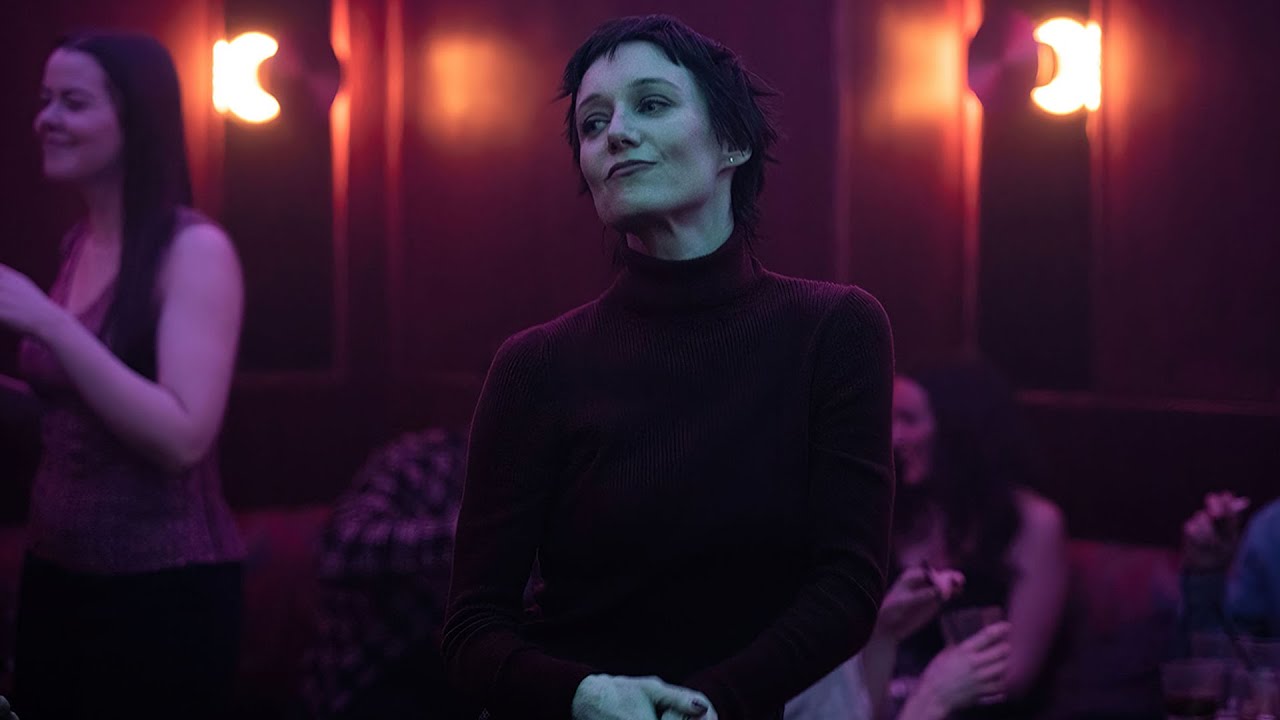
A gritty descent into London’s underworld driven by desperation, paranoia, and moral collapse
A simple choice spirals into chaosSurvival becomes a psychological unraveling
A financially struggling woman accepts an offer that pulls her into a dangerous criminal situation, forcing her to hide a kidnapped agent. What begins as a desperate attempt to solve immediate problems quickly escalates into a complex web of crime, manipulation, and psychological instability.
The emotional core is built on anxiety, instability, and self-destruction, as the protagonist navigates both external threats and internal breakdown. Narrative tension grows through unpredictability and paranoia rather than structured progression. Symbolically, the journey reflects a modern “odyssey” of moral descent, where each decision deepens the character’s entrapment. The story frames survival as a consequence of flawed choices rather than heroic action.
Why It Is Trending: A character-driven crime thriller reflecting the rise of flawed protagonists and psychological realism
The film aligns with a growing trend of crime dramas centered on deeply flawed, unstable protagonists. Audiences are increasingly drawn to narratives that explore imperfection, moral ambiguity, and psychological breakdown.
Its cultural relevance is rooted in its depiction of financial stress, addiction, and societal pressure. The film reflects contemporary anxieties around instability and personal failure. From an industry perspective, it fits into the expanding niche of indie thrillers that prioritize character over spectacle.
Elements Driving the Trend: Anti-hero narrative combined with grounded urban crime setting
The film’s core appeal lies in its focus on a protagonist who is neither heroic nor fully sympathetic. This complexity creates a more realistic and engaging narrative.
The urban London setting enhances authenticity, grounding the story in a recognizable environment. Polly Maberly delivers a performance centered on vulnerability and instability, supported by Guy Burnet and Kellie Shirley. The pacing reflects the character’s psychological state, shifting between tension and chaos.
Virality of Movie (Social Media Coverage): Limited mainstream buzz with niche audience engagement
The film has generated modest attention, primarily within indie film circles and thriller-focused communities. Discussions center on its psychological tone and character portrayal.
Engagement is driven more by critical discourse than viral moments. This positions it as a niche rather than mainstream phenomenon.
Critics Reception: Mixed reception highlighting strong themes but uneven execution
Critical response has been mixed, with praise for its thematic ambition and central performance, but criticism for narrative coherence and pacing. Some reviewers highlight its exploration of social issues such as gender inequality and financial pressure.
The film is recognized more for its ideas than its execution.
Awards and Recognitions: Festival nominations reflecting indie credibility
The film received nominations at the Festival Européen du Film Fantastique de Strasbourg and Fantasy Filmfest, indicating recognition within genre and indie circuits.
These nominations reinforce its positioning as a festival-oriented project.
Director and Cast: A psychologically driven vision supported by raw performances
Gerard Johnson adopts a raw and immersive approach, focusing on character psychology and emotional instability. His direction emphasizes realism and discomfort.
Polly Maberly anchors the film with a performance that captures vulnerability and unpredictability. Supporting actors contribute to the film’s tense and chaotic atmosphere. The cast aligns with the film’s grounded tone.
The film trends because: A reflection of modern appetite for flawed characters and psychological intensity
Character complexity drives the film’s relevance, aligning with audience demand for more realistic and imperfect protagonists. It represents an industry shift toward emotionally driven storytelling. Audience alignment is strongest among viewers seeking depth and realism.
The industry continues to explore narratives that blur the line between protagonist and antagonist.
Conclusion: A dark, character-focused thriller reflecting the psychological turn in modern crime storytelling
The film’s strength lies in its exploration of flawed human behavior. Its positioning prioritizes character over plot.
Culturally, it reflects growing interest in psychological realism. From an industry perspective, it reinforces the value of indie thrillers that focus on depth and authenticity.
What Movie Trend Is Followed: Psychological crime dramas centered on flawed protagonists and moral descent
Odyssey follows a rising trend in modern cinema that shifts crime storytelling away from external action and toward internal psychological conflict. These films focus on morally ambiguous characters whose decisions drive the narrative into darker territory, often blurring the line between victim and perpetrator.
The trend is defined by realism, instability, and character-driven tension rather than plot-heavy progression. It resonates because it reflects real human flaws and societal pressures. Accessibility comes through familiar crime frameworks, while emotional depth is built through anxiety, guilt, and unpredictability.
Trend Drivers: Growing audience demand for realism and character complexity
Audiences are increasingly seeking stories that feel authentic and emotionally grounded. This has driven the popularity of narratives centered on flawed individuals navigating difficult circumstances.
The industry supports this trend due to its alignment with contemporary storytelling preferences. It allows for deeper engagement and critical discussion.
What Is Influencing Trend: Social pressures, economic instability, and mental health awareness
Modern psychological crime dramas are influenced by real-world issues such as financial stress, addiction, and social inequality. These elements shape character motivations and narrative direction.
Cultural influences include increased awareness of mental health and the complexities of human behavior. Emotional drivers include empathy, discomfort, and curiosity.
Macro Trends Influencing: Shift toward indie, character-driven storytelling within the thriller genre
The film industry is increasingly embracing smaller-scale productions that prioritize depth over spectacle. These films often focus on individual experiences rather than large-scale narratives.
Cultural shifts toward authenticity and realism support this trend. Streaming platforms further enable their distribution and visibility.
Consumer Trends Influencing: Preference for emotionally intense and thought-provoking narratives
Viewers are engaging more with content that challenges them emotionally and intellectually. This includes stories that explore moral ambiguity and psychological tension.
There is also a growing interest in narratives that reflect real-life struggles. Engagement is driven by relatability and depth rather than spectacle.
Audience Analysis: Mature viewers seeking complex, character-driven storytelling
The primary audience includes viewers aged 25 to 45 who are interested in realistic and emotionally layered narratives. These audiences often engage with indie films and critically oriented content.
Their lifestyle includes selective content consumption and interest in socially relevant themes. Viewing habits are influenced by reviews, festivals, and recommendations. Preferences lean toward psychological depth and narrative complexity.
Conclusion: A trend defined by realism, moral ambiguity, and psychological intensity
This trend works because it reflects real human experiences and societal pressures. Its scalability lies in its adaptability across different cultural and social contexts.
Its sustainability is supported by ongoing interest in authentic storytelling. The industry is likely to continue investing in such narratives, reinforcing their relevance in modern cinema.
Final Verdict: A psychologically intense crime drama that prioritizes character over coherence, delivering moments of depth within an uneven narrative
Odyssey positions itself as a character-first thriller, focusing on internal conflict rather than structured storytelling. Its strength lies in its willingness to explore discomfort, instability, and flawed decision-making, creating a film that feels raw and emotionally volatile.
From an industry perspective, it reflects the continued rise of indie crime dramas that emphasize realism and psychological depth. Its identity relevance is tied to its portrayal of a protagonist shaped by financial pressure, addiction, and societal constraints.
However, its impact is limited by inconsistent pacing and narrative structure. While it succeeds in creating tension and thematic depth, it struggles to fully sustain engagement across its runtime.
Audience Relevance: A niche appeal for viewers drawn to flawed characters and psychological tension
The film resonates with audiences who appreciate morally complex protagonists and emotionally intense storytelling. It offers a perspective that feels grounded and relatable, particularly in its depiction of personal struggle.
At the same time, it may alienate viewers expecting a more traditional or plot-driven thriller. This positions it firmly within a niche audience segment.
What Is the Message of Movie: Personal choices and systemic pressures can lead to self-destruction
The film suggests that individuals are often shaped by circumstances beyond their control, yet still responsible for their decisions. It explores how desperation can push people into morally questionable actions.
The message highlights the intersection of personal accountability and societal influence. It frames downfall as both inevitable and avoidable.
Relevance to Audience: Reflecting modern anxieties around instability and identity
The film feels relevant because it mirrors contemporary concerns such as financial insecurity and mental health struggles. It captures a sense of instability that resonates with modern audiences.
This relevance enhances its emotional impact, even when the narrative structure falters. It connects through shared experiences rather than spectacle.
Social Relevance: Subtle commentary on gender dynamics and economic pressure
The film touches on themes such as sexism and systemic barriers, highlighting how societal structures influence individual opportunities. It also reflects the pressures of financial instability and survival.
Its social relevance lies in its realism and lack of idealization. It presents a world where systems are flawed and outcomes are uncertain.
Performance: Limited commercial impact with stronger positioning in indie circuits
With minimal box office presence, the film’s performance is modest, reflecting its niche appeal. Its visibility is driven more by festival screenings and critical discussion than mainstream release.
This positions it as an indie project with targeted reach rather than broad commercial success.
Legacy: A modest contribution to the evolution of psychological crime dramas
Odyssey contributes to the ongoing shift toward character-driven thrillers that prioritize emotional depth over action. It reflects a broader movement within indie cinema.
While unlikely to achieve widespread recognition, it may remain relevant within discussions of modern psychological crime storytelling. Its legacy is tied to its thematic ambition.
Success: Defined by thematic exploration and character depth rather than mass appeal
The film’s success lies in its ability to explore complex themes and deliver a compelling central performance. Its value is measured through its emotional and psychological impact.
Rather than commercial metrics, its significance is tied to its contribution to the genre. It represents a focused artistic effort.
Insights: A reflection of the growing importance of psychological realism in crime storytelling
Insights: The film demonstrates how crime narratives are evolving toward deeper psychological exploration and character complexity.Industry Insight: The industry continues to support indie thrillers that prioritize authenticity and emotional depth. This creates opportunities for more nuanced storytelling. It reflects a shift away from purely action-driven narratives.Audience Insight: Audiences are increasingly interested in flawed, realistic characters and morally complex situations. They seek stories that challenge traditional narratives. This drives engagement in niche segments.Social Insight: The film reflects societal concerns around economic instability and gender inequality. It highlights how these issues influence personal decisions. This adds depth to its narrative.Cultural Insight: The project contributes to a broader cultural shift toward realism and introspection in cinema. It aligns with changing audience expectations. Its impact lies in its thematic relevance.
Conclusion: A flawed but compelling exploration of character and consequence in modern crime cinema
The film’s long-term relevance lies in its focus on psychological depth and realism. It reflects a broader shift in storytelling priorities.
From a system perspective, it reinforces the importance of indie cinema in driving narrative experimentation. It highlights the balance between ambition and execution.
Ultimately, it points toward an industry direction where character and authenticity increasingly shape the crime genre.
Summary of the Movie: A psychological crime thriller exploring desperation, moral collapse, and survival within an unforgiving system
• Movie themes: Desperation, moral ambiguity, financial instability, addiction, and survival — The film examines how personal struggles and external pressures push individuals toward dangerous decisions.
• Movie director: Gerard Johnson delivers a raw and character-focused vision, emphasizing psychological realism and emotional instability over traditional thriller structure.
• Top casting: Polly Maberly leads with a vulnerable and unpredictable performance, supported by Guy Burnet and Kellie Shirley, who contribute to the film’s grounded and tense atmosphere.
• Awards and recognition: Nominated at the Festival Européen du Film Fantastique de Strasbourg and Fantasy Filmfest, reflecting its positioning within indie and genre festival circuits.
• Why to watch movie: A compelling choice for viewers interested in character-driven crime stories that explore psychological tension and moral complexity.
• Key Success Factors: Its strength lies in its focus on flawed characters and realistic emotional stakes, aligning with modern trends in psychological thrillers.
• Where to watch: Released March 2, 2026, with availability primarily across select theatrical and digital platforms depending on region.
Conclusion: A grounded and psychologically driven film that explores the cost of survival and the consequences of flawed choices
Odyssey stands as a character-focused entry within the crime thriller genre, offering a raw and introspective narrative. It transforms a simple premise into a deeper exploration of human behavior. The film resonates through its emotional realism and thematic ambition. It reflects the evolving direction of cinema toward psychological depth and authenticity. Ultimately, it leaves an impression as a story about consequence, instability, and the fragile line between control and collapse.






Leave a Reply