
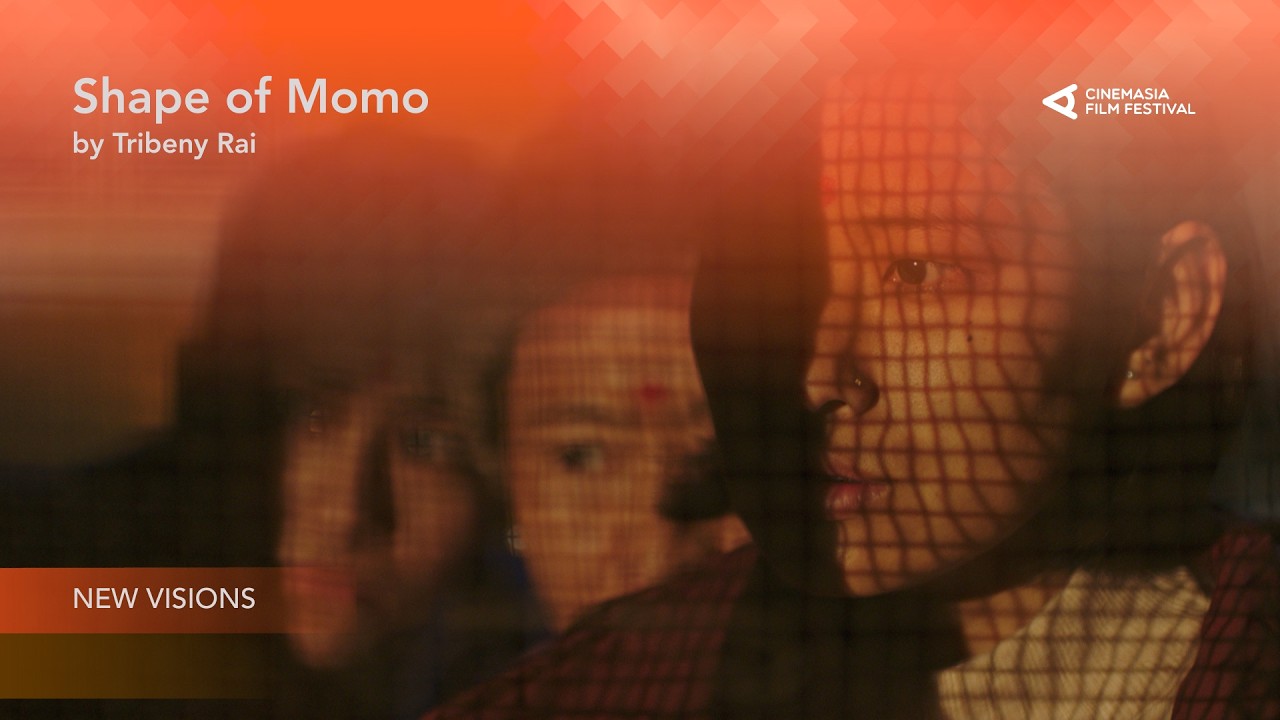
A quiet yet powerful exploration of female resilience, tradition, and self-determination in a changing society
A woman returns home to challenge silence
A young woman leaves her job in the city and returns to her Himalayan village, where her family is burdened by the absence of male members. Confronted with a household shaped by loss and resignation, she begins to question the passive acceptance of their circumstances.
The narrative unfolds through intimate, everyday moments, highlighting generational tension and emotional disconnect. The emotional core lies in her struggle between belonging and resistance. As she challenges her family’s mindset, the story becomes a reflection of identity, autonomy, and cultural expectation. Symbolically, the film represents awakening—both personal and collective.
Why It Is Trending: A rising voice in global cinema highlighting women-led narratives from underrepresented regions
Shape of Momo is gaining attention as part of the growing visibility of regional, women-centric storytelling in global film festivals. Its focus on female agency within a traditional setting aligns with current cultural conversations around gender and independence.
The film’s recognition at major festivals such as San Sebastián International Film Festival and Seattle International Film Festival enhances its global presence. Its authentic portrayal of rural life and nuanced characters appeals to audiences seeking grounded, culturally rich narratives. Additionally, the rise of South Asian independent cinema contributes to its relevance. The film resonates with viewers interested in stories of empowerment and social change.
Elements Driving the Trend: Authentic storytelling rooted in culture, performance, and realism
The film’s appeal lies in its deeply personal narrative and its focus on everyday struggles. Its narrative hook is the tension between tradition and modern identity.
Shyama Shree Sherpa delivers a compelling performance that anchors the story’s emotional depth. The film’s observational style allows characters and relationships to develop organically. Its visual storytelling, capturing the Himalayan landscape, enhances its emotional and cultural authenticity.
Virality of Movie (Social Media Coverage): Niche but strong engagement through festival buzz and critical praise
While not a mainstream viral film, Shape of Momo has generated strong engagement within cinephile and festival communities. Discussions focus on its emotional depth and cultural authenticity.
Its relatability and thematic strength encourage word-of-mouth promotion. The film’s quiet impact aligns with its tone—subtle yet meaningful.
Critics Reception: Widely appreciated for its nuance, performances, and emotional honesty
Critics have praised the film for its restrained storytelling and character depth. Publications like Variety have highlighted its significance within emerging South Asian cinema.
The film is noted for its ability to convey complex themes without overt dramatization. Its performances and direction are frequently cited as standout elements.
Awards and Recognitions: Strong festival nominations signaling emerging directorial talent
According to IMDb, the film has received 4 nominations, including the New Directors Award at the San Sebastián International Film Festival and the Ingmar Bergman Award nomination at the Göteborg Film Festival.
It was also nominated in the New Directors Competition at the Seattle International Film Festival, positioning Tribeny Rai as a promising emerging filmmaker. These recognitions highlight its artistic credibility and global relevance.
Director and Cast: Tribeny Rai’s sensitive direction elevated by grounded performances
Tribeny Rai adopts a naturalistic, character-focused approach that emphasizes emotional authenticity over dramatic intensity. Her direction allows the story to unfold with patience and subtlety.
Shyama Shree Sherpa leads with a nuanced performance, supported by Gaumaya Gurung and Pashupati Rai, who contribute to the film’s emotional realism. The ensemble creates a believable and immersive portrayal of family dynamics.
The film trends because: Cultural authenticity meets global demand for women-led storytelling
-
Female empowerment narratives rise within global cinema conversations
-
Regional stories gain visibility through international film festivals
-
Audiences seek authentic, culturally grounded storytelling
The industry is increasingly supporting diverse voices and underrepresented perspectives in film.
Conclusion: A subtle yet impactful story redefining strength through quiet resistance
Shape of Momo stands out for its restrained yet powerful storytelling approach. Its narrative strength lies in its emotional authenticity and cultural specificity.
Culturally, it reflects a shift toward valuing diverse voices and perspectives. From an industry standpoint, it highlights the importance of emerging filmmakers in shaping global cinema. Ultimately, it positions itself as a meaningful exploration of identity, resilience, and change.
What Movie Trend Is Followed: The rise of culturally rooted female empowerment narratives in global independent cinema
Shape of Momo follows the trend of culturally grounded female empowerment storytelling, where women’s personal journeys are deeply tied to tradition, community, and societal expectations. These films focus on internal transformation rather than external conflict, often set within rural or culturally specific environments.
Emotionally, the trend builds connection through realism and quiet resistance rather than dramatic confrontation. It is accessible through universal themes while remaining rooted in specific cultural contexts. The trend resonates because it reflects the evolving role of women across societies, particularly within traditionally structured environments.
Trend Drivers: Growing demand for authentic, women-led stories from diverse regions
The trend is driven by increasing audience interest in narratives that reflect real, lived experiences rather than generalized portrayals. Viewers are seeking authenticity, especially from underrepresented regions and voices.
From an industry perspective, film festivals and global platforms are actively promoting diverse storytelling. This creates opportunities for filmmakers like Tribeny Rai to gain visibility. The success of such films encourages further investment in culturally specific narratives.
What Is Influencing Trend: Shifting gender roles and the tension between tradition and modern identity
Societies around the world are experiencing shifts in gender expectations, creating tension between traditional roles and modern aspirations. Films like Shape of Momo reflect this dynamic through personal stories.
Generationally, younger individuals are challenging established norms while navigating cultural identity. Emotionally, this creates narratives centered on conflict, self-discovery, and empowerment without abandoning cultural roots.
Macro Trends Influencing: Globalization of independent cinema and cross-cultural storytelling
The film industry is increasingly interconnected, allowing regional stories to reach global audiences. Festivals such as San Sebastián International Film Festival and Göteborg Film Festival play a key role in amplifying these voices.
Culturally, audiences are more open to international content and diverse perspectives. Lifestyle changes, including streaming access, enable wider consumption of global cinema.
Consumer Trends Influencing: Preference for meaningful, introspective, and socially relevant narratives
Audiences are increasingly drawn to films that offer depth, reflection, and emotional authenticity. There is a growing demand for content that explores social issues through personal stories.
Viewer behavior includes engaging with films that provoke thought and empathy. These narratives often lead to discussions around identity, culture, and societal change.
Audience Analysis: Thoughtful, globally aware viewers seeking authenticity and depth
The primary audience falls within the 25–55 age range, including cinephiles and viewers interested in international cinema. These individuals are typically educated, culturally curious, and engaged with social issues.
Lifestyle-wise, they are digitally connected and frequent consumers of festival films and curated streaming platforms. Behaviorally, they prefer slow-paced, character-driven narratives. Their viewing habits include indie dramas, international films, and socially relevant content.
They value authenticity, cultural specificity, and emotional nuance. Their preferences lean toward stories that provide insight into different ways of life while maintaining universal relevance.
Conclusion: A culturally significant and steadily growing trend shaping global storytelling
This trend works because it balances specificity with universality, allowing audiences to connect across cultural boundaries. Its scalability is moderate but growing as global distribution expands.
Sustainability is reinforced by continued interest in diverse voices and authentic storytelling. The industry is increasingly investing in such narratives as part of a broader push toward inclusivity. As audiences seek deeper engagement, this trend is expected to strengthen further.
Final Verdict: A quietly powerful film that redefines empowerment through restraint, realism, and cultural depth
Shape of Momo stands as a deeply introspective and emotionally grounded film that prioritizes authenticity over dramatization. Culturally, it reflects the evolving role of women within traditional societies, capturing the tension between acceptance and resistance.
From an industry perspective, the film reinforces the importance of regional voices in shaping global cinema narratives. It resonates with audiences who seek meaningful, character-driven storytelling rooted in real experiences. In the long term, it contributes to the growing recognition of culturally specific yet universally relatable films.
Audience Relevance: Emotional connection through shared experiences of identity and belonging
The film resonates strongly with viewers who have experienced the push and pull between personal ambition and cultural expectation. Its portrayal of family dynamics creates a deeply relatable emotional core.
At the same time, it connects across cultures by exploring universal themes of independence and self-discovery. This balance enhances its global appeal.
What Is the Message of Movie: Empowerment begins with questioning acceptance and reclaiming agency
At its core, Shape of Momo explores how individuals can redefine their roles within restrictive environments. The protagonist’s journey highlights the importance of challenging inherited beliefs.
The film suggests that change does not always require confrontation but can emerge through persistence and self-awareness. It leaves audiences reflecting on their own capacity for transformation.
Relevance to Audience: A reflection of modern struggles between tradition and personal freedom
In a rapidly changing world, the tension between tradition and individuality is increasingly relevant. The film mirrors this struggle through its intimate narrative.
Audiences resonate with stories that reflect these conflicts, making the film both timely and impactful. It speaks to a generation navigating identity within evolving cultural frameworks.
Social Relevance: A commentary on gender roles and societal expectations
The film examines how societal structures shape and limit individual choices, particularly for women. It highlights the quiet endurance often required within traditional systems.
Socially, it underscores the importance of agency and the possibility of change from within. This gives the narrative both personal and societal significance.
Performance: Strong critical appreciation and festival recognition within indie cinema
Shape of Momo holds an IMDb rating of 7.1, indicating positive audience reception. Its performance is defined more by critical appreciation and festival presence than commercial scale.
The film has received 4 nominations, including recognition at major festivals such as San Sebastián International Film Festival and Göteborg Film Festival. Its reception highlights its artistic credibility and emotional impact.
Legacy: A meaningful contribution to global women-led storytelling
While not a mainstream film, Shape of Momo contributes significantly to the representation of women’s stories in global cinema. It reinforces the importance of culturally specific narratives.
Its legacy lies in its ability to inspire future filmmakers to tell authentic, personal stories. It stands as a reference point for quiet, character-driven storytelling.
Success: Defined by artistic recognition and cultural impact rather than commercial scale
The film’s success is rooted in its festival recognition and critical appreciation. Its impact lies in its ability to connect deeply with audiences rather than reach mass markets.
Critically, it is valued for its nuance and authenticity. Its success is measured through cultural relevance and influence within indie cinema.
Insights: A film that transforms quiet resistance into powerful storytelling
Insights: Shape of Momo demonstrates how subtle, character-driven narratives can deliver profound emotional and cultural impact. Industry Insight: The film highlights the growing importance of regional cinema in shaping global storytelling trends, particularly through festival platforms. It reinforces the value of authenticity over scale. It also signals increased support for women-led narratives. Audience Insight: Viewers are increasingly drawn to stories that reflect real-life struggles and emotional nuance rather than exaggerated drama. This indicates a shift toward introspective and meaningful content. It also shows that audiences value cultural specificity. Social Insight: The film mirrors societal transitions around gender roles and the slow evolution of traditional structures. It captures the quiet resilience required to navigate these systems. This makes the narrative both relatable and impactful. Cultural Insight: Shape of Momo reflects a broader cultural movement toward embracing diverse voices and stories that challenge dominant narratives. It positions cinema as a medium for empathy and understanding. Ultimately, it reinforces the power of understated storytelling in shaping cultural discourse.
Conclusion: A subtle yet enduring film that captures the strength of transformation through authenticity
Shape of Momo delivers a deeply reflective cinematic experience that prioritizes emotional truth and cultural context. It represents a broader shift toward meaningful, character-driven storytelling.
From a market perspective, it highlights the continued relevance of festival circuits in supporting independent cinema. The film underscores the importance of authenticity and representation in engaging modern audiences. Ultimately, it stands as a testament to the power of quiet narratives in creating lasting impact.
Summary of the Movie: A deeply human story of quiet resistance, identity, and the courage to redefine one’s place in the world
-
Movie themes: Female empowerment, tradition vs independence, and identity A nuanced exploration of how women navigate cultural expectations while seeking autonomy and self-definition within restrictive environments.
-
Movie director: Tribeny Rai’ intimate and observational storytelling approach Tribeny Rai crafts a restrained narrative that emphasizes realism, emotional subtlety, and the power of everyday moments to convey deeper meaning.
-
Top casting: Shyama Shree Sherpa leads with a grounded and emotionally layered performance Supported by Gaumaya Gurung and Pashupati Rai, the cast delivers naturalistic performances that enhance the film’s authenticity.
-
Awards and recognition: 4 major festival nominations highlighting emerging talent Includes New Directors Award nomination, San Sebastián International Film Festival, and Ingmar Bergman Award nomination, Göteborg Film Festival, establishing strong artistic credibility.
-
Why to watch movie: A reflective, emotionally rich experience rooted in cultural authenticity Ideal for viewers who appreciate slow-paced, character-driven cinema with meaningful social themes.
-
Key Success Factors: Authentic storytelling combined with strong festival visibility The film succeeds through its emotional honesty, cultural specificity, and recognition within international film circuits.
-
Where to watch: Festival-driven release with potential curated platform distribution Released April 24, 2026 (United States), with expected availability on international film platforms and festival circuits.
Conclusion: A quiet yet powerful film that lingers through its emotional truth and cultural depth
Shape of Momo is defined by its subtle storytelling and its ability to capture complex emotions through simplicity. The film leaves a lasting impression by focusing on internal transformation rather than external conflict. Its strength lies in its authenticity, allowing audiences to connect deeply with its characters and themes. As a viewing experience, it offers reflection, empathy, and insight into cultural realities. Ultimately, it stands as a compelling example of how understated narratives can create profound and lasting impact.






Leave a Reply