
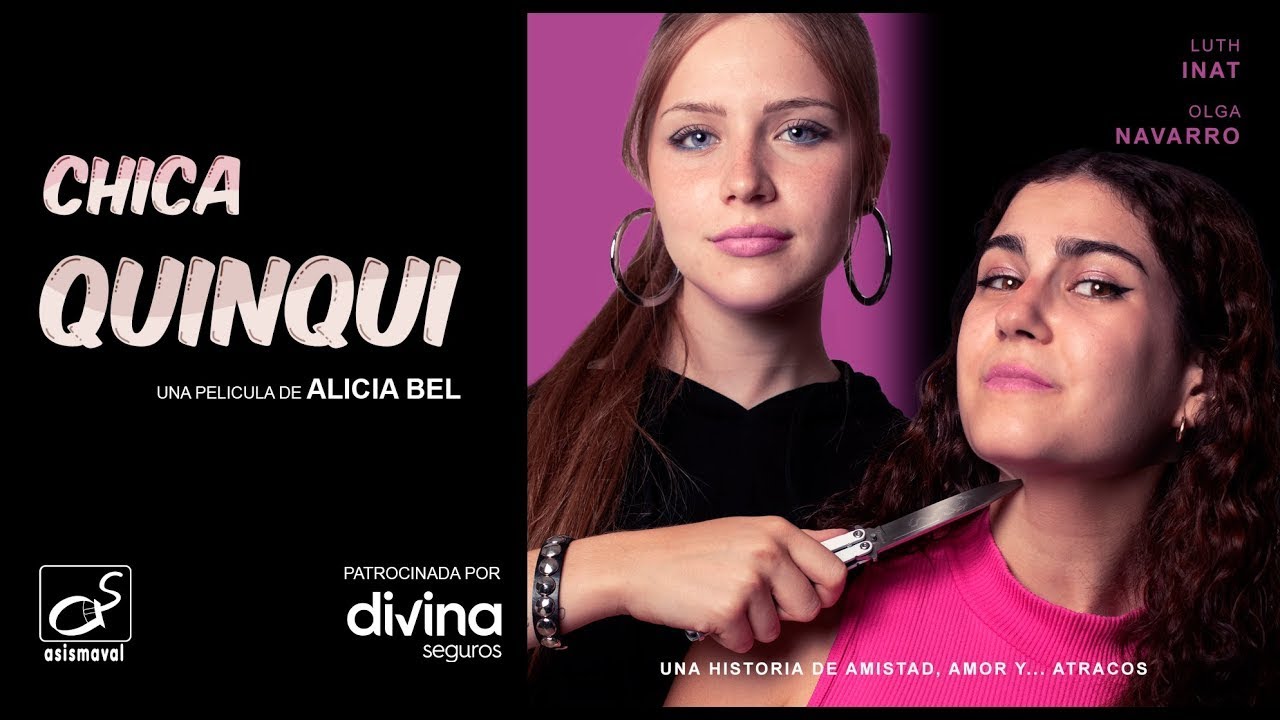
A rebellious, feminine reimagining of crime, friendship, and survival in modern Spain
A scrappy sisterhood navigating crime, love, and identity.
Chica Quinqui positions itself as a contemporary reinterpretation of Spain’s iconic “quinqui” genre—traditionally centered on male delinquency—by shifting the narrative toward a female-led perspective rooted in friendship, survival, and emotional complexity. Set against the textured backdrop of Valencia, the film blends elements of crime, romance, and drama to explore the lives of young women navigating economic precarity and personal freedom. Rather than glamorizing crime, it reframes petty theft and rebellion as expressions of agency within constrained circumstances. The story appears to revolve around a tight-knit group whose bonds are tested by desire, loyalty, and risk, creating a layered narrative where emotional stakes are as significant as external conflict. At its core, the film is less about crime itself and more about identity, belonging, and the choices that define adulthood in a fractured socio-economic landscape.
Why It Is Trending: A gender-flipped revival of a cult Spanish genre meets modern indie storytelling
The film gains traction by revisiting the historically significant quinqui genre through a fresh, female-centric lens.
Its relevance is amplified by the growing demand for stories that reclaim traditionally male-dominated narratives and reinterpret them for contemporary audiences
Elements Driving the Trend: Genre reinvention through female perspective and indie realism
The film’s appeal lies in its ability to merge nostalgia with modern identity storytelling.
By combining crime elements with emotional and relational depth, it creates a hybrid narrative that resonates across genres
Virality of Movie (Social Media Coverage): Niche indie buzz fueled by cultural curiosity and genre revival
The film generates interest within cinephile communities intrigued by its reinterpretation of quinqui cinema.
Discussions focus on its stylistic approach and its shift toward female-led storytelling within a traditionally male genre
Critics Reception: Mixed-to-positive indie reception driven by concept and thematic ambition
Early reception suggests appreciation for its thematic direction and genre reinterpretation.
Critics highlight its cultural relevance and narrative intention, even as its execution remains within indie limitations
Awards and Recognitions: Strong festival recognition highlighting emerging indie credibility
The film holds 14 wins and 1 nomination (IMDb), signaling significant traction within festival circuits.
While specific awards are not detailed, the volume of wins suggests strong recognition across indie and regional film festivals
Director and Cast: Alicia Bel’s grounded vision supported by raw, character-driven performances
Director Alicia Bel brings a grounded, socially aware lens to the narrative, focusing on realism and emotional authenticity.
Lead performances by Luth Inat and Olga Navarro anchor the film with naturalistic portrayals that emphasize intimacy over spectacle
Conclusion: A culturally rooted indie film redefining genre through perspective and authenticity
Chica Quinqui stands out as a film that reclaims a historically male-centric genre and reshapes it through a female lens. Its strength lies in its ability to merge social realism with emotional storytelling, creating a narrative that feels both culturally specific and universally relatable. While its indie scale may limit mainstream reach, its thematic ambition and festival success position it as a meaningful contribution to contemporary Spanish cinema. The film ultimately reflects a broader shift toward inclusive storytelling and genre reinvention.
What Movie Trend Is Followed: Female-Led Crime Realism Reclaiming Traditionally Male Narratives
Chica Quinqui aligns with the growing trend of female-led crime storytelling that reframes historically male-dominated genres through emotional realism and identity exploration.
Rather than presenting crime as spectacle or rebellion for its own sake, the film positions it as a byproduct of socio-economic conditions and personal agency, grounding the narrative in lived experience. This trend emphasizes human connection, vulnerability, and survival, transforming crime narratives into character-driven explorations. The accessibility of this approach lies in its emotional relatability—audiences engage not with the act of crime, but with the motivations behind it. As a result, the film contributes to a broader shift where genre becomes a vehicle for identity storytelling rather than formulaic plotting.
Trend Drivers: Industry shift toward inclusive and perspective-driven storytelling
The rise of diverse voices in filmmaking has encouraged reinterpretations of legacy genres through new lenses.
This shift allows traditionally marginalized perspectives to redefine narrative structures and character archetypes
What Is Influencing Trend: Cultural demand for authenticity and representation
Audiences increasingly seek stories that reflect real-life struggles and underrepresented identities.
This demand drives filmmakers to explore grounded narratives that prioritize emotional truth over genre conventions
Macro Trends Influencing: Evolution of global indie cinema toward realism and hybridity
Global cinema is moving toward hybrid storytelling that blends genres with social commentary.
This evolution supports films that balance entertainment with cultural and emotional depth
Consumer Trends Influencing: Preference for character-driven and socially relevant narratives
Modern viewers are drawn to stories that offer emotional engagement and social insight.
They favor narratives that feel authentic, intimate, and reflective of contemporary realities
Audience Analysis: Young, socially aware viewers seeking authenticity and representation
The film primarily appeals to audiences in the 18–35 age range who engage with indie and international cinema.
These viewers value realism, identity exploration, and narratives that challenge traditional storytelling norms
Conclusion: A sustainable trend redefining genre through perspective and authenticity
The trend followed by Chica Quinqui reflects a long-term shift in how genres are approached and reinterpreted. By prioritizing perspective, authenticity, and emotional depth, films like this expand the boundaries of traditional storytelling. This approach is scalable across global markets, particularly within indie and streaming platforms that support diverse narratives. As audiences continue to seek representation and realism, this trend is likely to grow stronger. Ultimately, it signals a future where genre is defined less by structure and more by voice and perspective.
Final Verdict: A grounded yet rebellious indie film that reclaims crime storytelling through female identity and emotional realism
Chica Quinqui stands as a culturally significant reinterpretation of Spain’s quinqui genre, transforming it from a masculine narrative of delinquency into a female-driven exploration of survival, identity, and connection. From an industry standpoint, it reflects the ongoing shift toward inclusive storytelling and genre reinvention, where perspective becomes more important than convention. The film’s cultural relevance lies in its portrayal of women navigating economic and emotional constraints while asserting agency in unconventional ways. Its identity impact is rooted in its authenticity—showing flawed, complex characters rather than idealized representations. In the long term, it contributes to a broader cinematic movement that values voice, realism, and reinterpretation over formula.
Audience Relevance: Strong connection with audiences seeking authenticity and representation
The film resonates with viewers who are drawn to emotionally grounded and socially relevant narratives.
Its focus on female relationships and survival dynamics creates a relatable and engaging experience
What Is the Message of Movie: Freedom and identity are shaped by circumstance, not choice alone
The narrative suggests that personal agency exists within the limits of social and economic realities.
It highlights how relationships and environment influence the paths individuals take
Relevance to Audience: Reflecting modern struggles of identity, independence, and belonging
The film mirrors contemporary experiences of navigating uncertainty and self-definition.
It speaks to audiences dealing with instability, ambition, and emotional complexity
Social Relevance: A commentary on class, gender, and survival in modern society
The story addresses systemic challenges that shape individual behavior and choices.
It emphasizes the intersection of gender and economic struggle within marginalized communities
Performance: Indie-scale reception with strong festival validation
IMDb rating stands around 6.6, reflecting moderate audience engagement.
Box office performance is minimal (approx. $2,476 worldwide), consistent with its indie and festival-driven release model
Legacy: A modern contribution to the evolution of Spanish social realism cinema
The film redefines quinqui storytelling for a new generation.
Its legacy will be tied to its role in expanding female representation within genre cinema
Success: Defined by artistic credibility and festival recognition rather than commercial scale
With 14 wins and 1 nomination (IMDb), the film demonstrates strong performance within festival circuits.
Its success lies in critical recognition and cultural impact rather than box office metrics
Insights: A genre reborn through perspective and emotional truthIndustry Insight: The film underscores a growing industry shift toward reimagining legacy genres through diverse perspectives. It highlights how indie cinema continues to lead innovation by prioritizing voice and authenticity. This approach strengthens the cultural relevance of niche storytelling.Audience Insight: Modern audiences increasingly value relatable, character-driven narratives over spectacle. They are drawn to stories that reflect real struggles and emotional complexity. This film aligns strongly with those evolving expectations.Social Insight: The narrative reflects broader societal conversations around gender roles, economic instability, and personal agency. It shows how individuals navigate systems that limit opportunity. This creates a deeper emotional connection with viewers.Cultural Insight: By reframing a historically male genre, the film contributes to a cultural shift toward inclusive storytelling and representation. It challenges traditional narratives and expands the scope of who gets to tell these stories. This reinforces its long-term cultural significance.
Conclusion: A culturally resonant indie film that transforms genre into a vehicle for identity and realism
Chica Quinqui achieves its impact not through scale, but through perspective and authenticity. Its reinterpretation of genre demonstrates how storytelling evolves alongside cultural change. From a market standpoint, it thrives within festival circuits and niche audiences who value originality and depth. For the industry, it signals continued growth in inclusive, perspective-driven narratives. Ultimately, it stands as a meaningful example of how cinema can both reflect and reshape cultural identity.
Summary of the Movie: A raw, female-driven crime tale that blends rebellion, friendship, and survival into a modern Spanish indie identity story
• Movie themes: Identity, friendship, survival, rebellion — the film explores how young women navigate economic struggle, emotional bonds, and personal freedom within constrained environments
• Movie director: Alicia Bel delivers a grounded and socially conscious narrative, using realism and character-driven storytelling to reinterpret the quinqui genre through a female lens
• Top casting: Luth Inat and Olga Navarro lead with naturalistic performances that emphasize emotional authenticity, supported by a tight ensemble that reinforces the film’s intimacy and realism
• Awards and recognition: 14 wins and 1 nomination (IMDb), reflecting strong recognition within indie and festival circuits, signaling credibility despite limited mainstream exposure
• Why to watch movie: A fresh and culturally relevant take on a classic Spanish genre, offering emotional depth, strong female perspectives, and grounded storytelling
• Key Success Factors: Genre reinvention, authentic performances, and socially relevant themes position the film as a standout within indie cinema
• Where to watch: Released September 26, 2025 (Spain); primarily available through festival circuits and limited indie distribution
Conclusion: A grounded and culturally relevant film that redefines crime storytelling through female perspective and emotional realism
Chica Quinqui stands out as a meaningful reinterpretation of a historically male-driven genre, bringing authenticity and emotional depth to its narrative. The film’s emotional takeaway lies in its exploration of friendship and identity within challenging circumstances. As a viewing experience, it is intimate, raw, and socially reflective. Its lasting impression comes from its grounded storytelling and cultural specificity. Ultimately, it contributes to the evolution of indie cinema by prioritizing perspective, realism, and representation.






Leave a Reply