
A modern folk-horror reimagining blending coming-of-age trauma, family secrets, and mythic terror
Fairy tales become survival stories.
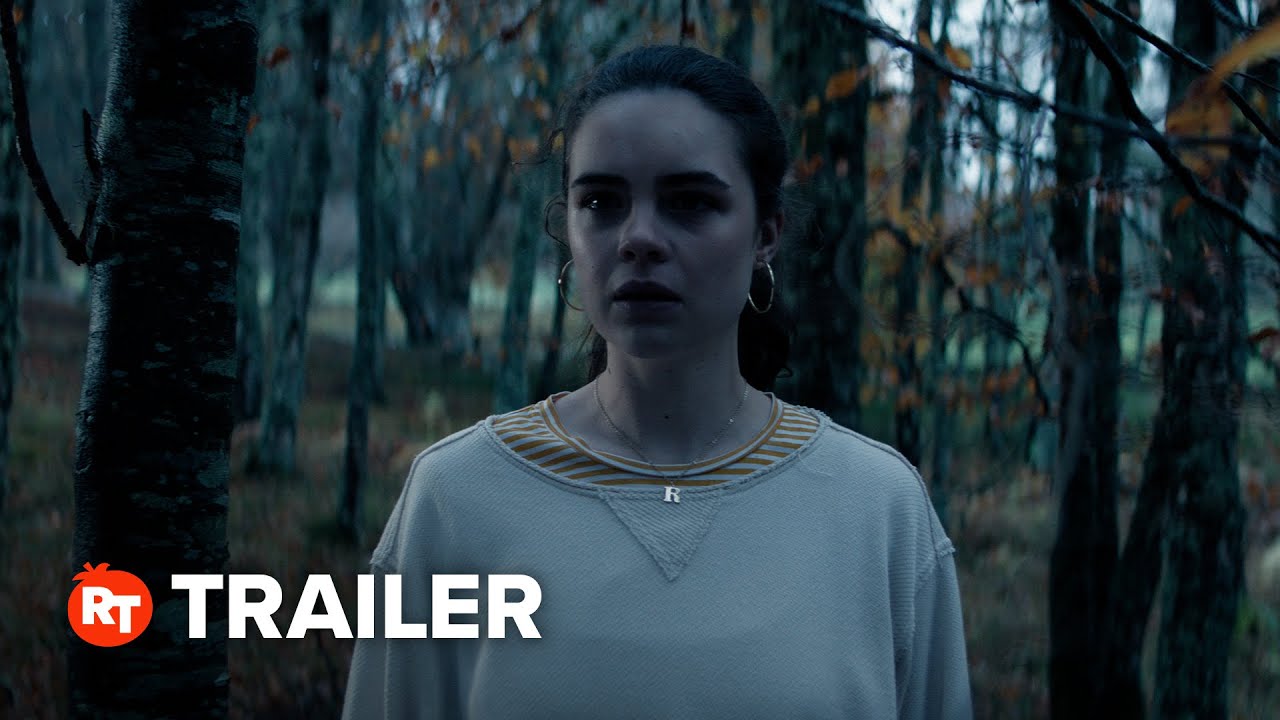
Red Riding follows teenage Redele (“Red”) who, after her mother’s overdose, is sent from London to live with her estranged grandmother on a remote Scottish estate. What begins as a relocation quickly turns into a descent into family secrets, missing children mysteries, and a looming, almost mythic threat embodied by a monstrous wolf. As reality becomes increasingly unstable, Red must confront both external danger and inherited truths.
The film operates within a folk-horror and psychological thriller framework, reinterpreting the classic Little Red Riding Hood myth through a contemporary lens. The isolated Scottish setting becomes central to the narrative, creating an atmosphere of unease and symbolic tension. Red’s journey is not only about survival but also about identity, trauma, and generational legacy. The story blends realism with myth, allowing folklore to bleed into psychological experience. This creates a layered narrative where danger is both literal and symbolic. Ultimately, the film transforms a familiar fairy tale into a darker exploration of personal and familial awakening.➡️ Implication: Modern horror is increasingly reinterpreting classic folklore through psychological and character-driven narratives.
Why It Is Trending: Renewed interest in folk horror and modern reinterpretations of classic fairy tales
Audiences are drawn to familiar stories with darker reinterpretations.
Classic tales provide recognizable frameworks. Modern settings add relevance. Psychological depth enhances engagement. Folk horror creates immersive atmosphere. This combination drives growing interest.➡️ Implication: Reimagined folklore continues to resonate with contemporary audiences.
Elements Driving the Trend: Blending myth, psychological tension, and coming-of-age storytelling
The film integrates multiple narrative layers.
Mythology adds symbolic depth. Psychological elements create tension. Coming-of-age themes enhance relatability. The rural setting amplifies isolation. These elements work together to build atmosphere.➡️ Implication: Multi-genre blending strengthens modern horror storytelling.
Virality of Movie (Social Media Coverage): Niche engagement driven by its reinterpretation of a well-known fairy tale
The film attracts attention within horror communities.
Its connection to Little Red Riding Hood sparks interest. Visual style and setting generate discussion. Fans of folk horror engage with its themes. This creates targeted visibility. It builds steady niche engagement.➡️ Implication: Familiar narratives adapted in new ways drive audience curiosity.
Critics Reception: Mixed reception reflecting diverse interpretations of its tone and storytelling approach
The film holds an IMDb rating of approximately 4.4, indicating varied audience responses.
Some viewers appreciate its atmosphere and concept. Others interpret pacing and structure differently. The film generates discussion through its stylistic choices. This diversity reflects audience expectations. Overall, it maintains engagement through conversation.➡️ Implication: Experimental storytelling often leads to varied audience interpretations.
Awards and Recognitions: Early-stage release with potential for genre and indie recognition
The film has not yet received major awards recognition.
However, its genre positioning supports festival potential. Folk horror often gains niche acclaim. Audience discovery may increase over time. It remains positioned within indie circuits. Recognition may evolve post-release.➡️ Implication: Genre films can build recognition gradually through audience and festival exposure.
Director and Cast: A debut-driven vision supported by a focused ensemble and emerging talent
Directed by Craig Conway, the film emphasizes atmosphere and reinterpretation.
Victoria Tait leads as Red, anchoring the narrative’s emotional core. Supporting performances add depth to the story. The cast contributes to the film’s grounded tone. Direction focuses on mood and symbolism. This reinforces the film’s thematic approach.➡️ Implication: Strong central performances enhance character-driven horror narratives.
Conclusion: A modern folk-horror interpretation that transforms a classic tale into a story of identity, fear, and survival
Red Riding offers a contemporary take on a timeless story, blending folklore with psychological tension. Its focus on atmosphere and character creates an immersive experience. The film explores how personal trauma and family legacy shape identity. It contributes to the growing trend of reinterpretative horror. Its narrative resonates through familiarity and reinvention. Ultimately, it redefines a classic tale as a story of survival and self-discovery.➡️ Implication: Reimagined folklore will continue shaping the evolution of modern horror storytelling
What Movie Trend Is Followed: Modern folk-horror reinterpretations blending classic fairy tales with psychological and coming-of-age narratives
Red Riding aligns with the trend of modern folk-horror reinterpretations, where classic stories are reimagined through psychological depth, symbolic storytelling, and contemporary themes.
This trend transforms familiar narratives into darker, more introspective experiences. Instead of straightforward retellings, these films explore identity, trauma, and transformation, often through a coming-of-age lens. Folklore elements—such as the wolf in this case—are used both as literal threats and symbolic representations of fear and internal conflict. The isolated rural setting further enhances the sense of unease, grounding myth within a tangible environment. These stories blur the line between reality and imagination, encouraging audience interpretation. Ultimately, the trend reframes fairy tales as psychological journeys rather than moral fables.➡️ Implication: Horror storytelling is evolving toward symbolic, character-driven reinterpretations of traditional myths.
Trend Drivers: Audience fascination with darker, more complex versions of familiar stories
Classic tales continue to hold cultural relevance.
Audiences recognize the core narrative instantly. Dark reinterpretations add novelty. Psychological complexity increases engagement. Familiarity combined with innovation drives interest. This sustains long-term appeal.➡️ Implication: Reinventing known stories enhances audience curiosity and connection.
What Is Influencing Trend: Integration of psychological realism into myth-based storytelling
Filmmakers are grounding folklore in real emotion.
Characters feel more relatable and human. Myth becomes a reflection of internal struggle. This adds depth to traditional narratives. It also broadens audience reach. The result is more immersive storytelling.➡️ Implication: Psychological realism is redefining how myths are portrayed in cinema.
Macro Trends Influencing: Growth of global folk horror and atmospheric storytelling
Folk horror is gaining renewed global attention.
Rural settings create natural tension and isolation. Atmosphere becomes central to storytelling. Cultural folklore adds uniqueness. This trend spans multiple regions. It continues to expand internationally.➡️ Implication: Atmospheric storytelling is becoming a defining feature of modern horror.
Consumer Trends Influencing: Preference for slow-burn, mood-driven horror over jump-scare-heavy narratives
A segment of audiences favors immersive horror experiences.
They value atmosphere and tension over shock. Slow pacing allows deeper engagement. Symbolism encourages interpretation. This creates lasting impact. It also builds dedicated niche audiences.➡️ Implication: Mood-driven horror sustains long-term audience engagement.
Audience Analysis: Horror audiences drawn to psychological depth, symbolism, and reinterpretation of classic narratives
The film appeals to 18–40-year-old viewers interested in horror and thriller genres.
This audience appreciates layered storytelling. They engage with symbolic and ambiguous narratives. They are familiar with genre conventions. They seek fresh perspectives on classic themes. This drives interest in reinterpretations.➡️ Implication: Genre-savvy audiences are shaping demand for innovative horror storytelling.
Conclusion: A growing trend where folklore, psychology, and identity converge to redefine modern horror
The trend followed by Red Riding reflects a broader movement toward blending mythological storytelling with psychological exploration. These narratives resonate because they combine familiarity with depth. As audiences continue to seek meaningful and immersive experiences, this trend will expand. The integration of coming-of-age themes adds emotional resonance. It also broadens the genre’s appeal. Ultimately, modern horror is becoming a space where folklore and identity intersect.➡️ Implication: Folk-horror reinterpretations will continue influencing the future of the genre
Final Verdict: A moody folk-horror reimagining that blends coming-of-age vulnerability with mythic dread and generational secrets
Red Riding presents itself as a modern folk-horror tale that merges classic fairy-tale symbolism with a psychological coming-of-age journey. From an industry standpoint, it reflects the continued rise of atmosphere-driven indie horror, where tone, setting, and symbolism take precedence over spectacle. Culturally, the film taps into enduring fears around family legacy, isolation, and the unknown, reframing them through a contemporary lens. The narrative uses the myth of the wolf not just as a threat, but as a metaphor for deeper emotional and inherited conflict. Its setting amplifies the sense of vulnerability, positioning nature as both beautiful and dangerous. Ultimately, the film transforms a familiar story into a layered exploration of identity, fear, and survival.➡️ Implication: Horror is increasingly becoming a space for symbolic storytelling and emotional exploration.
Audience Relevance: Appeals to viewers drawn to atmospheric horror and character-driven narratives
The film connects with audiences seeking immersive experiences.
Its focus on mood and setting enhances engagement. The coming-of-age angle adds relatability. Viewers connect with the emotional journey. This creates a deeper narrative connection. It supports sustained interest.➡️ Implication: Atmosphere and character depth strengthen audience immersion.
What Is the Message of Movie: Confronting fear and uncovering hidden truths are essential to self-discovery
The narrative centers on transformation through adversity.
Red’s journey reflects personal growth. Fear becomes a catalyst for change. The uncovering of secrets drives understanding. This creates a meaningful thematic arc. It emphasizes resilience and identity.➡️ Implication: Personal transformation adds depth to horror storytelling.
Relevance to Audience: Reflects universal themes of identity, belonging, and confronting the unknown
The story resonates across audiences.
Themes of isolation and belonging are widely relatable. The search for identity is central to the narrative. The unknown creates tension and curiosity. These elements enhance engagement. They broaden appeal.➡️ Implication: Universal themes expand audience connection.
Social Relevance: Subtle exploration of generational trauma and inherited environments
The film touches on deeper social dynamics.
Family legacy shapes the protagonist’s journey. The environment reflects inherited conditions. The narrative suggests continuity between past and present. This adds contextual depth. It enhances meaning.➡️ Implication: Generational themes enrich narrative complexity.
Performance: A character-led performance anchors the film’s emotional and atmospheric tone
With an IMDb rating of approximately 4.4, reception reflects varied audience perspectives.
Victoria Tait delivers a central performance that drives the story. Supporting cast members reinforce the narrative. Performances focus on emotional nuance. This supports the film’s tone. It enhances immersion.➡️ Implication: Strong central performances are key in atmosphere-driven films.
Legacy: Part of the evolving wave of modern folk horror and reinterpretative storytelling
The film contributes to a growing genre movement.
Folk horror continues to gain traction globally. Reinterpretations of classic tales are expanding. The film adds to this evolving landscape. It supports diversity in horror storytelling. Its influence may grow within niche audiences.➡️ Implication: Reinterpretative horror is shaping future genre trends.
Success: Defined by niche audience engagement and alignment with genre evolution
The film’s impact lies within targeted audiences.
It appeals to fans of folk and psychological horror. Engagement is driven by thematic interest. Its relevance aligns with current trends. This defines its position in the market. It supports genre diversity.➡️ Implication: Niche engagement drives sustainability in indie horror.
Insights: Myth transforms fear into a journey of identity and survivalIndustry Insight: The film reflects the rise of atmosphere-driven, reinterpretative horror cinema.Audience Insight: Viewers are drawn to symbolic, character-led narratives within familiar frameworks.Social Insight: It highlights how family legacy and environment shape individual identity.Cultural Insight: The story reimagines folklore as a lens for modern emotional and psychological exploration.
Conclusion: A visually atmospheric and thematically layered horror film that redefines a classic tale through identity, fear, and survival
Red Riding offers a contemporary take on a timeless narrative, blending folklore with psychological depth. Its focus on atmosphere and character creates an immersive experience. The film explores how identity is shaped by both internal fears and external realities. It contributes to the ongoing evolution of modern horror storytelling. Its themes remain relevant and resonant. Ultimately, it positions fear not just as danger—but as a path to self-discovery.➡️ Implication: Symbolic and character-driven horror will continue shaping the genre’s future
Summary of the Movie: A modern folk-horror thriller that reimagines a classic fairy tale through identity, trauma, and survival
• Movie themes: Identity, fear, family legacy, survival, folklore — the film explores how personal trauma and inherited secrets shape one’s journey➡️ Implication: Symbolic themes deepen engagement in modern horror
• Movie director: Craig Conway delivers an atmospheric, mood-driven narrative focused on reinterpretation and psychological tension➡️ Implication: Direction centered on tone enhances immersive storytelling
• Top casting: Victoria Tait leads as Red, supported by Ian Whyte, Robert Cavanah, and Bill Fellows➡️ Implication: Strong central casting anchors character-driven horror narratives
• Awards and recognition: Early-stage release with potential for recognition within genre and indie circuits➡️ Implication: Folk horror films often gain visibility through niche audiences and festivals
• Why to watch movie: A compelling choice for viewers interested in modern reinterpretations of classic fairy tales with psychological depth➡️ Implication: Familiar narratives with fresh perspectives drive audience curiosity
• Key Success Factors: Atmospheric setting, symbolic storytelling, and integration of folklore with coming-of-age themes➡️ Implication: Blending myth and psychology enhances narrative complexity
• Where to watch: Released March 13, 2026 (United States); available through select platforms and regional distribution➡️ Implication: Targeted distribution supports genre-specific audiences
Conclusion: A layered and atmospheric reinterpretation that transforms a classic tale into a story of fear, identity, and self-discovery
Red Riding stands as a modern folk-horror narrative that blends mythology with psychological exploration. Its strength lies in its atmospheric storytelling and symbolic depth. The film offers a fresh perspective on a well-known tale. It resonates through its themes of identity and survival. Its narrative contributes to the evolution of reinterpretative horror. Ultimately, it highlights how fear and legacy shape the path toward self-discovery.➡️ Implication: Reimagined folklore will continue influencing the future of horror cinema




Leave a Reply