
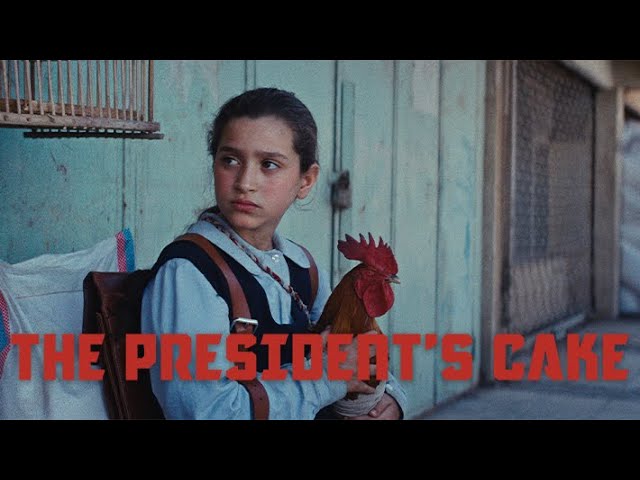
A heartbreaking childhood drama about survival, fear, and innocence under dictatorship
A birthday cake becomes a matter of life and death.
Set in 1990s Iraq during Saddam Hussein’s regime, The President’s Cake follows 9-year-old Lamia, who is forced by her school to bake a cake celebrating the president’s birthday despite her family’s extreme poverty and fear of government punishment. Hasan Hadi blends political realism, childhood innocence, social satire, and emotionally intimate storytelling into a deeply human portrait of survival under authoritarian control. The film explores fear, resilience, friendship, poverty, political oppression, and childhood innocence through Lamia’s emotional and physical journey to gather impossible ingredients for the cake. Its grounded realism and emotionally restrained atmosphere create a heartbreaking yet tender cinematic experience throughout. Ultimately, the movie becomes both a political coming-of-age drama and a reflection on how authoritarian systems distort ordinary childhood experiences into emotional survival tests.
➡️ Implication: Human-centered political dramas increasingly evolve through intimate childhood perspectives and emotional realism.
Why It Is Trending: Strong emotional resonance and global interest in human-centered political storytelling
Audiences increasingly engage with emotionally grounded stories exploring political oppression through ordinary human experiences.
The film gained major attention through its emotionally devastating premise and its portrayal of childhood innocence trapped inside authoritarian systems. Viewers strongly connected with Lamia’s vulnerability, resilience, and emotional determination throughout the story. The movie’s blend of political realism, emotional tenderness, and understated humor also strengthened critical and festival enthusiasm considerably. Online audiences frequently praised the film’s humanity, emotional subtlety, and immersive portrayal of Iraqi life during the 1990s sanctions era.
➡️ Implication: Emotionally intimate political dramas continue attracting audiences through vulnerable and deeply human storytelling.
Elements Driving the Trend: Childhood innocence contrasted with political oppression
The film builds emotional power through ordinary survival struggles shaped by authoritarian fear.
Lamia’s mission to find flour, sugar, and eggs becomes emotionally overwhelming because failure could lead to imprisonment or violence. Themes of friendship and human kindness strengthen the emotional warmth beneath the harsh political reality. The narrative’s restrained realism amplifies emotional immersion and psychological tension considerably. The contrast between childhood innocence and systemic oppression creates powerful emotional resonance throughout the film. Together, these elements create a deeply moving and socially reflective drama experience.
➡️ Implication: Childhood-centered political storytelling increasingly strengthens emotional engagement in prestige cinema.
Virality of Movie (Social Media Coverage): Strong emotional reactions and festival-driven word of mouth
The film generated major online discussion among cinephiles and festival audiences because of its emotional sincerity and heartbreaking premise.
Audiences frequently praised the movie’s emotional authenticity, child performances, and subtle political storytelling. Social-media reactions strongly focused on Lamia’s innocence and the terrifying absurdity of risking punishment over a birthday cake. Many viewers described the film as emotionally devastating yet filled with warmth and humanity. The emotionally restrained storytelling strengthened online recommendation culture and word-of-mouth visibility considerably.
➡️ Implication: Emotionally authentic international dramas increasingly drive strong festival and social-media engagement.
Critics Reception: Widespread acclaim for emotional realism and human storytelling
Critical responses praised the film’s emotional subtlety, performances, and immersive realism.
Reviewers highlighted Baneen Ahmad Nayyef for delivering an emotionally devastating debut performance balancing fear, innocence, resilience, and emotional intelligence. Critics also praised Hasan Hadi for portraying authoritarianism through intimate daily experiences rather than overt political messaging. Many reviews emphasized the film’s cultural authenticity, cinematography, and emotionally restrained storytelling style. The movie’s humanity and emotional sincerity became central to its critical acclaim.
➡️ Implication: Prestige political dramas increasingly succeed through emotional intimacy and grounded realism.
Awards and Recognitions: Major international festival recognition for emotional storytelling and directorial debut
The President’s Cake received extensive international recognition, winning 11 awards and earning 12 nominations across major global festivals. Hasan Hadi won the prestigious Golden Camera and Directors’ Fortnight Audience Award at the Cannes Film Festival. The film also won the Best Directorial Debut award at the Stockholm Film Festival and Audience Awards at the Athens International Film Festival and Santa Fe International Film Festival. Baneen Ahmad Nayyef received special recognition at the Hamptons International Film Festival for her emotionally powerful performance. The movie also earned FIPRESCI, CICAE Jury, and International Ecumenical awards at the CineFest Miskolc International Film Festival. Critics and juries consistently praised the film’s emotional humanity, political subtlety, and deeply immersive realism.
➡️ Implication: Human-centered political dramas increasingly gain global prestige through emotional authenticity and cultural realism.
Director and Cast: A deeply authentic ensemble shaped by innocence, fear, and emotional resilience
Directed by Hasan Hadi, the film prioritizes emotional realism, cultural authenticity, and intimate human storytelling over overt political spectacle.
Baneen Ahmad Nayyef delivers a remarkable debut performance as Lamia, balancing vulnerability, emotional intelligence, fear, and quiet resilience throughout the narrative. Her performance anchors the film emotionally and transforms ordinary childhood experiences into emotionally devastating survival struggles. Waheed Thabet Khreibat strengthens the emotional core as Bibi, bringing warmth, wisdom, and emotional tenderness to the story’s harsh political environment. Sajad Mohamad Qasem adds emotional warmth and youthful innocence through Saeed’s friendship with Lamia. Supporting performances from Muthanna Malaghi and Ahmad Qasem Saywan reinforce the film’s immersive portrait of Iraqi daily life under authoritarian rule. Hadi directs the ensemble with subtle realism and emotional restraint, allowing silence, fear, and small human gestures to carry much of the narrative’s emotional power.
➡️ Implication: Contemporary political childhood dramas increasingly rely on emotionally natural performances and grounded realism.
Conclusion: A heartbreaking childhood drama about survival, dignity, and emotional innocence
The President’s Cake transforms a simple school assignment into a devastating emotional portrait of childhood survival under dictatorship. Its restrained storytelling and emotionally authentic performances create a heartbreaking yet profoundly compassionate viewing experience. Hasan Hadi approaches political oppression through small daily experiences and intimate emotional realism rather than ideological messaging. Baneen Ahmad Nayyef anchors the film through an emotionally unforgettable performance filled with innocence, fear, resilience, and humanity. Its themes of friendship, dignity, poverty, fear, and emotional survival remain culturally universal and socially resonant. Ultimately, the movie becomes both a political coming-of-age drama and a reflection on how authoritarian systems force children to carry emotional burdens far beyond their years.
➡️ Implication: Emotionally authentic childhood political dramas will continue shaping contemporary international prestige cinema.
What Movie Trend Is Followed: Childhood-centered political dramas exploring innocence, survival, and emotional resilience under oppression
The President’s Cake follows the growing trend of emotionally intimate political dramas told through the perspective of children navigating authoritarian systems, poverty, and emotional survival.
Rather than portraying dictatorship through large-scale political conflict, the film focuses on ordinary daily struggles and childhood vulnerability inside oppressive social structures. Similar contemporary prestige dramas increasingly use children’s perspectives to humanize political trauma and systemic injustice through emotionally grounded storytelling. The movie also reflects broader audience interest in overlooked regional histories and human-centered narratives exploring survival through emotional realism rather than ideological spectacle. Its restrained atmosphere and emotionally authentic character interactions strengthen the film’s immersive humanity throughout. This creates a deeply personal and emotionally devastating political-drama experience.
➡️ Implication: Childhood-centered political dramas continue reshaping contemporary prestige and festival cinema.
Trend Drivers: Audience fascination with emotionally intimate survival stories
Audiences increasingly connect with political dramas exploring systemic oppression through ordinary human experiences.
Stories centered on children navigating fear, poverty, and institutional control create deeper emotional immersion than traditional political thrillers alone. Viewers strongly engage with emotionally vulnerable narratives emphasizing resilience, kindness, and emotional dignity within harsh environments. The blending of social realism and childhood innocence also strengthens emotional impact and festival appeal considerably. These emotionally restrained narratives often generate stronger empathy and cultural discussion online.
➡️ Implication: Emotional intimacy increasingly drives modern political-drama storytelling trends.
What Is Influencing Trend: Rise of human-centered political realism
Modern prestige filmmakers increasingly portray political systems through emotionally grounded personal experiences.
Contemporary political dramas now focus heavily on ordinary life, family dynamics, childhood vulnerability, and emotional survival rather than institutional power alone. Films exploring marginalized communities and overlooked histories continue influencing global prestige cinema strongly. Directors increasingly favor restrained realism, natural performances, and immersive social detail over overt political exposition. This storytelling style aligns closely with modern socially conscious cinema trends.
➡️ Implication: Human-centered realism increasingly defines contemporary political coming-of-age cinema.
Macro Trends Influencing: Expansion of socially reflective international cinema
Global audiences increasingly support emotionally authentic stories reflecting social injustice and authoritarian control.
Prestige dramas frequently examine freedom, dignity, poverty, and emotional survival through deeply personal character experiences. These narratives also increasingly prioritize regional authenticity and emotionally immersive realism within political storytelling. Stories about vulnerable children surviving systemic oppression resonate strongly during periods of global instability and humanitarian anxiety. The trend strongly supports socially conscious international cinema globally.
➡️ Implication: Emotionally grounded political storytelling continues expanding within global prestige cinema.
Consumer Trends Influencing: Preference for emotionally sincere and culturally authentic storytelling
Modern audiences increasingly seek films combining emotional intimacy with historical and social realism.
Viewers strongly engage with narratives exploring resilience, humanity, and childhood innocence within difficult political environments realistically. Online communities also amplify emotionally moving dramas centered on vulnerable protagonists and emotionally restrained storytelling. Younger cinephile audiences especially support stories highlighting overlooked histories and emotionally authentic human experiences. These trends strongly support childhood-centered political cinema.
➡️ Implication: Emotionally sincere storytelling increasingly strengthens audience engagement within prestige cinema.
Audience Analysis: Prestige-film audiences drawn to emotionally authentic political childhood dramas
The film mainly appeals to viewers aged 20–65 interested in international cinema, political dramas, childhood coming-of-age stories, and emotionally realistic prestige filmmaking.
These audiences value emotional authenticity, cultural immersion, social realism, and restrained storytelling. Fans of socially conscious festival cinema and human-centered political narratives will strongly connect with the movie’s emotional vulnerability and historical context. International arthouse audiences especially engage with its themes of fear, dignity, friendship, and survival. The film’s emotionally intimate realism strengthens its prestige and emotional resonance considerably.
➡️ Implication: Emotionally grounded childhood political dramas continue attracting global prestige and festival audiences.
Conclusion: A political-drama trend where childhood innocence confronts systemic fear
The trend reflected in The President’s Cake shows how contemporary prestige cinema increasingly transforms political oppression and poverty into emotionally intimate stories about childhood vulnerability, resilience, and emotional survival. These narratives resonate because they prioritize humanity, emotional realism, and personal dignity over ideological spectacle and dramatic political confrontation. Child protagonists create deeper empathy and emotional immersion within modern political storytelling. The rise of emotionally grounded childhood dramas also reflects broader audience interest in overlooked histories, regional authenticity, and socially conscious human storytelling. These projects succeed through vulnerability, restraint, and emotional sincerity. Ultimately, the trend represents a broader movement toward human-centered political cinema shaped by childhood perspectives and emotionally authentic realism.
➡️ Implication: Emotionally authentic childhood political dramas will continue shaping contemporary international prestige cinema.
Final Verdict: A heartbreaking childhood drama about fear, dignity, and survival under authoritarian control
The President’s Cake succeeds because it transforms an ordinary childhood task into a devastating emotional portrait of life under dictatorship. Instead of portraying political oppression through spectacle or violence alone, the film focuses on the emotional terror hidden inside daily survival and ordinary routines. Hasan Hadi creates a deeply human political drama driven by vulnerability, emotional restraint, and culturally immersive realism. The movie’s subtle performances and grounded atmosphere strengthen its emotional power throughout. Its themes of fear, poverty, innocence, friendship, and emotional resilience create a heartbreaking yet compassionate viewing experience. Ultimately, the movie becomes both a political coming-of-age drama and a reflection on how authoritarian systems force children to carry emotional burdens beyond their age.
➡️ Implication: Emotionally authentic political childhood dramas continue redefining contemporary international prestige cinema.
Audience Relevance: Appeals to viewers seeking emotionally intimate and socially conscious storytelling
The film strongly connects with audiences drawn to human-centered political dramas and emotionally grounded realism.
Its themes of survival, dignity, and childhood vulnerability create strong emotional and intellectual engagement. Viewers interested in international prestige cinema and socially reflective storytelling will connect with the movie’s emotional subtlety and authentic atmosphere. The restrained narrative strengthens empathy and emotional immersion considerably. This creates strong festival-cinema and prestige-audience appeal.
➡️ Implication: Human-centered political storytelling continues attracting emotionally engaged global audiences.
What Is the Message of Movie: Childhood innocence cannot fully survive oppressive systems
The film explores how authoritarian environments force children into emotional maturity and survival.
Lamia’s simple mission to bake a cake becomes psychologically overwhelming because ordinary mistakes carry dangerous consequences. The narrative suggests oppressive systems distort childhood itself by replacing innocence with fear and emotional responsibility. Emotional resilience slowly becomes necessary for survival throughout the story. The film ultimately portrays dignity and humanity as acts of quiet resistance against systemic fear.
➡️ Implication: Contemporary political dramas increasingly examine oppression through emotionally intimate childhood experiences.
Relevance to Audience: Reflects global anxieties surrounding authoritarianism and social hardship
The film resonates because its emotional struggles feel universally human despite its historical setting.
Audiences strongly connect with stories exploring poverty, fear, and emotional survival realistically. The narrative also reflects broader anxieties surrounding institutional control, humanitarian hardship, and vulnerable communities navigating unstable systems. Its emotionally restrained storytelling deepens empathy and emotional reflection considerably. This relevance strengthens the movie’s emotional and cultural impact globally.
➡️ Implication: Emotionally grounded political realism continues strengthening global audience engagement.
Social Relevance: A reflection on oppression, poverty, and emotional resilience
The film examines how ordinary people preserve dignity inside systems built on fear and deprivation.
Its portrayal of Iraqi life during sanctions and dictatorship reflects broader social conversations surrounding authoritarianism, economic hardship, and childhood vulnerability. The story also explores how friendship and small acts of kindness become emotional lifelines within oppressive environments. Rather than reducing its characters to political symbols, the film portrays them as emotionally complex human beings struggling to survive daily life. This gives the drama deeper social resonance beneath its historical backdrop.
➡️ Implication: Socially conscious prestige cinema increasingly centers emotional humanity within political storytelling.
Performance: Remarkably natural performances strengthen the film’s emotional realism
The performances reinforce the movie’s emotional intimacy and social authenticity.
Baneen Ahmad Nayyef delivers a heartbreaking debut performance balancing innocence, fear, determination, and emotional maturity as Lamia. Waheed Thabet Khreibat adds warmth and emotional tenderness throughout the harsh political environment. Sajad Mohamad Qasem strengthens the emotional core through youthful sincerity and friendship-driven emotional warmth. Supporting performances from Muthanna Malaghi and Ahmad Qasem Saywan further reinforce the film’s immersive social realism and emotional authenticity.
➡️ Implication: Emotionally natural performances increasingly define prestige childhood political dramas.
Legacy: Part of the rise of emotionally intimate political childhood cinema
The film aligns with the growing expansion of socially conscious childhood-centered storytelling within international prestige cinema.
Its focus on emotional survival, vulnerability, and ordinary life under oppression reflects contemporary audience demand for human-centered political narratives. The project also contributes to the growing visibility of Middle Eastern and Iraqi stories within global festival cinema. Over time, the movie may gain stronger recognition within modern childhood political-drama and international arthouse spaces.
➡️ Implication: Childhood-centered political dramas continue shaping contemporary international prestige storytelling.
Success: Defined by emotional sincerity, festival acclaim, and human realism
The film’s success comes primarily through emotional authenticity and intimate human storytelling.
Audience engagement is driven by the movie’s emotional subtlety, cultural realism, and deeply vulnerable perspective rather than spectacle or political sensationalism. Critics and festival audiences strongly responded to the film’s performances, humanity, and restrained direction. The movie succeeds through vulnerability, realism, and emotional sincerity. Its extensive international festival recognition further strengthened its prestige-cinema reputation considerably.
➡️ Implication: Emotionally grounded political dramas increasingly define prestige within global festival cinema.
Insights: The film transforms political oppression into a deeply intimate exploration of childhood vulnerability, dignity, and emotional survival.Industry Insight: Contemporary prestige political dramas increasingly prioritize emotional realism and ordinary human experiences over ideological spectacle.Audience Insight: Audiences strongly connect with emotionally authentic stories centered on resilience, innocence, and vulnerable human survival.Social Insight: The story reflects anxieties surrounding authoritarianism, poverty, childhood hardship, and emotional endurance within oppressive systems.Cultural Insight: Childhood-centered political dramas continue evolving through emotionally restrained and culturally immersive storytelling.
Conclusion: A devastating childhood drama about fear, innocence, and emotional resilience
The President’s Cake works because it approaches political oppression through emotional intimacy and ordinary human vulnerability rather than dramatic political confrontation. Its restrained storytelling and emotionally authentic performances create a heartbreaking yet profoundly compassionate viewing experience. Hasan Hadi explores dictatorship, poverty, and survival through small daily struggles and emotionally grounded realism. Baneen Ahmad Nayyef anchors the film through an unforgettable performance filled with innocence, fear, and quiet resilience. Its themes of friendship, dignity, survival, and childhood vulnerability remain culturally universal and emotionally devastating. Ultimately, the movie becomes both a political coming-of-age drama and a reflection on how authoritarian systems quietly steal childhood while forcing emotional strength far too early.
➡️ Implication: Emotionally authentic childhood political dramas will continue shaping contemporary global prestige cinema.
Summary of the Movie: A heartbreaking childhood political drama about fear, dignity, and emotional survival
• Movie themes: Childhood innocence, political oppression, poverty, fear, resilience, friendship, dignity, and emotional survival — the film explores how authoritarian systems transform ordinary childhood experiences into psychological survival struggles. ➡️ Implication: Childhood-centered political dramas continue evolving through emotionally intimate and socially conscious storytelling.
• Movie director: Hasan Hadi delivers a restrained and emotionally immersive political drama blending social realism, childhood vulnerability, and deeply human storytelling. ➡️ Implication: Contemporary prestige cinema increasingly prioritizes emotional realism and culturally authentic political storytelling.
• Top casting: Baneen Ahmad Nayyef leads alongside Waheed Thabet Khreibat, Sajad Mohamad Qasem, Muthanna Malaghi, and Ahmad Qasem Saywan. ➡️ Implication: Emotionally natural performances increasingly define prestige childhood political dramas.
• Awards and recognition: Winner of the Golden Camera and Directors’ Fortnight Audience Award at the Cannes Film Festival, alongside multiple international honors including Audience Awards, FIPRESCI Prize, CICAE Jury Prize, and Best Directorial Debut recognition. Baneen Ahmad Nayyef also received special performance recognition at the Hamptons International Film Festival. ➡️ Implication: Human-centered political dramas increasingly gain global prestige through emotional authenticity and intimate realism.
• Why to watch movie: A powerful choice for viewers interested in emotionally grounded political dramas, childhood coming-of-age stories, and socially reflective international cinema. ➡️ Implication: Emotionally sincere storytelling continues attracting global festival and prestige-film audiences.
• Key success factors: Emotional realism, culturally immersive atmosphere, restrained storytelling, vulnerable child performances, political subtlety, and deeply human emotional intimacy. ➡️ Implication: Emotional sincerity increasingly strengthens prestige political storytelling.
• Where to watch: Released internationally through festival and theatrical distribution beginning in 2025. ➡️ Implication: International prestige cinema continues expanding through emotionally authentic political storytelling.
Conclusion: A devastatingly human political drama about innocence, fear, and emotional resilience
The President’s Cake transforms a simple childhood responsibility into a heartbreaking exploration of survival under authoritarian control. Its emotionally restrained storytelling and deeply authentic performances create a compassionate and emotionally unforgettable viewing experience. Hasan Hadi approaches dictatorship and poverty through intimate human realism rather than political spectacle or dramatic ideology. Baneen Ahmad Nayyef anchors the film through a remarkable performance balancing innocence, fear, vulnerability, and emotional resilience. Its themes of dignity, friendship, survival, and childhood vulnerability remain universally powerful and socially resonant. Ultimately, the movie becomes both a political coming-of-age drama and a reflection on how authoritarian systems quietly force children to grow emotionally far too early. ➡️ Implication: Emotionally authentic childhood political dramas will continue shaping contemporary global prestige cinema.






Leave a Reply