
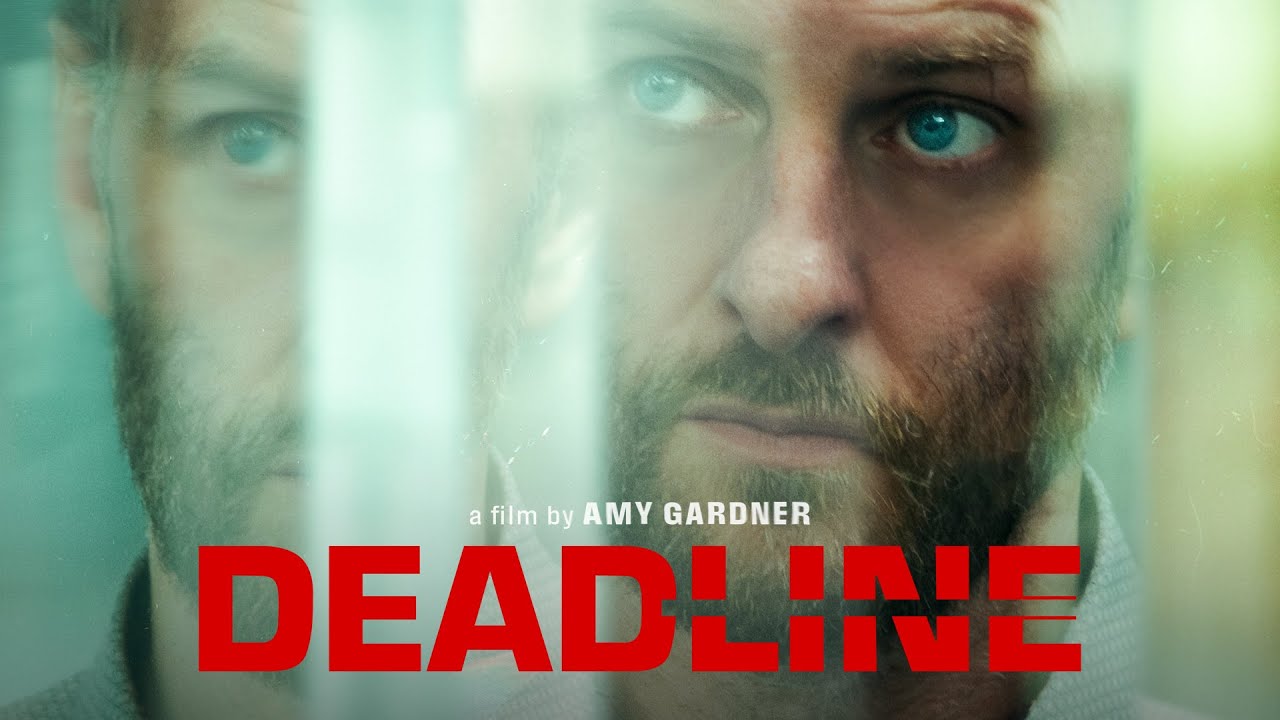
A Suspense Thriller About Debt, Desperation, And A Race Against Time
A man burdened by severe debt has only one day to repay what he owes, unaware that failure could cost him far more than money.
Deadline is a British short thriller that follows a man facing overwhelming financial pressure as he races against a ticking clock to settle his debts. What initially appears to be a financial problem gradually evolves into a far more dangerous situation, with potentially fatal consequences. Written and directed by Amy Gardner, the film uses a simple but effective premise to create tension and urgency. By focusing on one critical day, the story explores fear, desperation, and the consequences of financial decisions. The result is a compact thriller built around suspense and uncertainty.
➡️ Implication: Short thrillers continue finding effectiveness through simple premises with high emotional stakes.
Why It Is Trending: High-Concept Short Thrillers Continue Attracting Audiences
Deadline draws attention because of its straightforward but compelling premise. Stories built around ticking clocks, impossible choices, and escalating consequences remain popular because they create immediate tension. The film’s focus on debt and financial pressure also gives the narrative contemporary relevance. Audiences quickly understand the protagonist’s situation, allowing suspense to build rapidly. This accessibility helps make the concept appealing despite its short runtime.
➡️ Implication: High-concept storytelling remains one of the most effective approaches within short-form cinema.
Elements Driving the Trend: Financial Pressure And Survival Stakes
The film explores debt, fear, survival, desperation, risk, and personal accountability. The protagonist’s financial crisis creates both practical and psychological pressure as time runs out. By combining economic hardship with physical danger, the story raises the stakes beyond a typical debt narrative. This blend of realism and thriller tension creates a compelling dramatic framework. The result is a narrative driven by urgency and consequence.
➡️ Implication: Modern thrillers increasingly combine everyday anxieties with high-stakes suspense.
Virality of Movie: Relatable Financial Anxiety Creates Interest
Many viewers can relate to concerns surrounding debt, financial insecurity, and pressure. While Deadline amplifies these fears into a thriller scenario, its foundation remains recognizable. The concept of a looming deadline resonates because it reflects real-world stress experienced by many people. This relatability helps strengthen audience engagement. The short runtime also makes the film accessible to online and festival audiences.
➡️ Implication: Thrillers often gain traction when they build suspense from universally understood fears.
Critics Reception: Efficient Storytelling Drives The Experience
As an independent short film, Deadline has generated attention primarily through its premise, performances, and concise storytelling. Critics and viewers have highlighted the film’s ability to establish tension quickly within a limited runtime. The story’s effectiveness comes from maintaining suspense and focusing tightly on the protagonist’s situation. Rather than relying on elaborate plot complexity, the film emphasizes atmosphere and urgency. This allows the concept to remain accessible and engaging.
➡️ Implication: Strong execution remains more important than scale in successful short-form thrillers.
Awards and Recognitions: Independent Exposure Is Building Awareness
At present, Deadline has not received major festival or industry award recognition listed on IMDb. The film’s visibility comes primarily through independent-film exposure, online promotion, and audience interest in suspense-driven short films. As a recent release, its recognition may continue developing through festival screenings and short-film showcases.
➡️ Implication: Independent short films often build recognition gradually through niche audiences and festival exposure.
Director and Cast: Performances Support The Film’s Suspense
Amy Gardner writes and directs the project, creating a focused thriller built around a simple but effective premise. The cast includes Ed Speleers, Steven Cree, Billy Sewell, Hersha Verity, and Dan Lam. Their performances help maintain tension and support the film’s sense of urgency throughout its short runtime.
➡️ Implication: Short thrillers rely heavily on focused performances to sustain suspense and emotional investment.
Conclusion: Short Thrillers Continue Thriving Through Simplicity And Tension
Deadline demonstrates how a straightforward premise can generate strong suspense when combined with clear stakes and emotional urgency. The film uses debt and financial pressure as the foundation for a thriller about survival and consequence. Its compact storytelling structure allows tension to develop quickly while keeping audiences engaged. Modern viewers continue responding to thrillers rooted in relatable fears and high-stakes decisions. The film succeeds because it understands the power of simplicity and urgency. Ultimately, Deadline represents the ongoing popularity of short-form thrillers built around pressure, consequence, and the race against time.
➡️ Implication: The future of short thriller filmmaking will continue favoring focused concepts, emotional immediacy, and high-stakes storytelling.
What Movie Trend Is Followed: Short thrillers are turning everyday anxieties into high-stakes suspense
Deadline follows the growing trend of short-form thrillers that transform familiar real-world pressures into life-or-death situations. Contemporary thriller filmmakers increasingly use everyday fears—such as debt, financial insecurity, and personal responsibility—as the foundation for suspense. Rather than relying on large-scale action or complex conspiracies, these films focus on ordinary individuals trapped in extraordinary circumstances. Deadline embraces this approach through its ticking-clock narrative and escalating consequences. As a result, the film fits strongly within the modern wave of grounded psychological and survival thrillers.
➡️ Implication: Audiences increasingly connect with thrillers rooted in realistic fears and recognizable life pressures.
Trend Drivers: Financial Anxiety Continues Influencing Storytelling
One major driver behind this trend is the growing visibility of economic stress and financial uncertainty in everyday life. Debt, rising costs, and economic instability have become common experiences for many people. Thrillers increasingly use these concerns because they immediately create tension and emotional investment. Deadline turns a financial obligation into the engine of its suspense. This allows audiences to connect with the protagonist’s situation before the larger danger emerges.
➡️ Implication: Economic realities continue providing fertile ground for contemporary thriller storytelling.
What Is Influencing Trend: Simplicity Creates Stronger Suspense
Modern short films often rely on simple, high-concept ideas rather than complicated plots. Audiences quickly understand the situation, allowing filmmakers to focus on tension and character reactions. Deadline uses a straightforward premise—a man has one day to pay a debt—but gradually increases the stakes. This economy of storytelling is particularly effective within short-form cinema. The simplicity becomes part of the film’s strength.
➡️ Implication: High-concept simplicity remains one of the most powerful tools in short-film storytelling.
Macro Trends Influencing: Time-Limit Narratives Remain Popular
Across film and television, audiences continue responding to stories built around deadlines, countdowns, and limited windows of opportunity. These structures naturally generate urgency and keep viewers engaged. Deadline follows this tradition by using a single day as its narrative framework. Every decision becomes more important because time is constantly running out. This creates momentum even within a short runtime.
➡️ Implication: Countdown-driven storytelling remains one of the most effective suspense-building techniques.
Consumer Trends Influencing: Viewers Want Fast-Paced Entertainment
Modern audiences increasingly consume shorter forms of content while still expecting strong emotional engagement. Short thrillers meet this demand by delivering suspense quickly and efficiently. Deadline benefits from this trend because its concept immediately communicates the stakes. The audience can engage with the story without requiring extensive setup. This makes the film well-suited to contemporary viewing habits.
➡️ Implication: Concise storytelling continues becoming more valuable within the digital entertainment landscape.
Audience Analysis: Thriller Fans And Short-Film Viewers Drive Interest
The film primarily appeals to thriller enthusiasts, independent-film audiences, and viewers who enjoy suspense-driven narratives. Fans of ticking-clock thrillers and psychological survival stories are especially likely to connect with its premise. Viewers interested in short-form storytelling may also appreciate its focused structure and efficient pacing. The universal fear of financial failure broadens the film’s accessibility. This helps the concept resonate beyond traditional genre audiences.
➡️ Implication: High-stakes thrillers continue attracting audiences through relatable fears and escalating tension.
Conclusion: Everyday Fears Are Becoming Modern Thriller Fuel
Deadline reflects the continued evolution of contemporary thrillers toward stories rooted in ordinary anxieties and realistic pressures. The film transforms debt and financial desperation into a suspense-driven narrative about survival and consequence. Its simple premise, ticking-clock structure, and emotional immediacy align with broader trends within short-form filmmaking. Modern audiences increasingly value thrillers that feel plausible and personally relevant. The movie succeeds because it uses familiar fears to create suspense without unnecessary complexity. Ultimately, Deadline represents the growing rise of grounded thrillers built around pressure, urgency, and the consequences of failure.
➡️ Implication: The future of short-form thrillers will increasingly focus on realistic fears, simple concepts, and emotionally immediate stakes.
Final Verdict: A compact thriller that turns financial desperation into a race against death
Deadline succeeds as a tense short thriller that demonstrates how a simple premise can generate compelling suspense. By focusing on a man struggling with severe debt and a rapidly approaching deadline, the film transforms an everyday financial problem into a high-stakes survival scenario. Writer-director Amy Gardner keeps the story focused and efficient, allowing tension to build quickly without unnecessary distractions. The film’s short runtime works to its advantage by maintaining urgency from beginning to end. Through its relatable premise and escalating danger, Deadline delivers an effective thriller experience despite its modest scale. Ultimately, the film proves that strong suspense often comes from pressure, consequence, and time itself.
➡️ Implication: Short thrillers continue thriving when they combine relatable fears with focused storytelling.
Audience Relevance: Financial Pressure Is A Universal Fear
The film feels relevant because debt and financial stress affect millions of people worldwide. While Deadline takes the situation to an extreme, the underlying anxiety remains recognizable. Many viewers understand the fear of running out of options while facing mounting obligations. This emotional familiarity helps create immediate audience investment. The thriller elements become more effective because they are rooted in a believable concern.
➡️ Implication: Stories grounded in real-life pressures often create stronger emotional engagement.
What Is The Message Of Movie: Consequences Often Arrive Faster Than Expected
One of the film’s central messages is that avoiding problems does not make them disappear. The protagonist’s financial situation eventually forces him into a confrontation with reality. Through its suspenseful framework, the story highlights how choices and responsibilities can accumulate over time. The film also explores the dangers of underestimating consequences. Beneath the thriller mechanics lies a cautionary tale about accountability and urgency.
➡️ Implication: Thrillers frequently use extreme situations to explore everyday responsibilities and decisions.
Relevance To Audience: Short-Form Storytelling Continues Growing
Modern audiences increasingly consume short-form entertainment across digital platforms and festivals. Deadline aligns with this trend by delivering a complete suspense narrative within a compact runtime. Viewers can quickly engage with the premise and remain invested throughout the story. The film demonstrates that suspense does not require feature-length storytelling to be effective. This makes it particularly relevant within today’s content landscape.
➡️ Implication: Efficient storytelling continues becoming a valuable skill in contemporary filmmaking.
Social Relevance: Economic Stress Remains A Powerful Storytelling Theme
The film reflects broader concerns surrounding debt, financial insecurity, and economic vulnerability. While presented through a thriller lens, the underlying issue remains socially relevant. Audiences increasingly recognize financial pressure as a source of emotional and psychological strain. By incorporating these realities into suspense storytelling, Deadline connects genre entertainment with contemporary concerns. This helps give the film additional relevance.
➡️ Implication: Economic anxiety continues influencing both dramatic and genre storytelling.
Performance: Focused Cast Supports The Film’s Suspense
Ed Speleers and Steven Cree anchor the film’s tension through performances that emphasize urgency and emotional pressure. Supporting appearances from Billy Sewell, Hersha Verity, and Dan Lam help create the world surrounding the protagonist’s crisis. Because the story relies heavily on atmosphere and tension, performance becomes a critical component of its effectiveness. The cast helps maintain audience engagement throughout the short runtime.
➡️ Implication: Strong performances remain essential for creating suspense in minimalist thrillers.
Legacy: An Example Of Effective Independent Thriller Storytelling
Deadline contributes to the growing landscape of independent short films that prioritize concept and execution over scale. The film demonstrates how suspense can emerge from a simple setup when supported by clear stakes and focused storytelling. Its use of debt and financial pressure reflects broader trends toward grounded thriller narratives. While modest in scope, it showcases the strengths of short-form filmmaking. The project serves as an example of how independent creators can build tension through efficiency rather than spectacle.
➡️ Implication: Independent thrillers continue proving that compelling concepts can outweigh large production budgets.
Success: Concept And Accessibility Drive Engagement
The film’s primary strength lies in its easily understood premise and immediate tension. Audiences quickly grasp the stakes, allowing suspense to develop without extensive exposition. Its short runtime also increases accessibility for festival viewers and online audiences. While it has not yet received major awards recognition, its concept-driven approach helps it stand out within independent short-film circles. The film’s effectiveness comes from clarity and execution rather than complexity.
➡️ Implication: Strong concepts remain one of the most reliable foundations for successful short films.
Insights: Deadline transforms financial anxiety into a suspense-driven story about consequences, urgency, and survival. Industry Insight: Short thrillers increasingly rely on simple high-concept premises to capture audience attention quickly. Audience Insight: Viewers strongly engage with stories built around realistic fears and relatable pressures. Social Insight: Debt and economic insecurity remain powerful contemporary concerns that translate effectively into suspense narratives. Cultural Insight: Modern audiences continue embracing compact, high-stakes stories that deliver emotional impact efficiently.
Conclusion: A tense reminder that time can be the greatest threat
Deadline captures the continuing effectiveness of short-form thriller storytelling built around urgency and consequence. Through a simple premise involving debt and a ticking clock, the film creates suspense that feels both immediate and relatable. Its grounded approach allows audiences to connect emotionally before the larger danger emerges. Modern viewers increasingly appreciate stories that deliver tension quickly while remaining rooted in recognizable realities. Supported by focused performances and efficient storytelling, the film succeeds as a compact suspense experience. Ultimately, Deadline represents the growing rise of realistic thrillers centered on pressure, accountability, and the race against time.
➡️ Implication: The future of short thriller filmmaking will continue emphasizing simplicity, urgency, and emotionally relatable stakes.
Summary of the Movie: A suspenseful short thriller about debt, consequences, and a race against time
• Movie themes: Debt, financial pressure, survival, accountability, desperation, fear, urgency, and personal responsibility drive the film’s suspenseful narrative.➡️ Implication: The movie reflects growing audience interest in thrillers that transform everyday anxieties into high-stakes drama.
• Movie director: Amy Gardner writes and directs the film, using a focused and efficient storytelling approach to maximize tension within a short runtime.➡️ Implication: Independent filmmakers continue demonstrating how strong concepts can create compelling suspense without large-scale production.
• Top casting: Ed Speleers and Steven Cree lead the film, supported by Billy Sewell, Hersha Verity, and Dan Lam. Their performances help sustain the urgency and emotional tension central to the story.➡️ Implication: Performance-driven storytelling remains crucial for effective short-form suspense.
• Awards and recognition: As of now, Deadline has not received major awards or festival recognition listed on IMDb. The film’s visibility has primarily come through independent-film exposure, online promotion, and audience interest in suspense-driven short films.➡️ Implication: Independent short films often build audiences gradually through niche communities and festival circuits.
• Why to watch movie: The film offers a compelling high-concept premise, strong suspense, relatable financial fears, efficient storytelling, and a tense race-against-time narrative.➡️ Implication: The movie is ideal for viewers who enjoy compact thrillers built around urgency and escalating stakes.
• Key success factors: A simple but effective premise, ticking-clock structure, relatable real-world anxiety, focused direction, concise runtime, and strong suspense help the film stand out.➡️ Implication: High-concept ideas remain one of the most reliable foundations for successful short-form thrillers.
• Where to watch: Deadline was released in the United States on August 16, 2024. Availability depends on festival screenings, independent-film showcases, and digital distribution platforms.➡️ Implication: Independent short films increasingly reach audiences through online and festival-based distribution channels.
Conclusion: A focused thriller that proves simplicity can create powerful suspense
Deadline succeeds as an effective short thriller by turning a familiar financial problem into a tense story of survival and consequence. Through its ticking-clock structure and relatable premise, the film quickly establishes emotional investment and maintains suspense throughout its runtime. Its focus on debt and accountability gives the narrative contemporary relevance while supporting the thriller mechanics. Modern audiences increasingly appreciate concise stories that deliver strong emotional impact without unnecessary complexity. Supported by focused performances and efficient storytelling, the movie demonstrates the strengths of independent short filmmaking. Deadline ultimately represents the continuing popularity of grounded thrillers built around urgency, pressure, and the consequences of running out of time.
➡️ Implication: The future of short-form thrillers will continue emphasizing relatable fears, strong concepts, and emotionally immediate storytelling.






Leave a Reply