
A Political Coming-of-Age Drama About Loyalty, Identity, and Moral Awakening
A teenager’s world begins to collapse when he realizes that the person he loves most may be connected to the very system he is learning to question.
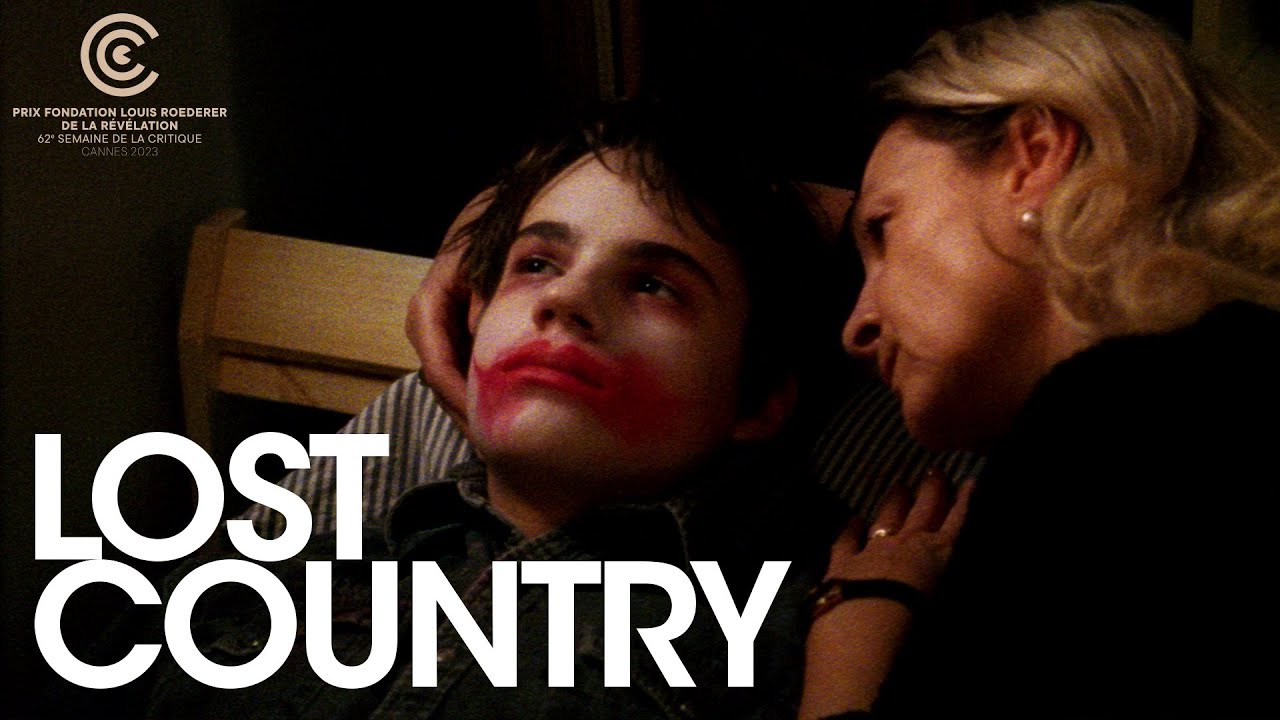
Lost Country (Izgubljena zemlja) is a political coming-of-age drama set during the turbulent aftermath of the 1996–97 student protests in Serbia. The film follows 15-year-old Stefan, a quiet and introspective teenager whose mother is a spokesperson for the ruling government. As political unrest intensifies around him, Stefan faces an impossible emotional conflict: reconciling his love for his mother with the growing realization that she may be complicit in a regime accused of corruption and repression. Directed by Vladimir Perišić and co-written with Alice Winocour, the film combines personal drama with political history, exploring themes of family loyalty, guilt, identity, authority, adolescence, and moral responsibility. Through Stefan’s internal struggle, the narrative examines how political systems shape personal relationships. Rather than presenting politics through ideology alone, the film explores its emotional consequences within a family. Ultimately, Lost Country becomes a story about growing up, questioning authority, and discovering one’s own moral compass.
➡️ Implication: Contemporary political dramas increasingly explore major historical events through intimate personal relationships.
Why It Is Trending: Political history told through a deeply personal family conflict
Lost Country attracted international attention because it transforms a specific moment in Serbian political history into a universal coming-of-age story.
Audiences and critics have responded to the film’s exploration of how political systems affect ordinary families and personal identities. Rather than focusing on large-scale political events alone, the story examines the emotional burden carried by a teenager caught between loyalty to family and growing awareness of injustice. The film’s themes of truth, complicity, and moral responsibility resonate beyond its historical setting. Festival audiences in particular embraced its nuanced approach to political storytelling. By focusing on personal experiences rather than political rhetoric, the film achieved broad international relevance.
➡️ Implication: Political films increasingly resonate when they prioritize human stories over ideological debates.
Elements Driving the Trend: Family loyalty, political awakening, and moral conflict
Several elements contribute to the film’s critical and festival success.
• Coming-of-age perspective: Political events are viewed through the eyes of a teenager confronting difficult truths.
• Mother-son relationship: The emotional conflict between Stefan and his mother provides the story’s central tension.
• Historical authenticity: The film draws inspiration from real political events in Serbia during the 1990s.
• Moral ambiguity: Characters are portrayed with complexity rather than simple political labels.
• Personalized politics: Large social issues become emotionally accessible through family dynamics.
These elements create a film that feels both historically specific and universally relatable.
➡️ Implication: Audiences increasingly connect with political dramas that emphasize emotional complexity and personal stakes.
Virality of Movie: Festival audiences embraced its emotional and political depth
The film generated attention primarily through the international festival circuit and arthouse audiences.
Discussions surrounding Lost Country often focused on its portrayal of political complicity, intergenerational conflict, and adolescent identity formation. Critics and festival viewers highlighted the film’s nuanced examination of how political systems influence family relationships. The lead performance from Jovan Ginić also became a frequent topic of praise following its festival screenings. While not a mainstream commercial phenomenon, the film built strong visibility within international cinema circles.
➡️ Implication: Festival-driven dramas increasingly build cultural influence through critical discussion and word-of-mouth appreciation.
Critics Reception: Praised for its political insight and powerful central performances
Critical reception was largely positive, particularly among festival and arthouse reviewers.
Many critics praised Vladimir Perišić for creating a political drama that remains emotionally grounded and character-focused. The performances of Jovan Ginić and Jasna Đuričić received widespread acclaim, with reviewers highlighting the complexity of their mother-son relationship. Critics also praised the film’s cinematography, atmosphere, and historical authenticity. Many reviews described it as a thoughtful exploration of political responsibility and personal identity. Its strongest praise centered on its ability to balance intimate family drama with broader political themes.
➡️ Implication: Political cinema often achieves greater impact when personal stories remain central to larger historical narratives.
Awards and Recognitions: Major festival recognition for a politically powerful coming-of-age drama
Lost Country earned 5 wins and 10 nominations across major international film festivals.
Its most prestigious recognition came at the Cannes Film Festival, where Jovan Ginić won the Louis Roederer Foundation Rising Star Award, while the film was nominated for the Critics’ Week Grand Prize. The film also won Best Actor for Ginić at the Sarajevo Film Festival and Best Screenplay at the Mostra de València-Cinema del Mediterrani for Vladimir Perišić and Alice Winocour. Additional nominations came from the Chicago International Film Festival, Jerusalem Film Festival, and Athens International Film Festival. These honors established the film as one of the most acclaimed Balkan productions of the year.
➡️ Implication: International festivals continue rewarding politically engaged films that combine historical insight with strong emotional storytelling.
What Movie Trend Is Followed: Political coming-of-age stories that explore history through personal identity crises
Lost Country follows the growing trend of political coming-of-age dramas that examine major historical events through the experiences of young protagonists.
Rather than focusing on politicians, institutions, or large-scale political strategy, these films explore how political systems shape individual lives and personal relationships. Similar to works such as The Lives of Others and Persepolis, Lost Country uses adolescence as a lens through which audiences can experience broader social and political tensions. Stefan’s journey is not simply about politics but about identity formation, moral awakening, and learning to question authority. The film demonstrates how historical events often become most meaningful when experienced through intimate human stories. This approach has become increasingly popular in international arthouse cinema.
➡️ Implication: Audiences increasingly engage with political stories when they are grounded in personal emotional experiences.
Trend Drivers: Young protagonists navigating morally complex worlds
Contemporary political dramas increasingly focus on younger characters experiencing ideological awakening.
A coming-of-age perspective allows filmmakers to introduce complex political realities through discovery and uncertainty rather than certainty and expertise. In Lost Country, Stefan’s confusion and emotional conflict mirror the audience’s gradual understanding of the political environment around him. This perspective creates empathy while avoiding simplistic political conclusions. The result is a more emotionally accessible form of political storytelling.
➡️ Implication: Coming-of-age narratives remain effective vehicles for exploring difficult political and social themes.
What Is Influencing Trend: Re-examining national history through personal memory
Many contemporary filmmakers are revisiting important historical periods through intimate family narratives.
Rather than creating traditional historical epics, directors increasingly focus on how major events affected ordinary households and personal relationships. Lost Country reflects this movement by exploring Serbia’s political turmoil through a mother-son relationship. Personal memory becomes a gateway into collective history. This approach helps audiences connect emotionally with events they may know little about.
➡️ Implication: Personal memory has become a powerful storytelling tool for reinterpreting historical events.
Macro Trends Influencing: Global interest in political accountability and institutional trust
Questions surrounding authority, political responsibility, and public trust have become increasingly prominent worldwide.
Across many countries, audiences are examining how political systems influence everyday life and individual decision-making. Films exploring corruption, complicity, civic responsibility, and institutional power continue attracting critical attention. Lost Country reflects these broader concerns through Stefan’s struggle to understand his mother’s role within the political establishment. The film’s themes extend beyond Serbia and resonate internationally.
➡️ Implication: Stories about political accountability increasingly connect with global audiences facing similar societal questions.
Consumer Trends Influencing: Demand for nuanced political storytelling
Modern audiences often prefer complexity over simplistic political narratives.
Rather than presenting clear heroes and villains, many successful political dramas embrace ambiguity and emotional contradiction. Lost Country avoids easy judgments and instead explores how individuals become connected to larger systems of power. This nuanced approach encourages reflection rather than advocacy. Viewers increasingly appreciate stories that trust them to draw their own conclusions.
➡️ Implication: Nuanced storytelling is becoming a key expectation within contemporary political cinema.
Audience Analysis: Arthouse viewers, political-history enthusiasts, and festival audiences
The film primarily appeals to international arthouse audiences and viewers interested in political history.
Festival audiences are likely to appreciate its nuanced exploration of morality and power. Viewers interested in Balkan history may find value in its portrayal of Serbia during a pivotal political period. At the same time, audiences drawn to family dramas and coming-of-age stories can connect with Stefan’s emotional journey regardless of historical knowledge. The film’s strongest appeal lies in its ability to balance political context with universal human experiences.
➡️ Implication: Political dramas achieve broader reach when historical specificity is paired with universal emotional themes.
Conclusion: A political-cinema trend where personal relationships reveal historical truths
The trend reflected in Lost Country demonstrates how contemporary political cinema increasingly prioritizes personal experience over ideological argument. These films succeed because they reveal how large historical forces shape intimate relationships and individual identities. By focusing on family dynamics, moral conflict, and personal growth, they make complex political subjects emotionally accessible. The growing popularity of this approach reflects audience demand for more human-centered political storytelling. Such narratives encourage reflection rather than polarization. Ultimately, Lost Country represents a broader movement toward political cinema that explores history through the emotional realities of everyday life.
➡️ Implication: The future of political arthouse cinema may increasingly focus on personal stories as the most effective way to understand historical and social change.
Final Verdict: A powerful coming-of-age drama about political awakening and the painful cost of moral clarity
Lost Country succeeds because it transforms a complex political moment into a deeply personal emotional journey. Rather than focusing on protests, elections, or political leaders alone, the film explores how systems of power affect family relationships and personal identity. Director Vladimir Perišić crafts a restrained and thoughtful narrative that prioritizes emotional truth over political spectacle. Through Stefan’s perspective, the audience experiences the confusion, fear, and heartbreak that accompany moral awakening. The film’s greatest achievement lies in its ability to make historical events feel intimate and emotionally immediate. Ultimately, Lost Country becomes both a political drama and a universal story about growing up and learning to live with uncomfortable truths.
➡️ Implication: The most effective political films often focus on personal consequences rather than ideological arguments.
Audience Relevance: Speaks to anyone questioning authority and inherited beliefs
The film resonates because it explores a universal experience: discovering that people we admire may not be who we believed them to be.
Many viewers can relate to moments when personal values begin to conflict with family expectations, cultural norms, or institutional authority. Stefan’s journey reflects the difficult process of developing an independent moral identity. Although rooted in Serbian history, the emotional conflict feels universal. This broad relatability helps the film connect with international audiences.
➡️ Implication: Stories about personal moral growth often transcend their specific political and historical settings.
What Is the Message of Movie: Growing up means learning to confront uncomfortable truths
At its core, the film examines the emotional cost of moral awareness.
Stefan’s struggle is not simply political; it is deeply personal. As he learns more about the world around him, he must confront the possibility that someone he loves may be connected to actions he cannot accept. The film suggests that maturity often involves questioning authority, accepting complexity, and recognizing that good people can participate in flawed systems. This message gives the story lasting emotional power.
➡️ Implication: Coming-of-age stories increasingly explore ethical awakening alongside personal development.
Relevance to Audience: A reminder that politics often begins at home
The film demonstrates how political realities can shape everyday family life.
Rather than presenting politics as something distant or abstract, Lost Country shows how public events influence personal relationships. The conflict between Stefan and his mother illustrates how ideology, loyalty, and responsibility can become intertwined within families. This dynamic remains relevant across cultures and generations. The story encourages audiences to reflect on the relationship between private life and public systems.
➡️ Implication: Political cinema resonates most strongly when audiences can recognize its themes within their own lives.
Social Relevance: Examining complicity, responsibility, and civic awareness
The film raises important questions about individual responsibility within larger political systems.
Through Stefan’s perspective, audiences are encouraged to consider how ordinary people interact with structures of power. The narrative avoids simplistic answers and instead explores the complexities of loyalty, silence, and accountability. These themes remain relevant in societies around the world. The film’s social significance comes from its willingness to engage with difficult questions rather than provide easy conclusions.
➡️ Implication: Contemporary political dramas increasingly focus on moral responsibility rather than partisan positions.
Performance: Jovan Ginić delivers an exceptional breakthrough performance
The emotional success of Lost Country rests heavily on the performance of Jovan Ginić.
His portrayal of Stefan captures the uncertainty, vulnerability, and emotional confusion of adolescence with remarkable authenticity. Ginić’s understated performance allows audiences to experience the character’s internal conflict without excessive dramatization. Equally impressive is Jasna Đuričić, whose portrayal of Stefan’s mother brings complexity and emotional depth to a challenging role. Together, they create one of the most compelling parent-child relationships in recent European cinema.
➡️ Implication: Strong character performances remain essential for transforming political narratives into emotionally engaging stories.
Legacy: Positioned as an important contemporary Balkan political drama
Lost Country joins a tradition of films that examine national history through personal experience.
Its festival success and international recognition have established it as one of the most significant Balkan productions of recent years. The film contributes to ongoing conversations about memory, political responsibility, and generational identity. Its nuanced storytelling ensures that it remains relevant beyond its specific historical setting. Over time, it may be remembered as one of the defining political coming-of-age films of its era.
➡️ Implication: Personal political dramas often achieve lasting influence when they balance historical specificity with universal themes.
Success: Built on festival acclaim, critical recognition, and strong performances
The film’s success comes primarily through critical and festival recognition.
Its awards trajectory includes the Louis Roederer Foundation Rising Star Award at the Cannes Film Festival and Best Actor at the Sarajevo Film Festival for Jovan Ginić. Additional recognition for screenplay and direction further strengthened its reputation within international arthouse cinema. These honors reflect appreciation for the film’s emotional depth, historical insight, and artistic restraint.
➡️ Implication: Festival recognition continues playing a vital role in elevating politically engaged international cinema.
Insights: Lost Country explores how political realities shape personal identity, family relationships, and moral development. Industry Insight: Contemporary political cinema increasingly relies on intimate human stories rather than large-scale historical spectacle. Consumer Insight: Audiences connect more deeply with political narratives when they are experienced through relatable emotional journeys. Social Insight: The film highlights how systems of power influence ordinary lives and personal relationships. Cultural/Brand Insight: Balkan cinema continues gaining international recognition through emotionally grounded and historically reflective storytelling. Final Insight: Lost Country demonstrates that the most painful part of growing up is sometimes realizing that truth and loyalty do not always coexist comfortably.
Conclusion: A thoughtful political drama about identity, family, and moral courage
Lost Country transforms a specific chapter of Serbian history into a universally relatable story about adolescence, loyalty, and ethical awakening. Through sensitive direction, powerful performances, and emotionally nuanced storytelling, Vladimir Perišić creates a film that resonates far beyond its historical setting. The relationship between Stefan and his mother provides a deeply human entry point into larger questions about power and responsibility. Its critical acclaim and festival success reflect the strength of its artistic vision. By focusing on personal consequences rather than political rhetoric, the film achieves lasting emotional impact. Ultimately, Lost Country stands as a compelling exploration of what happens when a young person begins to see the world—and the people they love—with new eyes.
Summary of the Movie: A coming-of-age political drama about family loyalty, moral responsibility, and personal awakening
• Movie themes: Political identity, family loyalty, adolescence, moral responsibility, complicity, social unrest, truth, power, civic awareness, personal growth, and generational conflict. The film follows Stefan as he struggles to reconcile his love for his mother with his growing awareness of her role within a controversial political system.
➡️ Implication: Political dramas increasingly explore historical events through intimate family relationships rather than institutional narratives.
• Movie director: Vladimir Perišić directs the film with a restrained and emotionally intelligent approach, focusing on personal experiences during a period of political upheaval. Together with co-writer Alice Winocour, he creates a story that balances historical context with universal emotional themes.
➡️ Implication: Contemporary arthouse cinema increasingly combines political history with character-driven storytelling.
• Top casting: Jovan Ginić stars as Stefan in a breakthrough performance, supported by Jasna Đuričić as his mother Marklena and Miodrag Jovanović as Milan. The emotional tension between Stefan and his mother becomes the foundation of the film’s dramatic power.
➡️ Implication: Strong family-centered performances continue driving the emotional success of political dramas.
• Awards and recognition: Lost Country earned 5 wins and 10 nominations. Its most important recognition came at the Cannes Film Festival, where Jovan Ginić won the Louis Roederer Foundation Rising Star Award, while the film received a nomination for the Critics’ Week Grand Prize. Additional major awards include Best Actor at the Sarajevo Film Festival and Best Screenplay at the Mostra de València-Cinema del Mediterrani. The film also earned nominations at the Chicago International Film Festival, Jerusalem Film Festival, and the Lumiere Awards.
➡️ Implication: International festivals continue recognizing politically engaged films that combine historical reflection with emotional storytelling.
• Why to watch movie: Recommended for viewers interested in political dramas, European cinema, coming-of-age stories, historical films, family conflict narratives, and socially conscious arthouse filmmaking. The film offers both emotional depth and political insight without relying on simplistic conclusions.
➡️ Implication: Audiences increasingly appreciate films that challenge them intellectually while remaining emotionally accessible.
• Key success factors: Exceptional lead performance, nuanced political storytelling, historical authenticity, strong screenplay, emotional complexity, festival acclaim, powerful mother-son dynamic, and universal themes of identity and responsibility.
➡️ Implication: Political cinema achieves greater impact when historical context supports strong character development.
• Where to watch: Released in 2023. A co-production involving Serbia, France, Croatia, Luxembourg, and other European partners. Original language: Serbian.
➡️ Implication: International co-productions continue strengthening the global reach of regional political stories.
Conclusion: A moving exploration of how history, politics, and family shape personal identity
Lost Country succeeds because it approaches politics through the lens of human relationships. Rather than focusing on ideology, the film examines how political realities affect family bonds, personal beliefs, and the difficult process of growing up. Through an outstanding performance by Jovan Ginić and thoughtful direction from Vladimir Perišić, the story captures the emotional complexity of questioning authority while maintaining love for those closest to us. Its festival success reflects the universal appeal of its themes despite its specific historical setting. By balancing personal drama with political reflection, the film achieves both emotional and intellectual resonance. Ultimately, Lost Country stands as one of the most thoughtful and compelling European political coming-of-age dramas of recent years.
➡️ Implication: The strongest political films often endure because they explore universal human conflicts rather than temporary political debates.






Leave a Reply