
A Playful Historical Documentary Reexamines Fascism, Memory, And A City’s Identity
More than a century after the Italian occupation of the city of Rijeka—known to Italians as Fiume—the residents themselves return to one of Europe’s strangest historical episodes. Through reenactments, archival photographs, humor, and community participation, ordinary citizens reconstruct the 16-month occupation led by the poet, nationalist, and proto-fascist Gabriele D’Annunzio, transforming forgotten history into an urgent conversation about the present.
Blending documentary, historical reconstruction, political satire, and experimental filmmaking, Fiume o Morte! explores collective memory, nationalism, identity, and the lasting consequences of authoritarian ideology. Rather than presenting history as a fixed record, the film invites today’s citizens to actively reinterpret the past through performance and public participation.
Why This Film Is Worth Discovering: History Becomes A Living Conversation About Today’s Europe
Director Igor Bezinović reinvents the historical documentary by placing the people of Rijeka at the center of their own history. Combining documentary interviews, playful reenactments, archival material, and contemporary political reflection, Fiume o Morte! transforms an overlooked historical event into an entertaining, accessible, and remarkably timely examination of nationalism and democracy.
Why It Stands Out: A Documentary That Invites An Entire City To Perform Its Own History
-
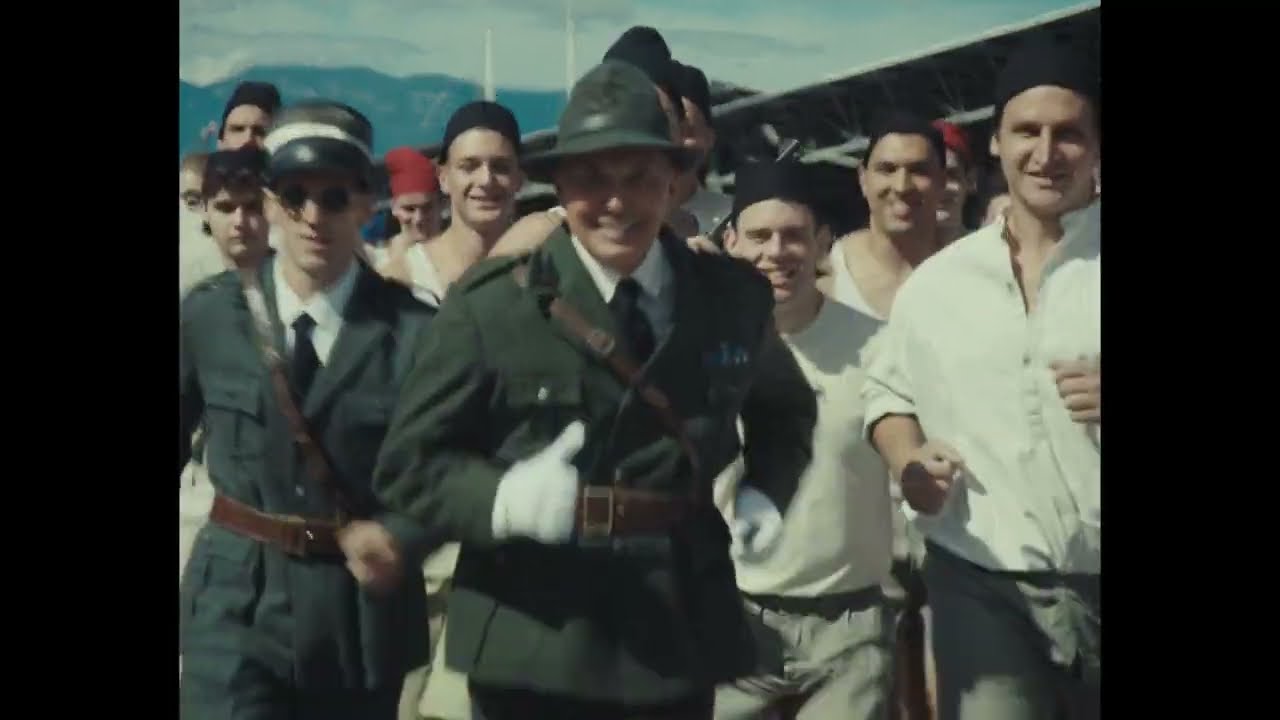
Citizens Become The Cast: Rather than relying on professional actors, residents of Rijeka reenact the city’s extraordinary history themselves. The community becomes both storyteller and protagonist, creating an unusually authentic historical perspective.
-
History Meets Playful Storytelling: Documentary footage, archival photographs, humor, and theatrical recreations work together to make complex political history highly engaging. Its inventive style makes history accessible without sacrificing intellectual depth.
-
A Timely Reflection On Nationalism: The film revisits the rise of early fascist ideas while encouraging audiences to recognize similar political patterns in today’s world. Its historical story speaks directly to contemporary democratic challenges.
-
A City Takes Ownership Of Its Past: Rather than focusing exclusively on Gabriele D’Annunzio, the documentary celebrates the people, culture, and identity of modern Rijeka. The city itself becomes the film’s true central character.
-
Award-Winning Documentary Innovation: Through its bold combination of experimentation and accessibility, Fiume o Morte! has become one of the year’s most internationally celebrated documentaries. Its creative approach has earned widespread critical and festival recognition.
Fiume o Morte! offers audiences an entertaining and thought-provoking documentary that transforms local history into a universally relevant story about democracy, memory, identity, and the importance of confronting the past.
What Is The Film About?: A Forgotten Historical Episode Returns To Life
More than one hundred years after Gabriele D’Annunzio occupied the city of Fiume (today’s Rijeka), local residents gather to reconstruct, reinterpret, and sometimes humorously reenact this remarkable chapter of European history. Combining documentary interviews, archival material, and staged performances, the film examines how memories of nationalism, war, and political extremism continue shaping modern society.
Featuring the citizens of Rijeka alongside archival historical figures, the documentary blends history, political commentary, documentary filmmaking, and experimental storytelling while exploring nationalism, identity, democracy, fascism, collective memory, civic participation, and historical responsibility.
Should You Watch It?: An Entertaining Documentary That Makes History Feel Urgently Relevant
Recommended For: Movie Audiences Who Enjoy Innovative Documentaries
-
Fans Of Historical Documentaries: The film presents a fascinating but little-known chapter of European history. Its creative storytelling makes complex events remarkably engaging.
-
Viewers Interested In Politics And Society: The documentary explores how nationalism and authoritarian ideas continue influencing contemporary Europe. Its historical perspective feels strikingly relevant today.
-
Fans Of Experimental Nonfiction Cinema: Documentary interviews, archival material, and playful reenactments create an original cinematic experience. Its innovative structure distinguishes it from conventional historical documentaries.
-
Audiences Interested In European History: The occupation of Fiume offers insight into the political forces that helped shape twentieth-century Europe. Its local story carries international significance.
-
Documentary Enthusiasts: Igor Bezinović combines intellectual rigor with humor, accessibility, and emotional warmth. The result is both educational and highly entertaining.
May Not Appeal To: Viewers Seeking Traditional Historical Narratives
-
Fans Of Conventional Documentaries: The film deliberately mixes documentary, performance, satire, and experimentation. Its playful approach challenges traditional historical filmmaking.
-
Viewers Expecting A Linear Biography: Although Gabriele D’Annunzio plays a central role, the documentary ultimately focuses more on the city and its people than on the historical figure himself. Its broader perspective gives the story greater contemporary relevance.
Overall, Fiume o Morte! is highly recommended for audiences who appreciate innovative documentaries, European history, political cinema, and creative nonfiction that transforms historical events into compelling reflections on today’s world.
Why Everyone Is Talking About It: Historical Documentaries Are Becoming More Creative And More Political
Fiume o Morte! reflects a growing movement in documentary filmmaking that transforms history from a collection of archived facts into an active public conversation. Rather than relying on expert interviews and chronological narration, the film invites ordinary citizens to perform, reinterpret, and question their own history, creating a dynamic dialogue between past and present.
The documentary also arrives at a moment when Europe and many other parts of the world are confronting renewed debates about nationalism, historical memory, and democratic values. By revisiting one of the earliest political experiments that anticipated fascism, Fiume o Morte! demonstrates how history remains deeply relevant to understanding today’s political landscape.
Audience & Critical Reception: Critics Celebrate Its Inventive Storytelling And Contemporary Relevance
Fiume o Morte! has become one of the most acclaimed documentaries of the year, earning an 85 Metascore, enthusiastic audience responses, and widespread critical praise for its inventive storytelling, sharp political insight, and playful use of reenactment. Reviewers have highlighted its ability to make a little-known historical episode accessible, entertaining, and strikingly relevant to contemporary audiences.
Its strongest appeal is likely to be among viewers who enjoy innovative documentaries, political history, European cinema, and nonfiction films that combine education with creativity and humor.
Recognition Highlights: One Of The Year’s Most Awarded Documentaries
-
European Film Awards (2026): Fiume o Morte! won the European Film Award for Best European Documentary and also received a nomination for Best European Film. The recognition established the film among the continent’s most celebrated cinematic achievements.
-
International Film Festival Rotterdam (2025): The documentary won both the prestigious Tiger Award and the FIPRESCI Prize. Jurors praised its playful use of reenactment, innovative structure, and powerful examination of nationalism and contemporary European politics.
-
Croatian National Recognition: The film won multiple awards at the Days of Croatian Film and the Pula Film Festival, including Best Director, Audience Award, Best Production, and several craft awards. Its domestic success confirmed its cultural importance within Croatian cinema.
-
Worldwide Festival Success: With 31 international awards and 6 nominations, including victories at Golden Apricot, CinEast, Innsbruck, Vukovar, Salem Film Fest, UnderhillFest, DOKUDOC, and many others, the documentary became one of the most decorated nonfiction films of the year. Its remarkable festival journey reflects exceptional international critical recognition.
Standout Element: A City Recreates Its Own History
Rather than simply explaining historical events, Fiume o Morte! invites the people of Rijeka to become active participants in remembering them.
-
Citizens Become Historians: Local residents step into historical roles, transforming public spaces into living history. Community participation creates an unusually personal connection with the past.
-
Archival Images Come Back To Life: Thousands of historical photographs are combined with playful modern reenactments. The dialogue between archive and present creates a highly original documentary style.
-
Humor Strengthens Political Reflection: Comedy becomes a tool for examining serious historical themes without diminishing their importance. The film proves that entertainment and historical analysis can successfully coexist.
-
The Past Feels Uncomfortably Present: The rise of nationalism is presented not as distant history but as an ongoing democratic challenge. Its contemporary relevance gives the documentary lasting significance.
Why This Film Matters: Documentary Cinema Continues Reinventing Historical Storytelling
Fiume o Morte! demonstrates how contemporary documentaries increasingly move beyond traditional educational formats to create emotionally engaging, visually inventive, and politically relevant cinematic experiences. By combining community participation, humor, archival research, and historical reenactment, the film shows that nonfiction cinema can both entertain and challenge audiences.
The documentary also reminds viewers that understanding history is not simply about preserving the past—it is about recognizing how historical ideas continue influencing today’s political and cultural realities.
Entertainment Signal: Creative Historical Documentaries Continue Reaching Wider Audiences
Historical documentaries are increasingly adopting cinematic storytelling techniques, theatrical reenactments, and experimental structures that make complex historical subjects more engaging for mainstream audiences. Rather than speaking only to history enthusiasts, today’s nonfiction films increasingly attract broader audiences by combining education, creativity, and emotional storytelling.
Fiume o Morte! exemplifies this evolution, demonstrating how innovative documentary filmmaking can transform local history into a universally relevant and internationally celebrated cinematic experience.
Industry Opportunities: Creative Documentaries Continue Redefining Historical Storytelling
For Filmmakers: History Can Be Reimagined Through Creative Participation
Fiume o Morte! demonstrates that historical documentaries no longer need to rely solely on interviews and archival footage. By inviting local citizens to reenact their own history, the film creates an emotionally engaging and highly original viewing experience. Participatory filmmaking continues opening new creative possibilities for documentary cinema.
For Producers & Distributors: Innovative Documentaries Are Finding Global Audiences
Creative nonfiction films that combine history, humor, and contemporary political relevance continue performing strongly across international festivals and specialty distribution. Fiume o Morte! proves that documentaries with distinctive storytelling can travel successfully beyond their country of origin. Original approaches to historical subjects remain highly attractive within the international documentary market.
For Streaming Platforms: Award-Winning Documentaries Build Prestige Libraries
Global audiences increasingly seek documentaries that offer both entertainment and meaningful insight into contemporary social and political issues. Festival-winning nonfiction films help streaming platforms expand their premium documentary catalogues while attracting viewers interested in world history, politics, and culture. Prestige documentaries continue becoming valuable long-term streaming assets.
Future Outlook: Documentary Filmmaking Will Continue Blending History With Contemporary Reflection
As societies continue debating nationalism, democracy, and collective memory, documentary filmmakers are likely to increasingly connect historical events with present-day challenges. Future nonfiction cinema will continue experimenting with reenactments, public participation, hybrid storytelling, and archival innovation to make history more engaging and relevant for modern audiences.
Films like Fiume o Morte! suggest that the future of historical documentaries lies not simply in preserving the past, but in encouraging audiences to actively question how history continues shaping the present.
Final Verdict: One Of The Year’s Most Inventive Historical Documentaries
Fiume o Morte! transforms a little-known chapter of European history into a vibrant, entertaining, and deeply relevant cinematic experience. Igor Bezinović combines meticulous historical research, playful reenactments, community participation, and political reflection to create a documentary that is both intellectually stimulating and remarkably accessible.
For movie audiences, it offers an engaging journey through history that feels surprisingly contemporary. For filmmakers, producers, distributors, festival programmers, and entertainment professionals, it demonstrates how documentary cinema continues evolving through creative storytelling, civic participation, and bold artistic experimentation.
Summary Of The Movie: A City Reclaims Its History Through Cinema
-
Movie Themes: History, nationalism, democracy, collective memory, identity, fascism, civic participation, political responsibility, and historical reflection shape the documentary. Together they create a timely examination of how the past continues influencing contemporary society.
-
Top Participants: The citizens of Rijeka (Fiume) become the documentary’s central performers alongside archival representations of Gabriele D’Annunzio and other historical figures. The community itself becomes the film’s true protagonist.
-
Awards & Recognition: Fiume o Morte! earned an extraordinary 31 international awards and 6 nominations, including the European Film Award for Best European Documentary, the Tiger Award and FIPRESCI Prize at the International Film Festival Rotterdam, multiple Golden Arena awards at Pula Film Festival, the Golden Apricot, and numerous audience, jury, and documentary prizes worldwide. Its exceptional festival success establishes it as one of the most celebrated documentary films of 2025–2026.
-
Standout Element: By inviting an entire city to reenact its own past, the documentary transforms historical memory into an active public performance. Its playful reconstruction of history creates one of the most original documentary concepts in recent years.
-
Entertainment Signal: Contemporary documentaries increasingly combine archival research, experimental storytelling, community participation, and political reflection to reach wider audiences. Creative historical nonfiction continues becoming one of world cinema’s most innovative genres.
-
Why Watch This Movie: Viewers interested in history, politics, European cinema, award-winning documentaries, and inventive nonfiction storytelling will discover one of the year’s most acclaimed documentary achievements. Its combination of humor, historical insight, and cinematic originality makes it essential viewing far beyond documentary audiences.
-
Where To Watch: Following its acclaimed international festival run, Fiume o Morte! premiered theatrically across several European territories beginning in 2025–2026 and is expected to continue expanding through arthouse cinemas, documentary festivals, premium VOD platforms, and streaming services specializing in international and documentary cinema.





Leave a Reply