
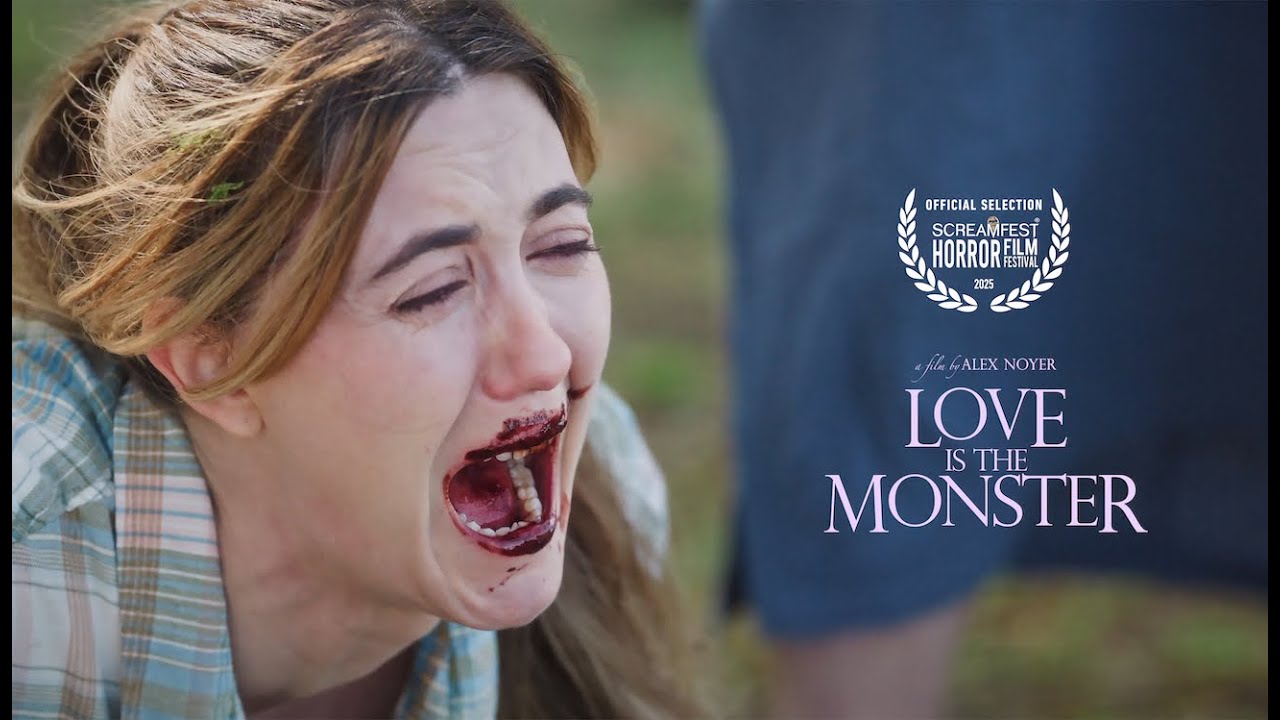
A Folk Horror Nightmare Where Love Becomes A Supernatural Curse
A struggling couple travels to an isolated relationship retreat in Finland hoping to repair their fractured marriage through an unconventional therapy program. Instead of finding healing, they discover that the retreat is controlled by followers of an ancient pagan deity whose rituals transform love into obsession, sacrifice, and supernatural horror. As mysterious ceremonies intensify and trust between the couples begins to crumble, survival becomes more important than reconciliation.
Blending folk horror, psychological thriller, supernatural mythology, and relationship drama, Love Is the Monster explores toxic relationships, emotional vulnerability, manipulation, cult psychology, ancient folklore, and the dangerous obsession with perfect love. Inspired by Finnish mythology, the film introduces the ancient deity Lempo, transforming romantic desire into a terrifying supernatural force.
Why This Film Is Worth Discovering: Folk Horror Meets Relationship Drama
Director Alex Noyer combines psychological relationship drama with Nordic folk horror, creating a story that slowly evolves from couples therapy into a nightmare rooted in ancient mythology. Rather than relying on immediate scares, Love Is the Monster builds suspense through emotional manipulation, ritualistic ceremonies, unsettling atmosphere, and the gradual realization that the retreat itself serves a far darker purpose.
Why It Stands Out: Ancient Mythology Turns Romance Into Terror
-
A Couples Retreat Hides A Deadly Secret: What appears to be an exclusive relationship therapy program gradually reveals itself as a cult devoted to an ancient pagan deity. The contrast between emotional healing and supernatural horror creates the film’s central tension.
-
Finnish Mythology Brings Fresh Horror Lore: The story draws inspiration from Lempo, a deity associated with love and fertility in Finnish mythology and referenced in The Kalevala. Using lesser-known mythology gives the film a distinctive identity within contemporary folk horror.
-
Psychological And Supernatural Horror Intertwine: As relationships deteriorate, the line between emotional manipulation and supernatural influence becomes increasingly blurred. The horror grows as much from broken trust as from ancient evil.
-
Atmosphere Drives The Fear: Remote forests, lakes, communal rituals, and isolated retreat settings create a persistent feeling of unease. The Nordic landscape becomes an active participant in the unfolding nightmare.
-
A Strong Ensemble Anchors The Story: Madeline Zima, Leonardo Nam, Moe Jeudy-Lamour, Kimberly-Sue Murray, Kristina Tonteri-Young, and Sheila McCarthy bring emotional credibility to characters whose personal struggles become increasingly terrifying. Their performances help balance relationship drama with supernatural suspense.
Love Is the Monster offers audiences an atmospheric folk horror experience that blends mythology, psychological tension, and relationship drama into an unsettling exploration of how love itself can become something monstrous.
What Is The Film About?: Love Becomes The Ultimate Sacrifice
Hoping to save their failing relationship, a troubled couple joins an exclusive couples retreat deep in Finland. But as strange rituals, increasingly disturbing therapy sessions, and bizarre cult traditions unfold, they realize the retreat’s true purpose is not emotional healing but preparing a human vessel for Lempo, an ancient deity whose influence transforms love into obsession, possession, and sacrifice.
Starring Madeline Zima, Leonardo Nam, Moe Jeudy-Lamour, Kimberly-Sue Murray, Kristina Tonteri-Young, and Sheila McCarthy, the film combines folk horror, supernatural thriller, mythology, and psychological suspense while exploring toxic relationships, trust, manipulation, obsession, mythology, identity, and survival.
Should You Watch It?: A Disturbing Folk Horror Experience For Genre Fans
Recommended For: Audiences Who Enjoy Atmospheric Horror
-
Fans Of Folk Horror: Ancient mythology, pagan rituals, isolated landscapes, and cult traditions place the film firmly within the growing folk horror genre. Its mythology-driven approach offers something different from conventional supernatural films.
-
Viewers Who Enjoy Slow-Burn Suspense: Rather than relying on constant scares, the story gradually builds dread through atmosphere, mystery, and psychological manipulation. Its deliberate pacing rewards patient horror fans.
-
Fans Of Mythology-Based Horror: Finnish folklore provides a fresh supernatural foundation rarely explored in mainstream horror cinema. The mythology adds originality and cultural depth to the story.
-
Audiences Who Enjoy Psychological Horror: Emotional vulnerability and damaged relationships become as frightening as the supernatural threat itself. The film treats love and trust as psychological battlegrounds.
-
Fans Of Character-Driven Supernatural Thrillers: The emotional dynamics between couples remain central throughout the escalating horror. Personal relationships give the supernatural story genuine emotional stakes.
May Not Appeal To: Viewers Looking For Fast-Paced Horror
-
Fans Of Constant Jump Scares: The film prioritizes atmosphere, psychological tension, and mythology over relentless scares. Its horror emerges gradually through mood and ritual rather than nonstop shocks.
-
Viewers Seeking Traditional Monster Horror: While supernatural elements become increasingly important, much of the film focuses on emotional conflict, cult psychology, and slow-building dread. Its emphasis remains on psychological unease rather than creature-driven horror.
Overall, Love Is the Monster is recommended for audiences who enjoy atmospheric folk horror, mythology-inspired supernatural thrillers, and psychological horror that transforms human relationships into the foundation of its terror.
Why Everyone Is Talking About It: Folk Horror Continues Evolving Through Ancient Mythology
Love Is the Monster arrives at a time when folk horror has become one of the genre’s fastest-growing subgenres, with audiences increasingly drawn to stories rooted in regional folklore, pagan traditions, and psychological dread rather than conventional supernatural creatures. By centering its narrative on Lempo, a little-known deity from Finnish mythology, the film introduces fresh mythological material while combining it with the familiar setting of a modern relationship retreat.
The film also taps into another growing horror trend: transforming places associated with healing and self-improvement into spaces of terror. Wellness retreats, therapy programs, and isolated communities have become increasingly common settings for contemporary horror, reflecting modern anxieties about trust, emotional vulnerability, and charismatic authority.
Audience & Critical Reception: Atmospheric Horror Divides Genre Fans
Love Is the Monster has received mixed reactions from audiences and critics. Supporters have praised its unsettling atmosphere, Nordic folk horror aesthetic, mythology-driven premise, and gradual escalation from relationship drama into supernatural terror. Many viewers have also highlighted the film’s distinctive setting and its willingness to draw from Finnish folklore rather than more familiar horror mythology.
Other viewers have criticized its deliberate pacing and limited number of traditional scares, arguing that the film spends more time developing its psychological and relationship themes than delivering conventional horror thrills. Despite these differing reactions, many agree that the mythology and cult-centered narrative give the film a unique identity within contemporary horror.
Its strongest appeal is likely to be among audiences who appreciate slow-burning folk horror, mythology-inspired supernatural thrillers, and psychologically driven genre cinema.
Recognition Highlights: Expanding Modern Folk Horror Through Finnish Mythology
-
A Rare Exploration Of Finnish Folklore: Rather than drawing from familiar Western horror mythology, the film introduces Lempo, an ancient Finnish deity associated with love and fertility. This unusual mythological foundation helps distinguish the film from many contemporary supernatural thrillers.
-
Alex Noyer Continues Exploring Psychological Genre Storytelling: Director Alex Noyer blends emotional drama with supernatural horror, emphasizing atmosphere and psychological tension over conventional genre spectacle. His approach reflects the growing popularity of elevated horror storytelling.
-
A Strong Ensemble Cast: Madeline Zima, Leonardo Nam, Moe Jeudy-Lamour, Kimberly-Sue Murray, and Kristina Tonteri-Young deliver performances that ground the supernatural elements in believable emotional conflict. Their relationships provide the foundation for the film’s escalating horror.
-
Wellness Culture Meets Horror: By placing a supernatural cult inside a relationship retreat, the film transforms a familiar self-improvement environment into a source of fear. The setting reflects modern horror’s growing fascination with corrupted spaces of healing and trust.
Standout Element: Love Itself Becomes The Source Of Terror
Rather than portraying romance as protection against evil, Love Is the Monster presents love as the very force ancient supernatural powers seek to exploit.
-
Healing Masks Manipulation: Couples initially believe they are attending therapy designed to strengthen their relationships. The retreat slowly reveals itself as a carefully constructed trap.
-
Ancient Rituals Replace Modern Therapy: Relationship exercises gradually transform into pagan ceremonies with increasingly sinister intentions. The transition from emotional healing to ritual sacrifice drives the story’s suspense.
-
Isolation Amplifies Fear: The remote Finnish setting leaves characters physically and emotionally cut off from the outside world. The landscape reinforces the feeling that escape may be impossible.
-
Psychological Horror Comes Before Supernatural Horror: Emotional insecurity, broken trust, and manipulation gradually prepare both the characters and audience for the film’s darker mythological revelations. Its horror grows from human vulnerability as much as supernatural forces.
Why This Film Matters: Horror Continues Mining Global Folklore For New Stories
Love Is the Monster reflects the growing internationalization of horror, where filmmakers increasingly draw inspiration from regional myths, legends, and cultural traditions to create fresh supernatural worlds. As audiences become more familiar with folklore-based horror, lesser-known mythologies provide opportunities for original storytelling beyond familiar vampires, ghosts, and demons.
The film also illustrates how modern horror continues blending emotional realism with supernatural terror, allowing relationship struggles and psychological vulnerability to become central elements of genre storytelling.
Entertainment Signal: Folk Horror Remains One Of The Genre’s Fastest-Growing Movements
Folk horror continues expanding by combining regional mythology, isolated landscapes, cult psychology, and psychological trauma into stories that feel both timeless and contemporary. Rather than relying solely on monsters or jump scares, many modern horror films now build dread through ancient belief systems colliding with present-day anxieties.
Love Is the Monster reflects this evolution, demonstrating how mythology-driven horror continues finding fresh creative possibilities by transforming love, healing, and emotional intimacy into sources of supernatural fear.
Industry Opportunities: Folk Horror Continues Expanding Through Cultural Mythology
For Filmmakers: Regional Folklore Offers Fresh Horror Universes
Love Is the Monster demonstrates how underexplored mythology can provide compelling alternatives to familiar horror icons. By drawing on Finnish folklore and the ancient deity Lempo, the film introduces audiences to a supernatural mythology rarely depicted on screen. As global audiences seek original horror experiences, regional legends and cultural traditions are becoming valuable creative resources for filmmakers.
For Producers & Distributors: Elevated Folk Horror Remains A Strong Genre Investment
Horror continues to be one of the most commercially reliable genres, and mythology-driven psychological horror has become one of its fastest-growing segments. Films that combine relationship drama, cult narratives, and supernatural folklore appeal to both mainstream horror audiences and fans of more atmospheric, auteur-driven cinema. Folk horror increasingly offers producers opportunities to balance modest production budgets with internationally marketable concepts.
For Streaming Platforms: Mythology-Based Horror Builds Long-Term Discovery
Atmospheric horror films rooted in distinctive folklore often enjoy sustained interest after release because audiences actively seek original mythology, hidden symbolism, and cultural references. Their discussion-friendly narratives also encourage online analysis and repeat viewing. Streaming platforms continue benefiting from genre titles that combine recognizable horror conventions with unique cultural identities.
Future Outlook: Horror Will Continue Looking To Global Mythologies
As audiences become increasingly familiar with traditional horror creatures and supernatural formulas, filmmakers are exploring lesser-known mythologies from around the world to create fresh genre experiences. Nordic folklore, East Asian legends, African spiritual traditions, Indigenous mythology, and Eastern European folklore are all becoming fertile ground for contemporary horror storytelling.
Films like Love Is the Monster suggest that the next generation of supernatural horror will increasingly merge authentic cultural mythology with modern fears surrounding relationships, identity, isolation, and psychological vulnerability.
Final Verdict: An Atmospheric Folk Horror Story That Reimagines Love As A Supernatural Threat
Love Is the Monster combines relationship drama, psychological suspense, and Finnish mythology into a slow-burning folk horror experience that values atmosphere and emotional tension over conventional scares. Alex Noyer transforms an intimate story about troubled relationships into a supernatural nightmare where ancient beliefs and modern emotional struggles collide.
For movie audiences, it offers an unsettling mythology-driven horror experience with distinctive cultural influences and psychological depth. For filmmakers, producers, distributors, streaming platforms, and entertainment professionals, it reflects the growing commercial and creative momentum behind folklore-inspired horror that blends authentic mythology with contemporary emotional themes.
Summary Of The Movie: A Couples Retreat Descends Into Ancient Horror
-
Movie Themes: Love, obsession, trust, manipulation, cult psychology, mythology, sacrifice, relationships, emotional vulnerability, and survival shape the narrative. Together they create a folk horror story where romance becomes the gateway to supernatural terror.
-
Top Cast: Madeline Zima, Leonardo Nam, Moe Jeudy-Lamour, Kimberly-Sue Murray, Kristina Tonteri-Young, and Sheila McCarthy lead an ensemble that grounds the supernatural premise in believable emotional conflict. Their performances strengthen both the relationship drama and escalating horror.
-
Standout Element: By introducing Lempo, a deity from Finnish mythology, the film expands modern folk horror beyond familiar supernatural traditions. Its mythology gives the story a distinctive identity rarely seen in contemporary horror cinema.
-
Entertainment Signal: Modern horror increasingly draws upon regional folklore, pagan traditions, wellness culture, and psychological vulnerability to create fresh supernatural narratives. Mythology-driven folk horror continues emerging as one of the genre’s most innovative creative directions.
-
Why Watch This Movie: Fans of Midsommar-style folk horror, psychological suspense, cult mysteries, and mythology-inspired supernatural thrillers will appreciate Love Is the Monster. Its combination of unsettling atmosphere, emotional storytelling, and ancient folklore offers a distinctive alternative to conventional horror films.
-
Where To Watch: Following its June 2026 release, Love Is the Monster is expected to expand across premium video-on-demand platforms, digital retailers, and specialty horror streaming services, making it accessible to audiences seeking contemporary folk horror.



Leave a Reply