
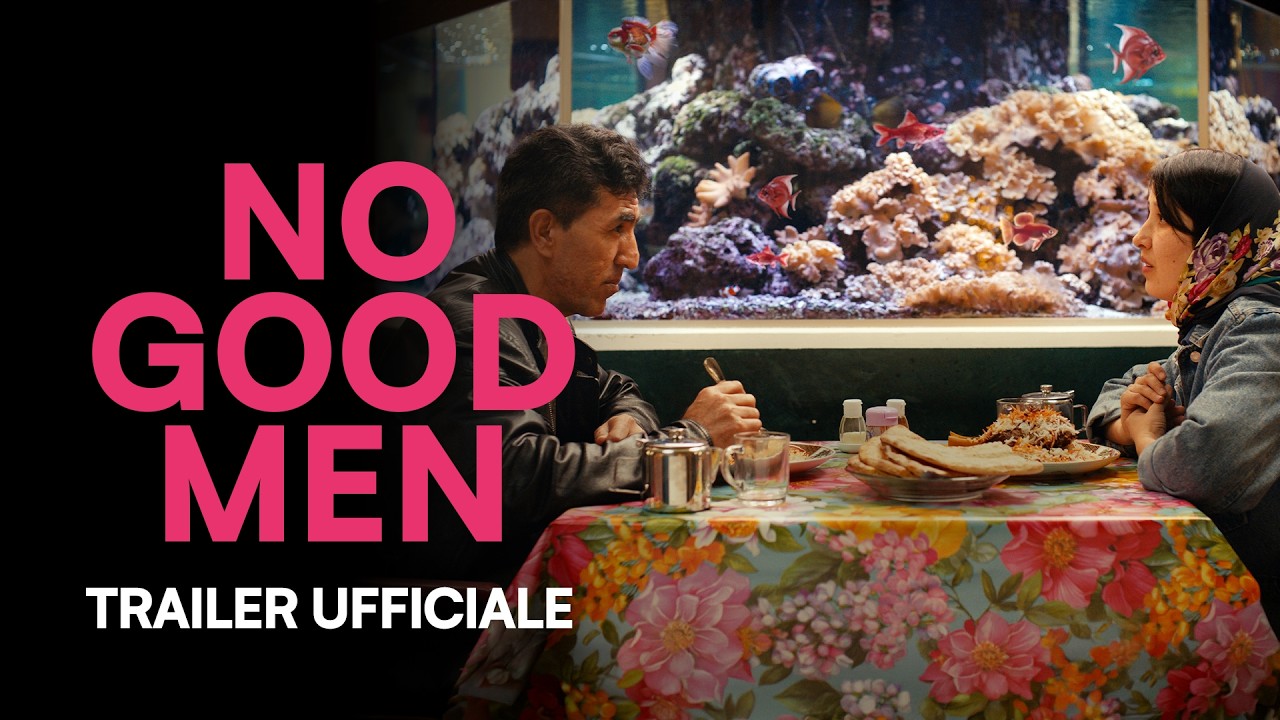
A Romantic Drama About Love, Journalism, and Women’s Fight for Freedom in Afghanistan
Blending romance, comedy, and social drama, No Good Men follows a young television camerawoman whose painful experiences with marriage leave her convinced that trustworthy men no longer exist. Set against the final months before the Taliban’s return to power, the film explores love, motherhood, and personal resilience while portraying the everyday realities faced by Afghan women during one of the country’s most turbulent periods.
The Big Picture: An Intimate Love Story Set Against a Nation’s Collapse
No Good Men is a deeply personal romantic drama that intertwines an intimate story of love and self-discovery with the dramatic political transformation of Afghanistan. Written and directed by acclaimed Afghan filmmaker Shahrbanoo Sadat, the film follows Naru, a young television camerawoman raising her three-year-old son after separating from her unfaithful husband. Living with her parents in Kabul, Naru faces the constant fear of losing custody of her child under Afghan law while struggling to rebuild her life and career. After an unexpected on-air confrontation with her former husband, she is reassigned from a cooking program to the newsroom, where she develops an unlikely relationship with an older journalist whose kindness challenges everything she believes about men. As their romance unfolds, the rapidly changing political situation threatens not only their future together but also the freedoms that Afghan women have fought to achieve. Combining humor, romance, and social realism, No Good Men offers an emotionally rich portrait of ordinary lives caught in extraordinary historical events.
➡️ Implication: No Good Men demonstrates how personal stories can illuminate major historical events through authentic human experiences. By combining romance with social realism, the film offers a deeply emotional perspective on the challenges faced by Afghan women during a defining moment in modern history.
Quick Facts
|
Biography, Comedy, Romance |
|
|
Denmark, France, Norway, Germany, Afghanistan |
|
|
Dari, Arabic, Pashtu, English, German |
|
|
Shahrbanoo Sadat, Anwar Hashimi, Liam Hussaini |
|
|
Official Selection nominee at the Berlin International Film Festival |
|
|
Fans of socially conscious dramas, international cinema, political romances, and character-driven stories inspired by real events |
|
|
Released theatrically in Italy. |
What This Story Is Really About: Hope, Love, and Survival in Extraordinary Times
Although No Good Men unfolds as a romantic drama, its deeper story examines resilience, trust, and the difficult choices faced by women living under restrictive social and political systems. Naru’s struggle extends beyond finding love after betrayal; she must also protect her young son, preserve her independence, and pursue meaningful work as her country rapidly changes around her. Through her relationship with fellow journalist Qodrat, the film questions whether hope and compassion can survive in a society increasingly shaped by fear and uncertainty. Rather than portraying Afghanistan only through conflict, Shahrbanoo Sadat focuses on ordinary people navigating love, family, humor, and ambition while confronting forces far beyond their control, creating an emotionally layered portrait of courage and perseverance.
➡️ Implication: No Good Men reminds audiences that history is often experienced through deeply personal relationships rather than political events alone. Its emotionally grounded storytelling transforms a national crisis into a universal reflection on resilience, love, and human dignity.
Why This Film Is Worth Discovering: A Rare Afghan Perspective Told with Humanity and Humor
One of No Good Men‘s greatest strengths is its ability to balance romance, humor, and social commentary without losing sight of its deeply human characters. Drawing on her own experiences, Shahrbanoo Sadat presents contemporary Afghanistan through the everyday lives of journalists, parents, and ordinary citizens instead of focusing solely on conflict. The film’s newsroom setting, naturalistic performances, and understated storytelling create an authentic sense of place while allowing larger political events to emerge organically through the characters’ personal lives. By combining intimate emotional storytelling with timely social themes, No Good Men offers an insightful and compassionate portrait of a society standing on the edge of profound change.
➡️ Implication: No Good Men proves that the most powerful political films are often those that remain focused on individual human experiences. Its combination of romance, humor, and social realism offers a fresh and deeply personal perspective on contemporary Afghanistan.
Should You Watch It?: A Compelling Choice for Fans of Human Stories Set Against Historical Change
Best Suited For: Viewers Who Enjoy Character-Driven International Dramas
-
Fans of socially conscious dramas inspired by real events.
-
Viewers interested in stories about women’s resilience and personal freedom.
-
Audiences who appreciate romance blended with political and historical context.
-
Anyone who enjoys thoughtful international cinema focused on authentic human experiences.
May Not Appeal To: Viewers Looking for Conventional Romance or Fast-Paced Drama
-
Audiences expecting a light-hearted romantic comedy.
-
Viewers seeking action-driven political thrillers.
-
Fans of fast-paced storytelling with constant dramatic twists.
-
Anyone looking for escapist entertainment rather than emotionally grounded realism.
➡️ Implication: No Good Men is best suited to audiences who value intimate, character-focused storytelling that reflects larger social realities. Its balance of romance, humor, and political context creates an emotionally rewarding viewing experience.
Why Everyone Is Talking About It: A Love Story Set During One of Afghanistan’s Defining Moments
No Good Men has attracted international attention for telling a deeply personal love story against the backdrop of Afghanistan’s political transformation before the Taliban returned to power. Rather than focusing on military conflict or geopolitical events, the film examines how ordinary people—particularly women—experienced uncertainty, changing freedoms, and everyday life during this pivotal period. The combination of romance, newsroom drama, and social realism has also drawn attention as one of Shahrbanoo Sadat’s most personal and ambitious works, bringing an authentic Afghan perspective to international audiences while challenging many of the stereotypes commonly associated with stories about the region.
➡️ Implication: No Good Men demonstrates that audiences increasingly value films exploring major historical events through intimate human stories. Its personal perspective offers a richer and more emotionally engaging understanding of contemporary Afghanistan.
Audience & Critical Reception: Strong Recognition for Its Authentic Voice
Audience Response: An Emotional Story Rooted in Everyday Life
Early audience reactions have praised No Good Men for its authenticity, emotional honesty, and relatable characters. Viewers have particularly appreciated the film’s ability to balance romance, humor, and social commentary while portraying Afghan society through everyday experiences rather than conflict alone. Many have also highlighted the chemistry between the central characters and the film’s compassionate portrayal of motherhood, journalism, and resilience.
Critical Reception: Praised for Humanity and Cultural Perspective
Critics have recognized No Good Men for its sensitive direction, naturalistic performances, and distinctive perspective on Afghan life. Reviews have highlighted Shahrbanoo Sadat’s ability to combine humor, romance, and political reality without allowing the larger historical context to overshadow the personal journey of its characters. The film has also been praised for presenting Afghan women as complex individuals with ambitions, careers, relationships, and agency, offering a nuanced portrait that extends beyond conventional representations of the country in international cinema.
➡️ Implication: No Good Men reflects the growing appreciation for international films that tell globally significant stories through authentic local voices. Its reception highlights the increasing demand for emotionally rich cinema grounded in lived experience rather than political spectacle.
Awards & Recognition: Berlin International Film Festival Nomination
No Good Men received early international recognition through its selection for the Berlin International Film Festival, one of the world’s most prestigious celebrations of international cinema. Directed by Shahrbanoo Sadat, the film earned a nomination in the festival’s official program, highlighting its compelling blend of romance, social realism, and political commentary. Its inclusion at Berlin reflects the film’s artistic ambition and the growing international appreciation for stories that offer authentic perspectives on Afghanistan through deeply personal narratives. The nomination also reinforces Shahrbanoo Sadat’s reputation as one of the leading contemporary voices in Afghan cinema.
➡️ Implication: No Good Men demonstrates how intimate human stories can achieve international recognition when they combine emotional authenticity with cultural insight. Its Berlin selection highlights the growing global interest in character-driven films that explore contemporary social realities.
Entertainment Trend: Personal Stories Are Redefining Political Cinema
No Good Men reflects a broader trend in contemporary international filmmaking that tells major political and historical events through intimate, character-driven narratives rather than sweeping geopolitical dramas. Instead of focusing on governments, military conflict, or global diplomacy, filmmakers increasingly explore how ordinary people experience social change through their families, careers, and personal relationships. Similar to recent internationally acclaimed dramas, No Good Men uses romance, humor, and everyday life to reveal the human consequences of political transformation, creating a story that feels both culturally specific and universally relatable. This approach allows audiences to connect emotionally with historical events while gaining a deeper understanding of the people living through them.
➡️ Implication: Contemporary world cinema is increasingly demonstrating that personal stories often provide the most powerful perspective on historical events. No Good Men exemplifies this shift by showing how love, family, and resilience can illuminate larger political realities.
Why This Film Matters: Giving Afghan Women Their Own Voice
No Good Men is significant because it shifts the focus from headlines and geopolitics to the everyday lives of Afghan women navigating work, motherhood, love, and personal freedom during one of the country’s most transformative periods. Rather than portraying Afghanistan solely through war or conflict, the film presents a nuanced portrait of ordinary people trying to preserve hope, dignity, and meaningful relationships as their world changes around them. Through Naru’s experiences as a journalist and single mother, director Shahrbanoo Sadat explores universal themes of trust, resilience, and self-determination while offering a rare perspective rooted in lived experience. The result is a story that feels both deeply personal and historically significant, demonstrating how individual choices are shaped by larger political realities.
➡️ Implication: No Good Men shows that the most powerful stories about social change are often told through the lives of ordinary people. Its authentic perspective gives audiences a deeper understanding of Afghanistan beyond the headlines.
What This Film Means for the Entertainment Industry: Authentic Voices Continue Shaping Global Cinema
For Filmmakers: Personal Experience Creates Universal Stories
No Good Men demonstrates how filmmakers drawing from their own cultural experiences can create stories that resonate with audiences worldwide. By grounding political events in authentic human relationships, the film transforms a regional story into a universally relatable exploration of love, family, and resilience.
For International Cinema: Local Stories Have Global Relevance
The film reflects the growing demand for international productions that present underrepresented cultures through authentic voices rather than outside perspectives. Its focus on everyday Afghan life offers audiences a richer and more nuanced understanding of a society often portrayed only through conflict.
For Audiences: Human Stories Build Cultural Understanding
Rather than approaching Afghanistan through political analysis, No Good Men invites viewers to experience the country through the hopes, fears, humor, and relationships of its characters. This emotional perspective encourages empathy while revealing the human impact of historical change.
For the Industry: Female Filmmakers Are Expanding Global Storytelling
Shahrbanoo Sadat continues to strengthen the international presence of women filmmakers whose work explores social issues through intimate storytelling. No Good Men demonstrates how female-led perspectives are enriching contemporary world cinema with stories that combine emotional authenticity and cultural insight.
➡️ Implication: No Good Men reflects the growing importance of authentic local voices in international filmmaking. Its success highlights how culturally specific stories can achieve universal emotional impact when grounded in genuine human experience.
Future Outlook: A Film with Lasting Cultural and Human Relevance
As global interest in authentic international storytelling continues to grow, No Good Men is well positioned to remain an important example of contemporary Afghan cinema. Its combination of romance, humor, journalism, and social realism gives the film enduring relevance beyond its historical setting, while its exploration of women’s rights, personal freedom, and resilience continues to resonate with audiences worldwide. Through its deeply personal approach to a defining moment in Afghanistan’s history, the film contributes to a broader conversation about representation, identity, and the importance of preserving local voices within global cinema.
➡️ Implication: No Good Men demonstrates that films rooted in specific cultures can speak powerfully to universal human experiences. Its thoughtful storytelling ensures that its themes of hope, resilience, and dignity will remain relevant long after its initial release.
Final Verdict: A Powerful Romantic Drama That Humanizes Afghanistan Through Love and Resilience
No Good Men is a moving romantic drama that combines humor, social realism, and political context to tell an intimate story about love, motherhood, and resilience during one of Afghanistan’s most turbulent periods. Directed by Shahrbanoo Sadat, the film avoids sensationalizing historical events, instead focusing on the everyday experiences of a young woman determined to protect her child, rebuild her life, and rediscover hope in a society undergoing profound change. Through its authentic characters, naturalistic storytelling, and emotionally layered performances, No Good Men offers a rare cinematic perspective that is both culturally specific and universally relatable. By balancing romance with social commentary, the film becomes not only a compelling personal story but also an important portrait of resilience in the face of uncertainty.
➡️ Key Takeaway: No Good Men demonstrates that the most memorable political dramas are often those that place ordinary people at the center of extraordinary historical moments. Its blend of romance, humor, and emotional honesty makes it one of the most distinctive international dramas of the year.
Summary of the Movie: A Story of Love, Courage, and Hope Amid Uncertainty
No Good Men follows Naru, a young television camerawoman whose life is shaped by divorce, motherhood, and the struggle to maintain her independence as Afghanistan moves toward dramatic political change. When an unexpected romance enters her life, she is forced to question her beliefs about trust, family, and the possibility of finding happiness while fighting to protect the future of her son. Blending romance, comedy, and social realism, the film offers an intimate portrait of everyday life in Kabul while exploring universal themes of resilience, forgiveness, and the search for dignity in uncertain times.
➡️ Key Takeaway: No Good Men reminds audiences that even during periods of political upheaval, the strongest stories remain those about ordinary people searching for love, hope, and a better future. Its deeply human perspective transforms contemporary history into an emotionally resonant cinematic experience.
If You Liked This Movie: More Human Stories Set Against Political Change
-
The Breadwinner (2017), directed by Nora Twomey — An acclaimed animated drama about courage and survival in Taliban-controlled Afghanistan.
-
Wolf and Sheep (2016), directed by Shahrbanoo Sadat — Shahrbanoo Sadat’s award-winning debut exploring childhood and everyday life in rural Afghanistan.
-
The Perfect Candidate (2019), directed by Haifaa al-Mansour — A compelling drama about a woman’s determination to challenge social expectations in Saudi Arabia.
-
Wadjda (2012), directed by Haifaa al-Mansour — A heartfelt coming-of-age story celebrating resilience and female empowerment.
-
Persepolis (2007), directed by Marjane Satrapi and Vincent Paronnaud — An acclaimed autobiographical drama examining identity, politics, and personal freedom during the Iranian Revolution.
-
For Sama (2019), directed by Waad Al-Kateab and Edward Watts — A powerful documentary portraying motherhood, conflict, and resilience during the Syrian civil war.
Where to Watch: Available in Turkey
Originally released on May 28, 2026, No Good Men premiered in Italy following its international festival run.






Leave a Reply