
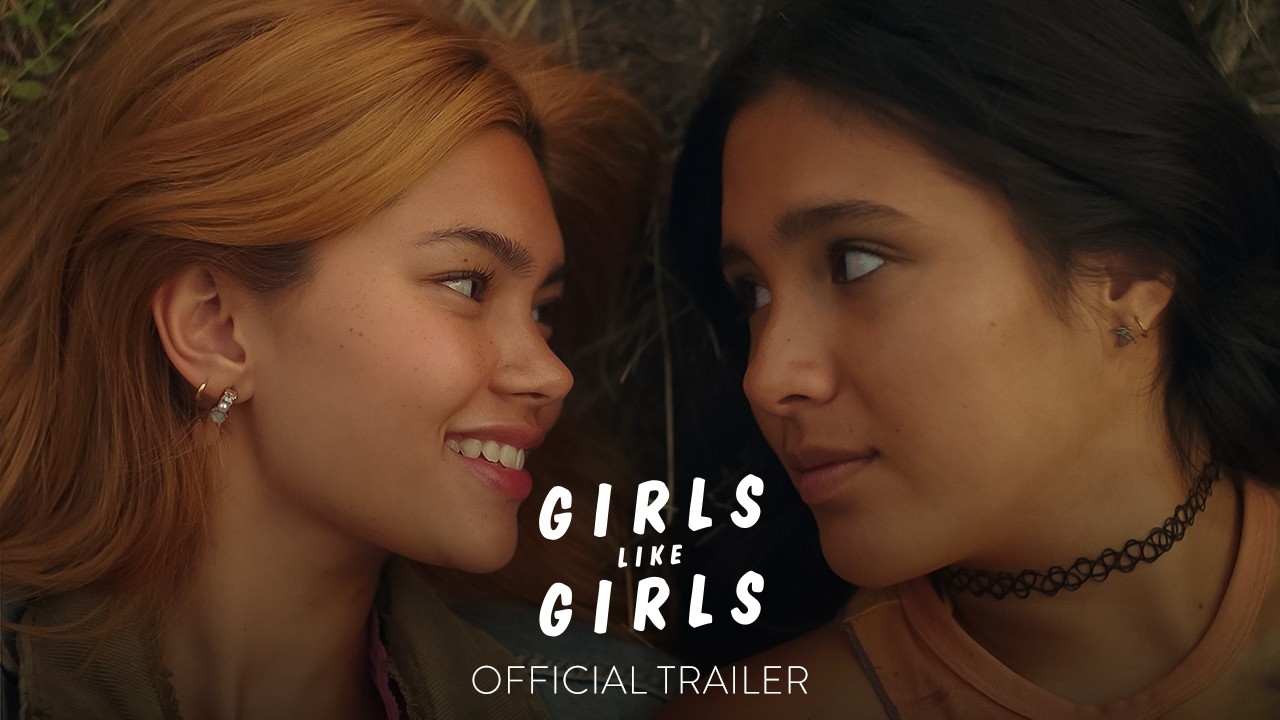
A Tender Coming-of-Age Romance About Identity, First Love, and the Courage to Be Seen
Inspired by her groundbreaking 2015 music video and bestselling novel, Hayley Kiyoko expands Girls Like Girls into a heartfelt coming-of-age drama that captures the emotional uncertainty of first love while celebrating the transformative power of self-acceptance.
The Big Picture: A Coming-of-Age Story That Gives Queer Love the Spotlight
Written and directed by Hayley Kiyoko in her feature directorial debut, Girls Like Girls follows 17-year-old Coley as she navigates grief, identity, and first love after the death of her mother. After moving to rural Oregon, she develops an unexpected connection with Sonya, a teenager who is only beginning to understand her own feelings. As both girls struggle with uncertainty, vulnerability, and the pressures surrounding them, their relationship becomes a journey of emotional discovery, acceptance, and personal growth.
More than a traditional teenage romance, Girls Like Girls explores the universal experience of discovering who you are while challenging the expectations imposed by family, society, and adolescence. Blending intimate performances with nostalgic early-2000s settings, Hayley Kiyoko transforms a story rooted in LGBTQ+ representation into a broader coming-of-age drama about belonging, authenticity, and the courage to embrace love without apology.
➡️ Implication: Girls Like Girls reflects the growing evolution of coming-of-age cinema, where authentic representation and emotionally honest storytelling allow diverse experiences to become universal stories of identity, love, and self-discovery.
Quick Facts
|
Coming-of-Age, Drama, Romance |
|
|
Hayley Kiyoko, Stefanie Scott, Chloe Okuno |
|
|
Maya da Costa, Myra Molloy, Zach Braff, Levon Hawke |
|
|
July 7, 2026 (United States) |
|
|
Kelowna, British Columbia, Canada |
|
|
BuzzFeed Studios, Focus Features, Marc Platt Productions |
|
|
Fans of coming-of-age dramas, LGBTQ+ romance, character-driven storytelling, and emotionally authentic independent films |
What This Story Is Really About: Finding the Courage to Embrace Your True Self
While Girls Like Girls centers on the growing relationship between Coley and Sonya, its deeper focus is on the emotional journey of self-discovery that accompanies adolescence. Both teenagers are navigating grief, uncertainty, and the fear of exposing parts of themselves they have never fully understood. Their relationship becomes more than a first romance—it becomes a catalyst for confronting insecurity, challenging expectations, and learning that vulnerability is an essential part of personal growth.
Beyond its romantic storyline, the film explores universal themes of identity, belonging, and acceptance. Although rooted in a queer coming-of-age experience, Girls Like Girls speaks to anyone who has struggled to reconcile personal feelings with external pressures. By portraying first love with honesty, tenderness, and emotional authenticity, Hayley Kiyoko emphasizes that discovering who you are is rarely straightforward, but it is ultimately one of life’s most transformative experiences.
➡️ Implication: Girls Like Girls demonstrates that the strongest coming-of-age stories are not simply about romance—they explore the universal journey of finding the confidence to embrace one’s identity despite fear, uncertainty, and societal expectations.
Why This Film Is Worth Discovering: An Authentic Coming-of-Age Romance That Prioritizes Emotional Truth
One of Girls Like Girls‘ greatest strengths is its commitment to authenticity. Rather than relying on familiar coming-of-age clichés or sensationalizing its central relationship, Hayley Kiyoko tells a deeply personal story through quiet emotional moments, believable characters, and natural performances. Maya da Costa and Myra Molloy create a genuine chemistry that allows the romance to unfold with warmth, vulnerability, and emotional nuance, making the characters’ experiences feel both intimate and universally relatable.
The film is equally significant because it expands the legacy of Kiyoko’s iconic 2015 music video into a fully realized feature while preserving the emotional honesty that made the original resonate with millions of viewers. Instead of presenting LGBTQ+ representation as its only defining feature, Girls Like Girls succeeds by telling a heartfelt story about grief, friendship, first love, and growing up. Its sincerity, nostalgic setting, and character-driven storytelling position it as both an important representation milestone and a compelling coming-of-age drama in its own right.
➡️ Implication: Girls Like Girls illustrates how authentic representation and emotionally grounded storytelling can create coming-of-age films that resonate with diverse audiences while expanding the possibilities of contemporary romantic drama.
Should You Watch It? A Heartfelt Coming-of-Age Story That Resonates Far Beyond Its Romance
Best Suited For: Viewers Who Enjoy Emotionally Authentic Coming-of-Age Dramas
-
Fans of coming-of-age stories that explore identity, grief, friendship, and first love with emotional honesty and subtle storytelling.
-
Viewers looking for meaningful LGBTQ+ representation presented as a natural part of a broader human story rather than the film’s sole defining characteristic.
-
Audiences who appreciate character-driven romances, where emotional connection and personal growth take precedence over melodrama or spectacle.
-
Fans of independent dramas that balance nostalgia, strong performances, and universal themes of belonging, acceptance, and self-discovery.
May Not Appeal To: Viewers Seeking Fast-Paced Romance or Conventional Teen Drama
-
Audiences expecting a highly dramatic romantic film, as Girls Like Girls unfolds through quiet emotional moments rather than major plot twists.
-
Viewers looking for fast-paced storytelling, since the film deliberately prioritizes character development and emotional realism over constant narrative momentum.
-
Fans of conventional studio teen romances, as the film adopts a more intimate, reflective, and independent storytelling style.
-
Anyone seeking a relationship-focused film without broader emotional themes, because the story devotes equal attention to grief, family, identity, and personal growth.
➡️ Implication: Girls Like Girls is best suited for audiences who appreciate thoughtful coming-of-age stories where emotional authenticity, nuanced performances, and personal growth create a lasting impact beyond the central romance.
Why Everyone Is Talking About It: A Long-Awaited Adaptation That Expands an LGBTQ+ Cultural Landmark
Girls Like Girls has generated significant attention because it transforms Hayley Kiyoko’s influential 2015 music video into a full-length feature film, expanding a story that has become deeply meaningful to LGBTQ+ audiences worldwide. For many viewers, the original video represented one of the earliest widely accessible portrayals of queer teenage romance, making this adaptation more than simply another coming-of-age drama—it represents the continuation of a cultural touchstone that helped shape a generation of representation in popular media.
The film has also sparked conversation for its emotionally authentic portrayal of first love and self-discovery. Rather than relying on stereotypes or sensationalism, Girls Like Girls presents its characters with warmth, vulnerability, and emotional complexity, allowing their experiences to feel universally relatable. Early audience reactions have particularly praised the performances of Maya da Costa and Myra Molloy, along with Hayley Kiyoko’s sensitive direction, highlighting the film’s ability to balance meaningful representation with an engaging and heartfelt story.
➡️ Implication: Girls Like Girls reflects the growing demand for coming-of-age films that combine authentic representation with universally relatable storytelling, demonstrating how inclusive narratives continue to shape the future of contemporary cinema.
Audience & Critical Reception: A Powerful Debut That Has Resonated with Audiences and Critics
Audience Response: A Story That Makes Viewers Feel Seen
Early audience reactions have been overwhelmingly positive, with many viewers praising Girls Like Girls for its emotional honesty, relatable characters, and authentic depiction of first love. Fans have highlighted the chemistry between Maya da Costa and Myra Molloy, describing their performances as natural, heartfelt, and deeply affecting. For many LGBTQ+ viewers, the film has become more than entertainment—it represents long-awaited representation that captures the uncertainty, excitement, and vulnerability of discovering one’s identity during adolescence.
Many audiences have also celebrated Hayley Kiyoko’s ability to expand her iconic music video into a feature-length narrative without losing the intimacy that made the original resonate. Viewers have praised the film’s nostalgic early-2000s setting, emotional soundtrack, and sensitive exploration of grief, friendship, and self-acceptance, describing it as a coming-of-age story that feels both deeply personal and universally relatable.
Critical Reception: A Confident Feature Debut with Emotional Authenticity
Critics have recognized Girls Like Girls as an assured feature directorial debut from Hayley Kiyoko, praising its sincere storytelling, thoughtful direction, and commitment to authentic representation. With a Metascore of 70, reviewers have highlighted the film’s emotional realism and its refusal to sensationalize its central romance. Particular praise has been directed toward the performances of Maya da Costa and Myra Molloy, whose nuanced portrayals provide the emotional foundation for the film’s exploration of identity, love, and belonging.
While some critics have noted that the film follows familiar coming-of-age conventions, many have argued that its greatest strength lies in its authenticity rather than narrative innovation. By focusing on genuine emotional experiences instead of dramatic twists, Girls Like Girls succeeds in creating a heartfelt story that resonates through its honesty, warmth, and universal themes.
➡️ Implication: Girls Like Girls demonstrates that audiences and critics increasingly value emotionally authentic storytelling and meaningful representation, proving that sincere, character-driven coming-of-age films continue to make a lasting cultural impact.
Awards & Recognition: A Landmark Debut That Builds on an Influential Cultural Legacy
Although still early in its theatrical release, Girls Like Girls has already established itself as one of the year’s most discussed coming-of-age dramas through strong critical reception and enthusiastic audience support. The film marks Hayley Kiyoko’s feature directorial debut, expanding the story introduced in her groundbreaking 2015 music video into a full-length cinematic experience that has attracted significant attention across both mainstream and LGBTQ+ communities.
Beyond reviews and audience response, the film’s greatest achievement lies in its cultural significance. By adapting one of the most influential queer music videos of the past decade into a major studio-backed feature, Girls Like Girls represents an important milestone for LGBTQ+ storytelling in contemporary cinema. Its release through Focus Features further highlights the growing confidence studios have in stories centered on diverse voices and authentic lived experiences.
➡️ Implication: Girls Like Girls illustrates how culturally significant stories can evolve across different creative formats while continuing to shape conversations about representation, identity, and inclusive storytelling in modern cinema.
Entertainment Trend: Coming-of-Age Cinema Is Becoming More Inclusive and Emotionally Authentic
Girls Like Girls reflects one of the most significant developments in contemporary coming-of-age cinema: the shift from representation as a supporting element to representation as the foundation of universally relatable storytelling. Rather than framing LGBTQ+ identity as conflict alone, today’s filmmakers are increasingly creating stories where queer characters experience the same emotional milestones—first love, grief, friendship, insecurity, and self-discovery—that define adolescence for everyone. This evolution allows diverse perspectives to become integral to mainstream cinema while broadening the emotional reach of the genre.
The film also highlights the growing influence of creator-led storytelling across the entertainment industry. By adapting her own acclaimed music video and novel into a feature film, Hayley Kiyoko demonstrates how artists are expanding successful intellectual properties across multiple creative formats while maintaining a consistent personal vision. This trend reflects the industry’s increasing willingness to invest in authentic voices capable of building long-term relationships with audiences through interconnected storytelling across music, literature, and film.
➡️ Implication: Girls Like Girls illustrates how modern coming-of-age films are redefining representation through emotionally authentic storytelling, while demonstrating the growing importance of creator-driven projects that evolve across multiple forms of media.
Why This Film Matters: Representation Becomes Universal Storytelling
Girls Like Girls stands out because it treats queer identity not as a niche subject but as a universal coming-of-age experience. By focusing on grief, vulnerability, first love, and the search for belonging, the film reminds audiences that the emotional challenges of adolescence transcend gender and sexuality. Its authenticity allows viewers from different backgrounds to connect with the characters’ experiences, making representation feel natural rather than symbolic.
The film is equally important as a milestone in Hayley Kiyoko’s creative journey. Expanding a music video that became an important cultural touchstone into a feature-length film demonstrates how meaningful stories can continue evolving while reaching broader audiences. In doing so, Girls Like Girls contributes to a new generation of inclusive cinema where diverse voices are not simply included—they are leading the narrative and redefining what mainstream coming-of-age stories can be.
➡️ Implication: Girls Like Girls reflects a broader industry shift toward inclusive storytelling that prioritizes authenticity, emotional honesty, and universal human experiences over traditional genre conventions.
What This Film Means for the Entertainment Industry: Authentic Voices Are Reshaping Coming-of-Age Cinema
For Filmmakers: Personal Stories Create Universal Connections
Girls Like Girls demonstrates that deeply personal experiences often produce the most universally relatable films. By drawing on authentic emotions and lived experiences, filmmakers can create stories that resonate across diverse audiences while remaining true to their unique creative perspectives.
For Studios: Inclusive Stories Have Mainstream Appeal
The film highlights how major distributors are increasingly supporting projects centered on underrepresented voices. Rather than viewing inclusive storytelling as a niche market, studios now recognize that emotionally authentic narratives can connect with broad audiences while strengthening cultural relevance.
For Audiences: Representation Continues to Expand
Today’s viewers increasingly expect coming-of-age films to reflect the diversity of real life. Girls Like Girls contributes to this evolution by presenting LGBTQ+ characters whose experiences are defined not only by identity but also by universal themes of love, loss, friendship, and personal growth.
For the Industry: Cross-Media Storytelling Is Becoming a Powerful Creative Strategy
By evolving from a viral music video into a bestselling novel and ultimately a feature film, Girls Like Girls illustrates how successful stories can expand across multiple entertainment platforms. This approach allows creators to deepen emotional engagement while building enduring cultural franchises around original ideas.
➡️ Implication: Girls Like Girls demonstrates how authentic creator-driven storytelling, inclusive representation, and cross-media development are becoming defining forces in the future of contemporary entertainment.
Future Outlook: Inclusive Coming-of-Age Stories Will Continue Shaping Mainstream Cinema
As audiences increasingly seek stories that reflect a broader range of lived experiences, films like Girls Like Girls are likely to become an even more important part of the coming-of-age genre. Rather than treating diverse identities as niche subjects, studios and filmmakers are recognizing that emotionally authentic stories about love, family, and self-discovery resonate across all audiences. This shift is encouraging more creator-led projects that prioritize genuine experiences over traditional storytelling formulas, resulting in richer and more inclusive cinematic narratives.
The film also points toward the continued growth of cross-media storytelling, where successful ideas evolve from music, literature, and digital platforms into feature films. Hayley Kiyoko’s journey from directing a viral music video to writing a novel and ultimately helming a feature adaptation illustrates how creators can build lasting cultural franchises through multiple creative mediums. As this approach becomes more common, audiences can expect increasingly personal stories to reach wider global audiences while maintaining their original artistic voice.
➡️ Implication: Girls Like Girls signals a future where coming-of-age cinema becomes increasingly inclusive, creator-driven, and emotionally authentic, reflecting the industry’s growing commitment to diverse voices and universal storytelling.
Final Verdict: A Heartfelt Coming-of-Age Drama That Celebrates Love, Identity, and Self-Acceptance
Girls Like Girls is a warm, emotionally resonant coming-of-age drama that expands Hayley Kiyoko’s influential music video into a thoughtful feature exploring first love, grief, and the journey toward self-acceptance. Anchored by compelling performances from Maya da Costa and Myra Molloy, the film captures the uncertainty and excitement of adolescence with sincerity, allowing its characters’ emotional growth to take center stage. Rather than relying on dramatic twists or familiar romantic conventions, it succeeds through authenticity, subtle storytelling, and genuine emotional connection.
Beyond its importance as an LGBTQ+ love story, the film stands as a universal exploration of belonging, vulnerability, and the courage to embrace one’s true identity. By combining intimate storytelling with meaningful representation, Hayley Kiyoko delivers a confident feature debut that resonates equally as a personal coming-of-age story and as an important milestone in contemporary inclusive cinema.
➡️ Key Takeaway: Girls Like Girls proves that the most memorable coming-of-age films are those that tell deeply personal stories with honesty, compassion, and emotional authenticity, allowing universal human experiences to shine through diverse perspectives.
Summary of the Movie: A Moving Story About First Love and Finding Yourself
After the death of her mother, seventeen-year-old Coley struggles to navigate grief, loneliness, and the uncertainty of starting over in rural Oregon. Her growing friendship with Sonya gradually blossoms into first love, forcing both teenagers to confront their fears, question their assumptions, and embrace feelings they have never fully understood. As they learn to navigate family expectations, emotional vulnerability, and the challenges of adolescence, their relationship becomes a powerful journey toward self-discovery and acceptance. Through its gentle storytelling and authentic performances, Girls Like Girls celebrates the universal experience of growing up while reminding audiences that the courage to be yourself is often life’s greatest act of love.
➡️ Key Takeaway: Girls Like Girls transforms a deeply personal love story into a universal coming-of-age experience, demonstrating how authentic representation and emotional honesty continue to redefine modern romantic cinema.
If You Liked This Movie: More Emotionally Resonant Coming-of-Age Dramas
-
The Half of It (2020) — Directed by Alice Wu. Streaming: Available on Netflix. A thoughtful coming-of-age romance exploring identity, friendship, and unspoken love.
-
Love, Simon (2018) — Directed by Greg Berlanti. Streaming: Available on Disney+ (region dependent). A heartfelt story about self-acceptance and the challenges of coming out during high school.
-
The Miseducation of Cameron Post (2018) — Directed by Desiree Akhavan. Streaming: Available on digital rental and select streaming platforms depending on region. A poignant coming-of-age drama about resilience, identity, and staying true to yourself.
-
Booksmart (2019) — Directed by Olivia Wilde. Streaming: Available on Peacock in the U.S. (availability varies internationally). A witty coming-of-age comedy celebrating friendship, identity, and growing up.
-
Moonlight (2016) — Directed by Barry Jenkins. Streaming: Available on select streaming services and digital platforms depending on region. An Academy Award-winning drama examining identity, masculinity, and the search for belonging.
Where to Watch: How to Experience Girls Like Girls
Streaming Availability: When and Where You Can Watch at Home
Following its theatrical release on July 7, 2026, Girls Like Girls is expected to expand to digital rental, premium video-on-demand, and streaming platforms after its exclusive cinema window. As a Focus Features release, availability will vary by region as distribution agreements continue to roll out. Viewers should check local streaming services and digital storefronts for the latest availability.
Theatrical Release
Girls Like Girls was released in U.S. cinemas on July 7, 2026, through Focus Features. The film marked Hayley Kiyoko’s feature directorial debut while bringing her celebrated 2015 music video and subsequent novel to the big screen for the first time.
Viewing Recommendation: Who Should Experience Girls Like Girls?
Girls Like Girls is highly recommended for viewers who appreciate emotionally driven coming-of-age dramas centered on authentic relationships and personal growth. Fans of character-focused romances, LGBTQ+ cinema, and thoughtful independent storytelling will find its honest performances and universal themes particularly rewarding. Whether drawn by Hayley Kiyoko’s original music video or discovering the story for the first time, audiences looking for a sincere and uplifting exploration of first love and self-acceptance will find this film especially meaningful.





Leave a Reply