
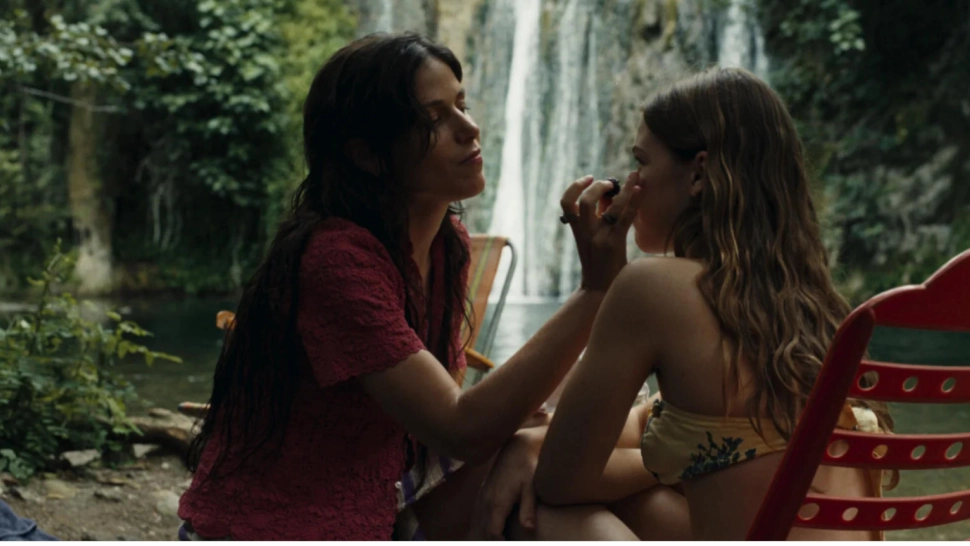
A Psychological Fantasy About Identity, Sexual Awakening, and the Fear of Losing Love
Contemporary festival cinema is increasingly using fantasy to explore the emotional complexity of growing up, where identity, sexuality, and the longing to belong become deeply intertwined. Rather than treating these themes separately, filmmakers are creating intimate psychological stories in which self-discovery unfolds through fear, attachment, and emotional transformation. Bad Beast embraces this approach through the story of Atenea, an orphaned girl whose adoption offers the possibility of a new life but whose overwhelming fear of losing her newfound family pushes her toward increasingly disturbing choices. Directed by Bàrbara Farré, the film blends psychological drama and fantasy into an unsettling coming-of-age story about identity, belonging, and emotional survival.
Instead of presenting fantasy as escapism, Bad Beast appears to use it as an emotional language for adolescence. As Atenea begins to experience acceptance, intimacy, and the first stages of discovering who she is, the boundaries between love, fear, identity, and obsession gradually blur. The result is a psychologically rich fairy tale where the greatest monsters are not supernatural creatures but the emotional wounds created by abandonment and the desperate need to be loved.
Quick Facts: A Psychological Fantasy About Identity, Belonging, and Emotional Survival
|
Identity, sexuality, belonging, adoption, childhood trauma, emotional survival |
|
|
Alberto Dexeus, Bàrbara Farré |
|
|
3Cat, Crea SGR, Institut Català de les Empreses Culturals (ICEC) |
|
|
2026 Málaga Spanish Film Festival: Nominated for the Golden Biznaga – Best Spanish Film. |
➡️ Key Takeaway: Bad Beast combines psychological drama and fantasy to explore identity, sexuality, and the emotional consequences of growing up while searching for acceptance and belonging.
Should You Watch It?: A Haunting Coming-of-Age Fantasy That Explores Identity Through Emotion
If you enjoy psychologically rich fantasy films that use symbolism to explore identity and emotional growth, Bad Beast promises an intriguing and emotionally layered experience. Rather than relying on traditional fantasy mythology or supernatural spectacle, the film appears to use its genre elements to examine adolescence, emotional attachment, and the complicated process of discovering who we are while learning how to connect with others. Viewers drawn to intimate character studies with fairy-tale undertones will likely appreciate its thoughtful approach.
However, audiences expecting conventional fantasy adventure or horror should be aware that Bad Beast appears to be driven by atmosphere and psychological tension rather than action. Its focus remains on Atenea’s internal transformation, making the emotional journey far more significant than the fantasy elements themselves. This restrained approach places the film firmly within the tradition of contemporary European festival cinema.
➡️ Key Takeaway: Bad Beast is ideal for viewers who appreciate emotionally intelligent fantasy where identity, belonging, and psychological depth take precedence over spectacle.
Why Everyone Is Talking About It?: A Festival Fantasy That Explores Identity Through Psychological Storytelling
One of the most distinctive aspects of Bad Beast is its ability to combine psychological drama with fantasy while exploring themes of identity and emotional belonging. Festival programmers have positioned the film within the broader conversation around sexuality, suggesting that its coming-of-age narrative extends beyond adoption and family to examine the emotional process of self-discovery. Rather than treating identity as a fixed concept, the film appears to explore how love, acceptance, fear, and intimacy shape a young person’s understanding of themselves.
The film has also attracted significant attention through its nomination for the Golden Biznaga for Best Spanish Film at the 2026 Málaga Spanish Film Festival, marking Bàrbara Farré’s feature debut as one of Spain’s notable new voices in contemporary cinema. Its combination of psychological realism, fantasy, and emotionally complex storytelling reflects the growing interest among international festivals in genre films that use symbolism to explore deeply human experiences.
➡️ Key Takeaway: Bad Beast transforms psychological fantasy into a powerful coming-of-age story where identity, sexuality, and belonging become inseparable parts of one emotional journey.
Movie Trend: Sexuality & Identity — Growing Up Means Discovering Who You Are
Across contemporary festival cinema, sexuality is increasingly explored as part of a broader journey of emotional identity rather than simply romance or physical attraction. These films examine how young people navigate belonging, intimacy, fear, and self-discovery while trying to understand who they are in a world that often feels uncertain. Bad Beast reflects this growing movement through Atenea, an orphan whose longing for love and acceptance becomes inseparable from her search for identity after joining a new family.
Rather than treating sexuality as an isolated subject, the film appears to weave it into a psychological coming-of-age story where emotional attachment, fear of abandonment, and the desire to belong shape every aspect of the protagonist’s development. By blending fantasy with psychological realism, Bàrbara Farré transforms adolescence into an emotionally symbolic journey, suggesting that discovering who we are often begins with discovering how we love, trust, and connect with others. The fantasy elements become emotional metaphors, reflecting the confusion, vulnerability, and transformation that accompany growing up.
➡️ Key Takeaway: Bad Beast explores sexuality as part of a much larger journey of emotional identity, showing how belonging, love, and self-discovery become inseparable during adolescence.
➡️ Movie Trend: Sexuality
Who Should Watch It? (Audience Profile): A Psychological Fantasy for Festival Audiences and Fans of Emotionally Rich Coming-of-Age Stories
|
Fans of psychological fantasy and European festival cinema |
|
|
Coming-of-age drama enthusiasts, LGBTQ+ cinema audiences, lovers of symbolic storytelling |
|
|
Festival-goers, cinephiles, lovers of independent cinema |
|
|
Psychological dramas, fantasy, coming-of-age films, art-house cinema |
Bad Beast will appeal to viewers who appreciate emotionally layered stories where fantasy becomes a metaphor for psychological experience. Rather than focusing on supernatural spectacle, the film appears to explore adolescence, emotional vulnerability, identity, and belonging through intimate character development and symbolic storytelling.
The film is also likely to resonate with audiences interested in contemporary European cinema that examines sexuality and identity with nuance rather than sensationalism. Viewers who appreciate thoughtful coming-of-age dramas exploring emotional transformation, family dynamics, and self-discovery will likely find Bad Beast particularly rewarding.
➡️ Key Takeaway: Bad Beast is ideal for audiences seeking an emotionally intelligent psychological fantasy that explores identity, sexuality, and belonging through the lens of contemporary festival cinema.
What This Movie Means for the Industry: Festival Fantasy Is Redefining Coming-of-Age Cinema
Bad Beast reflects one of the most interesting developments in contemporary festival filmmaking: the use of fantasy to explore deeply personal emotional experiences rather than imaginary worlds. Increasingly, filmmakers are embracing symbolic genre storytelling to examine identity, sexuality, trauma, and adolescence, allowing fantasy to function as an emotional language instead of a vehicle for spectacle. This approach enables intimate character studies to reach audiences through metaphor rather than realism alone.
The film also illustrates how European cinema continues expanding representations of sexuality beyond traditional romantic narratives. Rather than defining sexuality through relationships alone, films like Bad Beast position it within broader questions of identity, belonging, emotional security, and personal growth. This reflects a growing trend across international festivals, where coming-of-age stories increasingly examine how emotional development, family, and self-discovery intersect during adolescence.
More broadly, Bad Beast demonstrates the continued strength of Spanish independent cinema in blending art-house sensibilities with accessible genre elements. Its Golden Biznaga nomination for Best Spanish Film at the 2026 Málaga Spanish Film Festival reinforces the growing international recognition of films that combine psychological depth, symbolic storytelling, and emotionally authentic themes.
➡️ Key Takeaway: Bad Beast demonstrates how contemporary fantasy cinema is evolving into a powerful form of emotional storytelling, using symbolism to explore sexuality, identity, belonging, and the complexities of growing up.
Creative Analysis: A Psychological Fairy Tale About the Fear of Losing Love
Bad Beast transforms a seemingly simple adoption story into a haunting psychological fantasy about identity, belonging, and emotional survival. Rather than presenting childhood through innocence alone, Bàrbara Farré explores how abandonment shapes the way young people experience love, trust, and acceptance. The film’s fantasy elements are never simply decorative—they function as emotional metaphors, allowing inner fears and insecurities to take tangible form within the narrative.
At its heart, Bad Beast examines how the desire to belong can become overwhelming when it is experienced for the first time. Atenea’s emotional journey is not driven by external villains but by the fear that happiness is temporary and that love can disappear as suddenly as it arrives. This psychological approach gives the film a quiet intensity that distinguishes it from more conventional coming-of-age fantasies.
➡️ Key Takeaway: Bad Beast uses fantasy to transform childhood trauma into an emotionally powerful story about identity, belonging, and the fragile hope of finding a place to call home.
Storytelling: A Coming-of-Age Story Where Love Becomes the Greatest Fear
Rather than following a traditional fantasy adventure, the screenplay builds its emotional tension around Atenea’s psychological transformation after being adopted. For the first time, she experiences the possibility of family, stability, and affection, yet these new experiences also awaken an overwhelming fear of losing everything she has gained. The story gradually shifts from hope to emotional uncertainty, exploring how abandonment continues to shape a person’s choices long after physical safety has been found.
Instead of relying on external conflict, the narrative focuses on internal emotional struggle. Every decision Atenea makes appears motivated by the desperate need to preserve her new life, creating a psychologically complex portrait of a child learning that love can feel as frightening as loneliness when it seems too precious to lose.
➡️ Key Takeaway: The screenplay transforms a story about adoption into a nuanced exploration of emotional attachment, insecurity, and the psychological consequences of abandonment.
Direction: Bàrbara Farré Blends Realism with Psychological Fantasy
Bàrbara Farré approaches the material with remarkable restraint, allowing emotional atmosphere to develop naturally rather than relying on overt fantasy spectacle. Her direction appears to balance intimate family drama with symbolic imagery, creating a cinematic language where psychological states become inseparable from the film’s fantasy elements.
As a debut feature filmmaker, Farré demonstrates an interest in character psychology over genre conventions. Rather than using fantasy to escape reality, she uses it to deepen emotional experience, allowing viewers to inhabit Atenea’s fears and insecurities from within. This restrained style aligns closely with the growing tradition of European psychological fantasy found on the international festival circuit.
➡️ Key Takeaway: Farré’s direction uses fantasy as an emotional language, creating a deeply intimate portrait of childhood vulnerability and identity.
Performances: Maria Schwinning Carries the Film’s Emotional Complexity
Maria Schwinning faces the demanding challenge of portraying a child whose emotional world is constantly shifting between hope, fear, affection, and obsession. The success of Bad Beast depends largely on whether audiences can understand Atenea’s increasingly extreme behavior without losing empathy for her, making subtle emotional expression central to the performance.
Supporting performances from Iria del Río and Roger Casamajor are equally important, as the adoptive family represents both the possibility of healing and the emotional uncertainty that drives Atenea’s psychological journey. Their interactions help establish the fragile emotional environment in which the story unfolds.
➡️ Key Takeaway: The performances appear to prioritize emotional authenticity, allowing complex psychological relationships to develop with sensitivity and restraint.
Cinematography & Visual Style: Fantasy Emerges from Emotional Reality
Rather than presenting a spectacular fantasy world, Bad Beast appears to build its visual identity around atmosphere, symbolism, and emotional perspective. The cinematography is likely to emphasize contrasts between safety and isolation, warmth and uncertainty, using visual composition to reflect Atenea’s evolving psychological state.
The fantasy elements seem designed to emerge naturally from emotional experience rather than overwhelming it. This restrained visual approach reinforces the film’s central idea that the most frightening monsters are often internal rather than supernatural, allowing imagery to function as an extension of the protagonist’s emotional reality.
➡️ Key Takeaway: The visual style strengthens the psychological narrative by turning fantasy into a symbolic expression of fear, identity, and belonging.
Themes & Messages: Identity Begins with Feeling That You Belong
At its core, Bad Beast explores the relationship between identity and acceptance. The film suggests that discovering who we are depends not only on personal growth but also on the emotional security provided by meaningful human relationships. Atenea’s journey illustrates how abandonment can leave lasting psychological scars, making even love itself feel uncertain and fragile.
The film also reflects on sexuality and adolescence as interconnected aspects of emotional development. Rather than presenting sexuality as an isolated subject, it appears to examine how identity, intimacy, belonging, and self-acceptance gradually emerge together during the process of growing up. In this sense, Bad Beast presents coming of age as an emotional transformation rather than simply a biological or social one.
➡️ Key Takeaway: Bad Beast argues that identity, sexuality, and belonging develop together, showing that the search for acceptance is ultimately a search for oneself.
What Makes This Movie Different?: A Fantasy That Finds Its Monsters Within
Unlike many fantasy dramas where danger comes from external forces, Bad Beast places its greatest conflict inside the emotional world of its protagonist. The film replaces mythical creatures and epic adventures with psychological symbolism, allowing fear, abandonment, and longing to become the true driving forces of the narrative.
By combining fantasy, psychological drama, and contemporary coming-of-age storytelling, Bàrbara Farré creates a film that feels both intimate and universal. Rather than asking audiences to believe in magical worlds, Bad Beast asks them to recognize the emotional realities that shape childhood, identity, and the lifelong desire to be loved.
➡️ Key Takeaway: Bad Beast stands apart by transforming psychological vulnerability into fantasy, creating an emotionally sophisticated coming-of-age story where the greatest journey is learning to accept both love and oneself.
If You Liked Bad Beast (2026): Psychological Fantasies About Identity, Belonging, and Emotional Transformation
If Bad Beast captivated you with its blend of psychological drama, fantasy, and emotionally complex coming-of-age storytelling, these films similarly explore identity, belonging, and the fragile emotional journey toward self-discovery.
The Ugly Stepsister (2025) by Emilie Blichfeldt
This bold psychological reinterpretation of the Cinderella myth transforms a familiar fairy tale into a disturbing exploration of beauty, identity, and female self-worth. Like Bad Beast, it uses fantasy and body horror as emotional metaphors, examining how the desire for acceptance can become psychologically destructive.
The Legend of Ochi (2025) by Isaiah Saxon
Blending fantasy with an intimate coming-of-age story, The Legend of Ochi follows a young girl who forms an unexpected bond with a mysterious creature while questioning everything she has been taught about fear, family, and belonging. Like Bad Beast, it explores childhood through symbolism, emotional vulnerability, and the search for identity.
Toxic (2024) by Saulė Bliuvaitė
Winner of the Golden Leopard at the Locarno Film Festival, Toxic follows two teenage girls whose friendship becomes intertwined with beauty standards, identity, and the emotional pressures of adolescence. Although grounded in realism rather than fantasy, it shares Bad Beast‘s interest in female identity, emotional insecurity, and the psychological complexity of growing up.
➡️ Key Takeaway: These films demonstrate how contemporary festival cinema is redefining coming-of-age storytelling by combining psychological depth, symbolic imagery, and emotionally honest explorations of identity, belonging, and self-discovery.
Final Verdict: A Haunting Psychological Fantasy About the Need to Belong
Bad Beast is an emotionally sophisticated psychological fantasy that uses symbolic storytelling to explore childhood trauma, identity, sexuality, and the universal desire to belong. Rather than relying on conventional fantasy spectacle, Bàrbara Farré creates an intimate coming-of-age drama where emotional vulnerability becomes the film’s most powerful source of tension. Its restrained approach allows psychological realism and fantasy to coexist naturally, giving the story both emotional authenticity and allegorical depth.
Maria Schwinning anchors the film with what appears to be a deeply demanding central performance, carrying a character whose fear of abandonment gradually transforms love into obsession. Combined with Farré’s confident direction and the film’s haunting emotional atmosphere, Bad Beast positions itself as one of the more distinctive Spanish festival films of 2026. Its Golden Biznaga nomination at the Málaga Spanish Film Festival further highlights its artistic ambition and growing international recognition.
More than a story about adoption or fantasy, Bad Beast ultimately becomes a meditation on identity itself. It asks whether love alone is enough to heal emotional wounds and suggests that true belonging begins only when individuals learn to accept both themselves and the possibility of being loved.
➡️ Final Verdict: 4.4/5 — A haunting and emotionally intelligent psychological fantasy that blends symbolic storytelling, powerful themes of identity and sexuality, and confident filmmaking into one of the year’s most intriguing European coming-of-age dramas.






Leave a Reply