
FR | 2026 | 113 min | Thriller
➡️ Where to Watch: FR
A Party in Paradise Turns Into a Search Through Hell
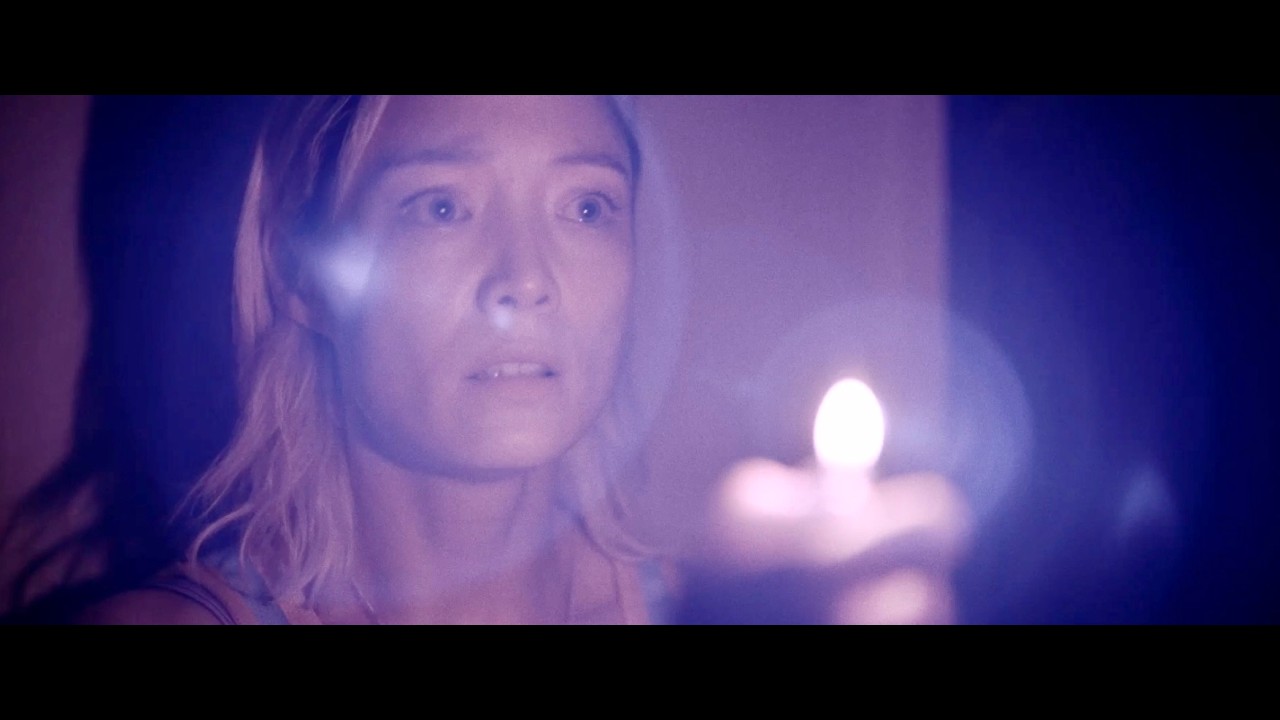
Romy arrives in the Canary Islands with her friend Chloé expecting the familiar rhythm of her life as an electro DJ: music, nightlife, strangers and another destination temporarily transformed into a party. But after Romy performs at a nightclub in Maspalomas, morning arrives and Chloé has disappeared without a trace.
What follows turns the Canary Islands inside out. Beaches, clubs, volcanic landscapes and blazing sunshine stop representing escape and begin generating suspicion. With Vincent, the nightclub owner, helping her search for Chloé, Romy moves deeper into a world where attraction and danger coexist and the beautiful destination surrounding her becomes increasingly difficult to trust.
➡️ Movie Insight: Mi Amor transforms paradise by changing how Romy sees it rather than simply changing the location itself. The Canary Islands remain spectacular even as her experience becomes increasingly threatening. Beauty becomes part of the danger because appearances can no longer be trusted.
Why This Movie Matters Right Now: Paradise Is Becoming One of Cinema’s Most Unsettling Places
Contemporary thrillers increasingly understand that audiences do not need darkness to feel afraid. Resorts, islands and holiday destinations can become even more unsettling precisely because they promise relaxation, freedom and escape. When something goes wrong inside those environments, the contrast immediately creates tension.
Mi Amor embraces that contradiction. Gran Canaria gives Romy enormous open landscapes while her search makes the island feel progressively more claustrophobic. She is surrounded by tourists, nightlife and sunshine, yet Chloé’s disappearance leaves her navigating a place where she does not know who is withholding information or where the next clue will take her.
➡️ Why It Matters: Mi Amor turns the fantasy of getting away from everything into the fear of being somewhere you do not understand. Tourism creates the illusion that unfamiliar places have been made safe and accessible for outsiders. The film dismantles that illusion one suspicious encounter at a time.
Should You Watch It?: Come for the Mystery and Stay for the Sensory Experience
Mi Amor is best approached as an atmospheric thriller rather than a conventional procedural mystery. Chloé’s disappearance provides the narrative engine, but Guillaume Nicloux is equally interested in Romy’s destabilization as the world around her becomes stranger and more difficult to interpret.
The techno soundtrack is essential to that experience. Music does not simply accompany Romy’s journey; its relentless pulse pushes the film forward and connects the nightclub environment with the anxiety of the search that follows. Combined with the unusual treatment of Gran Canaria’s landscapes, the result is designed to feel hypnotic, disorienting and slightly unreal.
➡️ Viewing Recommendation: Watch Mi Amor if you like thrillers where atmosphere matters as much as solving the mystery. Pom Klementieff gives the search a determined physical energy while Benoît Magimel adds ambiguity to the world surrounding her. Expect a strange descent through paradise rather than a straightforward missing-person investigation.
Why Everyone Is Talking About It?: Pom Klementieff Steps Into a Very Different Kind of Thriller
Mi Amor received its world premiere in the Limelight section of the 55th International Film Festival Rotterdam in February 2026. The festival positioning immediately gave Guillaume Nicloux’s thriller an international showcase while presenting Pom Klementieff in a distinctly European leading role far removed from the blockbuster franchises through which many global viewers know her.
The film also makes its music part of its identity. Irène Drésel and Sizo Del Givry created the techno score that drives Romy’s world, and their connection with the film extended to a special Club IFFR performance following a Rotterdam screening. That combination of cinema, electronic music, nightlife and thriller storytelling gives Mi Amor cultural hooks extending beyond the mystery itself.
➡️ Viral Potential: Mi Amor has a simple conversation hook: a dream trip to the Canary Islands becomes a nightmare after one woman disappears. Add Pom Klementieff, Benoît Magimel, relentless techno and visually transformed island landscapes and the movie becomes immediately distinctive. Paradise becoming threatening is an idea audiences can understand before knowing anything else about the story.
Why Mi Amor Stands Out: The Island Becomes Part of Romy’s Paranoia
The most interesting reversal in Mi Amor is that darkness does not need to hide what is dangerous. Romy moves through glaring sunlight, tourist spaces and enormous landscapes while becoming progressively less certain about the people and environment around her.
Nicloux uses that contradiction to move the movie away from conventional noir imagery. The island itself begins to feel alien, with familiar holiday imagery transformed through unusual colors and visual manipulation. Romy’s surroundings become an extension of her uncertainty: recognizable enough to navigate but strange enough that she never completely understands where she has landed.
➡️ Cinema Insight: Mi Amor demonstrates how location can become psychological rather than merely geographical. Gran Canaria begins as a destination and gradually becomes Romy’s unstable mental landscape. The movie makes paradise frightening without needing to remove its beauty.
Movie Trend: Paradise Gone Wrong — When the Dream Destination Turns Dangerous
Paradise Gone Wrong movies reverse the emotional promise of travel. Audiences enter locations associated with escape, pleasure and freedom before discovering that being far from home can also mean being separated from familiar rules, relationships and systems of trust.
Mi Amor fits the trend naturally. Romy arrives because her work as a DJ takes her into nightlife and tourism, but Chloé’s disappearance suddenly changes everything around her. The nightclub becomes the last place her friend was seen, unfamiliar locals become potential sources of information or suspicion, and the island’s beauty becomes increasingly disconnected from Romy’s experience.
➡️ Movie Trend: Paradise becomes frightening when the destination stops behaving according to the visitor’s expectations. Mi Amor turns tourism into vulnerability by placing Romy somewhere beautiful where she cannot easily distinguish help from danger. The dream destination remains visible even as the nightmare takes over.
Viewer Profile: For Thriller Fans Who Want Atmosphere With Their Mystery
Mi Amor should connect most strongly with audiences who enjoy European thrillers, missing-person mysteries and movies where strange environments gradually destabilize the protagonist. Viewers attracted to electronic music and nightlife culture have another entry point because Romy’s identity as a DJ shapes both the film’s world and its sonic personality.
Pom Klementieff and Benoît Magimel also broaden the potential audience. Klementieff provides familiarity for international viewers while Magimel brings the ambiguity and unpredictability associated with character-driven French cinema, allowing the film to sit between accessible genre storytelling and stranger arthouse territory.
|
Thriller, mystery and European genre-film viewers |
|
|
Pom Klementieff fans, electronic-music audiences and international arthouse viewers |
|
|
Middle-income and culturally engaged viewers |
|
|
Urban, travel-oriented, nightlife-aware and culturally curious |
|
|
Psychological thrillers, international cinema, festival films, mysteries and atmospheric genre movies |
➡️ Audience Insight: Mi Amor targets viewers who enjoy losing their sense of certainty alongside the protagonist. Its mystery provides accessibility while the visual and musical experimentation gives the experience a more distinctive identity. The strongest audience will embrace the atmosphere instead of expecting every strange encounter to function like a conventional clue.
What This Movie Means for the Industry: European Thrillers Are Becoming More Sensory
Mi Amor demonstrates how European genre filmmaking can compete for attention without copying the rhythm of Hollywood thrillers. Instead of escalating through increasingly elaborate action sequences, Nicloux builds intensity through location, sound, visual distortion, ambiguous characters and Romy’s growing inability to understand the environment around her.
The casting strengthens that strategy. Placing an internationally recognizable performer such as Pom Klementieff inside a formally unusual French thriller creates a bridge between mainstream familiarity and arthouse experimentation. Benoît Magimel reinforces the European identity while giving the central relationship another layer of uncertainty.
➡️ Industry Insight: Genre can become more distinctive when filmmakers treat atmosphere as part of the storytelling rather than decoration around it. Mi Amor uses music, landscape and casting to make a relatively simple disappearance premise feel unusual. That combination gives European thrillers a recognizable alternative to action-driven mystery filmmaking.
Creative Analysis: Techno Turns Paradise Into a Fever Dream
Mi Amor begins with recognizable thriller ingredients — a trip, a nightclub, a missing friend and a mysterious man offering assistance — but Nicloux uses style to destabilize those familiar elements. The question is not simply where Chloé went but how deeply Romy will have to enter this unfamiliar environment before she can understand what happened.
Sound and image continually reinforce that uncertainty. Techno creates forward motion while the island’s altered visual identity makes the landscape feel increasingly disconnected from conventional reality.
Storytelling: A Disappearance Opens the Door
The narrative begins efficiently. Romy and Chloé travel to the Canary Islands because Romy is performing a DJ set, giving their arrival an ordinary professional and social purpose before Chloé suddenly vanishes.
That disappearance creates a straightforward objective — find Chloé — but the journey becomes progressively stranger. Romy’s investigation exposes unfamiliar people, hidden spaces and unsettling situations that turn a simple search into a descent through the island’s darker possibilities.
Direction: Guillaume Nicloux Makes Familiar Places Feel Wrong
Nicloux understands that a location does not need to look conventionally frightening to generate anxiety. Gran Canaria provides sunshine, sea and volcanic beauty, but the direction continually introduces details that make those surroundings feel slightly disconnected from the tourist paradise Romy initially enters.
That approach allows tension to accumulate without requiring constant shocks. Romy keeps moving through recognizable environments, but her growing uncertainty changes their meaning.
Performances: Pom Klementieff Drives the Search
Pom Klementieff carries the movie as Romy, giving the character the physical determination required for someone unwilling to accept that her friend can simply disappear. The role also allows Klementieff to operate away from the heightened worlds of large-scale franchise filmmaking and anchor a stranger, more intimate thriller.
Benoît Magimel’s Vincent works because his presence creates uncertainty. As the nightclub owner helping Romy search, he can appear reassuring and enigmatic almost simultaneously, making the relationship another part of the film’s unstable emotional landscape.
Visual Style: Gran Canaria Stops Looking Like a Postcard
Cinematographer Romain Fisson-Edeline gives the island an unusual visual identity. Color manipulation pushes vegetation and landscapes toward unexpected tones while retaining enough recognizable reality to make the transformation unsettling rather than completely fantastical.
The technique turns geography into psychology. As Romy loses confidence in the world around her, Gran Canaria itself seems to move further away from the reassuring destination promised by conventional tourist imagery.
Themes: Disappearance, Trust and Tourist Vulnerability
Chloé’s disappearance immediately raises questions of trust. Romy must depend on people she barely knows while simultaneously considering whether those same people might understand more about her friend’s disappearance than they admit.
Travel intensifies that vulnerability because Romy lacks the social knowledge she would possess at home. She can move through the island physically while remaining unable to read the relationships and hidden structures surrounding her.
What Makes It Different: Techno Never Leaves the Mystery
Music is unusually important to Mi Amor because Romy’s professional identity and the movie’s storytelling rhythm are connected. Irène Drésel and Sizo Del Givry’s electronic score does not simply appear during nightclub scenes and disappear once the investigation begins.
Instead, techno follows Romy into the nightmare. The pulse that initially represents performance, nightlife and pleasure gradually becomes connected with obsession, anxiety and forward momentum, allowing the same musical language to carry the movie from paradise into paranoia.
➡️ Creative Insight: Mi Amor turns sound and landscape into extensions of Romy’s psychological state. Techno keeps pushing her forward while Gran Canaria becomes visually stranger around her. The film’s distinctive identity comes from making a missing-person thriller feel like a prolonged sensory descent.
If You Liked Mi Amor (2026): More Trips Where Paradise Turns Dangerous
These films connect with Mi Amor through travel, unfamiliar landscapes, escalating paranoia and characters discovering that beautiful or seemingly desirable environments can quickly become places where the normal rules no longer feel reliable.
Sirāt (2025) by Óliver Laxe: Music Leads Deeper Into an Unforgiving Landscape
A father searching for his missing daughter enters the rave culture of the Moroccan desert and follows a group deeper into an increasingly dangerous landscape. Electronic music, disappearance and physical environment become inseparable as the journey moves further away from ordinary life.
➡️ Why It Connects: Sirāt is the strongest companion to Mi Amor because both turn electronic music and a missing person into gateways toward increasingly hostile landscapes. Their protagonists move through unfamiliar communities while searching for someone they love. Both also understand that music can carry a thriller emotionally without simply functioning as background.
The Assessment (2025) by Fleur Fortuné: An Ideal World Becomes Increasingly Uncomfortable
A couple hoping to have a child must undergo an intensive evaluation conducted inside their home, transforming an apparently controlled and desirable future into an increasingly disturbing psychological experience.
➡️ Why It Connects: The Assessment and Mi Amor both begin inside environments that appear controlled, attractive and desirable before steadily undermining that security. Each film creates tension through psychological destabilization rather than conventional action. The more comfortable the setting initially appears, the more disturbing its transformation becomes.
The Balconettes (2024) by Noémie Merlant: Heat, Desire and Danger Collide
Three women endure a scorching summer in Marseille before fascination with a mysterious neighbor pulls them into an increasingly strange and dangerous situation. Comedy, thriller, sexuality and horror begin bleeding into one another as ordinary summer life becomes something far less predictable.
➡️ Why It Connects: The Balconettes and Mi Amor both use heat, sexuality and visually striking environments to destabilize familiar genre expectations. Their female protagonists enter mysteries that become progressively stranger rather than simply clearer. Both films allow atmosphere and tonal unpredictability to become part of the danger.
➡️ If You Liked Insight: Sirāt turns electronic music and disappearance into a dangerous journey, The Assessment transforms an ideal environment into psychological pressure and The Balconettes lets heat and attraction open the door to something darker. Mi Amor connects those experiences through its transformation of pleasure into paranoia. Together they show how contemporary thrillers are making supposedly desirable worlds feel increasingly unsafe.
Final Verdict: Paradise Has Never Felt Less Relaxing
Mi Amor takes the recognizable missing-friend thriller and gives it a feverish European identity. Pom Klementieff’s determined performance keeps Romy’s search moving while Benoît Magimel provides an ambiguous companion through a Gran Canaria increasingly disconnected from the tourist paradise she expected to encounter.
Its most memorable qualities come from sensation rather than investigation. The relentless techno, distorted colors, oppressive sunshine and strange encounters gradually turn the island into a psychological environment. Whether every mystery satisfies will matter less to viewers who surrender to that atmosphere.
➡️ Final Verdict: Mi Amor is a stylish disappearance thriller that makes beauty feel suspicious. Guillaume Nicloux uses Pom Klementieff, techno and Gran Canaria to transform a holiday environment into a sustained state of unease. The result is strongest when paradise looks exactly as seductive as the danger hidden inside it.
Quick Facts: Mi Amor at a Glance
|
Guillaume Nicloux, with collaboration from Nathalie Leuthreau |
|
|
Pom Klementieff as Romy, Benoît Magimel as Vincent |
|
|
Freya Mavor as Chloé, Astrid Bergès-Frisbey as Lina, Anaël Snoek, Elina Löwensohn |
|
|
Irène Drésel, Sizo Del Givry |
|
|
François Kraus, Denis Pineau-Valencienne |
|
|
International Film Festival Rotterdam 2026 — Limelight |
|
|
French Theatrical Release |
|
|
Paradise Gone Wrong — When the Dream Destination Turns Dangerous |
|
|
A French DJ searches Gran Canaria for her missing friend and enters an increasingly sinister world |
|
|
A missing-person thriller driven by techno music and visually transformed Canary Islands landscapes |
|
|
Disappearance, paranoia, trust, attraction, tourism, vulnerability, obsession |
|
|
Pom Klementieff’s lead performance, Benoît Magimel’s ambiguity, hypnotic techno and an unusual transformation of paradise into psychological danger |
Final Insights: Paradise Gone Wrong Is Turning Escape Into Anxiety
Paradise Gone Wrong works because contemporary audiences understand the fantasy of escape immediately. Travel promises temporary freedom from ordinary routines, but being somewhere unfamiliar also removes the knowledge and relationships people normally use to judge whether a situation is safe. Thrillers increasingly exploit that contradiction by turning beautiful destinations into places where outsiders discover how little they actually understand.
Mi Amor gives the trend a sensory identity. Gran Canaria does not stop being beautiful when Chloé disappears; its beauty becomes part of Romy’s confusion as techno, sunlight, attraction and suspicion begin overlapping. The movie suggests that paradise becomes most frightening not when it visibly transforms into hell, but when it continues looking like paradise after you realize something is terribly wrong.
➡️ Final Insight: Paradise Gone Wrong turns the fantasy of escape into the anxiety of being trapped somewhere unfamiliar. Mi Amor makes that reversal through music, landscape and Romy’s increasingly desperate search for Chloé. The island remains beautiful until the end, and that is exactly what makes its darkness more unsettling.






Leave a Reply