
US | 2026 | 103 min | Comedy, Horror
When Sisterhood Starts Looking Like a Cult
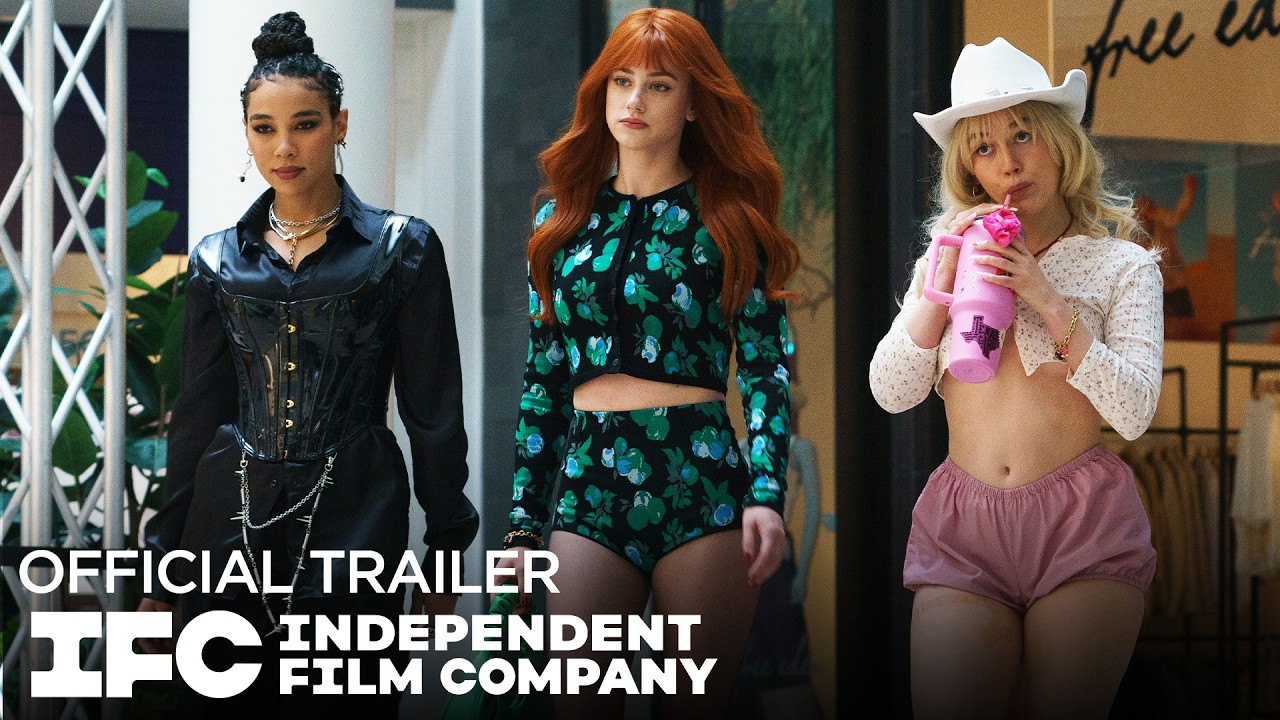
Apple, Cherry and Fig appear to have created the ultimate female safe space. Working together at Free Eden in a Dallas shopping mall, the three friends secretly operate a witchy coven after hours, complete with rituals, rules and an intense commitment to protecting their sisterhood. Then outsider Pumpkin enters their carefully constructed world and starts questioning who really benefits from those rules.
Meredith Alloway turns the familiar mean-girl clique into something darker by asking when belonging stops being supportive and starts demanding obedience. The supernatural rituals give the story its horror identity, but the real danger comes from friendship becoming so insular that individuality begins to look like betrayal.
➡️ Movie Insight: Forbidden Fruits turns toxic friendship into witchy horror. The coven promises its members belonging, protection and female solidarity until those ideals become tools of control. Pumpkin’s arrival reveals how quickly a safe space can become dangerous when nobody is allowed to question the person running it.
Why This Movie Matters Right Now: Female Friendship Is Getting Messier On Screen
Popular culture has spent years celebrating female friendship as an uncomplicated source of empowerment, but Forbidden Fruits is interested in what happens when that ideal becomes performative. Apple, Cherry and Fig believe they are protecting one another, yet their commitment to the group increasingly leaves less room for individual desires, secrets and contradictions.
That makes the film part of a more complicated conversation about sisterhood. Friendship can provide community and emotional protection while simultaneously creating jealousy, judgment, conformity and power imbalances. The movie does not reject female solidarity; it questions what happens when supporting the group becomes more important than supporting the individual.
➡️ Why It Matters: Female friendship stories are becoming more willing to explore the uncomfortable side of belonging. Sisterhood can empower people without automatically being healthy. Forbidden Fruits turns that contradiction into a bloody horror comedy about friendship, individuality and control.
Should You Watch It?: Watch for The Craft Meets Mean Girls Inside a Shopping Mall
Watch Forbidden Fruits if you like horror that mixes camp, fashion, dark comedy and deliberately exaggerated characters. Its witches are not hiding in an ancient forest or Gothic mansion; they are working retail, walking through food courts and performing rituals beneath a lifestyle store.
The cast is another major attraction. Lili Reinhart plays Apple as the polished centre of the group, while Victoria Pedretti brings comic unpredictability to Cherry, Alexandra Shipp gives Fig a more questioning edge, and Lola Tung enters as Pumpkin, the outsider whose desire to belong gradually destabilizes the entire hierarchy.
➡️ Viewing Recommendation: Watch it for the characters and toxic group dynamics as much as the witchcraft. Forbidden Fruits is closer to a campy friendship satire with horror consequences than straightforward supernatural terror. Viewers who enjoy stylish female-led cult movies, mean-girl comedies and bloody social satire are its strongest audience.
Why Everyone Is Talking About It?: A New Generation Gets Its Own Witchy Girl Clique
Forbidden Fruits arrived with a cast particularly suited to generating online attention: Lili Reinhart, Lola Tung, Victoria Pedretti and Alexandra Shipp bring together audiences from several major young-adult and genre fandoms. Emma Chamberlain makes her feature acting debut as Pickle, while Gabrielle Union adds another recognizable presence to the ensemble.
The film also carries an unusually strong creative lineage for a debut feature. Alloway adapted Lily Houghton’s stage play with Houghton, while Diablo Cody and Mason Novick — whose collaboration helped bring Jennifer’s Body to the screen — are among the producers. Its March 2026 SXSW premiere further positioned the movie as a potential new cult title built around female friendship, horror, camp and highly quotable characters.
➡️ Viral Potential: Forbidden Fruits has the ingredients of a movie designed to generate fandom rather than passive viewing. Its fruit-named characters, mall fashion, witch rituals, recognizable cast and toxic friendship dynamics are naturally shareable. The strongest viral hook is simple: audiences can immediately start deciding which Fruit they would be.
Why Forbidden Fruits Stands Out: The Coven Is Really a Friend Group With Rules
Apple’s power does not come simply from being a witch. She occupies a much more recognizable social position: she is the friend who determines what the group believes, how its members behave and what counts as loyalty.
Pumpkin therefore threatens the coven because outsiders can see dynamics insiders have learned to normalize. Once she begins questioning the sisterhood, rules supposedly created to protect the Fruits start revealing how easily empowerment language can disguise hierarchy and manipulation.
➡️ Cinema Insight: Forbidden Fruits makes supernatural control feel recognizable by grounding it in everyday friendship dynamics. Apple does not need a throne when she already controls the social rules of the group. The horror comes from realizing that manipulation can still look like friendship from inside the clique.
Movie Trend: Toxic Sisterhood — When Your Friend Group Turns Against You
Toxic Sisterhood stories complicate the idea that friendship automatically means support. They explore groups where intimacy creates its own hierarchy, secrets become social weapons and the fear of exclusion makes people tolerate behavior they would reject anywhere else.
Forbidden Fruits turns that dynamic into literal horror. Apple, Cherry and Fig have built an identity around belonging to one another, but Pumpkin exposes how fragile that identity becomes when somebody wants community without surrendering individuality.
➡️ Movie Trend: Toxic Sisterhood turns friendship into a battle over belonging, loyalty and control. The closer the group becomes, the more dangerous exclusion can feel. Forbidden Fruits pushes that familiar social anxiety into horror by making friendship rules capable of producing genuinely bloody consequences.
Viewer Profile: Horror Fans Who Grew Up on Mean Girls and The Craft
Forbidden Fruits is positioned for younger genre audiences comfortable with horror, comedy, fashion and pop-cultural satire existing inside the same movie. Its obvious appeal extends beyond traditional horror fans toward viewers interested in female friendship, internet-era feminism, camp and cult cinema.
The ensemble also creates several different audience entry points. Fans may initially arrive for Reinhart, Tung, Pedretti, Shipp or Chamberlain, but the movie’s longer-term cult potential depends on whether audiences embrace the Fruits themselves as a dysfunctional group worth quoting, debating and revisiting.
|
Gen Z and millennial horror-comedy audiences drawn to female-led genre films |
|
|
Fans of cult movies, dark comedies, witch stories and mean-girl narratives |
|
|
Broad audience with particularly strong appeal among female and queer genre viewers |
|
|
Broad middle-income theatrical, VOD and streaming audience |
|
|
Pop-culture engaged, fashion-aware, socially active and fandom-driven |
|
|
Horror comedy, slashers, witch movies, female friendship stories, cult films and highly stylized genre cinema |
➡️ Audience Insight: Forbidden Fruits sits at the intersection of horror fandom and pop-culture fandom. Its characters are as important to its appeal as its supernatural mythology. That combination gives the movie particular potential among audiences who turn films into online identities, quotes, costumes and cult favorites.
What This Movie Means for the Industry: Cult Horror Is Becoming a Fandom Business
Forbidden Fruits demonstrates how contemporary independent horror can be packaged around more than scares. Character identities, fashion, music, production design and social-media-ready concepts can all become part of the audience experience, giving a relatively contained genre movie a cultural footprint larger than its production scale.
The film also shows the continuing commercial value of combining emerging filmmakers with recognizable talent. Alloway makes her feature directorial debut with a cast already connected to substantial fan communities, while established producers including Diablo Cody and Mason Novick help position an unconventional female-led project within accessible horror-comedy territory.
➡️ Industry Insight: Horror remains one of cinema’s strongest spaces for turning distinctive ideas into recognizable cultural brands. A memorable world can be as commercially important as a frightening monster. Forbidden Fruits packages toxic friendship, witchcraft, fashion and fandom into the kind of concept audiences can immediately understand and share.
Creative Analysis: Female Friendship Becomes a Bloody Social Experiment
Forbidden Fruits takes a contained stage-play idea and opens it into the artificial environment of the American shopping mall. Free Eden becomes both workplace and sanctuary, allowing the Fruits to construct their own miniature society inside a larger commercial world.
That environment is essential to the movie’s satire. A store selling a version of feminine self-expression becomes the hiding place for a group whose own ideas about female empowerment are increasingly restrictive.
Storytelling: The New Girl Exposes the Rules Nobody Questions
Pumpkin provides the audience with an outsider’s perspective on the Fruits. She is attracted to the intimacy and belonging they appear to possess, making her induction emotionally understandable rather than simply reckless.
Once inside, however, she can see contradictions the existing members have learned to accept. That creates the central narrative tension: Pumpkin wants the community but gradually realizes that belonging requires accepting Apple’s version of what sisterhood should mean.
Direction: Meredith Alloway Treats Friendship Like Life or Death
Alloway commits to the heightened seriousness with which the Fruits view their own world. Their rituals, rules, confessions and interpersonal disputes can be ridiculous, but the characters themselves treat them as emotionally essential.
That commitment allows the comedy and horror to coexist. The audience can recognize the absurdity while simultaneously understanding why exclusion, judgment and betrayal feel catastrophic to women who have made the group central to their identities.
Performances: Four Different Personalities Turn the Coven Into a Power Struggle
Lili Reinhart gives Apple the confidence required of someone accustomed to defining reality for everyone around her. Her authority becomes more interesting because Apple believes in the sisterhood she controls rather than behaving like someone who simply wants to destroy it.
Victoria Pedretti’s Cherry, Alexandra Shipp’s Fig and Lola Tung’s Pumpkin create different responses to that authority. Loyalty, uncertainty, longing and resistance move through the group differently, allowing the friendship to fracture because each woman needs something different from the supposedly unified sisterhood.
Visual Style: The Shopping Mall Becomes a Pop-Horror Playground
Cinematographer Karim Hussain and production designer Ciara Vernon help turn the mall into an artificial feminine universe where commercial fantasy and occult ritual can exist side by side. Alloway described the visual approach as combining influences from the 1960s, 1990s and the present, including the lush stylization of giallo cinema.
The contrast is central to the film’s personality. Bright retail spaces, fashion and polished surfaces create a playful exterior while increasingly dark behavior develops underneath, making Free Eden feel simultaneously desirable and deeply unstable.
Themes: Belonging, Individuality, Loyalty, Desire and Control
The movie’s central conflict is the tension between belonging to a community and remaining an individual inside it. Pumpkin wants what the Fruits appear to have because their friendship offers the kind of close female community she has been missing.
But each Fruit also has desires that do not fit perfectly within the collective identity. The more those differences are hidden rather than communicated, the more supposedly protective friendship rules begin generating resentment, secrecy and eventually violence.
What Makes It Different: Girl Power Becomes the Thing Being Questioned
Forbidden Fruits does not simply replace male horror villains with powerful women and call that empowerment. It is more interested in asking whether the language of empowerment can itself become restrictive when one person decides what an empowered woman is supposed to look like.
That gives the film’s satire a sharper target than generic mean-girl rivalry. The Fruits genuinely want sisterhood, but their inability to accept difference gradually transforms an idealistic community into something much closer to the cult they have created.
➡️ Creative Insight: Forbidden Fruits understands that toxic groups rarely advertise themselves as toxic. They promise belonging, protection and people who finally understand you. The film’s cleverest horror idea is showing how those promises become dangerous when belonging requires becoming less yourself.
If You Liked Forbidden Fruits (2026): More Horror About Cliques, Cults and Dangerous Belonging
These recent films similarly turn social groups into sources of horror. Each explores characters entering environments where belonging looks desirable until competition, manipulation or cult-like loyalty reveals the danger underneath.
Fear Street: Prom Queen (2025) by Matt Palmer: When Popularity Becomes a Blood Sport
Shadyside High’s glamorous girls are competing to become prom queen when candidates begin disappearing one by one. An outsider entering the competition disrupts an established social hierarchy just as a killer transforms high-school popularity into literal survival.
➡️ Why It Connects: Fear Street: Prom Queen and Forbidden Fruits both combine female cliques with bloody genre storytelling. Popularity and belonging become dangerous once outsiders challenge an established hierarchy. Both turn familiar mean-girl competition into horror where social exclusion can become deadly.
Honey Don’t! (2025) by Ethan Coen: When Charisma Hides a Dangerous Cult
Private investigator Honey O’Donahue investigates a series of suspicious deaths connected to a mysterious church and its charismatic leader. What begins as a crime investigation pulls her toward a community where desire, manipulation and belief have become dangerously entangled.
➡️ Why It Connects: Honey Don’t! and Forbidden Fruits both find dark comedy inside communities organized around charismatic authority. Their cults promise something larger than ordinary life while concealing power structures underneath. Both use eccentric characters, sexuality and heightened humor to make manipulation entertaining before making it dangerous.
Opus (2025) by Mark Anthony Green: When Belonging Means Worshipping the Leader
Young writer Ariel Ecton receives an invitation to the secluded compound of legendary pop star Alfred Moretti after his mysterious decades-long disappearance. What initially looks like extraordinary access gradually reveals a closed community of followers whose devotion to Moretti has erased the boundary between admiration and obedience.
➡️ Why It Connects: Opus and Forbidden Fruits both place outsiders inside insular groups dominated by charismatic personalities. Ariel and Pumpkin initially encounter communities that appear fascinating because everyone inside seems united by something larger than themselves. Both films gradually expose the danger of environments where loyalty to the leader becomes more important than independent thought.
➡️ If You Liked Insight: Fear Street: Prom Queen turns female competition into slasher horror, Honey Don’t! exposes the danger beneath charismatic community, and Opus explores what happens when admiration becomes obedience. Each makes belonging dangerous by asking what people surrender to remain inside the group. Together with Forbidden Fruits, they show why cliques and cults are becoming powerful new spaces for contemporary horror.
Final Verdict: The Most Dangerous Witchcraft Is Believing Your Own Rules
Forbidden Fruits works best as a horror comedy about friendship rather than simply a movie about witches. Apple’s coven gives the story its supernatural identity, but Pumpkin’s arrival exposes a more familiar fear underneath: discovering that the people promising to accept you may only accept the version of you that follows their rules.
Its deliberately campy tone, mall setting and high-profile ensemble make it especially suited to cult-movie audiences. The combination will not appeal equally to viewers looking for straightforward supernatural horror, but audiences drawn to stylized female-led genre movies should find much more to engage with.
➡️ Final Verdict: Forbidden Fruits is a witchy horror comedy about the seductive and destructive sides of belonging. Its strongest idea is turning a female friend group into a miniature society governed by loyalty, secrets and one dominant personality. Beneath the blood and mall-fashion camp is a sharp question about whether sisterhood can still empower you when it stops allowing you to be yourself.
Quick Facts: Forbidden Fruits at a Glance
|
Meredith Alloway, Lily Houghton |
|
|
Based on Lily Houghton’s stage play Of the woman came the beginning of sin, and through her we all die |
|
|
Lili Reinhart as Apple; Lola Tung as Pumpkin; Victoria Pedretti as Cherry; Alexandra Shipp as Fig |
|
|
Emma Chamberlain as Pickle; Gabrielle Union as Sharon |
|
|
MXN Entertainment, 100 ZEROS, Bright Panic Pictures and additional production partners |
|
|
Mason Novick, Diablo Cody, Mary Anne Waterhouse, Trent Hubbard |
|
|
SXSW 2026 Narrative Spotlight world premiere |
|
|
Fangoria Chainsaw Award nominee for Best Wide-Release Film; Canadian Sync Awards recognition |
|
|
Toxic Sisterhood — When Your Friend Group Turns Against You |
|
|
Apple, Pumpkin, Cherry and Fig |
|
|
A newcomer enters a tightly controlled witchy sisterhood and begins challenging the rules holding the group together |
|
|
Mean-girl friendship dynamics transformed into a mall-set witch cult horror comedy |
|
|
Sisterhood, belonging, individuality, loyalty, manipulation, desire, power |
|
|
A stylish female-led horror comedy turning toxic friendship and performative empowerment into supernatural chaos |
Final Insights: Toxic Sisterhood Is Turning Friendship Into Horror
Friendship has always contained powerful dramatic stakes because belonging affects identity, confidence and social survival. Toxic Sisterhood stories push those stakes further by recognizing that the people closest to us can also possess the greatest ability to manipulate, judge or exclude us.
Horror is particularly effective at exposing that contradiction because it can make invisible social pressure physical. Cliques become cults, friendship rules become rituals and fear of exclusion becomes literal danger, transforming everyday anxieties about fitting in into genre entertainment.
➡️ Final Insight: Toxic Sisterhood stories challenge the assumption that belonging is always empowering. The most dangerous groups are often the ones people desperately want to remain part of. Forbidden Fruits turns that anxiety into witchy horror by asking how much of yourself you should ever have to surrender just to belong.





Leave a Reply