
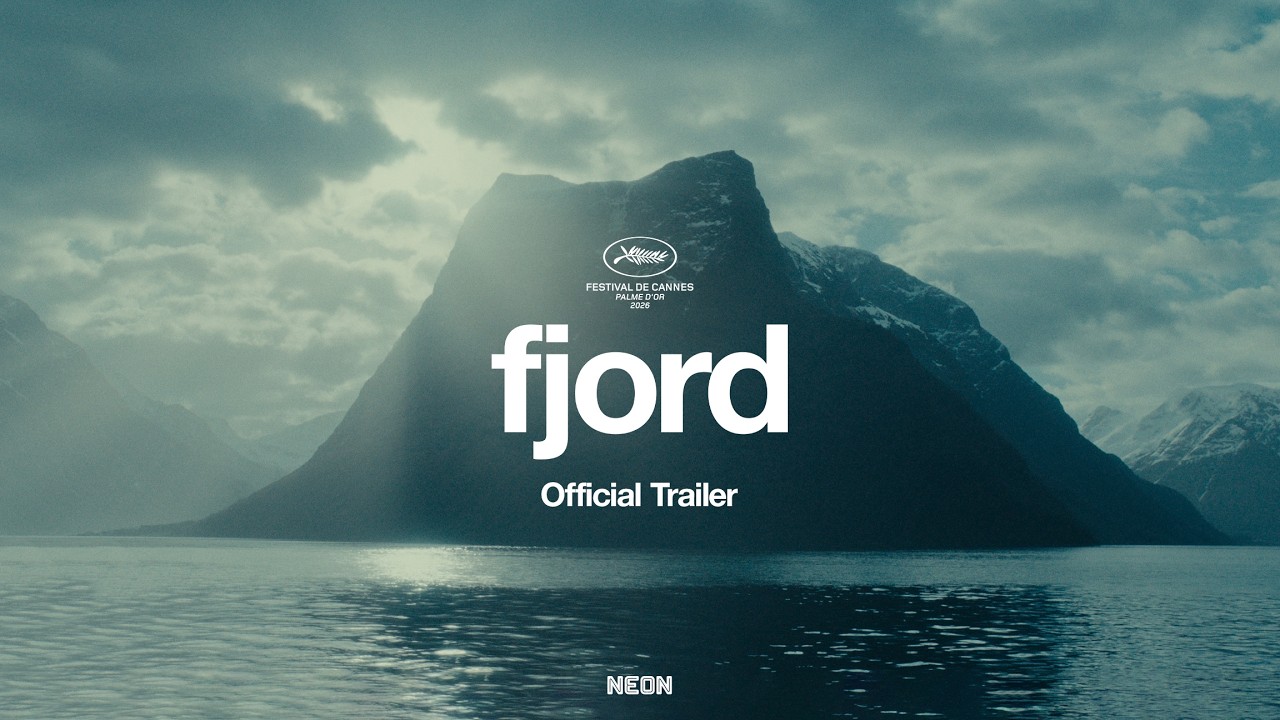
Romania / France / Norway / Denmark / Finland / Sweden | 2026 | 146 min | Social Drama
A Romanian Family in Norway Faces a Child Protection Investigation That Threatens to Tear Them Apart
In Fjord (2026), Mihai Gheorghiu (Sebastian Stan), a Romanian immigrant living in Norway, and his wife Lisbet (Renate Reinsve) face a devastating family crisis when concerns about their children’s welfare trigger an investigation by local authorities. Their parenting practices, religious values and cultural background come under scrutiny, creating tensions between their understanding of family responsibility and Norway’s child protection system. As the investigation escalates into a legal confrontation, the family faces the possibility of separation while struggling to defend its actions and understand the accusations against it. Directed by Cristian Mungiu, the film explores the emotional consequences of institutional intervention, questioning how justice can be achieved when parental rights, children’s welfare and cultural differences collide.
➡️ Storyline: Immigrant Family Life → Child Welfare Concerns → Institutional Investigation → Cultural Conflict → Judicial Scrutiny → Threat to Family Unity → Search for Justice.
Why to Watch Fjord: A Cannes-Winning Drama About Family, Justice and Institutional Power
Fjord combines social realism, family drama and legal suspense to examine how cultural differences, parenting practices and institutional authority can transform an ordinary family’s life into a complex moral and judicial conflict.
|
1. Cristian Mungiu’s Direction |
The Romanian filmmaker won the Palme d’Or and FIPRESCI Prize at Cannes 2026, bringing his socially observant approach to a morally complex family drama. |
|
2. Sebastian Stan and Renate Reinsve |
Stan portrays Mihai, a Romanian father confronting institutional scrutiny, while Reinsve plays Lisbet, his wife, as they navigate an escalating family crisis. |
|
3. Justice, Parenting and Cultural Conflict |
The film explores competing responsibilities involving parental authority, children’s protection, cultural identity and institutional fairness. |
|
4. Norwegian Setting and Social Realism |
The Scandinavian landscapes and restrained visual atmosphere provide a distinctive backdrop for an increasingly tense confrontation between family and state. |
|
5. Moral Complexity and Legal Suspense |
The narrative avoids easy judgments, encouraging audiences to consider conflicting perspectives on child welfare, parental rights and the limits of institutional power. |
➡️ Reason to Watch: A Palme d’Or-winning family drama featuring Sebastian Stan and Renate Reinsve that transforms a child protection investigation into a powerful examination of justice, cultural identity and the difficult balance between parental rights and children’s welfare.
Why Fjord Stands Out: A Family Crisis Challenges the Meaning of Justice
Fjord distinguishes itself through its examination of a morally complex conflict in which family values, cultural differences and institutional responsibilities intersect. Rather than presenting a straightforward story of innocent parents confronting an unjust system, Cristian Mungiu explores the competing perspectives surrounding child protection and parental authority. Mihai and Lisbet’s struggle reveals how cultural expectations can complicate communication and interpretation, while the investigation raises difficult questions about the responsibility of institutions to protect children without disregarding family rights. Sebastian Stan and Renate Reinsve bring emotional depth to the parents’ predicament, while the film’s restrained storytelling emphasizes uncertainty and psychological pressure. Its Cannes recognition reinforces its significance within contemporary European social cinema.
➡️ Why It Stands Out: A morally complex family drama that challenges audiences to reconsider justice when parental rights, children’s welfare and institutional authority come into conflict.
Movie Trend: Institutional Family Dramas — When Family Life Becomes a Matter of Public Authority
Institutional Family Dramas explore how private relationships become vulnerable to decisions made by courts, government agencies and other public authorities. Fjord reflects this trend through a Romanian family’s confrontation with Norway’s child protection and judicial systems, where parenting practices and cultural expectations become subjects of institutional scrutiny. The film examines how the authority to protect children can conflict with parental autonomy, creating emotional uncertainty and difficult moral decisions. By focusing on the family’s experience of investigation and legal proceedings, Cristian Mungiu transforms an intimate domestic crisis into a broader examination of institutional responsibility. The narrative suggests that justice requires careful consideration of competing rights, cultural contexts and the consequences of decisions affecting vulnerable individuals.
➡️ Movie Trend Insight: Institutional Family Dramas reveal how public authority can reshape private lives, exposing the difficult balance between protecting vulnerable people and respecting family autonomy.
Broad Trend: Justice / Fairness — Competing Rights Challenge Simple Definitions of What Is Right
Justice / Fairness reflects the human need for equitable treatment, transparent decisions and confidence that institutions act responsibly when resolving conflicts. In Fjord, the investigation into Mihai and Lisbet’s parenting raises questions about how fairness should be understood when parental rights, children’s welfare and cultural differences intersect. The film explores the tension between individual experiences and institutional standards, revealing how the same situation can be interpreted differently by families, authorities and the wider community. Rather than offering a simple judgment about who is right, the narrative emphasizes the difficulty of balancing competing responsibilities while minimizing harm. Through its legal and emotional conflict, Fjord reflects broader concerns about procedural fairness, institutional accountability and the protection of fundamental rights.
➡️ Broad Trend Insight: Justice becomes more complex when competing rights and responsibilities collide, requiring institutions to balance child protection, parental autonomy and fair treatment.
Viewer Profile: Audiences Interested in Social Justice, Family Conflict and European Cinema
Fjord is likely to appeal to audiences interested in socially engaged cinema, morally complex family dramas and stories examining institutional authority. Its combination of recognizable international actors, European social realism and a challenging legal conflict offers particular appeal to viewers who appreciate thought-provoking narratives that resist straightforward moral conclusions.
|
European arthouse enthusiasts, social drama viewers, legal thriller audiences and people interested in institutional justice |
|
|
Adult audiences interested in family relationships, cultural differences, ethical dilemmas and contemporary social issues |
|
|
Interested in international cinema, social questions, cultural identity, family dynamics and institutional accountability |
|
|
Social realism, European auteur cinema, family dramas, legal thrillers and morally complex storytelling |
|
|
Following Mihai and Lisbet as they confront a child welfare investigation and struggle to preserve their family |
|
|
Cannes-winning films, acclaimed European directors, international actors and socially relevant cinema |
|
|
Parental love, fear, uncertainty, empathy, frustration and the desire for justice |
Key Profiles: Three Audiences, Three Reasons to Watch
1. Social Realism and Institutional Justice Audiences
Viewers interested in films examining how institutions exercise authority and how their decisions affect individuals and families. Fjord raises questions about procedural fairness, child protection and the consequences of institutional intervention.
2. Family Drama and Cultural Identity Viewers
Audiences attracted to emotionally complex stories about parenting, immigration and cultural differences. Mihai and Lisbet’s experience explores how family values can become sources of conflict when they encounter unfamiliar social and institutional expectations.
3. European Arthouse and Award-Winning Cinema Enthusiasts
Viewers who follow major international festivals, acclaimed directors and character-driven European dramas. Cristian Mungiu’s Cannes recognition, combined with Sebastian Stan and Renate Reinsve’s performances, provides strong appeal for audiences seeking serious contemporary cinema.
➡️ Audience Insight: Fjord connects a family’s emotional struggle with broader questions about justice, cultural identity and institutional responsibility, appealing to viewers who value challenging stories about competing rights and moral uncertainty.
What This Movie Means for the Industry: Social Realism Turns Institutional Conflict Into Powerful Cinema
Fjord illustrates how contemporary European cinema can transform complex social and institutional issues into emotionally engaging family dramas. Cristian Mungiu uses a child welfare investigation to examine the competing responsibilities of parents, authorities and judicial institutions, creating a narrative that challenges simplistic interpretations of justice. The film’s combination of Romanian and Norwegian cultural perspectives gives the story international relevance, while Sebastian Stan and Renate Reinsve provide recognizable performances within a restrained, socially observant production. Its Palme d’Or and FIPRESCI wins at Cannes 2026 demonstrate significant critical recognition, although its reported $3.19 million worldwide gross indicates a more limited commercial footprint than mainstream studio releases. The film highlights the creative value of socially engaged storytelling that encourages discussion rather than providing easy answers.
➡️ Industry Insight: European social dramas can achieve international critical recognition by connecting intimate family conflicts with universal questions about justice, cultural differences and institutional responsibility.
Final Verdict: A Powerful Family Drama That Questions the Boundaries of Justice
Fjord (2026) is a morally challenging social drama that explores the emotional consequences of a child protection investigation involving a Romanian immigrant family in Norway. Cristian Mungiu combines restrained storytelling, legal tension and cultural conflict to examine how parental rights, children’s welfare and institutional responsibilities can become difficult to reconcile. Sebastian Stan and Renate Reinsve anchor the film’s emotional intensity, while its Cannes Palme d’Or and FIPRESCI recognition reinforce its critical significance. With a 7.6/10 IMDb rating and 78 Metascore, the film has received generally positive responses, although its deliberate pacing and 146-minute runtime may challenge viewers seeking conventional dramatic momentum.
➡️ Final Verdict: Fjord transforms a family’s confrontation with child protection authorities into a powerful examination of justice, cultural identity and institutional responsibility. Its morally complex storytelling and compelling central performances encourage audiences to question easy assumptions about parental rights and children’s welfare. The film is particularly suited to viewers interested in European social realism, emotionally demanding family dramas and cinema that explores difficult ethical questions.
Final Insights: Justice Requires Balancing Rights, Responsibilities and Human Consequences
The Justice / Fairness trend reflects the importance of equitable treatment, institutional accountability and the protection of competing rights. Fjord explores these concerns through a family’s confrontation with child welfare authorities, revealing how cultural differences and institutional decisions can create profound uncertainty about what constitutes fair treatment.
The Institutional Family Dramas trend transforms private domestic conflicts into broader examinations of public responsibility and moral complexity. By presenting competing perspectives on parental autonomy and children’s protection, the film challenges audiences to recognize the difficulty of reaching fair decisions when every outcome carries human consequences. Justice requires more than applying rules; it demands careful consideration of the people, rights and responsibilities affected by them.
➡️ Final Insight: Justice / Fairness → Institutional Family Dramas → Greater Awareness of Competing Rights and Institutional Responsibility. Fjord explores how a family’s struggle can reveal the complexity of balancing child protection, parental autonomy and cultural differences. The creative opportunity lies in developing socially engaged dramas that transform difficult institutional conflicts into emotionally compelling stories about fairness, responsibility and human dignity.






Leave a Reply