

XK / FR / CH | 2026 | 100 min | Coming-of-Age / War Drama
A Teenage Girl Discovers Courage and Resilience as War Threatens Her Childhood in Kosovo
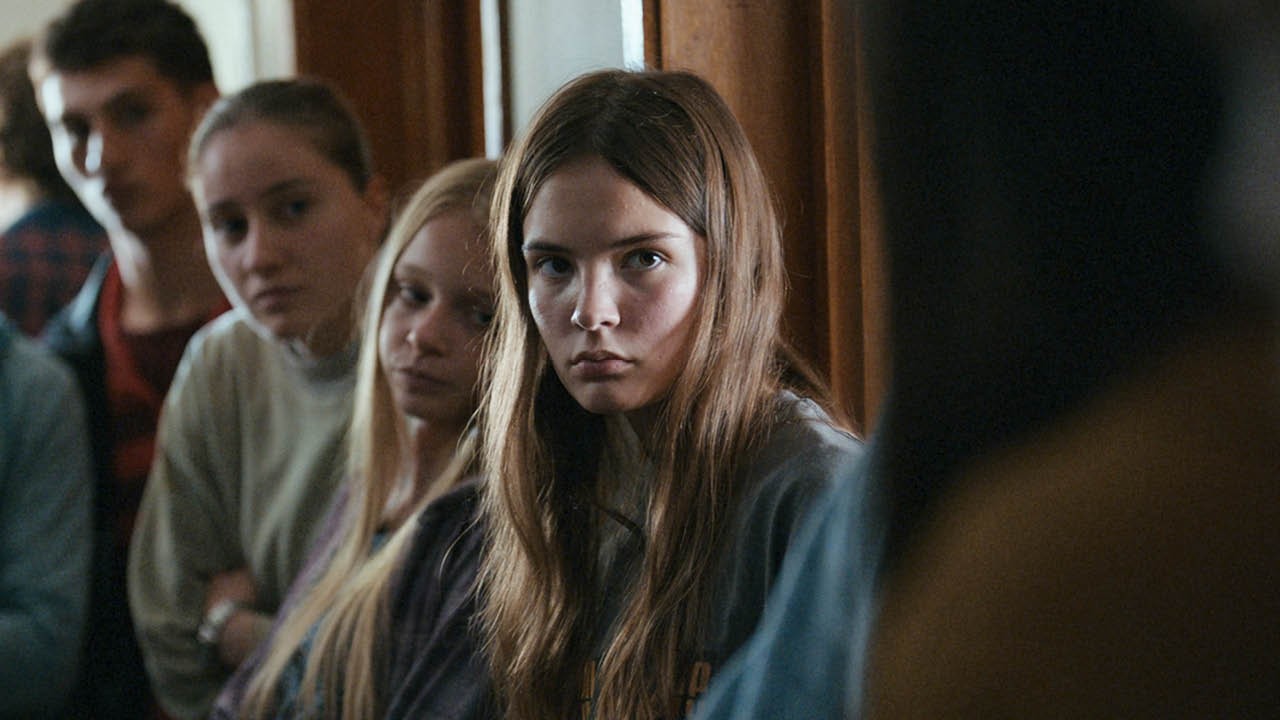
In Dua (2026), 13-year-old Dua (Pinea Matoshi) navigates the challenges of adolescence in late-1990s Pristina as escalating political tensions threaten her family and community. Caught between ordinary teenage aspirations and the growing threat of violence, Dua finds inspiration in a courageous friend who encourages her to discover her own strength. As her family fractures and childhood security becomes increasingly uncertain, she must find her own path toward safety. Directed by Blerta Basholli, the film explores the intersection of adolescence, female friendship, political oppression and personal resilience.
➡️ Storyline: Ordinary Teenage Life → Rising Political Tensions → Family Crisis → Female Friendship → Personal Courage → Search for Safety.
Why to Watch Dua: A Powerful Coming-of-Age Drama About Childhood, Courage and Survival
Dua offers an intimate perspective on the Kosovo conflict, examining the emotional consequences of political violence through a teenage girl’s experiences, relationships and transition toward adulthood.
|
1. Blerta Basholli’s Direction |
The acclaimed director of Hive continues exploring female resilience, personal agency and the human consequences of political conflict. |
|
2. Pinea Matoshi’s Performance |
The young actress captures the vulnerability, curiosity and determination of a teenager growing up under extraordinary circumstances. |
|
3. Childhood and Political Oppression |
The film examines how ethnic, political and gender-based oppression shapes adolescence, personal freedom and emotional development. |
|
4. Cinematography and Emotional Contrasts |
Intimate visual storytelling contrasts ordinary teenage experiences with family distress and the growing threat of war. |
|
5. International Festival Recognition |
Awards at Cannes, Thessaloniki and Zurich, alongside Kosovo’s official Academy Awards submission, highlight the film’s international artistic recognition. |
➡️ Reason to Watch: An emotionally compelling coming-of-age drama that humanizes the consequences of war through childhood innocence, female friendship and the courage to face an uncertain future.
Why Dua Stands Out: Childhood Continues Even When the World Is Falling Apart
Dua distinguishes itself by portraying political conflict through ordinary teenage experiences rather than concentrating on military confrontation. Music, friendship, family relationships and the transition toward womanhood coexist with fear and escalating violence. The contrast between childhood innocence and adult suffering creates an intimate perspective on the psychological consequences of war. Blerta Basholli emphasizes the individuality of young people whose aspirations, emotions and personal development continue despite circumstances beyond their control.
➡️ Why It Stands Out: A wartime drama that finds emotional power in the contrast between ordinary childhood experiences and extraordinary historical circumstances.
Movie Trend: Wartime Coming-of-Age Dramas — Growing Up When Childhood Can No Longer Be Protected
Wartime Coming-of-Age Dramas explore how political conflict accelerates emotional maturity and disrupts the natural transition from childhood to adulthood. Dua reflects this trend through a teenage girl whose personal development becomes inseparable from the escalating violence surrounding her family and community. By focusing on friendship, adolescence and everyday experiences, the film reveals how historical conflicts influence individual identity and emotional development. Its child-centered perspective makes complex political circumstances accessible through recognizable human experiences.
➡️ Movie Trend Insight: Wartime Coming-of-Age Dramas humanize historical conflicts by revealing how young people navigate emotional development, premature responsibility and the loss of childhood security.
Broad Trend: Resilience — Finding Personal Strength in Circumstances Beyond Our Control
Resilience reflects the human need to adapt, preserve hope and maintain personal agency during periods of adversity. In Dua, escalating political violence threatens the protagonist’s family stability, personal safety and freedom to experience adolescence. Female friendship becomes a source of encouragement, helping her discover courage amid uncertainty. The film presents resilience not as the absence of fear but as the ability to find emotional strength, meaningful relationships and a sense of direction despite circumstances that cannot be controlled.
➡️ Broad Trend Insight: Resilience is strengthened by human connection, emotional support and the ability to preserve personal agency when external circumstances threaten security and stability.
Viewer Profile: Audiences Interested in Childhood Resilience, Historical Memory and Human Stories
Dua is likely to appeal to viewers interested in emotionally authentic coming-of-age stories, historical dramas and socially conscious international cinema. Its teenage perspective creates opportunities for emotional identification across generations and cultural backgrounds.
|
Coming-of-age drama enthusiasts, historical cinema viewers and international arthouse audiences |
|
|
Young adults and mature audiences interested in adolescence, historical memory and intergenerational experiences |
|
|
Socially conscious, culturally curious and interested in human rights, history and independent cinema |
|
|
Wartime dramas, female-centered narratives, realistic coming-of-age films and European auteur cinema |
|
|
Understanding how young people navigate adolescence amid political violence and family instability |
|
|
International film festivals, Academy Awards submissions, emerging actors and culturally significant stories |
|
|
Empathy, courage, hope, solidarity and admiration for human resilience |
Key Profiles: Three Audiences, Three Reasons to Watch
Coming-of-Age Drama Enthusiasts
Viewers interested in childhood, identity formation and the transition toward adulthood. Dua’s experiences offer an emotionally complex perspective on growing up when ordinary teenage aspirations are threatened by extraordinary circumstances.
Historical and Socially Conscious Cinema Audiences
Audiences seeking films that explore political oppression, human rights and the personal consequences of historical conflicts. The film provides an intimate perspective on Kosovo’s history through the experiences of a young girl and her family.
Female-Centered Independent Cinema Audiences
Viewers interested in female friendship, personal agency and stories of women confronting social and political adversity. Dua’s growing determination highlights the importance of solidarity and emotional support during periods of uncertainty.
➡️ Audience Insight: Dua connects culturally specific historical experiences with universal motivations surrounding childhood, friendship, personal safety and emotional resilience.
Industry Insight: Historical Cinema Finds New Perspectives Through Childhood Experiences
Dua illustrates how historical dramas can reach international audiences by exploring political conflicts through intimate, character-driven narratives. Blerta Basholli’s focus on adolescence and female friendship provides an alternative to conventional war films centered on military events. Its international festival awards and Kosovo’s official Academy Awards submission highlight the artistic recognition of Balkan cinema and the potential of locally grounded stories to resonate across cultural boundaries. The film demonstrates how emerging filmmaking markets can contribute distinctive historical perspectives to global cinema.
➡️ Industry Insight: Wartime Coming-of-Age Dramas offer filmmakers opportunities to combine cultural authenticity, historical memory and universal emotional experiences, expanding the international relevance of locally rooted stories.
Final Verdict: An Intimate and Emotionally Powerful Portrait of Childhood in the Shadow of War
Dua (2026) is a coming-of-age drama that explores the emotional consequences of political conflict through the experiences of a teenage girl in late-1990s Kosovo. Blerta Basholli combines childhood innocence, female friendship and family instability to examine the development of personal resilience under extraordinary circumstances. Its 7.4/10 IMDb rating, international festival awards and official Academy Awards submission provide encouraging indicators of audience appeal and artistic recognition.
➡️ Final Verdict: Dua transforms a historically specific conflict into a universal story about childhood, courage and emotional survival. Its intimate storytelling and young female perspective offer a compelling alternative to conventional war dramas. The film is particularly suited to audiences seeking emotionally authentic coming-of-age stories, historical reflection and socially conscious international cinema.
Final Insights: Resilience Means Preserving Hope When the Future Becomes Uncertain
The Resilience trend reflects the human desire to maintain emotional strength, personal agency and hope during periods of adversity. Dua explores this motivation through a young girl whose childhood aspirations are challenged by political violence and family instability.
Wartime Coming-of-Age Dramas reveal how friendship, solidarity and personal courage help young people navigate circumstances beyond their control. Resilience is not simply surviving adversity but preserving the possibility of a future beyond it.
➡️ Final Insight: Resilience → Wartime Coming-of-Age Dramas → Emotional Strength and Personal Agency Amid Uncertainty. Dua demonstrates how childhood experiences can humanize historical conflicts and reveal the importance of friendship, courage and hope. The creative opportunity lies in developing culturally authentic historical dramas that connect personal resilience with universal human experiences.






Leave a Reply