

UK / US / Australia / Hungary | 2026 | 105 min | Dark Fantasy / Romantic Comedy / Satire
A Lonely Fisherwoman Orders a Wicker Husband and Turns Her Village Upside Down
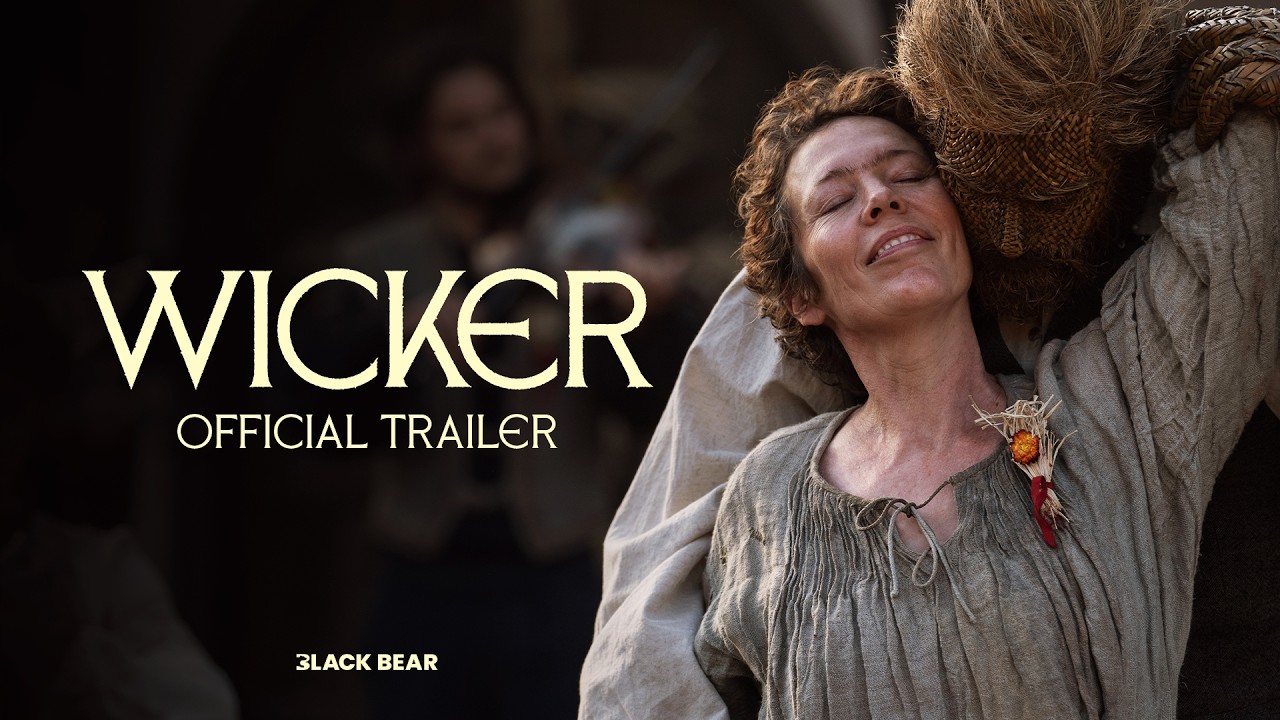
In Wicker (2026), an ostracized fisherwoman (Olivia Colman) lives on the margins of a small village, where her unconventional personality leaves her excluded from ordinary romantic expectations. Determined to find companionship, she commissions the local basketmaker (Peter Dinklage) to weave her a husband. The resulting Wicker Husband (Alexander Skarsgård) proves unexpectedly extraordinary, offering her affection and a relationship unlike anything the village has seen. However, their unusual romance provokes jealousy, resentment and social upheaval among the villagers. Directed by Alex Huston Fischer and Eleanor Wilson, the film combines dark fairy-tale fantasy, absurdist comedy and emotional storytelling to challenge conventional ideas about love, marriage and desirability. Beneath its eccentric premise lies a story about loneliness, acceptance and the freedom to find happiness outside society’s expectations.
➡️ Storyline: Social Rejection → Desire for Love → Handmade Husband → Unexpected Romance → Village Jealousy → Social Upheaval → Challenge to Convention.
Why to Watch Wicker: An Extraordinary Love Story That Challenges Romantic Conventions
Wicker combines an unusual fairy-tale romance with dark comedy and social satire, exploring how love can emerge in unexpected forms while challenging the expectations of a judgmental community.
|
1. Alex Huston Fischer and Eleanor Wilson’s Direction |
The filmmaking duo creates an eccentric romantic fantasy that combines dark fairy-tale storytelling, absurdist humor and social commentary. |
|
2. Olivia Colman and Alexander Skarsgård |
Colman portrays the ostracized Fisherwoman, while Skarsgård plays her extraordinary handmade husband, supported by Peter Dinklage and Elizabeth Debicki. |
|
3. Unconventional Love and Acceptance |
The film challenges traditional ideas of attraction, marriage and romantic happiness through a relationship that defies social expectations. |
|
4. Distinctive Visual Fantasy |
The Wicker Husband’s physical costume, created with involvement from Weta Workshop, gives the unusual central romance a memorable visual identity. |
|
5. Dark Humor and Emotional Storytelling |
The narrative combines absurd village behavior, strange traditions and genuine affection to explore loneliness, jealousy and individuality. |
➡️ Reason to Watch: An eccentric romantic fantasy featuring Olivia Colman and Alexander Skarsgård that turns a handmade husband into a humorous and touching exploration of unconventional love, social judgment and the desire to belong.
Why Wicker Stands Out: A Handmade Husband Exposes the Absurdity of Romantic Expectations
Wicker distinguishes itself through an extraordinary romantic premise that combines fairy-tale imagination with sharp observations about social conformity. The Fisherwoman’s decision to commission a husband challenges conventional assumptions about who deserves love and what an acceptable relationship should look like. Her wicker partner becomes a source of affection but also a disruption to the village’s established social order, exposing jealousy and the discomfort created when someone finds happiness outside accepted norms. Olivia Colman and Alexander Skarsgård bring emotional credibility to an intentionally absurd relationship, while the film’s distinctive physical costume and dark humor reinforce its unconventional identity. The result is a romantic fantasy that uses strangeness to explore recognizable human desires for intimacy, acceptance and personal freedom.
➡️ Why It Stands Out: A dark fairy-tale comedy that transforms an impossible romance into a playful challenge to traditional love, social conformity and the judgment of outsiders.
Movie Trend: Dark Fairy-Tale Comedies — Fantasy Exposes the Absurdity of Social Rules
Dark Fairy-Tale Comedies reinterpret familiar romantic and moral conventions through fantastical situations, eccentric characters and unsettling humor. Wicker reflects this trend by transforming the desire for companionship into the extraordinary creation of a handmade husband. What begins as an unconventional love story becomes a social satire when the village reacts with jealousy and resistance to the couple’s happiness. The film uses absurdity to expose how communities enforce expectations about marriage, attractiveness and acceptable relationships, while its fairy-tale setting allows these pressures to appear both ridiculous and recognizable. By combining dark comedy with genuine emotional stakes, Wicker demonstrates how fantasy can question everyday social rules without relying on conventional realism.
➡️ Movie Trend Insight: Dark Fairy-Tale Comedies use fantastical relationships and absurd humor to expose the contradictions of social expectations and challenge conventional definitions of happiness.
Broad Trend: Unconventional Love — Romantic Happiness Exists Beyond Traditional Expectations
Unconventional Love reflects the desire for meaningful relationships that do not necessarily follow established social expectations around attraction, partnership and marriage. In Wicker, the Fisherwoman’s relationship with a handmade husband challenges the village’s understanding of what romance should look like. Despite the extraordinary nature of their connection, the emotional motivations behind it remain familiar: companionship, affection, acceptance and the desire to be valued. The villagers’ jealousy reveals how unconventional relationships can threaten collective assumptions about desirability and social status. Through its fantastical premise, the film suggests that romantic happiness is not defined exclusively by conventional appearances or established relationship structures but by the emotional connection individuals experience.
➡️ Broad Trend Insight: Unconventional Love challenges traditional definitions of romance, emphasizing emotional connection, personal choice and acceptance over social expectations.
Viewer Profile: Audiences Interested in Unconventional Romance, Dark Fantasy and Social Satire
Wicker is likely to appeal to audiences interested in eccentric romantic comedies, dark fairy-tale storytelling and films that challenge conventional ideas about love and relationships. Its combination of recognizable stars, distinctive visual fantasy and absurdist humor offers crossover potential between romantic comedy viewers and audiences attracted to unconventional genre cinema.
|
Dark fantasy enthusiasts, unconventional romance viewers, absurdist comedy fans and audiences interested in social satire |
|
|
Adult audiences interested in alternative love stories, eccentric humor and contemporary interpretations of romantic conventions |
|
|
Interested in imaginative storytelling, individuality, relationships, alternative culture and socially unconventional characters |
|
|
Dark fairy tales, fantasy romantic comedies, absurdist satire and visually distinctive independent films |
|
|
Following the Fisherwoman’s unexpected romance and discovering how her extraordinary husband disrupts village expectations |
|
|
Star-led unconventional films, festival discoveries, dark comedy, fantasy romance and distinctive visual storytelling |
|
|
Loneliness, affection, curiosity, humor, acceptance and the desire for romantic freedom |
Key Profiles: Three Audiences, Three Reasons to Watch
1. Dark Fantasy and Fairy-Tale Comedy Enthusiasts
Viewers attracted to imaginative worlds, unusual characters and stories that reinterpret familiar social conventions through fantasy. The Wicker Husband’s extraordinary existence and the villagers’ absurd reactions create a distinctive blend of dark humor and fairy-tale romance.
2. Unconventional Romance and Relationship Audiences
Audiences interested in love stories that challenge traditional expectations around attraction, marriage and partnership. The Fisherwoman’s relationship offers an unusual perspective on companionship, acceptance and finding happiness outside social norms.
3. Star-Led Comedy and Independent Cinema Viewers
Viewers drawn to Olivia Colman’s character performances, Alexander Skarsgård’s unconventional roles and Peter Dinklage’s comic presence. The film’s festival recognition and distinctive visual identity provide additional appeal for audiences seeking original genre storytelling.
➡️ Audience Insight: Wicker connects dark fantasy with the universal desire for love, appealing to viewers who enjoy eccentric humor, unconventional relationships and stories that challenge society’s definitions of romantic happiness.
What This Movie Means for the Industry: Unconventional Romance Finds New Expression Through Fantasy
Wicker illustrates how fantasy and dark comedy can refresh romantic storytelling by challenging familiar relationship conventions. Rather than presenting another conventional love story, Alex Huston Fischer and Eleanor Wilson use an extraordinary handmade husband to explore loneliness, social judgment and the desire for acceptance. The film’s recognizable cast, distinctive practical costume design and blend of emotional storytelling with absurdist humor give it a strong creative identity. Its reported $40.3 million worldwide gross against an estimated $10.5 million production budget, alongside generally positive IMDb reception and festival awards, suggests that its unconventional premise has attracted measurable audience interest, although theatrical revenue alone does not establish profitability. The film demonstrates the potential for genre-blending romantic comedies to combine imaginative concepts with relatable emotional themes.
➡️ Industry Insight: Dark fantasy and unconventional romance can create distinctive entertainment by combining original visual concepts, recognizable emotional needs and humorous challenges to social expectations.
Final Verdict: An Eccentric Fairy-Tale Romance That Celebrates Love Beyond Convention
Wicker (2026) is a dark fantasy romantic comedy that transforms an extraordinary relationship into a playful examination of loneliness, acceptance and social conformity. Olivia Colman and Alexander Skarsgård bring emotional warmth to an intentionally absurd premise, while Peter Dinklage and Elizabeth Debicki contribute to the film’s eccentric village setting. Its combination of imaginative visual design, dark humor and romantic sincerity creates a distinctive cinematic identity, supported by a 7.4/10 IMDb rating, a 70 Metascore and festival recognition. Although its surreal humor and unusual premise may not appeal to every viewer, its strongest attraction lies in using fantasy to explore familiar human desires for affection and belonging.
➡️ Final Verdict: Wicker transforms an impossible romance into a darkly humorous fairy tale about love, acceptance and the freedom to challenge social expectations. Its eccentric characters, striking visual fantasy and emotionally sincere central relationship make it an unusual alternative to conventional romantic comedies. The film is particularly suited to audiences who appreciate dark fairy tales, absurdist humor and unconventional love stories that celebrate individuality.
Final Insights: Love Becomes More Meaningful When It Challenges Convention
The Unconventional Love trend reflects a growing cultural interest in relationships that challenge traditional expectations around attraction, partnership and romantic happiness. Wicker explores this idea through a Fisherwoman whose extraordinary handmade husband offers affection while provoking jealousy and resistance from her community.
The Dark Fairy-Tale Comedies trend transforms these social tensions into imaginative storytelling, using absurdity to question the rules governing relationships and acceptance. By combining unconventional romance with emotional sincerity, the film suggests that genuine affection matters more than social approval. Love becomes a form of personal freedom when individuals define happiness on their own terms.
➡️ Final Insight: Unconventional Love → Dark Fairy-Tale Comedies → Romantic Freedom Beyond Social Expectations. Wicker uses an extraordinary relationship to explore how love can challenge established ideas about attraction, marriage and belonging. The creative opportunity lies in developing imaginative romantic stories that combine unconventional relationships, emotional authenticity and playful social satire.





Leave a Reply