

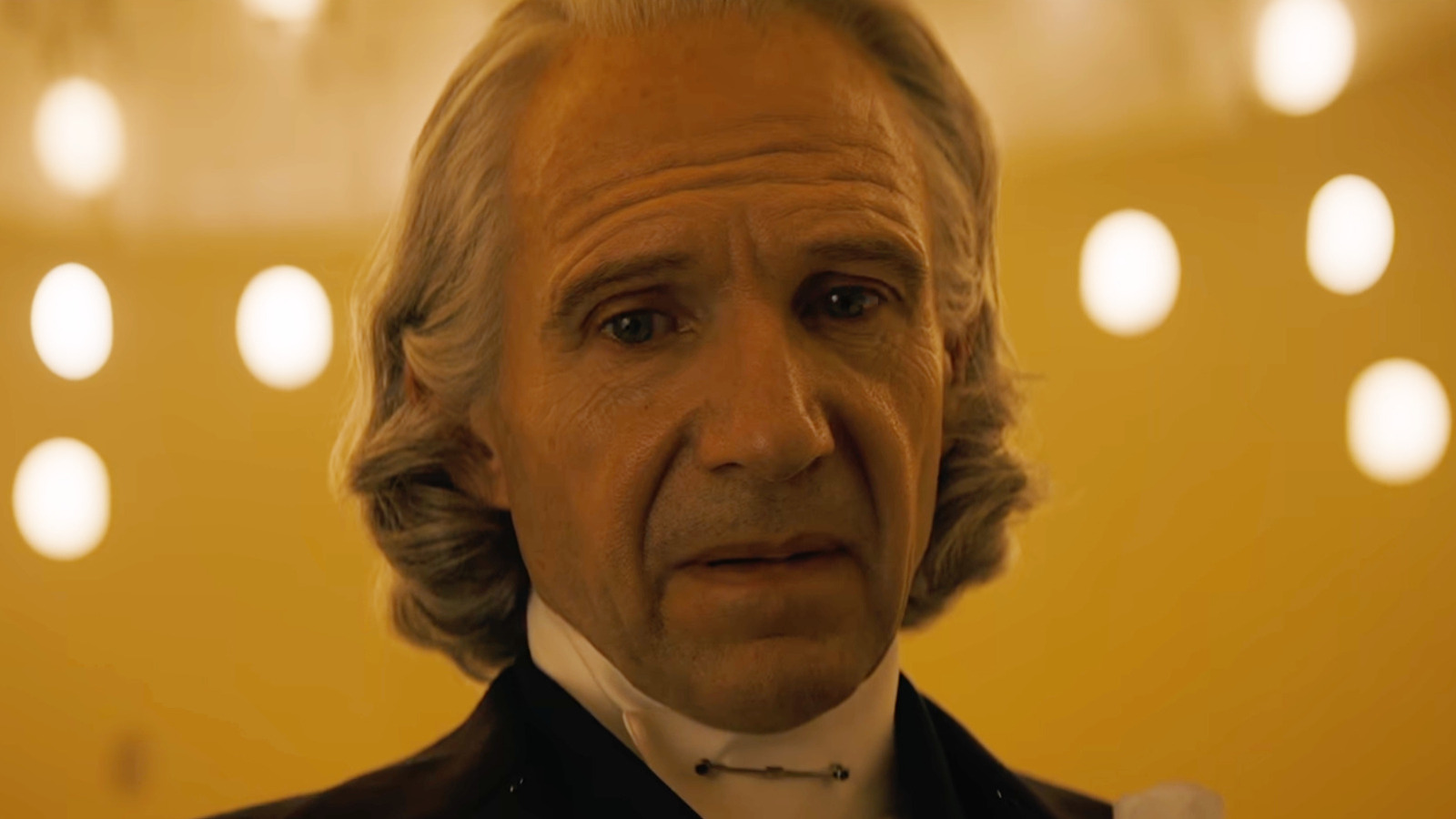
Suzanne Collins is the engine that drives the “Hunger Games” franchise. As the author behind the books, none of the movies happen without her. Beyond that, though, Collins has remained very close to the adaptations of her work, with Lionsgate consulting with her every step of the way. That’s especially true with the franchise’s latest prequel film, “The Hunger Games: Sunrise on the Reaping” — so much so that it resulted in a unique credit we rarely see in movies.
“Sunrise on the Reaping” ruled the box office on its opening weekend, meaning that quite a few people might have noticed that once the credits roll, there’s some text reading, “Adaptation by Suzanne Collins.” So, while Billy Ray and Michael Lesslie are credited with the movie’s screenplay, Collins got credit for the adaptation of her 2024 book of the same name. This is exceptionally rare in Hollywood.
“In the interest of avoiding a multiplicity of credits, the Guild is opposed to the general use of the ‘Adaptation by’ credit,” the Writers Guild of America’s screen credits manual states. But that doesn’t mean it never gets used, and “Sunrise on the Reaping” warranted its rare usage. The manual further explains:
“The Guild recognizes that there are certain unusual cases where credit is due a writer who shapes the direction of screenplay construction without qualifying for ‘Screenplay by’ credit. In those special cases, and only as a result of arbitration, the ‘Adaptation by’ credit may be used.”
Who gets credit for a screenplay can be difficult to actually pin down. In the movie business, it’s rare that it’s literally just one person writing a script and that’s that. It’s why Joss Whedon wasn’t credited for his writing work on “Speed.” It’s also why Collins nabbed this unique credit.
Suzanne Callins was very involved with The Hunger Games: Sunrise on the Reaping
Arbitration is a process used primarily to determine writing credits. As the WGA manual states, arbitration is usually the only way that this “Adaptation by” credit winds up being used. That doesn’t mean that things got contentious between Billy Ray, Michael Lesslie, and Suzanne Collins, it’s just a unique situation.
Collins generally feels happy with the “Hunger Games” movie adaptations and even co-wrote the first movie personally. By all accounts, she has a good relationship with Lionsgate, director Francis Lawrence, and other key creatives. The fact that she wound up with this rare credit, if anything, reflects her level of involvement.
Speaking with The Hollywood Reporter, Ray offered a window into the collaboration, explaining that he communicated very directly with Collins when it came to determining how to adapt her latest book for the screen:
“At the very beginning of the process, I asked Suzanne, ‘What is this book about for you?’ She talked about the philosophy of the book: the philosophy of propaganda and implicit submission, the philosophy of Thomas Hobbes, David Hume, and John Locke. And I said, ‘Suzanne, what’s the book about for you emotionally?’ She said, ‘It’s about love and loss.’ I said, ‘Great, that’s what I’m writing.’ So, anything that didn’t stick to that had to go.”
In many cases, the writer of a book is left out in the cold when it comes to that book being turned into a movie. But not in this case. The few changes “Sunrise on the Reaping” makes to its source material don’t appear to be against Collins’ wishes. She was being consulted behind the scenes the whole way and was credited as such.
“The Hunger Games: Sunrise on the Reaping” is in theaters now.






Leave a Reply