


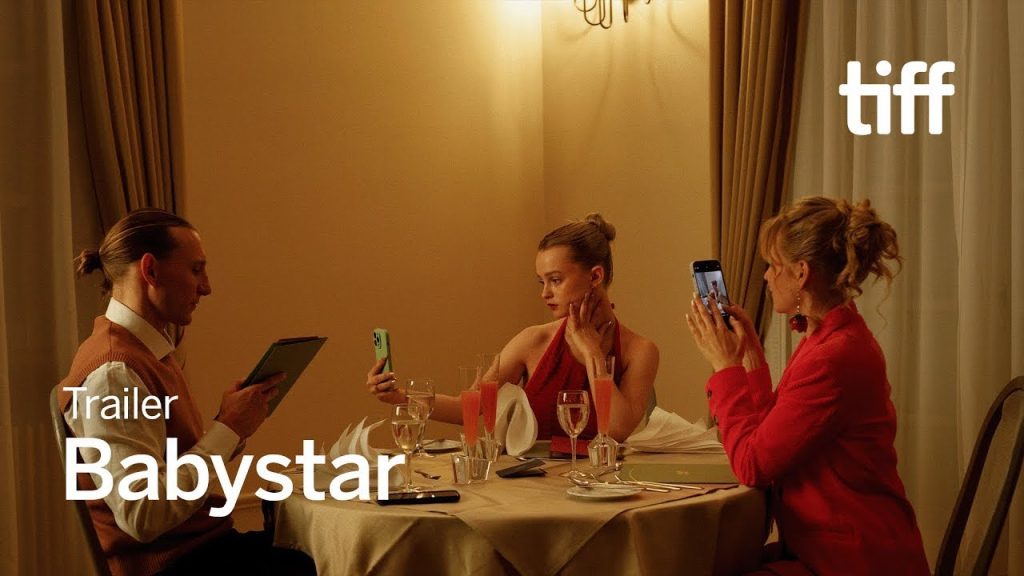
DE | 2025 | 98 min | Drama / Social Satire
A Teenage Influencer Discovers Her Entire Childhood Has Become Her Parents’ Business
In Babystar (2025), Luca (Maja Bons) has spent her entire life in front of a camera, becoming the central attraction of her parents’ successful family vlogging business. Known to millions of followers as Nunki, she has been filmed since birth, with her most intimate childhood experiences transformed into publicly consumed entertainment. As she enters adolescence, the distinction between her real identity and the online persona created by her parents becomes increasingly difficult to ignore. When the family prepares to welcome another child, Luca confronts the implications of a lifestyle in which personal experiences are continuously documented and commercialized. Directed by Joscha Bongard, the film explores how influencer culture, parental control and constant online visibility can undermine privacy, independence and the development of personal identity.
➡️ Storyline: Childhood Filmed From Birth → Family Influencer Fame → Public Persona Replaces Personal Identity → Growing Discomfort → Family Content Expands → Questions About Privacy and Control → Search for Independence.
Why to Watch Babystar: The Hidden Cost of Growing Up as Online Content
Babystar combines social media criticism, family conflict and coming-of-age themes in a provocative examination of how influencer culture can transform childhood into a commercial product.
|
1. A Timely Social Media Story |
A teenager raised in a family vlogging business begins questioning the consequences of having her life shared with millions of followers. |
|
2. The Exploitation of Childhood |
The film examines how parents can turn intimate family experiences into monetized content without meaningful consent from their children. |
|
3. A Search for Personal Identity |
Luca struggles with the distinction between her real self and Nunki, the online persona known to her family’s audience. |
|
4. A Critical Look at Influencer Culture |
The story explores how audience expectations, commercial incentives and constant documentation can reshape family relationships. |
|
5. International Festival Exposure |
The film was viewed at the Toronto International Film Festival and Golden Apricot Film Festival, with two IMDb-listed nominations. |
➡️ Reason to Watch: A contemporary drama exploring how family vlogging, commercialized childhood and constant online visibility can threaten privacy, autonomy and personal identity.
Why Babystar Stands Out: Childhood Becomes a Commercial Product
Babystar stands out by exploring influencer culture from the perspective of a teenager whose public identity was created before she could consent to it. Unlike conventional social media stories focused on individuals actively seeking fame, Luca has grown up inside a family business where everyday experiences become content and personal boundaries are shaped by audience expectations. Her parents’ decision to document another child’s life reinforces the tension between family relationships and commercial interests. Through this perspective, the film transforms the familiar world of family vlogging into a critique of digital exploitation, parental authority and the loss of personal autonomy.
➡️ Why It Stands Out: A social media drama that examines the consequences of growing up as commercial content rather than choosing online fame independently.
Movie Trend: Influencer Culture Dramas — When Online Fame Replaces Personal Identity
Influencer Culture Dramas examine how social media visibility, commercial content creation and audience expectations influence personal relationships and individual identity. Babystar reflects this cinematic direction through Luca, whose childhood has been continuously documented and monetized by her parents. Her online persona, Nunki, becomes a public identity that competes with her ability to define herself independently. The family’s dependence on constant content creation further illustrates how private experiences can become business opportunities, blurring the distinction between authentic relationships and public performance. Through Luca’s experience, the film explores how influencer culture can transform personal identity into a commercial asset controlled by others.
➡️ Movie Trend Insight: Influencer culture dramas reveal how online visibility and commercial incentives can reshape identity, relationships and the boundaries between private life and public performance.
Broad Trend: Authenticity / Identity — The Search for a Self Beyond Online Fame
Authenticity / Identity reflects the desire to develop a genuine sense of self independently of external expectations, public image and social approval. In Babystar, Luca’s struggle emerges from the conflict between her personal identity and the digital persona created by her parents. Known to millions of followers as Nunki, she has spent her childhood performing a version of herself shaped by commercial interests and audience expectations. As she becomes increasingly aware of this arrangement, questions about privacy, autonomy and personal choice become central to her development. Through this conflict, the film explores how authenticity becomes difficult to achieve when individual identity is continuously defined, documented and commercialized by others.
➡️ Broad Trend Insight: The search for authenticity becomes increasingly important when social media visibility and external expectations threaten individuals’ ability to define their own identities.
Viewer Profile: Audiences Interested in Influencer Culture, Digital Identity and Childhood Exploitation
Babystar may appeal to contemporary drama enthusiasts, social media culture followers and audiences interested in digital rights, family relationships and coming-of-age stories. Its examination of family vlogging, online identity and commercialized childhood suggests particular relevance for viewers concerned with the ethical consequences of constant digital exposure. These profiles are editorial hypotheses rather than measured audience demographics.
|
Contemporary drama viewers, social media culture followers and audiences interested in digital ethics |
|
|
Potentially younger adult and adult audiences familiar with influencer culture, online identity and family content creation |
|
|
Interested in digital culture, social media, personal privacy, family relationships and contemporary social issues |
|
|
Social media dramas, digital dystopias, coming-of-age films, social satires and character-driven independent cinema |
|
|
Discovering how a teenager raised as an online celebrity confronts her parents’ control over her public identity |
|
|
International festival cinema, contemporary European dramas, films about internet culture and socially relevant storytelling |
|
|
Authenticity, independence, privacy, recognition, identity and the desire for personal autonomy |
Key Profiles: Three Audiences, Three Reasons to Watch
1. Social Media and Digital Culture Enthusiasts
Audience Description: Viewers interested in how influencer culture shapes relationships, identity and everyday behavior. Luca’s experience offers a critical perspective on family vlogging and the transformation of personal experiences into commercial content.
2. Coming-of-Age and Identity Drama Viewers
Audience Description: Audiences drawn to stories about young people developing independence and questioning the expectations imposed by family or society. Luca’s struggle to distinguish her real identity from her online persona provides a contemporary variation on familiar coming-of-age themes.
3. Digital Rights and Socially Critical Cinema Audiences
Audience Description: Viewers interested in children’s privacy, online exploitation and the ethical responsibilities of parents who monetize family life. The film’s depiction of commercialized childhood raises questions about consent, autonomy and the boundaries of parental authority.
➡️ Audience Insight: Babystar connects with potential viewers through the tension between digital visibility and personal authenticity, exploring how growing up as online content can influence identity, privacy and independence.
What This Movie Means for the Industry: Influencer Culture Becomes a Source of Socially Critical Cinema
Babystar illustrates how contemporary filmmakers can use influencer culture and family vlogging to explore broader questions about identity, privacy and commercial exploitation. By centering its story on a teenager whose childhood has been monetized by her parents, the film shifts attention from the appeal of online fame toward its potential consequences for individuals who never chose public visibility. Its combination of coming-of-age drama and social criticism reflects growing cinematic interest in the influence of digital platforms on personal relationships. For filmmakers, the creative opportunity lies in developing stories that examine how online economies reshape family dynamics, individual autonomy and the boundaries between authentic experience and commercial performance.
➡️ Industry Insight: Influencer culture dramas can connect contemporary digital issues with universal themes of identity, family conflict and personal freedom, creating opportunities for socially relevant storytelling.
Final Verdict: A Provocative Drama About Childhood, Influencer Culture and Digital Identity
Babystar (2025) presents a contemporary drama about a teenager whose entire childhood has been transformed into commercial content by her family influencer parents. Joscha Bongard combines social media criticism with coming-of-age themes to explore the consequences of constant visibility, parental control and the commercialization of personal identity. Maja Bons’ portrayal of Luca provides the emotional foundation for a story about a young person questioning the public persona imposed on her. Its IMDb rating of 6.1/10 from 207 ratings suggests mixed early audience reception, with supplied reviews praising its timely subject and central performance while identifying uneven storytelling and underdeveloped narrative elements as limitations.
➡️ Final Verdict Insight: A socially critical coming-of-age drama that explores how family vlogging and commercialized childhood can undermine privacy, autonomy and the development of an authentic personal identity.
Final Insights: Growing Up Online Creates a Conflict Between Identity and Visibility
The Authenticity / Identity trend reflects the human desire to develop an independent sense of self without being defined by external expectations or public image. Babystar explores this motivation through Luca, whose childhood has been documented and monetized before she could meaningfully consent. Her experience highlights how constant online exposure can create conflict between personal identity and the commercial persona constructed for an audience.
The Influencer Culture Dramas trend translates these concerns into stories about digital exploitation, family relationships and the consequences of social media fame. By examining a teenager raised as online content, the film questions the boundaries between parenting, entertainment and commercial interests. Its broader creative opportunity is to develop socially relevant films that explore digital identity, children’s rights and the growing tension between authentic personal experiences and commercialized online visibility.
➡️ Final Insight: Authenticity / Identity → Influencer Culture Dramas → Reclaiming Personal Identity Beyond Online Fame. Babystar explores how family vlogging and commercialized childhood can challenge privacy, independence and the development of an authentic self. The film highlights the potential of contemporary cinema to examine digital exploitation through emotionally relevant stories about identity, autonomy and family relationships.