


SE | 2026 | 113 MIN | DRAMA
➡️ Where to Watch: SW
One Adult Refuses to Give Up on a Young Life
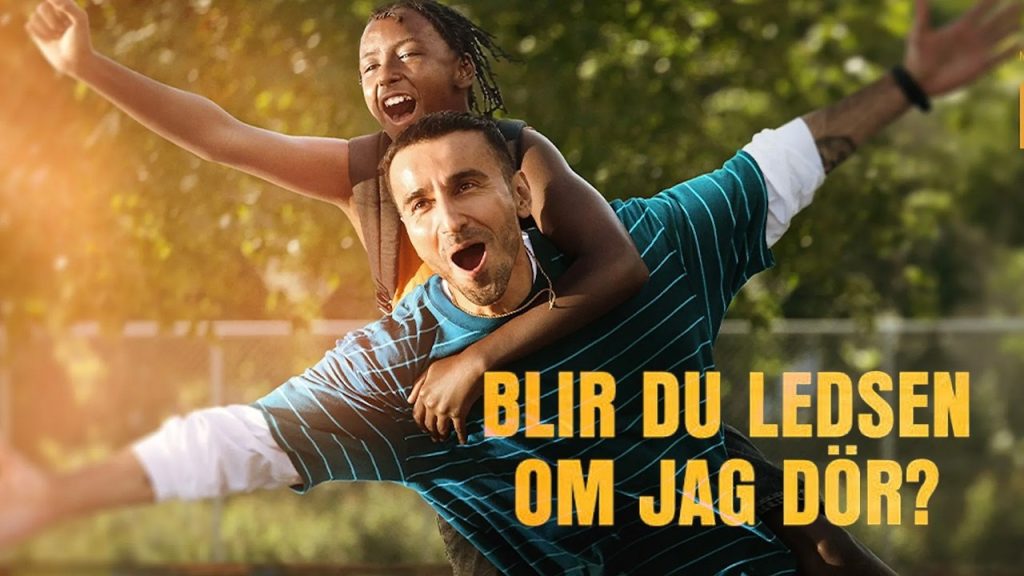
In Malmö, youth worker Nic has spent years trying to keep young people away from violence and criminality. Every death makes that mission harder to believe in, until he meets Elijah, a talented 14-year-old basketball player whose ability on the court offers a glimpse of a future beyond the dangerous environment surrounding him.
Rojda Sekersöz turns Nicolas Lunabba’s autobiographical story into an emotional drama about what happens when helping someone stops being a professional responsibility and becomes deeply personal. Nic does not simply encourage Elijah from the sidelines: he begins crossing boundaries in an attempt to give him the stability, belief and opportunity that could change the direction of his life.
➡️ Movie Insight: Blir du ledsen om jag dör? makes caring for another person its central dramatic act. Basketball provides Elijah with possibility, but Nic’s refusal to abandon him gives that possibility somewhere to grow. The film asks how much responsibility one person should accept when a young life is slipping toward danger.
Why This Movie Matters Right Now: Young Lives Need More Than Warnings
Stories about youth violence frequently concentrate on what happens after young people enter criminal environments. Blir du ledsen om jag dör? shifts attention toward the moment before that point, when intervention, friendship and opportunity might still change what happens next.
That makes Nic’s relationship with Elijah more important than a conventional mentor-and-protégé storyline. The film places adult responsibility alongside youth vulnerability, showing that telling a teenager to make better choices means little if nobody is prepared to help create realistic alternatives.
➡️ Why It Matters: The film turns youth violence into a story about intervention rather than inevitability. It asks audiences to look at the adults and communities surrounding vulnerable teenagers as closely as the teenagers themselves. Its hopeful message is that changing one life still matters, even when changing the wider system feels impossible.
Should You Watch It?: An Emotional Drama Driven by Friendship and Hope
Watch Blir du ledsen om jag dör? if you respond to character-driven social dramas that combine difficult realities with emotional optimism. The story moves through poverty, insecurity, violence and the threat of gang crime, but its emotional center remains the developing relationship between Nic and Elijah.
Peshang Rad carries Nic’s exhaustion and determination, while Rudwan Socdal gives Elijah the restless energy of a teenager who cannot simply be reduced to the dangers around him. Their relationship gives the film its tension: Nic can see what Elijah might become, but believing in someone does not automatically make saving them easy.
➡️ Viewing Recommendation: This is especially suited to viewers who like socially conscious dramas built around strong relationships rather than crime mechanics. Its basketball setting also gives the story momentum beyond the conventional social-realist framework. Expect an emotional, openly hopeful film about the difficult work of refusing to give up on somebody.
Why Everyone Is Talking About It?: A Bestseller Becomes a Major Swedish Cinema Story
The film arrives with recognition already attached to its source material. It adapts Nicolas Lunabba’s acclaimed autobiographical book and brings his experiences working with vulnerable young people in Malmö to the screen, transforming an intensely personal story into a wider conversation about children, poverty, violence and adult responsibility.
Its cinema launch also gained visibility through a preview at Way Out West 2026 before its nationwide Swedish theatrical release. The combination of a well-known book, Rojda Sekersöz behind the camera and an emotionally direct true-life story gives the film the potential to move beyond conventional arthouse audiences and become part of a broader social conversation.
➡️ Viral Potential: The central question is instantly discussable: how far would you go to stop a young person you care about from being lost? Nic and Elijah’s relationship gives audiences an emotional way into much larger conversations about gang violence and vulnerable youth. That combination of personal stakes and recognizable social reality gives the film strong word-of-mouth potential.
Why Blir du ledsen om jag dör? Stands Out: Violence Is Not the Main Character
The film could easily have become another story dominated by gangs, crime and escalating danger. Instead, Sekersöz keeps redirecting attention toward care, friendship and the possibility that somebody’s trajectory can change when another person decides they are worth fighting for.
Basketball is crucial to that approach. Elijah is not introduced simply as a vulnerable teenager but as someone with talent, ambition and potential. The court represents a version of his future that competes with the forces pulling him elsewhere, allowing the film to frame opportunity itself as part of the battle.
➡️ Cinema Insight: Blir du ledsen om jag dör? approaches youth violence through the people trying to prevent it. That changes the emotional language from fear toward responsibility, attachment and hope. The result is a social drama in which caring becomes as dramatically important as conflict.
Movie Trend: Youth Mentorship — One Adult Can Change a Young Life
Blir du ledsen om jag dör? belongs to a powerful strand of contemporary character drama in which the relationship between an adult and a vulnerable young person becomes the mechanism for confronting much larger social problems. These stories work because audiences experience poverty, violence, exclusion or inequality through a human relationship rather than through statistics or institutions.
Nic represents the possibilities and limitations of mentorship simultaneously. He can offer Elijah guidance, basketball, stability and belief, but he cannot simply remove every danger surrounding him. The emotional tension comes from that imbalance: an adult may not be able to repair the world around a young person, yet choosing to remain present can still transform what that young person believes is possible.
➡️ Movie Trend: Youth mentorship stories turn large social problems into intensely personal cinema. They show how opportunity often begins with someone recognizing potential before the person at risk can fully recognize it themselves. Blir du ledsen om jag dör? makes that act of belief the foundation of its drama.
Viewer Profile: Audiences Looking for Hope Inside Social Reality
The strongest audience is likely to be viewers attracted to contemporary European dramas that combine social issues with emotionally accessible characters. The film can also reach audiences interested in youth culture, basketball, education, community work and stories based on real experiences.
Its hopeful tone potentially broadens that audience. Rather than asking viewers to spend two hours observing an inescapable cycle of violence, the film provides an emotional counterweight through friendship, humour, ambition and the possibility of change.
|
Viewers of contemporary European social and character dramas |
|
|
Audiences interested in youth stories, basketball, mentorship and true-life adaptations |
|
|
Primarily adults and younger adult viewers |
|
|
Broad appeal across genders |
|
|
Broad middle-income and culturally engaged audiences |
|
|
Cinema audiences interested in social issues, community stories and contemporary Scandinavian culture |
|
|
Festival cinema, independent films, Nordic drama, streaming drama and book adaptations |
➡️ Audience Insight: The movie can connect with audiences who want social relevance without abandoning emotional accessibility. Basketball and the central friendship create recognizable entry points into a much harder story about youth vulnerability. Its strongest audience proposition is ultimately simple: this is a story about what believing in another person can do.
What This Movie Means for the Industry: Social Drama Can Still Be Hopeful
Blir du ledsen om jag dör? demonstrates how socially engaged filmmaking can address serious contemporary issues without making despair its only dramatic language. Violence, poverty and instability remain essential to the story, but the film builds its audience connection through characters capable of humour, affection, ambition and change.
The adaptation also demonstrates the value of bringing recognizable nonfiction and autobiographical stories into accessible narrative cinema. Nicolas Lunabba’s experiences provide the social foundation, while Sekersöz translates that material into a relationship-driven film capable of reaching viewers who may never encounter the original book.
➡️ Industry Insight: Social dramas do not need to choose between relevance and emotional accessibility. Strong personal relationships can make difficult subjects more immediate without removing their seriousness. Blir du ledsen om jag dör? shows how true-life material, recognizable social issues and audience-friendly storytelling can reinforce one another.
Creative Analysis: Turning Social Crisis Into a Story About Connection
Sekersöz builds the film around a compelling contradiction: Nic wants to believe that his work matters while years of exposure to young lives lost to violence are making that belief increasingly difficult to sustain. Elijah becomes both a teenager Nic cares about and a test of whether individual intervention can genuinely make a difference.
That gives the movie two simultaneous journeys. Elijah needs a route toward a different future, while Nic needs a reason to continue believing that such a future can be created.
Storytelling: One Relationship Carries a Bigger Social Story
The screenplay by Wiktor Ericsson adapts Nicolas Lunabba’s autobiographical material around the relationship between Nic and Elijah. Instead of attempting to explain every dimension of youth violence, the film uses their increasingly close connection to make the issue personal.
Basketball gives the narrative a tangible goal. Elijah has something he could potentially move toward, which means the dramatic question is not simply whether he can escape danger but whether talent and opportunity can become powerful enough to compete with his environment.
Direction: Emotion Is Allowed to Be Big
Rojda Sekersöz does not treat the material as detached social observation. The filmmaking pushes toward emotion, humour and dramatic intensity, giving Nic and Elijah’s relationship a more openly accessible quality.
That choice distinguishes the film from colder forms of Scandinavian social realism. The objective is not simply to document vulnerability but to make audiences emotionally invest in the possibility that this particular young life can change.
Performances: The Relationship Depends on Nic and Elijah
Peshang Rad gives Nic the emotional weight of someone who has spent years trying to help people while accumulating the consequences of those he could not save. His determination therefore carries exhaustion underneath it.
Rudwan Socdal’s Elijah needs to be more than someone waiting to be rescued, and the character’s basketball ability, humour, anger and teenage unpredictability help preserve that independence. The relationship becomes convincing because Elijah remains a personality rather than becoming a symbol.
Visual Style: Basketball Creates Movement Inside the Drama
The basketball environment gives the film a visual and physical counterpoint to its heavier social material. Courts, movement and competition create spaces where Elijah can be seen through ability rather than vulnerability.
That distinction matters visually as well as narratively. Away from the dangers surrounding him, basketball allows the audience to see the future Nic sees: a teenager capable of becoming something more than another statistic.
Themes: Caring Becomes a Form of Responsibility
The film explores mentorship, friendship, poverty, youth violence, masculinity, responsibility and the limits of individual intervention. Underneath all of those themes is a deceptively simple idea: noticing somebody is different from accepting responsibility for them.
Nic crosses that line. Once Elijah becomes more than another teenager passing through his professional life, helping him demands increasingly personal choices and forces Nic to confront what responsibility actually means.
What Makes It Different: Hope Is Treated Seriously
Many films about young people living close to criminal environments build toward fatalism. Blir du ledsen om jag dör? recognizes that danger while refusing to make it the only possible ending.
Its distinguishing quality is the seriousness with which it treats hope. Believing in Elijah is not presented as sentimental decoration around the story; it becomes the action around which the entire story is constructed.
➡️ Creative Insight: Sekersöz turns a socially urgent subject into a relationship-driven drama with emotional scale. Basketball, performance and an openly hopeful tone prevent the film from becoming defined solely by violence. Its creative identity comes from treating human connection as something powerful enough to become cinematic action.
If You Liked Blir du ledsen om jag dör? (2026): Young Lives Looking for Another Way
These recent films connect with Blir du ledsen om jag dör? through young people facing difficult circumstances, adults struggling with responsibility and relationships that can change the direction of another person’s life. The recommendations prioritize recent cinema while keeping the connection to care, vulnerability and the possibility of a different future.
Olmo (2026) by Fernando Eimbcke: Growing Up When Responsibility Gets in the Way
Teenager Olmo spends much of his life helping care for his bedridden father, leaving little space for the freedom and experiences normally associated with adolescence. When an invitation to a party offers the possibility of escaping those responsibilities for one night, he begins a chaotic journey toward a life that briefly feels like his own.
➡️ Why It Connects: Olmo and Elijah are teenagers whose circumstances threaten to shape their futures before they have fully discovered who they want to become. Both films look beyond the social conditions surrounding their young protagonists and allow them to have personality, humour, desires and ambitions. They ultimately ask how much opportunity young people really have when responsibilities and environments outside their control are already determining their choices.
Young Mothers (2025) by Jean-Pierre and Luc Dardenne: Young People Fighting for a Different Future
Jessica, Perla, Julie, Ariane and Naïma are young mothers living in a maternal support home in Belgium. Each is trying to build a better future for herself and her child while confronting difficult family histories, unstable relationships and the responsibilities of becoming a parent before fully establishing an independent life.
➡️ Why It Connects: Like Blir du ledsen om jag dör?, Young Mothers focuses on vulnerable young people without allowing vulnerability to become their entire identity. Support, trust and the presence of adults willing to help become essential to the possibility of changing direction. Both films are interested in what happens when somebody is given a genuine opportunity instead of simply being judged for the circumstances surrounding them.
If I Had Legs I’d Kick You (2025) by Mary Bronstein: Caring for Someone When Everything Is Falling Apart
Linda is a mother and therapist trying to manage her daughter’s illness while her husband is absent, her home is falling apart and her own emotional stability is deteriorating. As one responsibility follows another, caring for somebody else becomes inseparable from the struggle to keep herself functioning.
➡️ Why It Connects: The circumstances are very different, but both films ask what happens when caring for another person becomes more than a responsibility and begins consuming the caregiver’s own life. Nic refuses to abandon Elijah even as the situation becomes increasingly personal, while Linda struggles under the overwhelming demands of caring for her daughter. Both turn care into dramatic action rather than treating it as a passive emotion.
➡️ If You Liked Insight: These films extend Blir du ledsen om jag dör?’s interest in young lives, responsibility and the people who refuse to look away when somebody needs help. Olmo and Young Mothers bring the recommendations firmly into the 2025–2026 generation of youth-focused cinema, while If I Had Legs I’d Kick You expands the connection toward the emotional cost of caring for another person. Together, they show contemporary cinema increasingly treating care, support and human connection as powerful responses to lives under pressure.
Final Verdict: A Hopeful Story About Refusing to Give Up
Blir du ledsen om jag dör? takes a subject easily dominated by fear — vulnerable teenagers growing up close to violence and gang crime — and finds its dramatic center somewhere else. Nic and Elijah’s relationship allows the film to ask not simply why young people are lost, but what adults are prepared to do before that happens.
That makes the movie emotionally direct and socially relevant without surrendering to fatalism. Its deepest argument is not that one mentor can solve a structural problem, but that structural problems never make individual acts of care meaningless.
➡️ Final Verdict: Blir du ledsen om jag dör? is an emotionally accessible Swedish social drama anchored by friendship, basketball and the possibility of change. Peshang Rad and Rudwan Socdal give its larger questions a human center. Its most memorable idea is also its simplest: sometimes changing one life is enough reason to keep trying.
Quick Facts: Blir du ledsen om jag dör? at a Glance
|
Nicolas Lunabba’s autobiographical book Blir du ledsen om jag dör? |
|
|
Peshang Rad, Rudwan Socdal |
|
|
Jason “Timbuktu” Diakité, Imen “Imenella” Mohamed, Sandra Stojiljkovic, Ida Linnertorp, Eliyas Ogla, Ali Tajeh |
|
|
Sandra Harms, Helen Ahlsson |
|
|
Previewed at Way Out West 2026 before Swedish theatrical release |
|
|
Youth Mentorship — One Adult Can Change a Young Life |
|
|
Nic attempts to help Elijah build a future away from violence and criminality |
|
|
Basketball and mentorship turn youth violence into a story about possibility |
|
|
Mentorship, friendship, youth vulnerability, violence, responsibility, opportunity, hope |
|
|
A true-life-inspired social drama that focuses on the power of believing in a young person |
Final Insights: Mentorship Is Becoming a Powerful Alternative to Youth-Crime Cinema
Youth-focused cinema often shows audiences what happens after poverty, exclusion and violence have already narrowed a teenager’s choices. The mentorship story creates another perspective by focusing on the people who intervene before those choices disappear completely. That makes care, guidance and opportunity active forces within the drama rather than background ideals.
Blir du ledsen om jag dör? demonstrates why this approach can resonate beyond the specific world of Nic and Elijah. Audiences are not simply asked to fear what might happen to a vulnerable teenager; they are invited to imagine what could happen if somebody refuses to stop believing in them. That turns youth mentorship into a particularly human way for contemporary cinema to explore violence, inequality and social responsibility.
➡️ Final Insight: Youth mentorship gives cinema a hopeful way to confront stories usually dominated by violence and loss. The adult cannot guarantee the young person’s future, but can help make another future visible. Blir du ledsen om jag dör? turns that possibility into its most powerful statement.