


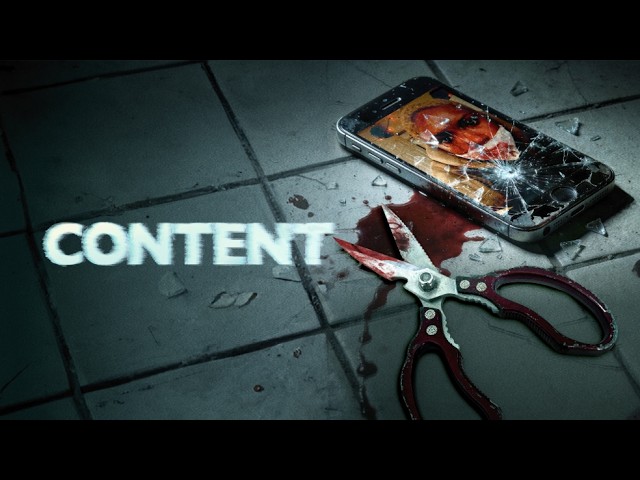
A meta horror experiment exploring control, surveillance, and the dark side of digital storytelling
Reality becomes performanceCreation turns into manipulation
A seemingly harmless film director uses digital tools to manipulate and blackmail actors into participating in a real-life horror scenario. Told entirely through screens such as phones and laptops, the film blurs the line between fiction and reality, turning the filmmaking process itself into the source of terror.
The emotional core is rooted in discomfort, control, and loss of autonomy, as characters are forced into situations they cannot escape. Narrative tension emerges from surveillance and psychological pressure rather than physical threat alone. Symbolically, the film represents the dangers of digital exposure and power imbalance, framing content creation as both a tool and a weapon.
Why It Is Trending: A timely exploration of digital culture, surveillance, and the ethics of content creation
The film is trending due to its direct connection to contemporary digital culture and the growing influence of online content creation. Audiences are increasingly interested in stories that reflect the realities of social media, privacy, and digital manipulation.
Its relevance is amplified by its screenlife format, which mirrors how people consume and interact with media today. From an industry perspective, it aligns with a broader movement toward experimental storytelling formats that feel immediate and immersive.
Elements Driving the Trend: Screenlife format combined with meta commentary on filmmaking and power
The film’s primary innovation lies in its use of screens as the storytelling medium, creating an immersive and realistic viewing experience. This format enhances the sense of surveillance and control.
The narrative is driven by the manipulation of actors within the story, creating a meta layer that critiques the filmmaking process itself. Megan Boehmcke and Alex Mills contribute to the grounded realism, while Adam Meilech also appears on screen, reinforcing the meta dimension.
Virality of Movie (Social Media Coverage): Concept-driven interest fueled by format and theme
The film’s premise and format make it highly shareable and discussion-worthy within online communities. Its relevance to digital culture encourages engagement across social platforms.
Discussions often focus on its realism and ethical implications. This positions it as a conversation-driven project rather than purely entertainment-focused.
Critics Reception: Early critical attention highlighting originality and thematic relevance
Initial critical response emphasizes the film’s innovative format and topical themes. Critics note its exploration of power dynamics within both digital and creative spaces.
However, its experimental nature may limit mainstream appeal.
Awards and Recognitions: Emerging project with early-stage critical visibility
At this stage, the film has limited awards recognition, reflecting its early release and niche positioning. Its impact is more conceptual than institutional.
This positions it as an emerging indie project with potential for future recognition.
Director and Cast: A creator-led project blending performance with meta storytelling
Adam Meilech leads both behind and in front of the camera, reinforcing the film’s meta narrative. His direction emphasizes realism and discomfort.
The cast, led by Megan Boehmcke and Alex Mills, delivers performances that feel natural within the digital format. This enhances immersion and authenticity.
The film trends because: A reflection of digital anxiety, content culture, and blurred boundaries between reality and performance
Digital relevance drives the film’s visibility, aligning with audience concerns about privacy, control, and online identity. It represents an industry shift toward stories that mirror real-world digital experiences. Audience alignment is strongest among younger, tech-aware viewers.
The industry continues to explore narratives that integrate technology into storytelling.
Conclusion: A modern horror concept that captures the fears and realities of the digital age
The film’s strength lies in its concept and execution of a screen-based narrative. Its positioning blends horror with social commentary.
Culturally, it reflects the anxieties of living in a constantly connected world. From an industry perspective, it reinforces the growing importance of experimental formats in contemporary cinema.
What Movie Trend Is Followed: Screenlife horror and meta-digital storytelling exploring surveillance, control, and content culture
Content follows a rapidly growing trend of screenlife and digitally mediated storytelling, where narratives unfold entirely through devices such as phones, laptops, and cameras. These films blur the boundary between viewer and participant, creating a heightened sense of realism and immediacy.
The trend is defined by its integration of technology into both form and theme. It resonates because it reflects how people experience reality today — through screens. Accessibility is high due to familiar interfaces, while emotional engagement is driven by discomfort, voyeurism, and loss of control.
Trend Drivers: Rising immersion through technology-driven storytelling formats
Audiences are increasingly drawn to immersive formats that mirror their daily interactions with digital devices. Screenlife storytelling creates a sense of authenticity that traditional formats cannot replicate.
The industry supports this trend due to its relatively low production cost and high conceptual impact. It also aligns with changing viewing habits.
What Is Influencing Trend: Digital surveillance culture and creator economy dynamics
Modern storytelling is heavily influenced by concerns around privacy, surveillance, and online identity. These elements shape narratives that explore control and manipulation within digital environments.
The rise of the creator economy also influences this trend, highlighting power dynamics between creators and participants. Emotional drivers include anxiety, curiosity, and recognition.
Macro Trends Influencing: Integration of technology into narrative structure and genre evolution
The film industry is increasingly incorporating technology into storytelling, not just as a theme but as a structural element. This has led to the evolution of genres such as horror and thriller.
Cultural shifts toward constant connectivity and digital dependence support this trend. Streaming platforms further amplify its reach.
Consumer Trends Influencing: Preference for realistic, relatable, and immersive experiences
Viewers are engaging more with content that feels real and immediate. Screen-based storytelling aligns with their everyday experiences, enhancing relatability.
There is also a growing interest in narratives that explore the darker side of digital life. Engagement is driven by relevance and emotional intensity.
Audience Analysis: Digital-native viewers seeking immersive and concept-driven storytelling
The primary audience includes viewers aged 18 to 35 who are deeply integrated into digital culture. These audiences are comfortable with screen-based narratives and experimental formats.
Their lifestyle includes constant connectivity and high social media usage. Viewing habits are influenced by online discussions, trailers, and concept-driven marketing. Preferences lean toward innovation and realism.
Conclusion: A trend defined by immersion, digital realism, and evolving narrative formats
This trend works because it reflects how modern audiences experience the world. Its scalability lies in its adaptability across genres and platforms.
Its sustainability is supported by ongoing technological integration into daily life. The industry is likely to continue investing in such formats, reinforcing their importance in future storytelling.
Final Verdict: A concept-driven digital horror that leverages format and theme to create discomfort, even when narrative depth remains secondary
Content positions itself as a modern horror experiment where the format is as important as the story itself. By fully embracing screenlife storytelling, it creates an experience that feels immediate, invasive, and unsettling. Its strength lies in how effectively it uses digital environments to build tension and control.
From an industry perspective, the film reflects the ongoing shift toward format innovation and concept-first storytelling. Its identity relevance is rooted in its critique of power dynamics within digital creation, where control over content can translate into control over people.
However, its impact may be limited by its reliance on concept over narrative complexity. While the format enhances immersion, it can also restrict emotional depth if not fully developed.
Audience Relevance: Highly resonant for digital-native viewers familiar with online ecosystems
The film strongly connects with audiences who live within digital environments and understand the dynamics of online visibility and control. It mirrors their daily experiences, making the horror feel personal and immediate.
At the same time, viewers less engaged with digital culture may find the format less accessible. This creates a generational divide in reception.
What Is the Message of Movie: Control over content can become control over reality
The film suggests that the line between content creation and real-life manipulation is increasingly blurred. It explores how power can be exercised through digital tools.
Its message highlights the ethical dangers of unchecked authority in creative spaces. It frames technology as both an enabler and a threat.
Relevance to Audience: Reflecting modern anxieties around privacy, exploitation, and online identity
The film feels relevant because it taps into widespread concerns about surveillance and loss of control in digital environments. It reflects fears that are already present in everyday life.
This relevance enhances its emotional impact, making the horror feel plausible. It connects through recognition rather than exaggeration.
Social Relevance: Commentary on power imbalance within creative and digital industries
The film addresses issues such as exploitation, manipulation, and abuse of authority, particularly within creative spaces. It highlights how individuals can be controlled under the guise of opportunity.
Its social relevance lies in its critique of systems that prioritize content over people. It reflects broader concerns about ethics in the digital age.
Performance: Positioned as a niche, concept-driven indie project
The film’s performance is expected to be modest, driven by its appeal within indie and experimental cinema audiences. Its visibility is likely to grow through word-of-mouth and online discussion.
Rather than mainstream success, it is positioned as a concept-led project with targeted reach.
Legacy: A contribution to the evolution of digital and screenlife storytelling
Content contributes to the ongoing development of screen-based narratives, demonstrating how format can shape storytelling. It reflects a specific moment in the evolution of digital cinema.
While unlikely to achieve mainstream recognition, it may remain relevant within discussions of experimental and tech-driven films. Its legacy is tied to its concept and execution.
Success: Defined by innovation, relevance, and conceptual impact
The film’s success lies in its ability to engage audiences through its format and themes. Its value is measured through its originality and cultural relevance.
Rather than commercial metrics, its significance is tied to its contribution to evolving storytelling methods.
Insights: A clear reflection of how digital culture is reshaping narrative forms and audience expectations
Insights: The film demonstrates how storytelling is adapting to reflect digital realities and audience behavior.Industry Insight: The industry is increasingly experimenting with format-driven narratives to differentiate content. This creates new storytelling opportunities. It reflects a shift toward innovation over convention.Audience Insight: Audiences are more receptive to unconventional formats that mirror their daily experiences. They value authenticity and immersion. This drives engagement with experimental content.Social Insight: The film highlights concerns about privacy, control, and exploitation in digital environments. It reflects real-world anxieties. This adds depth to its narrative.Cultural Insight: The project contributes to a broader cultural shift toward digital realism in storytelling. It aligns with evolving media consumption habits. Its impact lies in its relevance and immediacy.
Conclusion: A timely and unsettling exploration of digital power and control through experimental storytelling
The film’s long-term relevance lies in its reflection of digital culture and its influence on storytelling. It captures a moment where technology and narrative are deeply intertwined.
From a system perspective, it reinforces the importance of innovation in maintaining audience engagement. It highlights the balance between concept and execution.
Ultimately, it points toward an industry direction where format and theme evolve together to create new cinematic experiences.
Summary of the Movie: A screen-based horror experience where digital control turns filmmaking into psychological manipulation
• Movie themes: Control, surveillance, manipulation, digital identity, and power — The film explores how technology can be used to dominate and reshape reality, turning content creation into a dangerous tool.
• Movie director: Adam Meilech delivers an experimental and immersive vision, using a screenlife format to blur the boundaries between fiction and reality while emphasizing discomfort and realism.
• Top casting: Megan Boehmcke and Alex Mills lead with grounded, naturalistic performances that enhance the film’s realism, alongside Adam Meilech, who reinforces the meta narrative by appearing on screen.
• Awards and recognition: Early-stage indie release with limited awards visibility, positioned primarily as a concept-driven experimental project.
• Why to watch movie: A compelling choice for viewers interested in innovative storytelling formats and themes centered on digital culture, surveillance, and psychological control.
• Key Success Factors: Its strength lies in its immersive screenlife execution and its relevance to modern digital anxieties, aligning with current trends in experimental and tech-driven storytelling.
• Where to watch: Released April 27, 2026, with availability across select digital and indie distribution platforms depending on region.
Conclusion: A bold experimental film that reflects the fears and realities of a digitally controlled world
Content stands as a concept-driven exploration of how technology reshapes both storytelling and human interaction. It transforms a simple premise into a disturbing reflection of control and manipulation. The film resonates through its immediacy and relevance to modern digital life. It reflects the evolving direction of cinema toward immersive and format-driven experiences. Ultimately, it leaves an impression as a cautionary story about power, visibility, and the dangers of living through screens.