


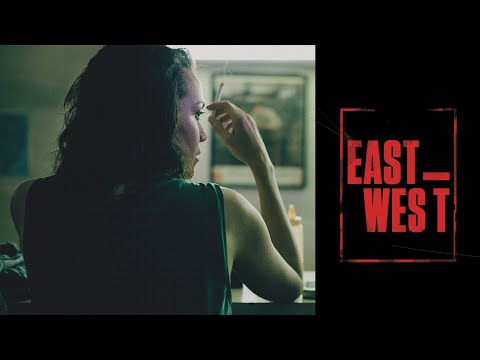
A Racing Drama About Family Legacy, Lost Love, and Redemption
After fifteen years away, a former race-car driver returns home for one final competition, forcing him to confront old wounds, unresolved love, and a family haunted by tragedy.
East West follows Ezequiel, a former professional racing driver who returns to his hometown after years spent traveling the world. His arrival reunites him with Stela, the widow of his deceased brother João, and Pedro, a teenager who dreams of following the family’s racing legacy. As old relationships resurface, Ezequiel is forced to confront the emotional consequences of his past choices and the lingering impact of his brother’s death. Set against the backdrop of competitive motorsports, the film explores themes of family loyalty, grief, redemption, and second chances. The racing track becomes both a literal and emotional battleground where unresolved feelings finally come to the surface.
➡️ Implication: The film suggests that returning home often means confronting the parts of ourselves we tried to leave behind.
Why It Is Trending: Human Stories Are Replacing Traditional Sports Narratives
East West stands out because it uses racing not as the main attraction but as a vehicle for exploring family relationships and emotional healing. Modern audiences increasingly respond to sports dramas that prioritize character development over competition. The film focuses on generational trauma, personal redemption, and unresolved grief rather than victory alone. Its intimate storytelling and emotional realism distinguish it from more conventional racing films. Festival recognition and strong performances further contributed to its reputation within independent cinema circles.
➡️ Implication: Audiences increasingly favor sports dramas that focus on emotional journeys rather than competitive outcomes.
Elements Driving the Trend: Family Legacy, Redemption, and Second Chances
The story draws much of its emotional power from the idea of inherited dreams and responsibilities. Racing connects multiple generations of the family, serving as both a passion and a burden. Ezequiel’s return forces him to face unfinished emotional business while Pedro represents the next generation seeking purpose and identity. The relationship between past mistakes and future opportunities drives the narrative. These universal themes make the story emotionally accessible even for viewers with little interest in motorsports.
➡️ Implication: Family-centered narratives remain powerful because they connect personal growth to generational experiences.
Virality of Movie: Independent Cinema’s Quiet Emotional Impact
Although East West did not generate mainstream social-media attention, it developed appreciation among independent film audiences and festival viewers. Discussions often focused on its cinematography, emotional authenticity, and unique blend of racing drama and family storytelling. Viewers praised the film’s atmosphere and its thoughtful treatment of grief and reconciliation. The movie’s understated style helped it build a reputation among arthouse audiences seeking character-driven narratives.
➡️ Implication: Independent films often gain longevity through emotional resonance rather than widespread publicity.
Critics Reception: Strong Appreciation for Performances and Visual Storytelling
Critics responded positively to the film’s visual style, performances, and emotional sincerity. Many reviews highlighted the cinematography and the way the racing sequences were integrated into the larger family narrative. The performances of Felipe Kannenberg and Simone Iliescu received particular praise for conveying emotional depth and complexity. Critics also noted Rodrigo Grota’s ability to balance intimate drama with the excitement of motorsport culture.
➡️ Implication: Emotional authenticity and strong performances often elevate modestly budgeted independent productions.
Awards and Recognitions: Festival Success Across Multiple Categories
East West earned 8 wins and 1 nomination across international film festivals. Its most significant recognition came at the Recife Cine PE Audiovisual Festival, where Felipe Kannenberg won Best Actor and Simone Iliescu won Best Actress. Director Rodrigo Grota also received Best Director honors at the Mexico International Film Festival. Additional awards recognized cinematography, art direction, sound design, and Best Narrative Feature, highlighting the film’s technical and artistic achievements.
➡️ Implication: Festival success reflects the film’s strength across both performances and craftsmanship.
Director and Cast: Emotional Performances Anchor the Story
Writer-director Rodrigo Grota crafts a reflective and emotionally grounded drama that prioritizes atmosphere and character over spectacle. His direction emphasizes personal relationships and the emotional weight of memory.
At the center of the film is Felipe Kannenberg, whose award-winning performance captures Ezequiel’s regret, vulnerability, and desire for redemption. Simone Iliescu brings warmth and emotional complexity to Stela, while Bruno Silva represents youthful ambition and hope. Together, the cast creates a believable portrait of a family struggling to move forward after loss.
➡️ Implication: Strong performances transform the film’s intimate story into a universal emotional experience.
Conclusion: A Reflective Drama About Family, Memory, and Redemption
East West is much more than a racing film. Beneath its motorsport setting lies a thoughtful exploration of grief, family legacy, and the search for personal redemption. Rodrigo Grota combines emotional storytelling with beautiful visual craftsmanship, creating a film that feels intimate and authentic. The award-winning performances add depth to a story rooted in love, loss, and second chances. Its festival success reflects the emotional power of its narrative and the strength of its execution. Ultimately, East West reminds audiences that the hardest journeys are often the ones that lead us back home.
➡️ Implication: The film demonstrates that reconciliation with the past is often necessary before embracing the future.
What Movie Trend Is Followed: Neo-Western Family Dramas Exploring Legacy, Identity, and Emotional Reconciliation
East West follows the growing trend of contemporary neo-western dramas that use traditional themes of family, homecoming, and redemption within modern settings. Rather than focusing solely on action or competition, these films explore how individuals confront personal histories and inherited responsibilities. The story combines motorsport culture with emotional family drama, creating a narrative centered on memory, loss, and second chances. Similar to many modern character-driven films, the protagonist’s greatest challenge is not an external opponent but unresolved emotional wounds. The film reflects a broader movement toward intimate stories where personal growth becomes more important than victory. Racing serves as a symbolic representation of both escape and destiny.
➡️ Implication: Modern neo-westerns increasingly replace physical frontiers with emotional and psychological journeys.
Trend Drivers: Audiences Are Drawn to Stories About Returning Home
One of the strongest drivers behind this trend is the universal appeal of homecoming narratives. Returning home often forces characters to confront unfinished relationships, unresolved grief, and forgotten dreams. Ezequiel’s journey reflects this emotional structure as he reconnects with family members and revisits painful memories. Audiences relate to these stories because they mirror real-life experiences of reflection and personal growth. The emotional stakes become more important than the external plot.
➡️ Implication: Homecoming stories remain powerful because they connect personal transformation with emotional history.
What Is Influencing Trend: Legacy Has Become a Central Theme in Modern Drama
Many contemporary dramas explore the impact of family legacy on personal identity. In East West, racing is passed from one generation to the next, creating both opportunity and pressure. Pedro’s dream of becoming a driver mirrors the aspirations and sacrifices of those who came before him. The film examines how family traditions can inspire while also creating emotional burdens. This focus on inheritance and identity reflects broader cultural interest in generational storytelling.
➡️ Implication: Legacy-focused narratives resonate because they explore how personal identity is shaped by family history.
Macro Trends Influencing: Sports Stories Are Becoming More Character Focused
Modern sports dramas increasingly use competition as a backdrop for emotional storytelling. The race itself becomes less important than what it represents emotionally for the characters involved. East West follows this pattern by emphasizing grief, redemption, and family reconciliation over winning trophies. The emotional journey drives the narrative while the sporting elements provide structure and symbolism. This approach broadens the film’s appeal beyond sports fans.
➡️ Implication: Character-driven sports dramas attract wider audiences by focusing on universal human experiences.
Consumer Trends Influencing: Viewers Seek Emotional Authenticity
Audiences increasingly gravitate toward stories that feel emotionally honest and relatable. East West avoids exaggerated melodrama in favor of quieter emotional moments and realistic relationships. The characters carry visible emotional scars that influence their decisions throughout the story. This authenticity creates stronger audience investment and emotional engagement. The film prioritizes sincerity over spectacle.
➡️ Implication: Emotional realism continues to be a major factor in audience appreciation of independent cinema.
Audience Analysis: Viewers Who Appreciate Character-Driven Drama
The film primarily appeals to audiences who enjoy family dramas, redemption stories, sports narratives, and independent cinema. Viewers interested in themes of grief, legacy, and personal growth will find strong emotional connections within the story. Fans of character-focused films will appreciate its emphasis on relationships over action. The combination of racing and emotional storytelling allows it to reach both sports-drama audiences and arthouse viewers. Its strongest appeal lies with audiences seeking thoughtful and emotionally grounded narratives.
➡️ Implication: Films that combine universal emotions with unique settings often achieve broader audience appeal.
Conclusion: A Modern Neo-Western About Family, Redemption, and Legacy
East West reflects several important contemporary storytelling trends, including emotionally driven sports dramas, legacy narratives, and homecoming stories centered on personal growth. Through Ezequiel’s return, the film explores how unresolved grief and family history continue shaping the present. Its focus on redemption, reconciliation, and generational connection gives the narrative enduring emotional relevance. Racing functions as both a literal competition and a metaphor for the choices that define our lives. By prioritizing character over spectacle, the film creates a deeply human story about confronting the past. Ultimately, East West demonstrates that the most meaningful journeys are often those that bring us back to where we began.
➡️ Implication: Contemporary audiences continue embracing stories where emotional healing becomes the true measure of success.
Final Verdict: A Quiet and Emotionally Resonant Drama About Returning Home
East West succeeds as an intimate character-driven drama that uses racing as a backdrop for a much deeper story about family, grief, and redemption. Rodrigo Grota avoids the conventions of traditional sports films and instead focuses on the emotional consequences of loss and separation. The film’s strength lies in its atmosphere, strong performances, and reflective storytelling. Rather than building toward a simple victory-or-defeat narrative, it explores how people reconcile with unfinished chapters of their lives. The result is a thoughtful and mature drama that prioritizes emotional truth over spectacle. Its greatest achievement is transforming a racing story into a meditation on family and belonging.
➡️ Implication: The film demonstrates that emotional resolution can be more powerful than competitive victory.
Audience Relevance: A Universal Story About Family and Second Chances
Many viewers will recognize the emotions that drive the characters throughout the film. Family relationships often remain complicated long after physical distance separates people. Ezequiel’s return highlights the universal desire to repair damaged connections and find closure. His journey reflects experiences shared by many people who revisit places connected to important memories. The emotional accessibility of these themes makes the story widely relatable.
➡️ Implication: Stories about reconciliation resonate because most people carry unresolved relationships from the past.
What Is the Message of Movie: Healing Requires Confronting the Past
The film suggests that true healing can only occur when people face difficult memories rather than avoiding them. Ezequiel spent years running from the emotional consequences of his family’s tragedy. Returning home forces him to confront grief, regret, and responsibility. Through these encounters, he begins to understand that growth requires acceptance rather than escape. The film presents redemption as a gradual emotional process rather than a single event.
➡️ Implication: Personal growth often begins when individuals stop running from painful truths.
Relevance to Audience: Balancing Personal Dreams and Family Responsibilities
East West explores the tension between individual ambition and family obligations. Ezequiel pursued a life beyond his hometown, but unresolved family issues continued to shape him. Pedro faces a similar challenge as he dreams of becoming a driver while navigating family expectations. The film examines how personal aspirations and family responsibilities frequently intersect. This conflict remains highly relevant to modern audiences.
➡️ Implication: Achieving personal goals often requires understanding rather than abandoning one’s roots.
Social Relevance: Generational Legacies Shape Identity
The film highlights how values, passions, and emotional burdens pass between generations. Racing becomes a symbol of both opportunity and inheritance within the family. Pedro’s ambitions are influenced by the experiences of those who came before him, while Ezequiel struggles with the legacy left by his brother’s death. The story reflects broader social questions about how families shape identity across generations. It acknowledges both the strength and weight of inheritance.
➡️ Implication: Family history continues influencing personal identity long after events have passed.
Performance: Award-Winning Acting Anchors the Emotional Story
Felipe Kannenberg delivers a powerful and nuanced performance that earned him the Best Actor award at the Recife Cine PE Audiovisual Festival. His portrayal captures Ezequiel’s mixture of regret, resilience, and longing. Simone Iliescu provides equal emotional depth, earning the festival’s Best Actress award. Bruno Silva adds youthful energy and optimism, creating an effective generational contrast. Together, the cast creates a believable and emotionally engaging family dynamic.
➡️ Implication: Strong performances allow intimate stories to achieve universal emotional impact.
Legacy: An Independent Brazilian Drama That Blends Genres Successfully
East West occupies a unique space between sports drama, family drama, romance, and neo-western storytelling. Its ability to combine these genres without losing emotional focus distinguishes it within contemporary Brazilian cinema. The film demonstrates how regional stories can explore universal themes while maintaining a strong sense of place. Its festival recognition helped establish it as a notable independent production. The film’s lasting value lies in its emotional sincerity and thematic richness.
➡️ Implication: Genre blending can create fresh storytelling perspectives when grounded in authentic emotions.
Success: Festival Recognition Validated Its Artistic Achievement
The film earned 8 wins and 1 nomination, including Best Actor, Best Actress, Best Director, Best Narrative Feature, Best Cinematography, Best Art Direction, and Best Sound Design. The most important recognition was Rodrigo Grota’s Best Director award at the Mexico International Film Festival and the dual acting victories for Felipe Kannenberg and Simone Iliescu at the Recife Cine PE Audiovisual Festival. These awards highlighted both the film’s emotional storytelling and technical craftsmanship. Its festival success significantly elevated its visibility within independent cinema.
➡️ Implication: Festival awards often confirm the artistic strength of emotionally driven independent films.
Insights: East West succeeds by combining family drama, sports storytelling, and themes of redemption into an emotionally authentic narrative. Industry Insight: Independent sports dramas increasingly focus on emotional journeys rather than competitive outcomes. Audience Insight: Viewers continue responding strongly to stories about reconciliation, legacy, and second chances. Social Insight: The film reflects how family history and generational expectations continue shaping personal identity. Cultural Insight: Modern neo-western narratives increasingly explore emotional frontiers instead of physical ones.
Conclusion: A Moving Story About Family, Memory, and Redemption
East West transforms a racing narrative into a deeply human exploration of grief, legacy, and reconciliation. Rodrigo Grota’s thoughtful direction allows the emotional lives of the characters to take center stage, creating a story that feels both intimate and universal. Award-winning performances from Felipe Kannenberg and Simone Iliescu bring authenticity and depth to the film’s central relationships. The racing world provides excitement and symbolism, but the heart of the story remains its examination of family bonds and personal healing. Through its emotional honesty and strong craftsmanship, the film leaves a lasting impression. Ultimately, East West reminds audiences that some journeys are not about moving forward, but about finding peace with where we came from.
➡️ Implication: The film shows that redemption often begins when people reconnect with the relationships and memories they once tried to escape.
Summary of the Movie: A Family Drama About Redemption, Legacy, and Returning Home
• Movie Themes: East West explores family legacy, grief, redemption, forgiveness, second chances, love, identity, generational responsibility, and belonging. Through Ezequiel’s return to his hometown, the film examines how unresolved loss continues shaping relationships years after tragedy strikes. The story also explores the tension between personal freedom and family obligations, showing how emotional wounds can be passed from one generation to the next.
➡️ Implication: The film suggests that true healing requires confronting the past rather than escaping it.
• Movie Director: Rodrigo Grota combines the intimacy of an independent family drama with the visual energy of a motorsport film. His direction emphasizes atmosphere, character relationships, and emotional realism. Rather than focusing primarily on racing action, Grota uses the sport as a symbolic extension of the characters’ emotional journeys. His restrained storytelling allows the themes of memory, loss, and reconciliation to emerge naturally.
➡️ Implication: The strongest sports dramas often use competition as a framework for deeper emotional storytelling.
• Top Casting: Felipe Kannenberg delivers an award-winning performance as a former racer attempting to reconnect with his family and his past. Simone Iliescu brings emotional depth and vulnerability to Stela, earning major festival recognition. Bruno Silva provides youthful ambition and hope as the next generation of the family’s racing legacy. Supporting performances from José Maschio and Edu Reginato strengthen the family-centered narrative.
➡️ Implication: Multi-generational casting allows the film to explore how legacy shapes both the past and future.
• Awards and Recognition: East West earned 8 wins and 1 nomination across international film festivals. The film’s most important awards came at the Recife Cine PE Audiovisual Festival, where Felipe Kannenberg won Best Actor and Simone Iliescu won Best Actress. Director Rodrigo Grota received Best Director at the Mexico International Film Festival. The film also won the Van Gogh Special Jury Prize at the Amsterdam Film Festival and Best Narrative Feature at the Erie International Film Festival. Additional awards recognized cinematography, art direction, and sound design.
➡️ Implication: The film’s awards success highlights both its emotional storytelling and technical excellence.
• Why to Watch Movie: East West offers a unique blend of family drama, sports storytelling, romance, and neo-western themes. Viewers who enjoy emotionally driven narratives such as The Rider, Cars 3 (at a thematic level), or character-focused redemption stories will appreciate its reflective approach. The film balances intimate relationships with beautiful racing imagery while exploring universal themes of family and forgiveness.
➡️ Implication: The movie appeals most strongly to viewers who value emotional depth over action spectacle.
• Key Success Factors: The film succeeds through its award-winning performances, strong visual storytelling, emotional authenticity, and thoughtful use of motorsport symbolism. The family dynamics provide emotional weight while the racing elements create narrative momentum. Rodrigo Grota’s direction maintains a balance between personal drama and broader themes of legacy and identity. Its combination of intimate storytelling and cinematic atmosphere distinguishes it from conventional sports dramas.
➡️ Implication: Authentic emotions often create stronger audience engagement than plot-driven spectacle.
• Where to Watch: East West premiered in Brazil and later reached international audiences through festival screenings and streaming distribution. The film is available through selected digital platforms, including streaming availability in certain regions via Prime Video.
➡️ Implication: Independent international films increasingly reach global audiences through streaming platforms after festival runs.
Conclusion: A Thoughtful Story About Family, Memory, and Finding Your Way Home
East West is an emotionally rich drama that explores how family history continues shaping the present. Through Ezequiel’s return home, the film examines grief, redemption, legacy, and the possibility of reconciliation after years of emotional distance. Rodrigo Grota’s sensitive direction and the award-winning performances of Felipe Kannenberg and Simone Iliescu give the story authenticity and emotional power. While racing provides the narrative backdrop, the true focus remains the relationships connecting three generations of one family. Its festival success reflects the strength of both its storytelling and craftsmanship. Ultimately, East West reminds audiences that the most important journeys are often the ones that lead us back to ourselves.
➡️ Implication: The film demonstrates that understanding our past is often the first step toward building a better future.