


TR | 2024 | 90 min | Comedy / Drama
A Widowed Woman Defies Family Expectations to Find Love and Rebuild Her Life
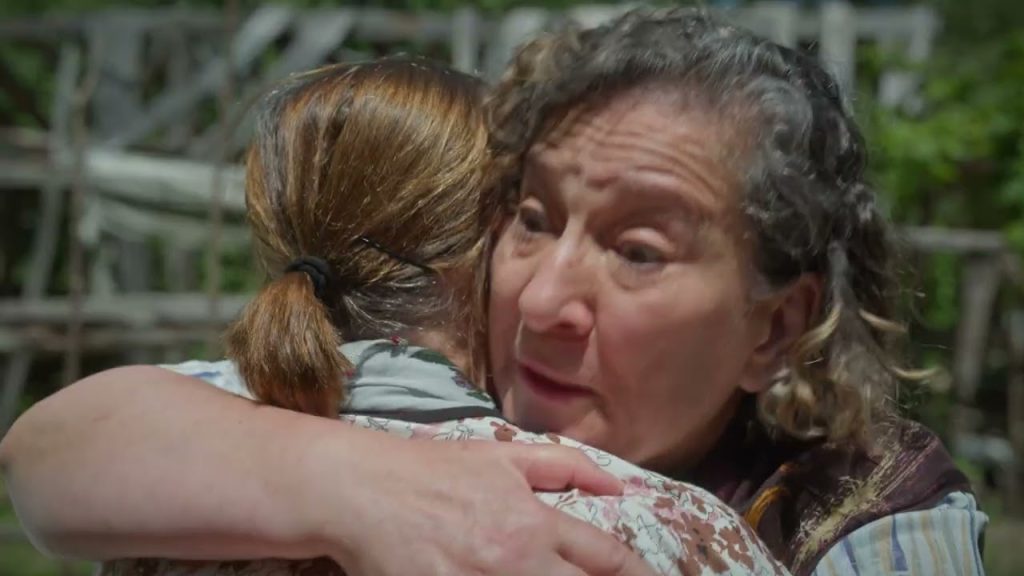
In Fate (2024), Sultan (Nur Sürer) refuses to let her husband’s death mark the end of her personal happiness. When she announces her intention to remarry, her children react with disbelief, particularly her son Nevzat (Osman Sonant), who fears the judgment of their traditional community. Her daughter Reyhan (Aslıhan Gürbüz) is more understanding but questions the timing of her mother’s decision. Determined to find companionship and regain control over her future, Sultan also pursues financial independence, transforming her home into a guesthouse and exploring opportunities in local commerce. Set in the picturesque Turkish Black Sea town of Cide, Nadim Güç’s comedy-drama combines family tensions, humor and social commentary to explore a woman’s right to seek love, connection and personal fulfillment after loss.
➡️ Storyline: Husband’s Death → Desire to Remarry → Family Opposition → Community Judgment → Search for Companionship → New Independence → A Second Chance at Happiness.
Why to Watch Fate: A Heartwarming Story About Love, Independence and Starting Again
Fate combines an emotionally engaging story of later-life reinvention with Turkish small-town humor, family conflicts and questions about women’s freedom to pursue love and companionship beyond traditional expectations.
|
1. Nadim Güç’s Comedy-Drama |
The director explores widowhood, family relationships and social expectations through humor and emotionally grounded storytelling. |
|
Sürer portrays a determined widow who refuses to accept that her opportunity for companionship has ended with her husband’s death. |
|
|
The film challenges the expectation that older women should abandon romantic aspirations and devote themselves exclusively to family obligations. |
|
|
4. The Turkish Black Sea Setting |
Filmed in Cide, Kastamonu, the film uses local culture, traditional community life and scenic surroundings to enrich its story. |
|
5. Family Conflict and Female Independence |
Sultan’s determination and Reyhan’s progressive attitudes explore the tension between personal happiness and traditional gender expectations. |
➡️ Reason to Watch: A warm Turkish comedy-drama that celebrates the possibility of finding love and purpose after loss, while questioning the social expectations placed on widowed women.
Why Fate Stands Out: A Widow’s Search for Love Becomes a Challenge to Tradition
Fate stands out by making an older woman’s desire for remarriage the starting point for a broader exploration of personal freedom. Rather than presenting widowhood solely through grief and resignation, the film portrays Sultan as someone determined to continue living, loving and making independent decisions. Her family’s resistance introduces both emotional conflict and humor, while her efforts to establish financial independence reinforce the idea that companionship and autonomy can coexist. The small-town Turkish setting adds cultural specificity, revealing how community expectations influence intimate choices. Through Sultan’s relationship with her children, the film also examines changing attitudes toward women’s roles across generations.
➡️ Why It Stands Out: A later-life romance story that transforms a widow’s desire for companionship into a warm examination of independence, family expectations and social change.
Movie Trend: Widowhood and Second-Chance Romances — Love Does Not End With Loss
Widowhood and Second-Chance Romances explore how people rediscover emotional connection, companionship and romantic possibility after losing a partner. Fate reflects this narrative trend through Sultan’s refusal to accept that her husband’s death should determine the rest of her life. Her wish to remarry challenges her children’s assumptions about grief, loyalty and the appropriate behavior of widowed women. Rather than focusing exclusively on finding another partner, the film connects romantic renewal with personal independence and the courage to pursue happiness despite social criticism. This approach expands traditional romance narratives by presenting later-life relationships as meaningful opportunities for emotional growth and self-determination.
➡️ Movie Trend Insight: Second-chance romances challenge the idea that love belongs to a particular life stage, showing how emotional connection can remain essential after bereavement.
Broad Trend: Love / Connection — The Need for Companionship Continues Throughout Life
Love / Connection reflects the enduring human desire for affection, belonging and meaningful relationships, regardless of age or personal circumstances. In Fate, Sultan’s determination to remarry expresses a need for companionship that remains important after her husband’s death. Her family’s resistance exposes the tension between individual emotional needs and social expectations about widowhood, particularly for older women. The film connects romantic connection with dignity and personal choice, suggesting that seeking love after loss does not diminish previous relationships. Beyond cinema, this broad trend reflects growing cultural conversations about later-life relationships, loneliness, emotional wellbeing and the importance of maintaining meaningful social connections throughout adulthood.
➡️ Broad Trend Insight: Love and companionship remain fundamental human needs across life stages, making the freedom to form new relationships an important part of emotional wellbeing and personal fulfillment.
Viewer Profile: Audiences Interested in Later-Life Romance, Family Relationships and Emotional Reinvention
Fate may appeal to audiences interested in mature protagonists, family comedy-dramas and stories about finding companionship after loss. Its combination of humor, cultural traditions and emotional independence offers several points of connection for viewers seeking character-driven storytelling. The profiles below are editorial audience hypotheses rather than verified demographic research.
|
Fans of family comedy-dramas, later-life romance and emotionally grounded stories about personal reinvention |
|
|
Adult and mature audiences, alongside younger viewers interested in intergenerational family relationships |
|
|
Interested in relationships, family life, cultural traditions, emotional wellbeing and personal independence |
|
|
Character-driven comedy-dramas, Turkish cinema, family stories and uplifting films about social change |
|
|
Following Sultan’s attempt to find companionship while challenging her family’s expectations |
|
|
International cinema, culturally distinctive stories, female-centered narratives and feel-good dramas |
|
|
Hope, empathy, affection, resilience and the desire for meaningful connection |
Key Profiles: Three Audiences, Three Reasons to Watch
1. Later-Life Romance and Second-Chance Love Viewers
Audiences interested in stories about rediscovering companionship after bereavement. Sultan’s determination to remarry challenges assumptions about aging and emotional fulfillment, offering a perspective on romance beyond youth.
2. Family Drama and Intergenerational Conflict Fans
Viewers drawn to emotionally complex family relationships, especially tensions between traditional values and individual freedom. Sultan’s disagreement with her children provides opportunities for humor, empathy and reflection on changing social expectations.
3. Female Empowerment and International Cinema Audiences
Viewers interested in women’s autonomy, culturally grounded storytelling and protagonists who challenge restrictive social roles. Sultan’s pursuit of romantic and financial independence connects her personal journey with broader questions about gender equality.
➡️ Audience Insight: Fate may appeal to viewers seeking an uplifting combination of second-chance romance, family humor and female independence, with the emotional need for companionship connecting its different audience segments.
What This Movie Means for the Industry: Later-Life Romance Creates Space for More Inclusive Love Stories
Fate demonstrates how romantic storytelling can extend beyond conventional youthful relationships to explore companionship, independence and emotional renewal in later life. By centering an older widow who openly expresses her desire to remarry, Nadim Güç challenges familiar representations of aging and bereavement while connecting romance with family comedy and social commentary. The film’s Turkish setting adds cultural specificity to themes that can resonate internationally, including loneliness, changing family expectations and women’s right to pursue happiness. Its IMDb rating of 6.9/10 from approximately 2,900 users suggests generally favorable reception among raters, although individual reviews differ on the subtlety of its social messages. The creative opportunity lies in developing more stories where mature characters experience romance, ambition and personal transformation without being defined exclusively by loss or family responsibilities.
➡️ Industry Insight: Later-life romance offers filmmakers opportunities to expand representation, combine emotional storytelling with cultural specificity and explore love as an enduring human need.
Final Verdict: A Warm Comedy-Drama About Finding Love and Freedom After Loss
Fate (2024) is an engaging Turkish comedy-drama that transforms a widow’s wish to remarry into a broader story about companionship, personal independence and the courage to challenge tradition. Nur Sürer’s portrayal of Sultan anchors the film’s emotional appeal, while family disagreements and small-town social expectations provide humor and conflict. The film’s strongest quality is its optimistic perspective on later-life reinvention, suggesting that bereavement need not end a person’s opportunity for happiness. Although some audience reviews criticize its occasionally explicit social messaging, its combination of warmth, cultural authenticity and female-centered storytelling makes it a worthwhile choice for viewers interested in mature protagonists and emotionally uplifting cinema.
➡️ Final Verdict: Fate offers a warm and humorous exploration of a widow’s determination to find companionship and rebuild her life. Its combination of family conflict, Turkish small-town culture and female independence gives a familiar second-chance narrative emotional and social relevance. The film is particularly appealing to audiences interested in later-life romance, uplifting comedy-dramas and stories about challenging traditional expectations.
Final Insights: Love After Loss Becomes an Expression of Personal Freedom
The Love / Connection trend reflects the enduring human need for companionship, affection and emotional belonging throughout life. Fate explores this through Sultan’s refusal to accept that widowhood should prevent her from forming new relationships, demonstrating how the desire for connection can challenge deeply rooted family and community expectations.
The Widowhood and Second-Chance Romances trend transforms this psychological need into stories about renewal, resilience and the freedom to pursue happiness after bereavement. By combining romantic aspirations with financial independence and intergenerational conflict, the film broadens the meaning of starting again. Its central message is that love after loss is not a rejection of the past, but an affirmation of the right to continue living fully.
➡️ Final Insight: Love / Connection → Widowhood and Second-Chance Romances → Emotional Renewal and Later-Life Independence. Fate shows how the search for companionship can challenge traditional expectations and inspire personal reinvention. The creative opportunity lies in telling more inclusive romance stories that celebrate emotional connection, autonomy and new beginnings at every stage of life.