


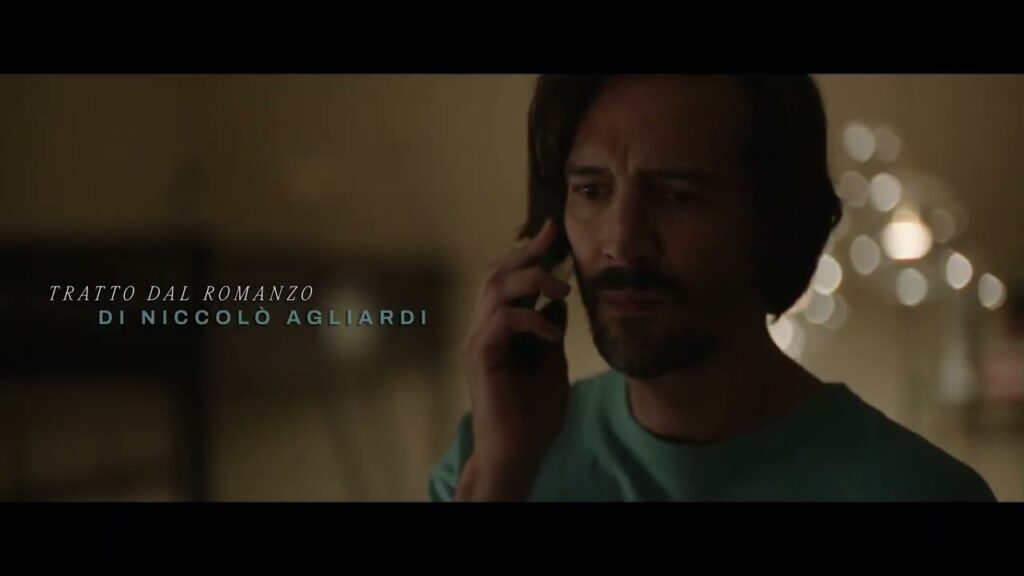
An intimate Italian drama exploring human connection, vulnerability, and the search for belonging in uncertain times
Per un po’ (For a While) is an Italian drama centered on characters navigating emotional uncertainty, fragile relationships, and personal struggles. Directed by Simone Valentini, the film appears to focus on ordinary individuals attempting to find meaning, stability, and connection while facing life’s challenges. Featuring performances from Alessandro Tedeschi, Isnaba Na Montche, and Ilde Mauri, the story unfolds through an intimate and character-driven approach typical of contemporary European arthouse drama. Although plot details remain limited, the title itself suggests themes of temporary refuge, emotional transitions, and moments of personal transformation. The film appears less concerned with dramatic events than with the emotional journeys of its characters. Through realism and human observation, it seeks to explore the complexities of everyday life.
➡️ Implication: Contemporary European dramas increasingly focus on emotional authenticity and small human moments rather than large-scale narrative events.
Why It Is Trending: Italian independent cinema continuing its focus on realism and emotional intimacy
Per un po’ has attracted attention within festival and independent cinema circles because it reflects the continuing strength of Italian character-driven storytelling. Modern Italian filmmakers increasingly create intimate dramas centered on ordinary lives and emotional complexity. Rather than relying on high-concept narratives, these films often focus on relationships, identity, and social realities. Per un po’ appears to embrace this tradition through its grounded approach and emphasis on personal experience. Audiences interested in realistic and emotionally nuanced cinema are particularly drawn to these stories. Its release contributes to the growing visibility of contemporary Italian independent filmmaking.
➡️ Implication: Audiences continue valuing authentic stories that reflect everyday emotional realities.
Elements Driving the Trend: Character-focused storytelling and emotional realism
One of the defining characteristics of modern European drama is its emphasis on character psychology over plot mechanics. Per un po’ appears to prioritize emotional development, personal relationships, and internal conflict. The film’s focus on a small group of interconnected characters allows viewers to engage deeply with their experiences. Such stories often resonate because they mirror real-life struggles and emotional uncertainties. The performances become the primary vehicle for audience engagement.
➡️ Implication: Emotional realism remains one of the strongest drivers of contemporary arthouse cinema.
Virality of Film: Festival and independent-film audiences driving discovery
Although not a mainstream commercial title, Per un po’ benefits from the growing influence of festival audiences, cinephile communities, and social-media discussions around independent cinema. Films of this nature often gain visibility through recommendations, critical reviews, and word-of-mouth support rather than traditional marketing campaigns. Viewers interested in European drama frequently seek out emotionally rich stories that explore contemporary social realities. This audience-driven discovery process helps sustain interest in independent productions.
➡️ Implication: Independent films increasingly rely on community-driven discussion and critical advocacy to build visibility.
Critics Reception: Appreciation for intimate and human-centered storytelling
While critical coverage remains limited, the film’s presence within the contemporary Italian drama landscape suggests an emphasis on thoughtful character work and emotional sincerity. Critics who engage with such films often focus on performance quality, realism, and thematic depth rather than narrative spectacle. The film’s modest scale may become one of its greatest strengths, allowing for a more personal and immersive viewing experience. Such works frequently appeal to critics who value authenticity and emotional nuance.
➡️ Implication: Smaller dramas often achieve recognition through emotional depth rather than narrative complexity.
Awards and Recognitions: Emerging independent cinema seeking broader visibility
At the time of release, Per un po’ had not yet accumulated major international awards recognition. However, many independent European dramas build their reputations gradually through festival screenings, critical support, and audience discovery. The film’s significance may ultimately be measured more by its emotional impact and cultural relevance than by awards success. Its contribution to contemporary Italian cinema remains an important aspect of its identity.
➡️ Implication: Independent dramas often achieve lasting value through audience connection rather than awards accumulation.
Director and Cast: Simone Valentini leading a grounded ensemble drama
Simone Valentini brings together a cast led by Alessandro Tedeschi, Isnaba Na Montche, and Ilde Mauri. Their performances appear central to the film’s emotional effectiveness. The emphasis on interpersonal relationships suggests a collaborative acting-driven approach. Such ensemble dramas rely heavily on authenticity and emotional credibility rather than plot-driven spectacle. The cast’s ability to create believable human experiences becomes crucial to the film’s success.
➡️ Implication: Strong ensemble performances remain the foundation of effective character-driven drama.
Conclusion: A thoughtful Italian drama centered on the emotional realities of everyday life
Per un po’ appears to embody many of the qualities that define contemporary European arthouse cinema: emotional honesty, realism, and a deep interest in human relationships. Simone Valentini focuses on characters navigating uncertainty and searching for connection, allowing small moments to carry significant emotional weight. The film’s modest scale becomes an advantage, creating intimacy and authenticity. Through its exploration of vulnerability and belonging, it contributes to a long tradition of Italian humanist storytelling. While details remain limited, its thematic focus suggests a meaningful and emotionally grounded viewing experience. Ultimately, Per un po’ reflects the enduring appeal of stories that find significance within ordinary lives.
➡️ Implication: The most affecting dramas often emerge from simple stories told with empathy, honesty, and emotional insight.
What Movie Trend Is Followed: Human-centered social realism and contemporary European relationship dramas
Per un po’ follows one of the strongest trends in contemporary European cinema: intimate social-realist dramas that focus on ordinary people navigating emotional, economic, and social challenges. Similar to The Worst Person in the World, Aftersun, Close, and Perfect Days, the film appears less interested in dramatic plot twists and more interested in observing how people cope with loneliness, uncertainty, and the search for meaning. Contemporary European filmmakers increasingly focus on everyday experiences and emotional realism rather than traditional narrative spectacle. Per un po’ seems to embrace this approach by centering human relationships and personal struggles. The result is a film that prioritizes emotional truth over conventional storytelling formulas.
➡️ Implication: Modern arthouse audiences increasingly seek emotionally authentic stories rooted in everyday life.
Trend Drivers: Growing interest in authentic and relatable human experiences
Many viewers have become increasingly drawn to films that reflect real-life emotions and challenges. Stories about uncertainty, vulnerability, relationships, and personal growth often resonate because they mirror experiences shared by large audiences. Per un po’ appears to focus on these intimate human realities rather than extraordinary events. This approach allows viewers to see aspects of themselves reflected in the characters. Emotional relatability becomes the film’s primary strength.
➡️ Implication: Authentic emotional experiences continue driving audience engagement with independent cinema.
What Is Influencing Trend: European cinema embracing emotional minimalism
Across contemporary European filmmaking, there is a noticeable shift toward quieter and more observational storytelling. Directors increasingly rely on subtle performances, naturalistic dialogue, and character development rather than dramatic exposition. Per un po’ appears aligned with this movement. The film’s focus on personal relationships and emotional transitions reflects broader trends within Italian and European arthouse cinema. Such films encourage reflection rather than spectacle.
➡️ Implication: Emotional subtlety is becoming an increasingly valued storytelling approach within international cinema.
Macro Trends Influencing: Mental well-being, belonging, and social connection
Many recent dramas explore themes of isolation, belonging, emotional resilience, and community. Modern audiences often connect strongly with stories that examine how people form meaningful relationships in uncertain social environments. Per un po’ appears to participate in this broader cultural conversation. Its characters seem to be searching for stability and connection while navigating life’s complexities. These themes reflect contemporary social realities across many societies.
➡️ Implication: Stories about belonging and human connection continue gaining importance in an increasingly fragmented world.
Consumer Trends Influencing: Audiences seeking emotionally meaningful cinema
A growing segment of film audiences values emotional depth over high-concept storytelling. Rather than seeking constant action or spectacle, these viewers are attracted to films that encourage empathy and introspection. Per un po’ appears positioned within this audience space. The emphasis on relationships and personal transformation offers a viewing experience focused on reflection and emotional engagement. Such films often generate strong connections among arthouse audiences.
➡️ Implication: Emotional resonance increasingly functions as a key differentiator for independent cinema.
Audience Analysis: Arthouse viewers, festival audiences, and fans of realistic drama
The film is likely to appeal primarily to audiences who enjoy character-driven storytelling and contemporary European cinema. Festival audiences, arthouse viewers, and fans of Italian drama represent its most natural audience segments. Viewers who appreciate realistic portrayals of relationships and social challenges may find particular value in the film’s themes. The focus on emotional authenticity broadens its appeal beyond purely niche cinephile circles.
➡️ Implication: Human-centered dramas succeed when they combine cultural specificity with universally relatable emotions.
Conclusion: A contemporary drama reflecting the enduring appeal of emotional realism
Per un po’ appears to embody many of the defining characteristics of modern European arthouse filmmaking. Through its focus on personal relationships, emotional uncertainty, and everyday human experiences, it aligns with a broader movement toward realism and psychological depth. Simone Valentini’s film seems less concerned with dramatic events than with understanding how people navigate life’s transitions and challenges. This approach reflects growing audience appreciation for subtle and emotionally intelligent storytelling. By focusing on ordinary lives, the film seeks to reveal universal truths about connection and belonging. Ultimately, Per un po’ represents the continuing strength of human-centered realism within contemporary European cinema.
➡️ Implication: The future of independent drama remains rooted in authentic portrayals of the human experience.
Final Verdict: A sensitive and humanistic drama about connection, resilience, and emotional survival
Per un po’ appears to succeed through its commitment to emotional realism and intimate storytelling. Rather than relying on dramatic twists or heightened conflict, Simone Valentini focuses on ordinary people navigating uncertainty, loneliness, and the search for meaning. The film seems interested in how relationships develop under difficult circumstances and how temporary moments of support can profoundly affect people’s lives. Its strength likely comes from observation rather than spectacle, allowing audiences to engage with the characters’ emotional journeys in a natural and believable way. Through its realism and restraint, the film contributes to the tradition of contemporary Italian social drama. Ultimately, Per un po’ appears to be a thoughtful exploration of vulnerability, belonging, and human connection.
➡️ Implication: Some of the most impactful dramas emerge from ordinary experiences portrayed with honesty and empathy.
Audience Relevance: Reflecting modern experiences of uncertainty and emotional struggle
Many viewers can relate to periods of instability, loneliness, or personal transition. Per un po’ appears to focus on characters attempting to navigate these realities while searching for connection and purpose. Such experiences are increasingly common in contemporary society, making the film emotionally accessible. Its characters seem grounded in recognizable human situations rather than extraordinary circumstances. This relatability becomes one of the film’s greatest strengths.
➡️ Implication: Audiences often connect most deeply with stories that reflect real emotional challenges.
What Is the Message of Movie: Even temporary connections can change lives
The title Per un po’ (“For a While”) suggests an interest in temporary moments that leave lasting emotional impact. The film appears to explore how brief relationships, acts of kindness, and moments of understanding can help individuals endure difficult periods. Rather than focusing on grand transformations, it seems interested in small emotional shifts that gradually reshape lives. The story suggests that meaningful human connection often arrives unexpectedly. These moments become sources of resilience and hope.
➡️ Implication: Human relationships do not need to be permanent to have profound emotional significance.
Relevance to Audience: Addressing universal needs for belonging and support
Across cultures and generations, people seek acceptance, companionship, and emotional security. Per un po’ appears to examine these needs through realistic characters facing personal and social challenges. Its focus on connection makes the story broadly relatable despite its specific Italian setting. Viewers may recognize aspects of their own experiences within the characters’ struggles. This emotional familiarity strengthens audience engagement.
➡️ Implication: Stories about belonging remain universally relevant because they reflect fundamental human needs.
Social Relevance: Highlighting lives often overlooked by mainstream narratives
Many contemporary social-realist dramas focus on individuals whose experiences are rarely represented in mainstream entertainment. Per un po’ appears to continue this tradition by examining everyday lives with empathy and respect. Such films often reveal the emotional realities hidden beneath ordinary routines. By giving attention to these experiences, the film contributes to broader conversations about community, resilience, and social support.
➡️ Implication: Cinema can foster empathy by illuminating the experiences of ordinary people.
Performance: Character authenticity driving emotional impact
Alessandro Tedeschi, Isnaba Na Montche, and Ilde Mauri appear central to the film’s emotional effectiveness. Character-driven dramas depend heavily on believable performances capable of conveying subtle emotional shifts. The ensemble nature of the cast suggests a collaborative approach focused on realism and interpersonal dynamics. Their performances likely serve as the foundation for the film’s emotional resonance.
➡️ Implication: Authentic performances remain essential to successful social-realist storytelling.
Legacy: Continuing Italy’s tradition of human-centered cinema
Italian cinema has long been associated with stories about ordinary people confronting social and personal challenges. From neorealism to contemporary arthouse filmmaking, this tradition remains influential. Per un po’ appears to continue that legacy by emphasizing emotional truth and human observation. Its focus on everyday lives aligns with a rich cinematic heritage that values empathy and realism. The film contributes to the ongoing evolution of Italian independent cinema.
➡️ Implication: Human-centered storytelling remains one of Italian cinema’s most enduring strengths.
Success: Emotional authenticity serving as its primary achievement
While the film has not yet achieved major awards recognition, its value appears rooted in emotional sincerity rather than commercial scale. Independent dramas often find success through audience connection, critical appreciation, and festival visibility. Per un po’ seems positioned within this tradition. Its emphasis on realistic characters and meaningful relationships may prove more significant than conventional measures of success.
➡️ Implication: Independent cinema often measures success through emotional impact rather than commercial performance.
Insights: Per un po’ explores how temporary moments of connection can provide lasting emotional meaning. Industry Insight: Contemporary European cinema continues embracing realism and character-driven storytelling over spectacle. Audience Insight: Viewers increasingly appreciate films that reflect authentic emotional experiences and everyday struggles. Social Insight: Stories centered on belonging and support remain highly relevant in modern society. Cultural Insight: Italian cinema continues drawing strength from its tradition of observing ordinary lives with empathy and humanity.
Conclusion: A quiet drama finding significance in everyday human connection
Per un po’ appears to be a film that values emotional honesty above all else. Through its focus on relationships, vulnerability, and personal resilience, it explores universal experiences that transcend cultural boundaries. Simone Valentini’s approach seems grounded in observation rather than melodrama, allowing the emotional weight of the story to emerge naturally. The film’s characters search for understanding and belonging in a world that often feels uncertain. Their journeys reflect challenges faced by many people today. Ultimately, Per un po’ stands as a reminder that even brief moments of connection can leave lasting marks on our lives.
➡️ Implication: The most meaningful stories are often those that reveal the extraordinary significance hidden within ordinary human experiences.
Summary of the Movie: An intimate Italian drama about belonging, resilience, and the emotional power of temporary connections
• Movie themes: Human connection, loneliness, belonging, emotional resilience, personal transformation, friendship, social realities, vulnerability, hope, and healing.➡️ Implication: The film explores how even brief relationships can leave a lasting impact on people’s lives.
• Movie director: Simone Valentini crafts a grounded drama focused on emotional authenticity and everyday human experiences.➡️ Implication: The film prioritizes observation and realism over dramatic spectacle.
• Top casting: Alessandro Tedeschi as Nicc, Isnaba Na Montche as Fede, and Ilde Mauri as Sonia lead an ensemble cast exploring interconnected lives and personal struggles.➡️ Implication: The film’s emotional impact relies heavily on believable performances and character relationships.
• Awards and Recognition:At the time of release, Per un po’ had not yet received major international awards recognition.
As a contemporary Italian independent drama, the film appears positioned within the festival and arthouse circuit, where character-driven storytelling and emotional realism are often valued more than commercial visibility.
Its strongest recognition currently comes from its contribution to modern Italian social-realist cinema and its focus on authentic human experiences.
➡️ Implication: Independent dramas frequently build their reputation gradually through critical appreciation and audience discovery.
• Why to watch movie: The film offers emotionally realistic storytelling, relatable characters, intimate performances, and a thoughtful exploration of belonging, loneliness, and personal growth.➡️ Implication: It is particularly appealing to viewers who appreciate European arthouse cinema and character-driven narratives.
• Key success factors: Emotional authenticity, strong performances, human-centered storytelling, contemporary social relevance, and a realistic portrayal of relationships and personal struggles.➡️ Implication: The film’s strength lies in its emotional honesty rather than narrative complexity.
• Where to watch: Released on February 26, 2026 (Italy), the film was produced by A.B. Film and Twister Film as part of Italy’s contemporary independent cinema landscape.
➡️ Implication: Italian independent filmmakers continue producing intimate dramas focused on everyday emotional realities.
Conclusion: A heartfelt reminder that meaningful connections often arrive when they are needed most
Per un po’ appears to embrace the tradition of intimate Italian drama by focusing on ordinary people facing emotional uncertainty and searching for connection. Simone Valentini’s film finds significance in small moments rather than grand events, allowing its characters’ humanity to remain at the center of the story. Through themes of belonging, vulnerability, and resilience, it reflects experiences familiar to many viewers. Its realism and emotional sincerity make it representative of contemporary European arthouse cinema. The film suggests that even temporary relationships can create lasting change. Ultimately, Per un po’ stands as a quiet but meaningful exploration of the emotional bonds that help people navigate life’s challenges.
➡️ Implication: Sometimes the most important people in our lives are those who stay only “for a while.”