


A stylized horror-comedy exploring toxic sisterhood, power, and feminine identity
Mall witches hide power, secrets, and danger
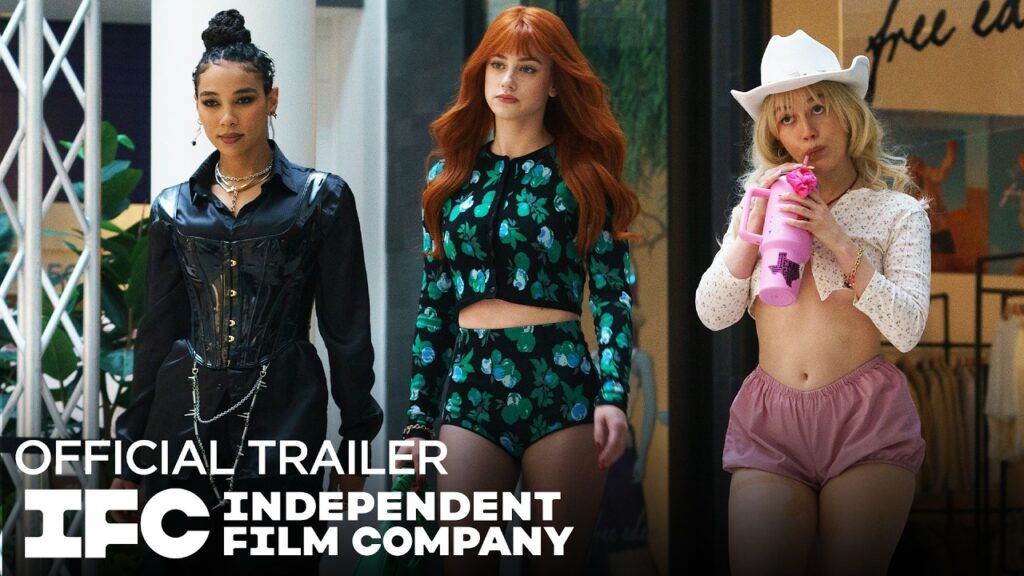
Set within the glossy yet artificial world of a shopping mall boutique, Forbidden Fruits follows Apple, the charismatic leader of a secret witch coven formed by her coworkers Cherry and Fig. Beneath their polished exterior lies a dangerous sisterhood built on control, manipulation, and hidden rituals.
When a new employee, Pumpkin, enters their orbit, she disrupts the group’s fragile hierarchy by questioning their bond and exposing underlying tensions. As loyalties fracture and secrets surface, the group is forced to confront not only external threats, but their own inner darkness. The narrative blends satire, horror, and dark comedy, framing female relationships as both empowering and destructive forces.
Why It Is Trending: A bold fusion of Gen Z aesthetics, horror satire, and female-driven narratives
Forbidden Fruits is trending due to its alignment with a rising wave of Gen Z-focused horror-comedies that mix satire with stylized storytelling. The film taps into current cultural conversations around identity, power dynamics, and performative relationships.
Its 2026 release positions it within a market increasingly dominated by female-led genre films, where horror is used as a lens to explore social themes. Director Meredith Alloway brings a visually driven and tonally bold approach, attracting attention from both critics and niche audiences.
The casting of recognizable faces like Lili Reinhart and Victoria Pedretti enhances its appeal, particularly among younger audiences familiar with their previous work. The film’s aesthetic—fashion-forward, ironic, and exaggerated—contributes to its strong visual identity and cultural relevance.
Elements Driving the Trend: A mix of satire, horror, and hyper-stylized storytelling
The film’s core appeal lies in its ability to blend dark humor with horror elements, creating a tone that is both unsettling and entertaining. It draws from influences like Mean Girls and The Craft, combining high-school-style social dynamics with supernatural themes.
The narrative is driven by character relationships and power struggles, rather than traditional horror structure. Performances from Lili Reinhart and Victoria Pedretti add depth and charisma, elevating the film’s satirical tone.
Additionally, the film’s strong visual styling—costumes, setting, and cinematography—aligns with a broader demand for aesthetic-driven storytelling, particularly among younger audiences.
Virality of Movie (Social Media Coverage): Strong niche buzz driven by aesthetic and cast appeal
The film generates online traction through its distinct visual identity, fashion elements, and meme-worthy dialogue. Clips and stills circulate widely among Gen Z audiences, particularly on platforms like TikTok and Instagram.
Discussions often focus on its themes of toxic friendships and empowerment, as well as standout performances, contributing to its niche but active digital presence.
Critics Reception: Mixed but engaged response from genre outlets and critics
The film holds a Metascore of 56, indicating mixed reviews. Coverage from outlets like TheWrap includes it among notable horror releases of 2026, while genre platforms such as Bloody Disgusting highlight its stylistic ambition and cult potential.
Critics generally praise its visual style and performances, particularly Victoria Pedretti, but note inconsistencies in pacing and narrative cohesion. This results in a polarized reception, with some viewing it as a bold experiment and others as uneven.
Awards and Recognitions: Limited recognition reflecting niche positioning and emerging cult status
As of now, the film has no major IMDb-listed awards, reflecting its position as a niche genre release.
However, its inclusion in genre discussions and curated lists suggests potential for cult recognition rather than traditional awards success.
Director and Cast: Meredith Alloway’s bold vision amplified by a charismatic ensemble
Director Meredith Alloway brings a distinctive voice, combining theatrical influence with cinematic stylization to create a visually striking film. Her approach emphasizes tone, mood, and character dynamics over conventional narrative structure.
Lili Reinhart leads the cast as Apple, delivering a controlled and commanding performance. Victoria Pedretti stands out with a dynamic and expressive portrayal of Cherry, while Alexandra Shipp and Lola Tung add further dimension to the ensemble.
Together, the cast creates a compelling group dynamic that drives the film’s central conflict.
The film trends because: Aesthetic storytelling, female-driven horror, and Gen Z themes align
• Cultural + market relevance The film reflects Gen Z aesthetics and social dynamics.
• Industry opportunity Studios are investing in female-led genre films with strong visual identity.
• Audience alignment Younger audiences engage with stylized, character-driven horror-comedy.
The industry continues to explore hybrid genres that combine social commentary with entertainment.
Conclusion: A bold, divisive, and visually driven entry into modern horror-comedy
Forbidden Fruits succeeds as a stylistic and thematic experiment that pushes boundaries within its genre. Its strength lies in its aesthetic, performances, and willingness to explore complex female dynamics. While its narrative may not fully satisfy all audiences, it creates a distinctive identity that stands out in a crowded market. Ultimately, the film represents a growing trend toward visually expressive, socially aware horror-comedies that resonate with niche audiences.
What Movie Trend Is Followed: Gen Z horror-satire blending aesthetic identity, female power, and toxic social dynamics
Forbidden Fruits follows a fast-growing trend in modern cinema: Gen Z horror-satire, where stylized visuals, dark humor, and social commentary intersect. These films use genre elements—particularly horror—not just to scare, but to critique identity, power structures, and performative relationships.
At its core, the trend explores how female friendships, hierarchy, and control can become both empowering and destructive. The witch cult becomes a metaphor for exclusivity, influence, and social dominance, echoing real-world dynamics.
This trend resonates strongly because it reflects the lived experiences of younger audiences, presenting familiar social structures through exaggerated, symbolic, and often violent storytelling.
Trend Drivers: The rise of female-led genre storytelling and identity-focused narratives
One of the biggest drivers is the increasing demand for female-led stories within traditionally male-dominated genres like horror. Audiences are seeking narratives that center female perspectives while challenging conventional tropes.
Filmmakers like Meredith Alloway are pushing boundaries by combining satire, horror, and fashion-forward aesthetics to create multi-layered storytelling experiences.
Additionally, there is a strong emphasis on identity exploration, where characters reflect modern concerns around belonging, power, and self-expression.
What Is Influencing Trend: Social media culture, performative identity, and toxic group dynamics
The trend is heavily influenced by the rise of social media-driven identity, where image, status, and belonging are constantly negotiated. The coven in Forbidden Fruits mirrors these dynamics, functioning like an exclusive social circle.
There is also a growing interest in exploring toxic friendships and manipulation, particularly within female groups, offering a more complex portrayal than traditional “girl power” narratives.
These influences create stories that feel both exaggerated and deeply relatable.
Macro Trends Influencing: Hybrid genres and aesthetic-driven cinema
On a macro level, cinema is moving toward genre hybridity, where films blend elements of horror, comedy, satire, and drama. This allows for more nuanced and layered storytelling.
There is also a shift toward aesthetic-driven filmmaking, where visual identity becomes as important as narrative. Films are designed to be visually distinctive and culturally shareable.
This reflects a broader cultural movement where style and storytelling are increasingly interconnected.
Consumer Trends Influencing: Demand for bold, shareable, and identity-driven content
Audiences—especially younger viewers—are drawn to content that is visually striking, emotionally provocative, and socially relevant. They seek films that can be both experienced and shared across platforms.
There is also a preference for niche, cult-like content, where uniqueness and originality are valued over mass appeal.
This trend supports films like Forbidden Fruits, which thrive on distinct identity rather than universal accessibility.
Audience Analysis: Gen Z and young millennial viewers seeking identity, style, and subtext
The core audience typically falls within the 16–35 age range, including viewers highly engaged with social media, fashion, and pop culture.
These audiences often lead lifestyles centered around self-expression, cultural awareness, and digital interaction, making them highly responsive to visually driven narratives.
Behaviorally, they gravitate toward films that offer layers of meaning, aesthetic appeal, and discussion value, often engaging with content through memes, reviews, and online discourse.
They value originality, boldness, and thematic relevance, aligning closely with the film’s tone and structure.
Conclusion: A culturally relevant trend driven by identity, aesthetics, and social commentary
The trend works because it transforms familiar social dynamics into stylized, symbolic narratives that resonate with modern audiences. It is highly scalable within niche and digital-driven markets. Its sustainability is strong, as identity-focused storytelling continues to dominate cultural conversation. The industry will continue investing in such films as they blend entertainment with commentary in visually compelling ways.
Final Verdict: A stylish but uneven Gen Z horror-satire that thrives on aesthetic and attitude
Forbidden Fruits positions itself as a bold entry in the evolving space of female-led horror-comedy, where visual identity and social commentary take precedence over traditional storytelling. It leans heavily into style, tone, and character dynamics, creating an experience that is more atmospheric than plot-driven.
Director Meredith Alloway establishes a clear creative voice, blending satire with horror to explore themes of control, identity, and toxic relationships. The film’s strength lies in its ability to create a distinct world that feels both exaggerated and reflective of real social structures.
From an identity perspective, the film resonates with audiences familiar with performative friendships, hierarchy, and social pressure, particularly within younger demographics. It captures the tension between empowerment and manipulation within female spaces.
Its long-term impact will likely be tied to its cult appeal rather than mainstream success, positioning it as a conversation-driven piece of genre cinema.
Audience Relevance: A niche but highly resonant experience for Gen Z viewers
The film strongly connects with younger audiences who recognize the social dynamics being portrayed. Its themes of belonging, exclusion, and identity feel particularly relevant in a digitally driven culture.
At the same time, its stylized presentation and dark humor may limit its accessibility for broader audiences, reinforcing its niche positioning.
What Is the Message of Movie: Power within relationships can become destructive when driven by control and insecurity
At its core, Forbidden Fruits suggests that relationships built on dominance and performance are inherently unstable. The coven dynamic becomes a metaphor for manipulation disguised as unity.
The film emphasizes that confronting internal darkness is necessary for growth, even if it leads to conflict or collapse.
Relevance to Audience: Reflecting modern social hierarchies and identity performance
The film mirrors real-world social structures where identity is often shaped by group belonging and external validation. It highlights how these dynamics can create both connection and harm.
This relevance enhances engagement, particularly among viewers who navigate similar social environments.
Social Relevance: A critique of performative empowerment and toxic group dynamics
Forbidden Fruits explores the darker side of empowerment narratives, showing how they can become exclusive and controlling rather than liberating.
It also addresses broader issues of manipulation, peer pressure, and identity formation, making it socially relevant beyond its genre.
Performance: Mixed reception with strong performances but uneven narrative impact
With an IMDb rating of 6.1 and a Metascore of 56, the film reflects a divided reception. Critics and audiences often praise the performances—particularly Victoria Pedretti and Lili Reinhart—while noting issues with pacing and storytelling cohesion.
Its modest box office performance (approx. $2.2M worldwide) further reinforces its niche appeal rather than mainstream success.
Legacy: Potential cult status within modern horror-comedy landscape
The film’s legacy will likely be tied to its distinct aesthetic and thematic boldness, rather than traditional acclaim. It fits within a growing category of films that gain recognition over time through dedicated fanbases.
As similar films emerge, Forbidden Fruits may be viewed as part of a wave redefining how horror and satire intersect.
Success: Defined by cultural conversation and niche audience engagement
The film’s success is measured through its ability to spark discussion and resonate with a specific audience segment. Its presence in genre conversations and streaming releases strengthens its long-term visibility.
The involvement of producers like Diablo Cody further elevates its cultural positioning within contemporary cinema.
Insights: Gen Z horror is redefining genre storytelling through style, identity, and social critique.Industry Insight: Studios are increasingly investing in hybrid genre films that combine horror with satire and social commentary. This allows for more diverse and culturally relevant storytelling. It reflects a shift toward experimentation.Audience Insight: Younger viewers are drawn to films that reflect their social realities and offer strong visual identity. They value content that is both entertaining and meaningful. This shapes how films are received and shared.Social Insight: The film highlights the complexities of modern relationships, particularly within female groups. It reveals how power and identity can become intertwined in harmful ways. These themes resonate strongly in contemporary culture.Cultural Insight: Forbidden Fruits contributes to a broader movement of visually driven, socially aware cinema. It demonstrates how genre films can evolve to reflect current cultural dynamics. This trend is shaping the future of horror and satire.
Conclusion: A visually striking, conversation-driven film that prioritizes identity and atmosphere over narrative precision
The film’s long-term relevance lies in its ability to capture the complexities of modern identity and social interaction through a stylized lens. It operates within a cinematic space where aesthetic and theme often outweigh traditional storytelling structure. From an industry perspective, it reinforces the growing importance of niche, culturally specific content. While not universally accessible, Forbidden Fruits stands as a bold and memorable entry in contemporary horror-comedy.
Summary of the Movie: A dark, stylish tale of power, sisterhood, and the dangerous allure of belonging
• Movie themes: Toxic friendships, power dynamics, identity, manipulation, female hierarchyThe film explores how tightly controlled social groups can blur the line between empowerment and control, using horror and satire to expose the darker sides of belonging.
• Movie director: Bold, aesthetic-driven storytelling by Meredith AllowayAlloway delivers a visually stylized film that prioritizes tone, mood, and character dynamics, blending theatrical influence with cinematic flair. Her approach focuses on atmosphere and symbolism rather than conventional narrative structure.
• Top casting: Charismatic ensemble led by Lili Reinhart and Victoria PedrettiReinhart commands the screen as Apple with a controlled and calculated presence, while Pedretti stands out with a dynamic and expressive performance as Cherry, bringing much of the film’s energy and humor.
• Awards and recognition: No major awards but growing cult recognition potentialThe film currently holds no major IMDb-listed awards, reflecting its niche genre positioning, but ongoing discussions and streaming visibility suggest potential for cult status.
• Why to watch movie: A visually bold, provocative horror-comedy with strong performances and unique toneIt offers a fresh take on female dynamics within a stylized horror framework, appealing to audiences interested in genre hybrids and social commentary.
• Key Success Factors: Positioned within Gen Z horror-satire and aesthetic cinema trendSimilar to films like The Craft and Mean Girls, it succeeds through its focus on group dynamics, visual identity, and thematic boldness.
• Where to watch: Theatrical release with streaming rolloutReleased on March 27, 2026 (United States), the film had a limited theatrical run and is expected to reach wider audiences through streaming platforms.
Conclusion: A defining exploration of identity, control, and the seductive danger of belonging
Forbidden Fruits defines its narrative through the tension between individuality and group identity, where belonging comes at a cost. It stands out as a film that uses horror and satire to explore the complexities of modern social dynamics. By emphasizing style and character over traditional storytelling, it creates a distinct and memorable viewing experience. Its strength lies in its ability to provoke thought and discussion rather than deliver straightforward answers. Ultimately, the film offers a bold and unsettling reflection on the power structures that shape relationships and identity in contemporary culture.