


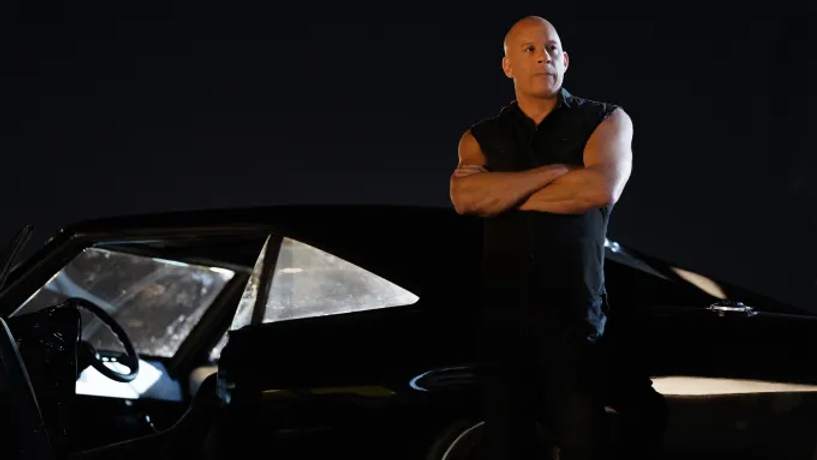
Why The Trend Is Emerging: Audiences Now Expect Stories To End Meaningfully, Not Just Continue
The recent message from Vin Diesel about the finale of the Fast & Furious franchise highlights a bigger shift in entertainment—people don’t just want more content, they want proper endings. After following stories for years (sometimes decades), audiences are looking for closure that feels earned, emotional, and respectful. This is no longer just about wrapping up a plot—it reflects a deeper change in how people value storytelling, where meaning and payoff matter more than endless continuation.
• Franchises have been extended across so many sequels and spin-offs that audiences are now craving a satisfying conclusion rather than more expansion.
• Long-term fans feel emotionally invested and expect an ending that rewards their time and loyalty.
• Studios are realizing that a strong finale can generate just as much attention and revenue as launching a new franchise.
• Social media has increased pressure, making endings highly visible and open to instant public reaction.
• Returning to original themes or locations helps signal authenticity and gives fans a sense of closure.
Virality of Trend (Social Media Coverage):This trend spreads because it taps into emotion and nostalgia. Personal posts like Vin Diesel’s resonate strongly and are widely shared across Instagram and X. On TikTok, fans remix iconic scenes and build anticipation through edits and theories. The combination of looking back and looking forward keeps engagement high over long periods.
Where it is seen (in what industries):
-
Film & Entertainment: Final installments are positioned as major global events with emotional storytelling at the center.
-
Streaming: Series finales are used to drive peak engagement and retain subscribers.
-
Gaming: Long-running titles introduce final arcs or resets to re-engage audiences.
-
Merchandising: Limited-edition drops tied to finales create urgency and nostalgia-driven demand.
-
Experiences: Live events and immersive activations allow fans to “experience” the ending.
This trend is growing because audiences now care deeply about how stories end. It matters culturally because these franchises are part of people’s lives. It creates strong commercial opportunities through nostalgia and event-driven engagement. And it forces studios to think more carefully about storytelling, not just scale.
Description Of The Consumers: Loyal Fans Who Grew Up With The Franchise
The audience driving this shift is made up of people who didn’t just watch these stories—they grew up with them. Their connection goes beyond entertainment, making them highly invested in how everything concludes.
• Legacy Fans are long-term followers who feel personally connected to the story and characters, seeing themselves as part of the journey rather than just viewers.
• They are typically aged 25–45, with stable income and a willingness to spend on experiences and products tied to meaningful content.
• They actively rewatch past installments, follow updates, and engage in online discussions and fan communities.
• They value authenticity and expect the ending to stay true to the story rather than feel overly commercial.
• Their emotional driver is closure—they want to feel that their long-term engagement was worth it.
• They gravitate toward familiar worlds, strong characters, and storytelling with emotional depth.
• Their decisions are influenced by trust in the creators and the promise of a satisfying payoff.
This group plays a key role in shaping perception and driving engagement. Their reactions influence broader audiences, and their loyalty can significantly impact a franchise’s long-term success.
Main Audience Motivation: Wanting A Meaningful Ending That Feels Worth The Journey
At the core, audiences are looking for more than entertainment—they want a conclusion that feels complete and emotionally satisfying.
• The main motivation is to see the story resolved in a way that feels meaningful, giving closure to characters and narratives they’ve followed for years.
• A secondary motivation is nostalgia, with audiences wanting to reconnect with earlier moments and feel a sense of continuity.
• There is a tension between excitement for the ending and concern that it might not meet expectations.
• This leads to increased engagement, including rewatching older content and following updates closely.
• Watching the finale also becomes a way to express identity and connection to a shared cultural moment.
In simple terms, audiences are not just finishing a story—they are completing a long personal and emotional journey.
Trends 2026: The Rise Of Big “Final Chapter” Moments In Entertainment
We are seeing a shift where endings are becoming the most important moment in a franchise lifecycle. Final chapters are now designed to deliver both emotional impact and commercial success.
• What is influencing the shift:Franchises have matured to a point where audiences expect closure, and studios are recognizing the value of ending on a high note. Strong finales can generate peak attention and revenue.
• Macro trends influencing the shift:Nostalgia is becoming more important, especially in uncertain times, while digital platforms keep older content constantly relevant. Global distribution also amplifies the impact of major releases.
• Is it bringing novelty or innovation to consumers?Yes—finales are now expanded into multi-platform experiences, combining storytelling with marketing and fan engagement.
• Can it create meaningful competitive differentiation?Yes—franchises that deliver strong endings build deeper loyalty and stand out in a crowded market.
• How can brands operationalize this shift in daily business?By planning endings early, maintaining consistent engagement, and building anticipation across multiple channels.
Trend Table: Where Emotional Closure Becomes The New Engine Of Franchise Growth
|
Description (Insight-Led Explanation) |
||
|
Main Trend — “Finale Economy” |
Franchises are turning their final chapters into peak cultural and commercial moments rather than simple endings. |
Drives highest revenue spikes, brand equity, and long-term legacy value |
|
Social Trend — “Nostalgia Amplification Loop” |
Fans continuously resurface iconic moments online, blending past memories with future anticipation. |
Sustains engagement, expands reach, and builds organic hype |
|
Industry Trend — “Eventized Storytelling” |
Final installments are designed as global events with coordinated releases, marketing, and fan experiences. |
Increases visibility, pricing power, and cross-platform monetization |
|
Main Strategy — “Closure-First Franchise Design” |
Studios begin planning the ending early, ensuring the story builds toward a meaningful and satisfying conclusion. |
Improves narrative consistency, strengthens loyalty, and reduces franchise fatigue |
|
Main Consumer Motivation — “Emotional Payoff Seeking” |
Audiences are driven by the need to feel that their long-term investment in the story was worth it. |
Increases repeat viewing, advocacy, and willingness to spend |
|
Related Trend 1 — “Return-To-Roots Storytelling” |
Final chapters revisit original themes, locations, and character dynamics to reconnect with core identity. |
Builds authenticity and reinforces emotional connection |
|
Related Trend 2 — “Multi-Platform Closure” |
The ending extends beyond film into streaming, social content, and experiences. |
Expands engagement and unlocks additional revenue streams |
|
Related Trend 3 — “Fan-Led Narrative Momentum” |
Online communities actively shape hype through theories, edits, and discussions. |
Amplifies visibility while increasing pressure to deliver |
These trends matter because they shift the focus from continuous content to meaningful moments. Together, they create stronger emotional engagement while unlocking higher commercial value. The real opportunity lies in designing endings as shared cultural experiences, not just releases. And the brands that understand this will lead the next phase of franchise growth.
Final Insights: Endings Are Becoming The Most Important Part Of The Story
We’re entering a moment where how a story ends matters just as much—if not more—than how it begins. This changes how franchises are built, marketed, and remembered.
Insights A great ending can define a franchise’s legacy more than all the chapters that came before it, becoming the lasting impression that shapes how audiences remember and talk about the entire story.Industry Insight Studios need to treat finales as headline moments, with the same (or greater) investment as launch films, aligning creative, marketing, and distribution to maximize both emotional and commercial impact.Consumer Insight Audiences want emotional payoff, not just spectacle—they want to feel something meaningful at the end, which increases loyalty, rewatch behavior, and word-of-mouth amplification.Social Insight Finales bring people together, creating shared cultural moments across generations that extend into online conversations, content creation, and collective nostalgia.Cultural/Brand Insight Brands that deliver strong endings earn long-term respect and sustained relevance, strengthening cultural authority and building trust for future projects.
Innovation Platforms: Turning Franchise Endings Into Scalable Growth Opportunities
• Finale Event ExperiencesCreate global premieres, fan screenings, and live experiences tied to the final installment. This requires strong coordination but can generate premium pricing and large-scale attention.
• Nostalgia-Driven Product DropsLaunch limited-edition merchandise linked to key moments from the franchise, using emotional connection and scarcity to drive demand and margins.
• Multi-Platform Story ExtensionsExpand the finale into additional content formats such as behind-the-scenes features, spin-off content, and digital storytelling to extend engagement.
• Fan Engagement EcosystemsEncourage user-generated content, discussions, and theories across platforms to amplify reach and deepen connection.
• Return-To-Origins CampaignsFocus marketing on the beginnings of the story—locations, themes, and characters—to create a strong emotional link and sense of closure.
These innovation platforms turn insight into practical growth strategies. They help brands increase revenue while strengthening emotional connection. They also support long-term relevance by building deeper audience loyalty. And ultimately, strong execution will determine which franchises leave a lasting impact.
The “Closure Economy”: Why Designed Endings Are Becoming A Powerful Growth Strategy Across Industries
The idea behind what started in entertainment as “finale moments” has now expanded into a much broader shift—the Closure Economy. Across industries, brands are realizing that endings, transitions, and “last chapters” can be just as powerful as launches. This trend has emerged as consumers increasingly seek meaning, completion, and emotional payoff in a world that often feels continuous and unfinished. It is trending because people are overwhelmed by constant updates, subscriptions, and infinite options, creating a desire for clear endpoints that feel intentional, curated, and worth paying attention to.
• What is the trend: Brands are intentionally designing endings, final editions, or “closing moments” as high-impact experiences that drive engagement, emotion, and revenue.This goes beyond simply discontinuing a product or ending a service—companies are framing these moments as narratives, giving them symbolic weight and turning them into something consumers want to be part of rather than miss.
• How it appeared: It began in long-running entertainment franchises but expanded as other industries recognized the power of nostalgia, scarcity, and emotional closure.As audiences responded strongly to well-executed finales, brands in fashion, tech, and retail started adopting similar approaches, using “the end” as a strategic lever rather than a passive outcome.
• Why it is trending: Consumers are experiencing fatigue from endless choice and ongoing cycles, making closure feel premium, rare, and emotionally rewarding.In a culture of constant updates and never-ending content, a defined ending stands out—it signals intention, quality, and a moment worth paying attention to.
• What is the motivation: People want to feel completion, meaning, and control—closing a loop feels psychologically satisfying and validates their time and investment.This emotional payoff transforms consumption into a more personal experience, where participating in an ending feels like finishing a chapter of their own life, not just a product lifecycle.
-
Fashion: Final collections, archive drops, and “last season” releases create urgency and exclusivity, often increasing perceived value and sell-through rates.
-
Tech & Products: Limited final editions or discontinued models drive demand through scarcity, turning functional products into collectible items.
-
Retail: “End of era” campaigns and store closures are reframed as experiential moments, attracting both loyal and new customers.
-
Gaming & Digital Platforms: Final seasons, sunset events, and legacy content releases re-engage users and extend platform relevance.
-
Automotive: Final production runs of iconic models are positioned as heritage milestones, often commanding premium pricing.
-
Hospitality & Experiences: Closing events, farewell tours, and “last chance” offerings create emotional urgency and increase bookings.These industries are not just ending products—they are monetizing the emotional and cultural value of closure.
• How to benefit from the trend:
-
Turn endings into events rather than announcements
-
Use storytelling to connect past, present, and final moment
-
Create scarcity through limited releases or time-bound access
-
Engage communities emotionally before and during the closureBy doing this, brands can extend attention cycles, increase willingness to pay, and generate organic amplification through shared emotional experiences.
• What strategy should be to benefit:
-
Plan endings early, not reactively
-
Align product, marketing, and experience into one cohesive “final moment”
-
Leverage nostalgia while reinforcing brand identity
-
Extend the lifecycle through content, merchandise, or experiences tied to the endingA strong strategy ensures the ending feels intentional and valuable, rather than abrupt or purely operational.
• Who are the consumers targeted:
-
Emotionally invested, experience-driven audiences
-
Typically 25–45, with spending power and strong nostalgia connection
-
Highly active on social platforms and influenced by cultural moments
-
Value meaning, storytelling, and exclusivity over pure functionalityThese consumers are not just buying products—they are buying into moments, memories, and cultural participation.
The Closure Economy builds directly on the main trend of finale-driven storytelling, expanding it far beyond entertainment into a cross-industry growth strategy. What began as a way to end stories is now a way to create value, deepen emotional connection, and drive premium demand. Brands that treat endings as strategic moments—designed, communicated, and experienced with intention—will not only capture attention but also strengthen loyalty, justify higher pricing, and create lasting cultural relevance.

