
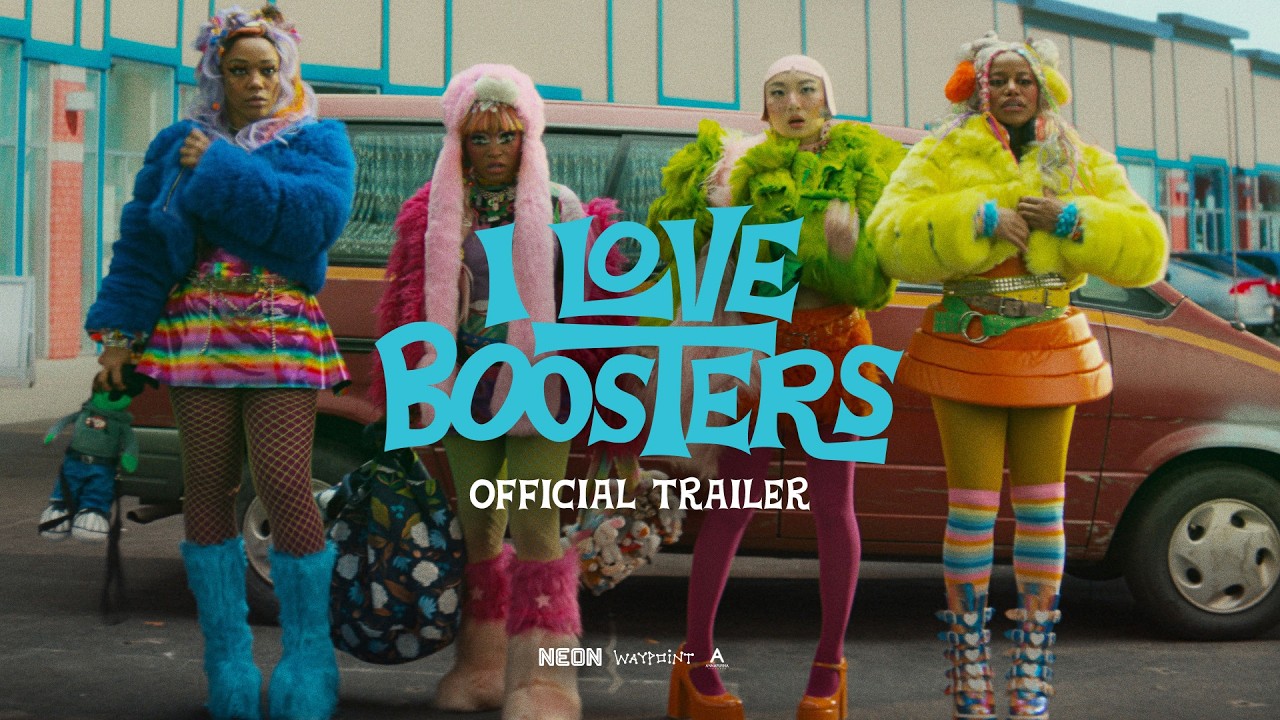
A rebellious anti-capitalist heist satire wrapped in surreal sci-fi energy
A crew of skilled shoplifters sets their sights on taking down a ruthless fashion mogul, turning petty theft into a full-scale rebellion. What begins as targeted heists quickly escalates into a surreal confrontation between underground resistance and elite power.
As their operations grow bolder, the group becomes entangled in a world where fashion, capitalism, and identity collide. The stakes shift from survival to disruption, forcing them to confront not just their enemy, but the system they operate within.
Blending comedy, sci-fi, and social satire, the film uses exaggerated scenarios to critique consumer culture and power structures. Beneath its chaotic surface lies a story about control, rebellion, and reclaiming agency in a world driven by status and image.
Why It Is Trending: Anti-capitalist satire meets fashion and sci-fi spectacle
I Love Boosters (2026) is trending because it blends sharp social commentary with genre-bending storytelling, a defining signature of Boots Riley. In a cultural moment where audiences are increasingly questioning consumerism, wealth disparity, and corporate dominance, the film directly channels these tensions into an accessible cinematic experience.
Its premise — a group of shoplifters targeting a powerful fashion empire — aligns with ongoing conversations around fast fashion, luxury branding, and systemic exploitation. This gives the film a timely, culturally charged edge that resonates beyond entertainment.
The presence of high-profile talent such as Keke Palmer, LaKeith Stanfield, and Naomi Ackie expands its reach, drawing both mainstream viewers and indie audiences. Their involvement strengthens the film’s crossover appeal and visibility.
Riley’s reputation for bold, unconventional narratives positions the project as a standout indie “event,” amplified by early critical buzz and media attention highlighting its originality and thematic ambition.
Elements Driving the Trend: Rebellion packaged as entertainment
The film’s appeal is driven by its fusion of heist storytelling, satire, and sci-fi elements, creating a layered narrative that is both entertaining and socially aware. This hybrid approach allows it to stand out within a crowded market.
Its central hook — reframing shoplifting as an act of resistance — adds a subversive dimension that transforms a criminal act into commentary. This inversion of perspective makes the story feel provocative and engaging.
The surreal visual style and heightened tone further distinguish it from conventional comedies and dramas. Riley’s direction emphasizes bold imagery and unconventional structure, reinforcing the film’s unique identity.
A strong ensemble cast brings energy and balance, blending humor with intensity and grounding the film’s themes in character-driven performances.
Virality of Movie (Social Media Coverage): “Stealing back from the system”
The film is gaining traction online through discussions centered on its rebellious themes and striking aesthetic. Clips and commentary emphasize its anti-capitalist messaging and visual boldness.
Its core idea resonates strongly with younger audiences, making it highly shareable and fueling ongoing conversation across social platforms.
Critics Reception: Bold, provocative, and divisive
Critics highlight the film’s ambition and originality, praising its visual inventiveness and thematic depth. Outlets such as IndieWire point to its fearless and unconventional approach to satire.
At the same time, its chaotic structure and stylized tone may divide audiences, with some finding it overly abstract or challenging.
Awards and Recognitions: Festival recognition with early nomination
The film received a 2026 Audience Award nomination (Headliners section) at the SXSW Film Festival, marking its most important early recognition and signaling strong audience engagement within the indie circuit.
This nomination positions the film within a culturally relevant festival landscape, reinforcing its appeal as both a crowd-driven and conversation-starting project.
The film trends because it successfully merges entertainment with cultural critique, making it both engaging and relevant. Its impact lies in reflecting contemporary anxieties around capitalism, power, and identity. From an industry perspective, it reinforces the demand for bold, genre-defying storytelling. As cinema evolves, it signals a continued shift toward films that challenge audiences while still delivering compelling experiences.
What Movie Trend Is Followed: Anti-establishment satire through genre-blending storytelling
I Love Boosters (2026) follows a rising trend where films use genre-blending narratives to deliver sharp social critique. Instead of traditional storytelling, these films combine comedy, sci-fi, and crime elements to explore themes like capitalism, inequality, and power.
This approach makes complex ideas more engaging and accessible, allowing audiences to connect emotionally while still being entertained. It reflects a shift toward stories that are both meaningful and visually distinctive.
By embedding critique within stylized narratives, filmmakers create experiences that feel fresh, provocative, and culturally relevant. The trend resonates strongly with audiences seeking more than just passive entertainment.
It also allows creators to experiment with tone and structure, pushing boundaries while maintaining audience engagement. This balance is key to its growing popularity.
Trend Drivers: Social critique packaged as entertainment
The trend is driven by a growing appetite for stories that challenge societal norms while remaining entertaining. Audiences are increasingly interested in narratives that reflect real-world frustrations in creative ways.
Filmmakers like Boots Riley bring a distinct voice that blends humor, surrealism, and critique, making the content both engaging and thought-provoking. This author-driven approach adds authenticity and uniqueness.
The use of genre elements like heist structures and sci-fi concepts provides familiar entry points for viewers. These frameworks make complex themes easier to digest.
Additionally, ensemble casts and dynamic performances enhance accessibility, ensuring the message does not overshadow entertainment value.
What Is Influencing Trend: Cultural dissatisfaction with systems of power
Rising awareness of wealth inequality, corporate dominance, and consumer culture is shaping storytelling choices. These issues create demand for narratives that question existing systems.
Media and online discourse amplify these themes, encouraging films that reflect and respond to societal concerns.
This environment supports bold, unconventional storytelling that resonates with contemporary audiences.
Macro Trends Influencing: Blending prestige storytelling with genre cinema
The broader industry is moving toward hybrid films that combine artistic ambition with mainstream appeal. This allows socially conscious narratives to reach wider audiences.
Studios and indie distributors alike are investing in projects that balance message and entertainment.
This shift positions genre-blending films as both culturally relevant and commercially viable.
Consumer Trends Influencing: Preference for bold and unconventional narratives
Audiences are increasingly drawn to films that take risks and offer unique perspectives. They prefer originality over formulaic storytelling.
There is also a growing interest in content that sparks conversation and reflects personal or societal experiences.
This encourages filmmakers to experiment with tone, structure, and themes.
Audience Analysis: Young, socially aware, and culturally engaged viewers
The core audience falls within the 18–35 demographic, particularly urban, digitally active viewers. They are highly engaged with social issues and cultural discourse.
This audience values authenticity, originality, and bold storytelling. They are drawn to films that challenge norms and provoke thought.
Their media consumption is heavily influenced by social platforms, where shareability and discussion drive engagement.
They are also more open to genre experimentation, making them receptive to unconventional narratives like I Love Boosters.
The trend works because it transforms complex social critique into engaging entertainment that resonates with modern audiences. It is highly scalable across genres and adaptable to different storytelling styles. Its sustainability lies in its ability to evolve alongside cultural conversations. As the industry continues to prioritize originality and relevance, this trend will remain a powerful storytelling approach.
Final Verdict: A rebellious satire that turns crime into cultural commentary
I Love Boosters positions itself as a bold, anti-establishment film that blends entertainment with sharp critique of consumer culture and power structures. It reflects a growing cultural appetite for stories that challenge systems while remaining visually engaging and narratively unconventional.
From an industry perspective, the film signals continued investment in auteur-driven, genre-blending storytelling that appeals to both indie credibility and mainstream curiosity. It reinforces the value of distinctive creative voices in a market saturated with formulaic content.
At an identity level, the film resonates with audiences navigating questions of value, belonging, and resistance within consumer-driven societies. It frames rebellion not just as action, but as a form of self-expression and survival.
In the long term, the film contributes to a shift toward socially conscious entertainment that balances message with spectacle. Its impact lies in proving that provocative storytelling can remain commercially and culturally relevant.
Audience Relevance: Rebellion as a form of identity
The film connects strongly with audiences who view systems of power with skepticism. It reflects a mindset where resistance and individuality are central to personal identity.
Younger viewers, in particular, relate to its tone of defiance and its critique of consumer culture. This makes the film feel both timely and emotionally engaging.
It also resonates with audiences drawn to unconventional storytelling and bold creative choices. This broadens its appeal beyond traditional genre boundaries.
What Is the Message of Movie: Power, control, and reclaiming value
At its core, the film explores how systems of power define value and identity. It challenges the idea that worth is determined by wealth, status, or ownership.
Through its narrative, it presents rebellion as a response to imbalance and exploitation. This reframes crime as a symbolic act of resistance.
The message emphasizes the importance of questioning established norms. It encourages audiences to reconsider their relationship with consumer culture.
Relevance to Audience: Navigating inequality and self-worth
The story reflects real-world anxieties around economic disparity and social mobility. It connects with audiences who feel excluded from traditional systems of success.
By portraying characters who resist these structures, the film offers a sense of empowerment. This creates a deeper emotional connection.
It also mirrors the internal conflict between conformity and individuality. This adds layers of relatability to its narrative.
Social Relevance: Challenging consumer culture
The film directly engages with contemporary conversations around capitalism and consumption. It questions the ethics of luxury industries and the systems that sustain them.
This aligns with broader cultural discussions about sustainability, exploitation, and inequality. It positions the film within a larger social dialogue.
By framing these issues through satire, it makes them more accessible and impactful. This increases its cultural relevance.
Performance: Ensemble energy meets auteur vision
The cast, including Keke Palmer, LaKeith Stanfield, and Naomi Ackie, delivers performances that balance humor, intensity, and social commentary. Their chemistry enhances the film’s dynamic tone.
Each performance contributes to the film’s layered narrative, supporting both its entertainment value and thematic depth. This strengthens its overall impact.
Legacy: A defining entry in modern satirical cinema
The film stands as part of a growing movement of socially conscious, genre-blending cinema. It reinforces the relevance of satire in addressing contemporary issues.
Its long-term legacy will likely be tied to its bold narrative style and thematic ambition. It represents a shift toward more experimental mainstream storytelling.
Success: Critically recognized with emerging industry momentum
The film has received 1 nomination at the SXSW Film Festival (Audience Award – Headliners category), highlighting early industry recognition.
With a 73 Metascore, it indicates generally favorable critical reception, with praise for originality and thematic ambition.
Its festival presence and media attention position it as a strong contender within the indie and auteur-driven space.
Insights: Sometimes rebellion is less about theft and more about reclaiming identity
Industry Insight: The film reflects a growing industry shift toward blending social commentary with genre entertainment. It demonstrates that audiences are receptive to bold, politically aware narratives. This encourages studios to invest in more unconventional storytelling.Audience Insight: Viewers are increasingly drawn to stories that reflect their frustrations with modern systems. They seek narratives that validate their experiences and offer new perspectives. This shapes demand for more socially conscious content.Social Insight: The film engages with ongoing discussions around inequality and consumer culture. It highlights the tension between individual identity and systemic control. This makes it highly relevant in today’s cultural landscape.Cultural Insight: The narrative contributes to a broader cultural movement that challenges traditional definitions of success and value. It reflects changing attitudes toward power and ownership. This positions the film within a larger societal shift.
The film’s long-term relevance lies in its ability to merge entertainment with meaningful social critique. It reflects a system-level shift toward narratives that challenge traditional power structures. From a market perspective, it highlights the demand for bold, creator-driven storytelling. As the industry evolves, it signals continued support for films that provoke, challenge, and engage audiences.
Summary of the Movie: A rebellious heist satire where crime becomes commentary
• Movie themes:Anti-capitalism and identity — The film explores rebellion, value, and power through a group challenging systems of wealth and control.
• Movie director:Auteur-driven satire — Boots Riley delivers a bold, genre-blending narrative focused on social critique and surreal storytelling. Known for Sorry to Bother You, Riley continues his signature style of mixing humor with political commentary.
• Top casting:Ensemble-led energy — Keke Palmer, LaKeith Stanfield, and Naomi Ackie bring dynamic performances that balance satire, intensity, and character-driven storytelling.
• Awards and recognition:Early festival recognition — 1 nomination at SXSW Film Festival (Audience Award – Headliners category), highlighting early industry interest and positioning within indie cinema.
• Why to watch movie:A bold, visually distinctive satire that blends humor, sci-fi, and social critique into a unique cinematic experience.
• Key Success Factors:Combines strong auteur vision, timely cultural themes, and genre-blending storytelling to create a distinctive and conversation-driven film.
• Where to watch:Releases May 22, 2026 (United States) with theatrical distribution and expected streaming rollout after initial release.





Leave a Reply