


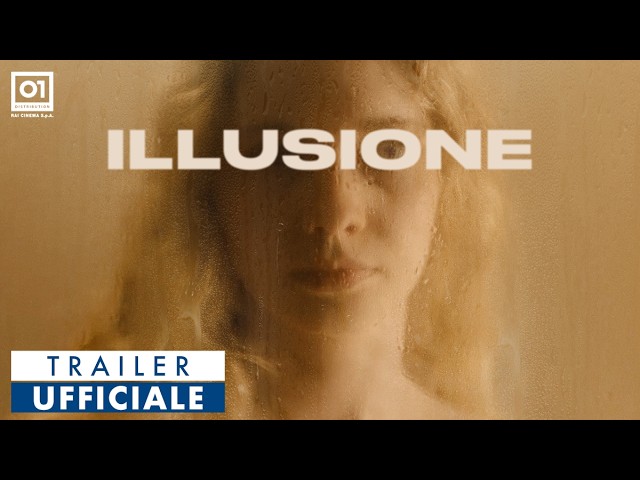
A Psychological Drama About Power, Vulnerability, and the Illusion of Control
Contemporary European cinema is increasingly turning its attention to the hidden power structures that shape personal relationships. Rather than presenting exploitation as an isolated event, filmmakers are exploring the subtle emotional, economic, and social dynamics that allow inequality to flourish behind seemingly ordinary interactions. Illusione embraces this approach through a raw and emotionally complex examination of vulnerable young women whose lives become entangled with wealthy and influential men. Directed by acclaimed Italian filmmaker Francesca Archibugi, the film investigates how manipulation, desire, and privilege intersect within modern society.
Rather than framing its story as a conventional crime or social drama, Illusione appears to focus on the psychological mechanisms of influence itself. It asks how power operates through trust, dependency, and emotional vulnerability, revealing that control is often exercised not through force but through carefully maintained illusions. The result is a character-driven drama that examines the fragile boundary between protection and exploitation, freedom and dependence.
Quick Facts: A Psychological Drama About Power, Manipulation, and Emotional Vulnerability
|
Power dynamics, emotional manipulation, vulnerability, social inequality, exploitation, identity |
|
|
Francesca Archibugi, Francesco Piccolo |
|
|
Fandango, Rai Cinema, Tarantula |
|
➡️ Key Takeaway: Illusione is a psychologically charged drama that explores how power, privilege, and emotional vulnerability shape modern relationships through subtle forms of manipulation rather than overt violence.
Should You Watch It?: A Mature Drama That Examines the Hidden Mechanics of Power
If you appreciate socially conscious European dramas that explore complex psychological relationships, Illusione offers a thoughtful and emotionally challenging experience. Rather than relying on sensationalism, the film appears to investigate how influence and manipulation operate quietly within unequal relationships, encouraging audiences to question the invisible systems of power that often shape personal choices. Viewers interested in morally complex character studies and contemporary social issues will likely find the film particularly compelling.
However, audiences expecting a conventional thriller or courtroom drama should be aware that Illusione appears to prioritize psychological observation over dramatic twists. Francesca Archibugi’s storytelling is likely to emphasize emotional nuance, character psychology, and social realism, making the film more reflective than suspense-driven.
➡️ Key Takeaway: Illusione is best suited to viewers seeking an intelligent psychological drama that explores power, vulnerability, and moral ambiguity with emotional depth.
Why Everyone Is Talking About It?: Francesca Archibugi Explores Power Beyond the Obvious
One of the film’s most compelling qualities is its decision to examine power as an emotional and psychological force rather than simply an economic or social one. By focusing on vulnerable young women and influential men, Illusione investigates how manipulation often develops gradually through trust, dependence, and unequal opportunities rather than through explicit coercion. This nuanced perspective places the film within the growing tradition of European dramas examining the invisible structures that shape contemporary relationships.
The project has also generated interest because it marks another socially engaged work from Francesca Archibugi, one of Italy’s most respected contemporary filmmakers. Known for combining intimate character studies with broader social observations, Archibugi continues her exploration of complex human relationships through a story that reflects current conversations about power, consent, and inequality.
➡️ Key Takeaway: Illusione transforms a story about unequal relationships into a broader reflection on how power quietly shapes identity, trust, and emotional freedom.
Movie Trend: Power Dynamics — When Influence Becomes Emotional Control
Across contemporary European festival cinema, filmmakers are increasingly examining power dynamics as one of the defining forces shaping modern relationships. Rather than portraying power solely through wealth or authority, these films explore how influence operates through emotional dependence, social inequality, economic vulnerability, and psychological manipulation. Illusione reflects this growing cinematic movement by examining what happens when vulnerable young women become entangled with wealthy and influential men, exposing the invisible mechanisms that blur the boundaries between protection, desire, and control.
Rather than presenting its characters as simple victims or villains, the film appears to investigate the emotional complexity of unequal relationships. Francesca Archibugi suggests that power often functions through subtle psychological influence rather than overt coercion, making manipulation difficult to recognize until emotional dependency has already taken hold. By focusing on the moral ambiguity of these relationships, Illusione transforms an intimate drama into a broader reflection on privilege, vulnerability, and the structures of power that continue to shape contemporary society.
➡️ Key Takeaway: Illusione reveals how emotional, social, and economic inequalities quietly shape human relationships, showing that power is often exercised through influence rather than force.
➡️ Movie Trend: Power Dynamics
Who Should Watch It? (Audience Profile): A Socially Conscious Drama for Viewers Interested in Complex Human Relationships
|
Fans of European psychological and social dramas |
|
|
Festival audiences, feminist cinema enthusiasts, lovers of character-driven films |
|
|
Cinephiles, festival-goers, lovers of contemporary European cinema |
|
|
Psychological dramas, social realism, character studies, morally complex films |
Illusione is particularly suited to viewers who appreciate intelligent dramas that explore emotional complexity rather than offering simple moral conclusions. Its focus on power, vulnerability, and psychological manipulation makes it appealing to audiences interested in contemporary social issues presented through intimate character studies rather than overt political statements.
The film will also resonate with viewers who enjoy Francesca Archibugi’s emotionally nuanced storytelling and European cinema that explores relationships through realism rather than melodrama. Those looking for thoughtful examinations of identity, privilege, and emotional dependency are likely to find Illusione especially compelling.
➡️ Key Takeaway: Illusione is ideal for audiences seeking a psychologically rich European drama that examines power, vulnerability, and emotional manipulation with intelligence and sensitivity.
What This Movie Means for the Industry: European Cinema Continues to Reframe Stories About Power
Illusione reflects a significant direction within contemporary European cinema, where stories about inequality increasingly focus on interpersonal power rather than institutional systems alone. Instead of depicting power exclusively through politics or economics, filmmakers are exploring how it operates within everyday relationships, exposing the subtle emotional mechanisms that shape trust, dependence, and personal freedom. This approach allows intimate dramas to engage with broader social questions without sacrificing psychological realism.
The film also demonstrates how European filmmakers continue expanding conversations around gender and vulnerability beyond conventional narratives of victimhood. By presenting emotionally complex characters navigating unequal relationships, Illusione appears to examine power as a fluid psychological force rather than a fixed social hierarchy. This nuanced perspective reflects the growing sophistication of festival cinema, where moral ambiguity and emotional authenticity increasingly replace clear-cut oppositions between heroes and antagonists.
More broadly, Francesca Archibugi’s latest work reinforces the continuing importance of mature, character-driven dramas within the European film landscape. In an era dominated by spectacle and franchise storytelling, films like Illusione demonstrate that audiences remain interested in intimate stories that explore the emotional realities of contemporary life through subtle performances, psychological depth, and thoughtful social observation.
➡️ Key Takeaway: Illusione illustrates how contemporary European cinema is redefining social drama by examining the invisible power structures that influence identity, intimacy, and human relationships.
Creative Analysis: A Psychological Drama That Exposes the Invisible Nature of Power
Illusione approaches power not as a political slogan or a social abstraction but as an intimate psychological experience. Francesca Archibugi explores how emotional dependency, privilege, and vulnerability gradually shape relationships, revealing that control is often exercised through trust, admiration, and unspoken expectations rather than direct coercion. Instead of building suspense through external conflict, the film creates emotional tension by examining how unequal relationships quietly influence the decisions people believe they are making freely.
What makes Illusione particularly compelling is its refusal to divide its characters into clear heroes and villains. By focusing on the emotional complexity of both influence and vulnerability, the film encourages audiences to question how power operates in everyday life. It suggests that manipulation often develops invisibly, becoming recognizable only after emotional boundaries have already been crossed.
➡️ Key Takeaway: Illusione transforms psychological drama into a thoughtful exploration of how power quietly shapes identity, desire, and emotional freedom.
Storytelling: Relationships Become a Study of Influence Rather Than Romance
Rather than constructing a conventional relationship drama, the screenplay examines how unequal emotional and social positions shape human behavior. The encounters between vulnerable young women and wealthy, influential men become opportunities to explore trust, dependency, ambition, and emotional survival. Instead of focusing on dramatic revelations, the narrative appears to unfold through subtle psychological shifts that gradually expose the hidden imbalance within these relationships.
By emphasizing emotional ambiguity instead of simple moral judgment, the story encourages viewers to recognize how manipulation often exists within ordinary interactions. The screenplay’s greatest strength lies in presenting influence as something that develops gradually, making its consequences both emotionally believable and socially relevant.
➡️ Key Takeaway: The screenplay reveals that power often becomes most dangerous when it disguises itself as opportunity, affection, or protection.
Direction: Francesca Archibugi Observes Rather Than Judges
Francesca Archibugi directs with remarkable restraint, allowing performances and emotional nuance to communicate the film’s central ideas without sensationalism. Rather than exaggerating conflict, she creates an atmosphere where psychological tension grows naturally through conversations, silences, and subtle shifts in emotional balance. This observational style reinforces the realism of the story while allowing audiences to interpret the characters’ motivations for themselves.
Archibugi also avoids reducing complex social issues to simplistic messages. Instead, she examines how privilege and vulnerability intersect within individual lives, creating a drama that feels both socially relevant and emotionally intimate. Her direction reflects the tradition of contemporary European cinema, where human complexity takes precedence over easy conclusions.
➡️ Key Takeaway: Archibugi’s understated direction allows psychological realism and emotional complexity to remain at the center of the film.
Performances: An Ensemble That Reflects Emotional Complexity
Jasmine Trinca anchors the film with the emotional intelligence and subtlety that have defined her career. Her performance appears to capture the difficult balance between empathy, strength, and moral uncertainty, allowing the audience to experience the psychological complexity of the story without relying on overt dramatic expression.
Michele Riondino, Angelina Andrei, and the supporting ensemble contribute to a narrative built on emotional ambiguity rather than clear moral divisions. Instead of presenting simplified character archetypes, the performances appear to explore how power, vulnerability, and personal choices intersect in ways that feel authentic and deeply human.
➡️ Key Takeaway: The ensemble performances reinforce the film’s commitment to portraying emotionally complex individuals rather than symbolic representations of power.
Cinematography & Visual Style: Elegant Images Reflect Unequal Worlds
The visual style appears to reinforce the contrast between privilege and vulnerability through carefully composed interiors, understated realism, and intimate framing. Rather than drawing attention to itself, the cinematography quietly emphasizes emotional distance, social hierarchy, and the subtle imbalance that exists within the relationships portrayed on screen.
This visual restraint complements the psychological focus of the narrative. Instead of using dramatic imagery to symbolize conflict, Illusione allows everyday environments and ordinary interactions to reveal the invisible structures of influence operating beneath the surface. The result is a visual language that feels elegant, realistic, and emotionally precise.
➡️ Key Takeaway: The cinematography strengthens the film’s themes by revealing how emotional and social inequalities exist within seemingly ordinary spaces.
Themes & Messages: Power Is Most Dangerous When It Appears Invisible
At its core, Illusione argues that power rarely functions through force alone. Instead, it often emerges through emotional dependence, unequal opportunity, social privilege, and the human desire for acceptance or security. By examining these subtle dynamics, the film suggests that manipulation is frequently difficult to recognize because it develops within relationships built on trust rather than fear.
The film also explores vulnerability without reducing its characters to victims. Instead, it presents identity, emotional agency, and personal choice as constantly negotiated within unequal social structures. In doing so, Illusione becomes a broader reflection on contemporary society, asking audiences to consider how invisible systems of influence shape even the most personal aspects of human life.
➡️ Key Takeaway: Illusione suggests that understanding power begins by recognizing the invisible emotional structures that influence our choices and relationships.
What Makes This Movie Different?: A Social Drama That Finds Power in Psychological Realism
Many films about inequality rely on overt conflict or institutional critique. Illusione instead examines the intimate emotional spaces where power is experienced most personally. By focusing on relationships rather than systems, Francesca Archibugi creates a drama that feels psychologically authentic while remaining socially relevant.
Its combination of subtle performances, observational direction, and morally complex storytelling distinguishes it from more conventional social dramas. Rather than providing easy answers, Illusione invites audiences to reflect on how privilege, vulnerability, and emotional dependence quietly shape the lives people believe they control.
➡️ Key Takeaway: Illusione stands apart by revealing that the most powerful forms of control are often invisible, making psychological realism its most compelling storytelling tool.
If You Liked Illusione (2025): European Dramas About Power, Vulnerability, and Emotional Manipulation
If Illusione drew you in with its psychologically layered exploration of unequal relationships, emotional manipulation, and the subtle dynamics of power, these recent films similarly examine how identity, privilege, and vulnerability shape modern human connections.
The Things Left Unspoken (2025) by Gianni De Blasi
This emotionally charged Italian drama explores hidden truths, fractured relationships, and the lasting emotional consequences of secrets that remain buried for years. Like Illusione, it examines how silence, emotional dependency, and unresolved conflicts influence personal relationships with remarkable psychological sensitivity.
Love Me Tender (2025) by Anna Cazenave Cambet
Adapted from Constance Debré’s acclaimed novel, this French drama follows a woman whose pursuit of personal freedom places her in conflict with social expectations, motherhood, and institutional power. Like Illusione, it explores emotional vulnerability, gender dynamics, and the complex relationship between autonomy and societal pressure.
Dreams (Sex Love) (2024) by Dag Johan Haugerud
Winner of the Golden Bear at the 2025 Berlin International Film Festival, Dreams (Sex Love) explores desire, intimacy, emotional awakening, and the complexities of human relationships with exceptional psychological depth. Like Illusione, it avoids simplistic moral judgments, instead examining how attraction, vulnerability, and emotional power influence personal identity.
➡️ Key Takeaway: These films demonstrate how contemporary European cinema continues to redefine relationship dramas by examining power, identity, vulnerability, and emotional complexity through intimate, psychologically nuanced storytelling.
Final Verdict: A Sophisticated Drama That Reveals the Invisible Nature of Power
Illusione is a mature and psychologically intelligent drama that examines how influence quietly shapes relationships long before it becomes visible. Francesca Archibugi avoids sensationalism, choosing instead to explore the emotional mechanics of privilege, vulnerability, and manipulation through nuanced characters and restrained storytelling. The result is a film that encourages reflection rather than judgment, asking audiences to consider how power often operates beneath the surface of everyday human interactions.
Led by an outstanding ensemble including Jasmine Trinca, Michele Riondino, and Angelina Andrei, the film finds its greatest strength in emotional realism. Rather than reducing its characters to symbols of social inequality, Illusione presents them as complex individuals navigating morally ambiguous relationships where affection, dependence, ambition, and vulnerability coexist. Archibugi’s observational direction gives the story both psychological authenticity and lasting emotional resonance.
While viewers expecting a conventional thriller may find its deliberate pacing understated, Illusione succeeds as one of the more thoughtful European social dramas of recent years. By exploring the invisible structures of power that shape intimacy and identity, it transforms personal relationships into a compelling reflection on contemporary society.
➡️ Final Verdict: 4.4/5 — A sophisticated and emotionally nuanced European drama that combines exceptional performances, psychological depth, and sharp social observation into a compelling examination of power, vulnerability, and human relationships.