


A Powerful Biographical Drama Honors The Woman Who Changed LGBTQ+ History In Italy
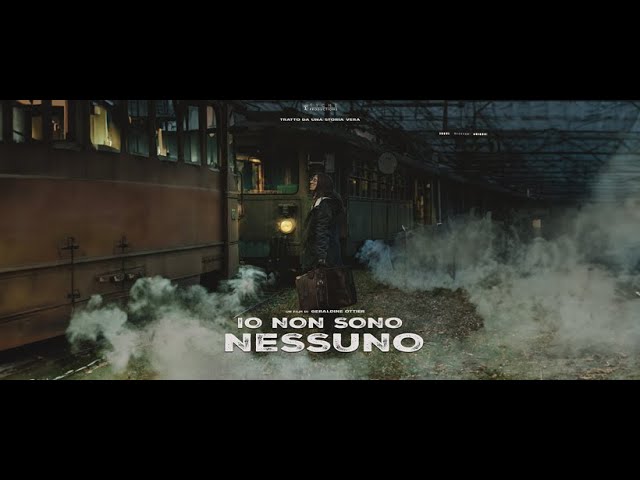
Based on a true story, Io non sono nessuno follows Maria Silvia Spolato, the first woman in Italy to publicly come out as lesbian in 1972. Her courageous decision transformed her into a symbol of visibility and activism, but it also cost her career, relationships, and social standing. Through one woman’s extraordinary act of honesty, the film explores the personal price of changing history.
Why This Film Is Worth Discovering: A Forgotten LGBTQ+ Pioneer Finally Receives The Recognition She Deserves
Rather than fictionalizing history, director Geraldine Ottier brings to the screen the remarkable life of Maria Silvia Spolato, whose public coming out became one of the defining moments of Italy’s LGBTQ+ rights movement. The film combines historical drama with intimate character storytelling, reminding audiences that many social freedoms enjoyed today were built upon acts of extraordinary personal courage.
-
An Untold True Story: The film introduces international audiences to one of Italy’s most important LGBTQ+ pioneers. It restores historical visibility to a woman whose contribution remained largely overlooked for decades.
-
History Through Personal Experience: Rather than focusing on political events alone, the story shows how social change transforms an individual’s everyday life. Large historical movements become deeply personal through Maria Silvia’s journey.
-
A Landmark LGBTQ+ Historical Drama: Few Italian films explore the origins of the country’s LGBTQ+ rights movement in such detail. The film fills an important gap in Italian historical cinema.
-
A Powerful Lead Performance: Erica Zambelli portrays Maria Silvia with emotional restraint and quiet determination. Her performance anchors the film’s historical and emotional authenticity.
Io non sono nessuno offers movie audiences an inspiring true story while introducing one of modern Italian history’s most influential yet underrecognized civil rights figures.
What Is The Film About?: One Public Act Of Courage Changes Everything
On March 8, 1972, mathematics professor Maria Silvia Spolato publicly declares that she is a lesbian, becoming the first woman in Italy to do so openly. What begins as an act of honesty quickly transforms her life, bringing discrimination, professional consequences, personal isolation, and years of hardship while also inspiring future generations of LGBTQ+ activists.
Starring Erica Zambelli, Martina Carletti, Graziano Scarabicchi, Susanna Marcomeni, and Ernesto Mahieux, the film combines biography, historical drama, and social commentary while portraying the emotional cost of standing against prejudice.
Should You Watch It?: An Important Historical Drama Combines Personal Emotion With Social History
Recommended For: Movie Audiences Interested In Inspiring True Stories
-
Fans Of Biographical Dramas: The film brings an overlooked historical figure to life with emotional authenticity. Its true story gives every scene greater impact.
-
Viewers Interested In LGBTQ+ History: The story explores one of the earliest public moments in Italy’s LGBTQ+ rights movement. It provides valuable historical context through a personal narrative.
-
Fans Of European Historical Cinema: The film recreates Italy during a period of major cultural and social transformation. Its historical setting enriches both the drama and its educational value.
-
Movie Audiences Who Enjoy Character-Driven Stories: Maria Silvia’s resilience remains at the center of the narrative. Her personal journey creates a deeply emotional viewing experience.
-
Filmmakers And Festival Audiences: The film demonstrates how biography can become both intimate drama and social history. Its combination of historical reconstruction and emotional storytelling makes it especially rewarding for lovers of European independent cinema.
May Not Appeal To: Viewers Looking For Light Entertainment
-
Fans Of Fast-Paced Drama: The narrative develops thoughtfully, emphasizing character and historical context. Its rewards come through emotional depth rather than dramatic spectacle.
-
Viewers Seeking Escapist Cinema: Themes of discrimination, isolation, and personal sacrifice give the story considerable emotional weight. The film prioritizes historical truth over entertainment.
Overall, Io non sono nessuno is highly recommended for movie audiences seeking meaningful historical dramas that celebrate courage, resilience, and social change.
Why Everyone Is Talking About It: Cinema Continues Recovering Forgotten LGBTQ+ History
Io non sono nessuno reflects a growing international movement within cinema to rediscover overlooked historical figures whose contributions shaped modern society. Rather than focusing only on famous political leaders, filmmakers are increasingly telling the stories of activists, educators, artists, and ordinary people whose personal courage transformed cultural history.
The film also arrives as audiences seek more authentic LGBTQ+ historical narratives based on real lives rather than fictionalized accounts. By documenting Maria Silvia Spolato’s extraordinary courage, the film contributes to preserving an important chapter of European civil rights history for future generations.
Audience & Critical Reception: An Important Historical Story Resonates With Festival Audiences
Although released on a modest scale, Io non sono nessuno has earned a strong 7.9 IMDb audience rating, with viewers praising its emotional honesty, historical importance, and Erica Zambelli’s performance. Critics have highlighted the film’s respectful portrayal of Maria Silvia Spolato while recognizing its contribution to contemporary Italian historical cinema.
Its strongest impact comes through audiences interested in history, biography, and LGBTQ+ stories rooted in real events rather than fictional narratives.
Recognition Highlights: Festival Recognition Celebrates An Important Historical Drama
-
Award-Winning Sound Design: The film won the Jury Prize for Best Sound at the For Rainbow – Festival de Cinema e Cultura da Diversidade Sexual e de Gênero (2024). The recognition highlights the film’s overall craftsmanship.
-
International Festival Recognition: The film also received nominations at the Merlinka Festival and the Bangalore Queer Film Festival for Best Feature Film. These selections demonstrate its international relevance within LGBTQ+ cinema.
-
A Story Of Historical Importance: The film preserves the legacy of Maria Silvia Spolato for new generations. Its cultural significance extends beyond cinema into public memory.
-
A Meaningful Contribution To Italian Cinema: By combining biography with social history, the film expands Italy’s growing body of historical dramas exploring overlooked lives. Its historical focus gives it lasting educational and cultural value.
Standout Element: One Woman’s Courage Becomes A Nation’s Turning Point
Rather than presenting activism as abstract politics, Io non sono nessuno reveals how one deeply personal decision can influence generations to come.
-
Personal Courage Drives History: Maria Silvia changes history simply by refusing to hide her identity. The film reminds audiences that social change often begins with individual bravery.
-
History Feels Deeply Human: Political transformation is experienced through one woman’s everyday life. This intimate perspective makes history emotionally accessible.
-
Recognition Comes Decades Later: The film restores visibility to a pioneer who was largely forgotten. Its act of historical remembrance is as important as the story itself.
-
Hope Emerges Through Resilience: Despite immense personal hardship, Maria Silvia’s legacy ultimately inspires future generations. The film transforms personal sacrifice into enduring historical significance.
Why This Film Matters: Cinema Is Recovering The Hidden People Who Changed History
Io non sono nessuno reflects one of the most significant movements in contemporary cinema: bringing overlooked historical figures back into public memory. Rather than focusing on famous politicians or public leaders, the film tells the story of an ordinary woman whose personal courage became a milestone in Italy’s LGBTQ+ rights movement. It reminds audiences that history is often shaped by individuals whose contributions were forgotten or ignored for decades.
The film also demonstrates how historical dramas are becoming increasingly personal. Instead of recounting events through dates and institutions, modern biographical cinema explores how social change affects everyday lives, careers, relationships, and personal identity. This approach allows audiences to connect emotionally with history rather than simply learn about it.
Entertainment Signal: Historical Biopics Are Expanding Beyond Famous Icons
Io non sono nessuno highlights a growing trend in international cinema: filmmakers are increasingly discovering remarkable stories about previously overlooked activists, educators, artists, and community leaders. These films move beyond traditional biographies of globally recognized figures to uncover individuals whose influence was equally important but far less visible.
The film also reflects the evolution of LGBTQ+ storytelling. Rather than focusing exclusively on contemporary experiences, filmmakers are increasingly documenting the historical struggles that laid the foundation for today’s social progress. Historical authenticity is becoming just as important as representation itself.
Industry Opportunities: Untold True Stories Continue Driving Festival Cinema
For Filmmakers: Hidden Historical Figures Offer Powerful New Stories
Audiences increasingly respond to biographies that reveal forgotten chapters of history. Authentic stories with strong historical foundations continue distinguishing independent cinema.
For Producers & Distributors: Historical LGBTQ+ Films Have Growing International Appeal
Films combining civil rights history with personal storytelling continue attracting festivals, educational audiences, and specialty streaming platforms. These stories increasingly travel across international markets because their themes are universally relevant.
For Actors & Talent: Real Historical Characters Offer Career-Defining Roles
Biographical dramas allow performers to portray emotionally complex individuals whose lives combine personal vulnerability with historical importance. Such performances often become highlights of festival cinema.
Future Outlook: Global Cinema Will Continue Rediscovering Forgotten History
As audiences seek authentic stories rooted in real lives, filmmakers are expected to continue uncovering overlooked figures whose contributions shaped society. Historical dramas will increasingly focus on educators, activists, scientists, artists, and ordinary citizens whose courage created lasting social change.
European cinema, in particular, continues expanding this movement by exploring national histories through personal narratives. Films like Io non sono nessuno demonstrate that recovering forgotten lives is becoming one of contemporary cinema’s most meaningful storytelling directions.
Final Verdict: A Moving Historical Drama That Gives A Forgotten Pioneer Her Place In History
Io non sono nessuno succeeds as both an intimate biography and an important historical document. Geraldine Ottier transforms Maria Silvia Spolato’s extraordinary courage into a deeply human story about identity, resilience, and the personal cost of social progress. Rather than presenting activism as political abstraction, the film reveals the emotional reality behind one of Italy’s defining moments in LGBTQ+ history.
For movie audiences, it offers an inspiring true story filled with emotional honesty and historical significance. For filmmakers, producers, distributors, festival programmers, and entertainment professionals, it reflects a broader entertainment signal: audiences increasingly value authentic biographical films that recover forgotten history while giving voice to people whose stories deserve to be remembered.
Summary Of The Movie: A True Story Celebrates One Woman’s Courage To Change History
-
Movie Themes: Identity, courage, equality, civil rights, resilience, discrimination, personal sacrifice, and social change shape the narrative. Together they create an inspiring portrait of one woman’s determination to live authentically.
-
Top Cast: Erica Zambelli, Martina Carletti, Graziano Scarabicchi, Susanna Marcomeni, Ernesto Mahieux, and Piero Grant deliver emotionally grounded performances. Their work reinforces the film’s historical authenticity and emotional impact.
-
Awards & Recognition: The film earned 1 win and 2 nominations across international LGBTQ+ festivals, including the Best Sound Jury Prize at the For Rainbow Festival, plus Best Feature Film nominations at the Merlinka Festival and the Bangalore Queer Film Festival. These recognitions highlight both its artistic quality and cultural importance.
-
Standout Element: By telling the story of Italy’s first openly lesbian woman, the film transforms a forgotten historical figure into an unforgettable cinematic protagonist. Its blend of biography and social history gives the story enduring relevance.
-
Entertainment Signal: Historical cinema is increasingly rediscovering overlooked pioneers whose personal courage helped shape modern society. Authentic untold stories are becoming one of the strongest trends in international festival filmmaking.
-
Why Watch This Movie: Movie audiences interested in inspiring true stories, European historical dramas, LGBTQ+ history, and emotionally rich biographical films will find one of the year’s most meaningful independent productions. Its emotional honesty and historical importance make it far more than a conventional biography.
-
Where To Watch: Io non sono nessuno was released in Italy on March 8, 2025. Following its festival run, the film is expected to reach additional audiences through Italian streaming platforms, specialty services, and international arthouse distributors. It is particularly well suited to platforms that showcase independent European and festival cinema.