


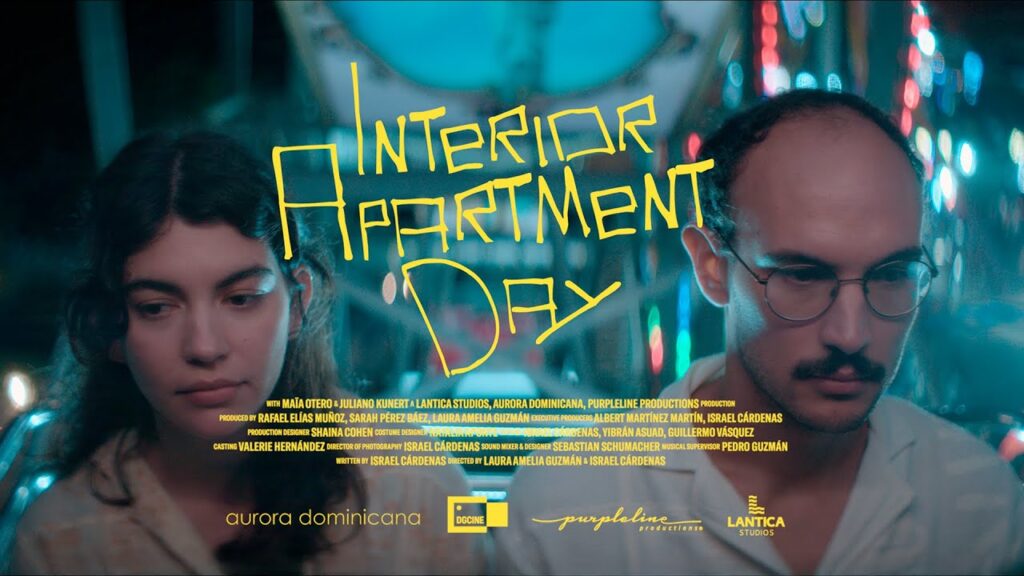
An intimate relationship drama about love, ambition, and the emotional realities of creative life
Interior Apartment Day (Interior Apartamento Día) is a contemporary relationship drama that explores the fragile balance between love, personal ambition, and creative fulfillment. Set largely within the confined spaces of apartment life, the film follows a young couple of freelance creatives attempting to navigate the emotional complexities of their relationship while pursuing professional success. As artistic aspirations, financial pressures, insecurities, and unspoken resentments accumulate, their bond is tested by the realities of adulthood. What begins as a portrait of romance gradually evolves into an examination of partnership, identity, compromise, and emotional survival. Through intimate conversations and everyday interactions, the film captures the subtle tensions that emerge when personal dreams compete with shared commitments. The result is a deeply human exploration of modern relationships shaped by ambition, uncertainty, and changing expectations.
➡️ Implication: Contemporary relationship dramas increasingly focus on the emotional pressures created by modern work, creativity, and personal ambition.
Why It Is Trending: Modern audiences connecting with realistic portrayals of love and creative struggle
The film has attracted attention because it addresses challenges familiar to many younger adults navigating careers, relationships, and personal identity. Unlike traditional romantic dramas centered on grand gestures or dramatic conflicts, Interior Apartment Day focuses on everyday emotional realities. Freelance work, creative ambition, financial instability, and relationship maintenance have become defining experiences for many contemporary adults. The film’s intimate approach allows audiences to recognize aspects of their own lives within the characters’ experiences. This realism contributes significantly to its relevance.
➡️ Implication: Audiences increasingly value relationship stories grounded in recognizable modern experiences.
Elements Driving the Trend: Emotional intimacy and relationship realism creating authenticity
One of the film’s strongest elements is its focus on emotional nuance rather than dramatic spectacle. The relationship evolves through small interactions, misunderstandings, frustrations, and moments of connection. The confined setting reinforces the emotional intensity of the characters’ experiences, making every conversation feel significant. The film explores how love can coexist with resentment, support with jealousy, and ambition with vulnerability. This complexity gives the story emotional credibility.
➡️ Implication: Relationship dramas increasingly derive power from emotional honesty rather than plot-driven conflict.
Virality of Film (Social Media Coverage): Conversations about relationships and creative life resonating with audiences
Much of the discussion surrounding the film focuses on its portrayal of creative professionals balancing personal relationships and career aspirations. Viewers frequently relate to themes of financial uncertainty, emotional labor, and the challenges of sustaining intimacy amid professional pressures. Social media conversations often center on whether love alone can survive competing ambitions. These themes feel particularly relevant among younger audiences working within creative industries. The film’s relatability encourages discussion and reflection.
➡️ Implication: Films exploring contemporary relationship realities often generate strong audience engagement through personal identification.
Critics Reception: Appreciation for intimacy, realism, and character-driven storytelling
Early critical responses have emphasized the film’s observational style and commitment to emotional realism. Critics have noted the directors’ ability to create compelling drama from ordinary experiences and subtle emotional shifts. The performances and naturalistic dialogue help ground the story in authenticity. Rather than relying on melodrama, the film builds tension through emotional accumulation and interpersonal complexity. This restrained approach has become one of its defining qualities.
➡️ Implication: Critics increasingly value intimate dramas that trust audiences to engage with emotional subtlety.
Awards and Recognitions: Festival visibility supporting international arthouse appeal
At the current stage of release, Interior Apartment Day has not accumulated major international awards recognition. However, the film has attracted attention within arthouse and festival circles due to the reputation of its directors and its focus on contemporary relationship dynamics. Its multinational language use (Spanish, English, and French) and international production profile further strengthen its appeal within global independent cinema. The project’s visibility continues to grow through festival exposure and critical discussion.
➡️ Implication: Intimate relationship dramas often build recognition gradually through festival and arthouse audiences.
Director and Cast: Israel Cárdenas and Laura Amelia Guzmán examining modern intimacy
Israel Cárdenas and Laura Amelia Guzmán continue their exploration of human relationships through a deeply personal and observational style. Performances from Jonathan Andrés, CJ Báez, Maia Otero, and Juliano Kunert help create a believable portrait of individuals struggling to reconcile personal desires with emotional commitments. The ensemble’s naturalistic performances reinforce the film’s authenticity.
➡️ Implication: Relationship-driven dramas depend heavily on believable performances and emotional chemistry.
Conclusion: A thoughtful portrait of love under pressure in the modern creative economy
Interior Apartment Day succeeds because it captures the emotional realities of contemporary adulthood with honesty and sensitivity. Through the story of a young couple navigating ambition, insecurity, and affection, the film explores how relationships evolve when personal dreams and shared responsibilities collide. Israel Cárdenas and Laura Amelia Guzmán create an intimate world where ordinary conversations carry profound emotional weight. The film’s realism allows audiences to recognize their own experiences within the characters’ struggles. Its focus on emotional complexity gives the story lasting relevance. Ultimately, Interior Apartment Day stands as a nuanced exploration of modern love, creative aspiration, and the difficult balance between personal fulfillment and partnership.
➡️ Implication: The most resonant relationship dramas often emerge from the ordinary emotional challenges people face every day.
What Movie Trend Is Followed: Modern relationship realism and creative-class dramas exploring love in an age of ambition
Interior Apartment Day follows a growing trend in contemporary independent cinema that examines relationships through the lens of work, creativity, and personal ambition. Similar to films such as Marriage Story, Before Midnight, and Past Lives, the film focuses less on romance as fantasy and more on romance as an ongoing negotiation between two evolving individuals. Modern relationship dramas increasingly explore how professional goals, economic pressures, and emotional expectations influence intimacy. Through its portrait of freelance creatives navigating love and ambition, the film reflects contemporary realities faced by many young adults. The result is a relationship story grounded in emotional authenticity rather than idealized romance.
➡️ Implication: Contemporary romantic dramas increasingly focus on emotional realism and personal growth rather than traditional romantic fantasy.
Trend Drivers: Young adults navigating unstable careers and changing relationship expectations
Many younger adults today face uncertain professional paths, freelance employment, creative entrepreneurship, and evolving definitions of partnership. These realities create new forms of emotional pressure that differ from previous generations. Relationships are increasingly shaped by career decisions, geographic mobility, financial insecurity, and individual self-fulfillment. Interior Apartment Day reflects these conditions through characters trying to maintain intimacy while pursuing personal aspirations. These experiences make the story highly relatable to modern audiences.
➡️ Implication: Relationship narratives increasingly mirror the economic and emotional realities of contemporary adulthood.
What Is Influencing Trend: The rise of emotional transparency in storytelling
Audiences have become increasingly interested in stories that depict relationships honestly, including frustration, insecurity, jealousy, compromise, and emotional labor. Modern viewers often prefer complex emotional dynamics over idealized depictions of romance. Interior Apartment Day embraces this trend by examining the tensions that naturally emerge within long-term partnerships. Rather than presenting love as a solution, the film explores love as an ongoing challenge. This emotional transparency strengthens audience connection.
➡️ Implication: Authentic emotional complexity has become one of the defining characteristics of modern relationship cinema.
Macro Trends Influencing: Independent cinema focusing on everyday human experiences
Contemporary arthouse cinema increasingly prioritizes intimate stories about ordinary lives rather than large-scale narratives. Filmmakers often explore universal themes through small, contained settings and deeply personal situations. Interior Apartment Day fits within this movement by using apartment life and everyday interactions as a framework for larger emotional questions. The confined setting emphasizes psychological and relational dynamics rather than external events. This approach aligns closely with current trends in independent filmmaking.
➡️ Implication: Small-scale personal stories continue thriving because they allow audiences to connect with universal emotions.
Consumer Trends Influencing: Audiences seeking relatable relationship stories
Many viewers increasingly seek films that reflect their own experiences and emotional realities. Stories about balancing work, relationships, personal identity, and ambition resonate strongly because they mirror everyday life. Interior Apartment Day appeals to audiences who recognize the challenges of sustaining intimacy amid competing priorities. The film’s realism allows viewers to see themselves within the characters’ struggles. This relatability enhances emotional engagement.
➡️ Implication: Personal identification remains one of the strongest drivers of audience connection in contemporary drama.
Audience Analysis: Millennials, Gen Z professionals, and arthouse-film audiences
The film is likely to appeal most strongly to younger adults navigating careers, relationships, and questions of identity. Creative professionals may particularly relate to its exploration of ambition and artistic fulfillment. Arthouse audiences will appreciate its observational style and emotional subtlety. Viewers interested in realistic relationship stories rather than conventional romantic narratives will also find value in its approach. Its themes remain broadly relevant across cultures and professions.
➡️ Implication: Relationship dramas increasingly succeed when they reflect contemporary emotional and professional realities.
Conclusion: Romance cinema evolving toward emotional honesty and modern realities
Films like Interior Apartment Day demonstrate how contemporary relationship dramas continue evolving beyond traditional romantic formulas. Rather than focusing on courtship or idealized love, these stories examine the realities of sustaining intimacy amid personal ambition and social pressures. Israel Cárdenas and Laura Amelia Guzmán use the relationship between their characters to explore broader questions about identity, fulfillment, and partnership. Through emotional realism and observational storytelling, the film captures the complexities of modern adulthood. Its focus on everyday experiences gives the narrative lasting relevance. Ultimately, Interior Apartment Day represents the growing influence of emotionally honest, relationship-centered storytelling within contemporary independent cinema.
➡️ Implication: Modern romance films increasingly explore how love survives—not how it begins.
Final Verdict: A thoughtful and intimate portrait of love, ambition, and emotional survival in modern adulthood
Interior Apartment Day succeeds because it finds drama within the ordinary realities of contemporary relationships. Rather than relying on dramatic twists or grand romantic gestures, the film explores the small emotional fractures that emerge when love collides with ambition, insecurity, and personal growth. Israel Cárdenas and Laura Amelia Guzmán create a restrained but emotionally rich story that feels deeply authentic. The confined spaces and everyday interactions amplify the emotional tension between the characters. By focusing on the complexities of partnership rather than idealized romance, the film offers a mature and relatable examination of modern intimacy. Ultimately, Interior Apartment Day stands as a nuanced exploration of what it means to build a life together while still pursuing individual dreams.
➡️ Implication: Contemporary relationship dramas increasingly resonate by reflecting the emotional realities of everyday life.
Audience Relevance: Speaking directly to a generation balancing love and self-fulfillment
The film is particularly relevant to Millennials and Gen Z adults navigating careers, creative aspirations, financial pressures, and long-term relationships. Many viewers will recognize the tension between supporting a partner and pursuing personal ambitions. The story captures the uncertainty that often accompanies modern adulthood, especially within creative professions. Its emotional honesty makes the characters’ struggles feel universal. These themes help the film connect with audiences seeking realistic reflections of their own experiences.
➡️ Implication: Relationship stories become more impactful when they address contemporary lifestyle realities.
What Is the Message of Movie: Love requires constant negotiation between individual and shared dreams
At its core, the film suggests that successful relationships depend on balancing personal identity with partnership. Love alone is not always enough to overcome resentment, ambition, or insecurity. The characters must continually navigate questions about sacrifice, independence, and emotional support. The story emphasizes that healthy relationships require communication, compromise, and self-awareness. Through its intimate portrayal of emotional conflict, the film reveals how difficult—and valuable—that balance can be.
➡️ Implication: Modern relationships increasingly require navigating both emotional connection and personal fulfillment.
Relevance to Audience: Reflecting contemporary emotional and economic pressures
Many of the challenges depicted in the film stem from realities facing younger generations today. Freelance work, unstable income, creative careers, and shifting expectations about relationships create unique pressures. The film acknowledges these realities without offering simplistic solutions. Instead, it presents emotional complexity as an inevitable part of adult life. This honesty strengthens its relevance and credibility.
➡️ Implication: Audiences increasingly appreciate stories that recognize the practical realities affecting modern relationships.
Social Relevance: Exploring emotional labor and partnership in contemporary society
Beyond romance, Interior Apartment Day examines how emotional labor operates within relationships. The film explores questions of support, recognition, compromise, and personal sacrifice. These themes connect to broader discussions about gender roles, creative work, and emotional wellbeing. By focusing on interpersonal dynamics, the story highlights social issues without becoming overtly political. Its relevance emerges naturally through character experience.
➡️ Implication: Relationship dramas often serve as powerful reflections of broader social and cultural changes.
Performance: Naturalistic acting grounding the film’s emotional realism
Jonathan Andrés, CJ Báez, Maia Otero, and Juliano Kunert deliver understated performances that reinforce the film’s realistic tone. Rather than relying on heightened emotional displays, the cast conveys tension through subtle interactions and behavioral details. This naturalistic approach allows the audience to engage with the characters on a personal level. The performances help transform ordinary situations into emotionally meaningful moments.
➡️ Implication: Emotional authenticity often depends more on subtle performances than dramatic confrontations.
Legacy: Continuing the evolution of contemporary relationship cinema
Interior Apartment Day contributes to a growing body of films examining modern relationships through realism rather than fantasy. Like many contemporary arthouse dramas, it focuses on emotional truth rather than conventional narrative resolution. Its themes of ambition, intimacy, and personal growth reflect concerns increasingly central to younger generations. The film’s observational style positions it within a broader movement of intimate, character-driven cinema. These qualities give it relevance beyond its immediate narrative.
➡️ Implication: Relationship-focused independent films continue shaping how modern audiences understand intimacy and adulthood.
Success: Building value through emotional resonance and festival appeal
Although not a large commercial production, the film’s strengths lie in its emotional insight and arthouse appeal. Its intimate scale allows for a deeper exploration of character and relationship dynamics. Festival audiences and independent-film viewers are particularly likely to appreciate its thoughtful approach. The directors’ established reputation within international cinema further enhances the project’s visibility. Its success is measured primarily through artistic impact rather than commercial scale.
➡️ Implication: Independent dramas often achieve lasting significance through emotional depth and critical appreciation.
Insights: Interior Apartment Day explores how love, ambition, and personal identity constantly shape and challenge one another.Industry Insight: Contemporary independent cinema increasingly focuses on emotionally realistic relationship narratives.Audience Insight: Viewers strongly connect with stories that reflect the uncertainties and pressures of modern adulthood.Social Insight: Changing work patterns and creative careers continue influencing how relationships develop and survive.Cultural Insight: Modern romance stories are shifting from idealized fantasy toward emotional authenticity and lived experience.
Conclusion: A sensitive exploration of intimacy in a world defined by ambition and uncertainty
Interior Apartment Day succeeds because it understands that the most significant relationship struggles often emerge from everyday life rather than extraordinary events. Through its portrait of two creatives navigating love, resentment, and ambition, the film captures the emotional complexities of contemporary adulthood. Israel Cárdenas and Laura Amelia Guzmán create a deeply human story that values observation over spectacle and emotional truth over easy answers. The film’s realism allows audiences to recognize themselves within its characters and conflicts. Its intimate storytelling gives universal themes a personal dimension. Ultimately, Interior Apartment Day stands as a thoughtful reminder that sustaining love often requires as much creativity, patience, and courage as pursuing any personal dream.
➡️ Implication: The strongest modern relationship dramas reveal that love is not a destination—it is an ongoing process of growth, compromise, and understanding.
Summary of the Movie: An intimate relationship drama about creative ambition, emotional compromise, and the realities of modern love
• Movie themes: Love, ambition, creative life, emotional intimacy, resentment, partnership, self-discovery, communication, adulthood, and personal fulfillment.➡️ Implication: The film explores how relationships evolve when individual aspirations collide with shared dreams.
• Movie directors: Israel Cárdenas and Laura Amelia Guzmán craft a deeply personal and observational drama focused on the emotional realities of contemporary relationships.➡️ Implication: Their minimalist approach emphasizes character psychology and emotional authenticity over plot-driven spectacle.
• Top casting: Jonathan Andrés as Martín, CJ Báez as Julio, Maia Otero as Nini, Juliano Kunert as Omar, alongside an ensemble cast portraying the social and emotional environment surrounding the central couple.➡️ Implication: The performances create a believable portrait of young adults navigating emotional and professional uncertainty.
• Awards and Recognition:At the time of release, Interior Apartment Day had not yet accumulated major international awards recognition. However, the project attracted attention within arthouse and festival circles due to the established reputation of directors Israel Cárdenas and Laura Amelia Guzmán.
The film’s multilingual approach (Spanish, English, and French), intimate storytelling style, and focus on contemporary relationship dynamics position it well within the international independent-film landscape.
Its strongest recognition currently comes from critical interest and festival visibility rather than major industry awards.
➡️ Implication: Many relationship-centered arthouse dramas build long-term recognition through festivals and critical appreciation rather than mainstream awards campaigns.
• Why to watch movie: The film offers an emotionally realistic portrayal of modern relationships, strong character work, thoughtful social observations, and an intimate exploration of ambition, love, and personal growth.➡️ Implication: It appeals particularly to viewers who appreciate mature, character-driven relationship dramas.
• Key success factors: Emotional authenticity, relatable themes, naturalistic performances, strong directorial vision, contemporary relevance, and observational storytelling.➡️ Implication: The film succeeds through emotional honesty rather than dramatic plot twists.
• Where to watch: Released on October 27, 2025 (Brazil), the film emerged from the Dominican Republic’s growing independent cinema scene through productions by Aurora Dominicana, Lantica Studios, and Purpleline Productions.
➡️ Implication: Dominican cinema continues expanding its international profile through intimate and globally relatable stories.
Conclusion: A nuanced portrait of love challenged by ambition and modern life
Interior Apartment Day succeeds because it captures the emotional complexities that often define contemporary adulthood. Through its portrait of a young creative couple, the film explores how ambition, insecurity, affection, and frustration coexist within long-term relationships. Israel Cárdenas and Laura Amelia Guzmán create a realistic and emotionally intelligent story that trusts audiences to engage with subtle human experiences. Its focus on everyday moments gives universal themes an intimate and personal dimension. The film’s honesty makes it resonate far beyond its specific setting or profession. Ultimately, Interior Apartment Day stands as a thoughtful exploration of how people attempt to preserve love while pursuing individual fulfillment in an increasingly uncertain world.
➡️ Implication: The most compelling relationship dramas reveal that sustaining intimacy often requires as much effort, creativity, and resilience as achieving personal success.