


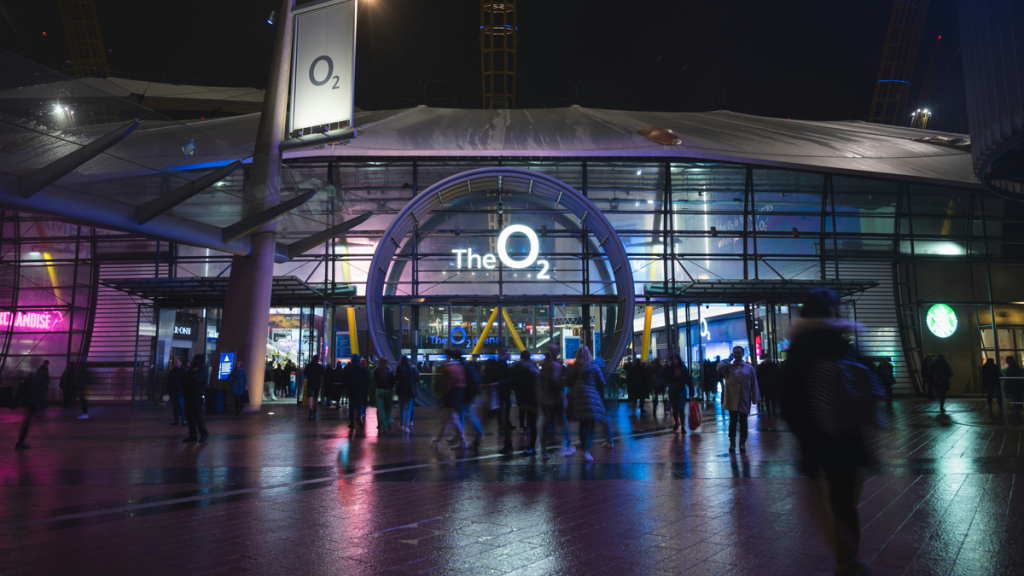

Photo Credit: Sandra Tan
A new study estimates that post-Brexit touring restrictions cost the UK over £200 million and nearly 2,500 jobs—and over £1 billion and 17,000 jobs across the EU.
A new report from the UK Department for Culture, Media, and Sport on the impact of Brexit on British musicians playing in Europe reveals that the UK leaving the EU in 2020 has had a significant effect on European touring for UK musicians. In particular, the study highlights the decline in performances and estimates the economic consequences.
Commissioned by the UK government, the report reveals that the total number of performances by British artists in Europe in 2024 was 21% lower than pre-Brexit levels in 2019. Of course, the COVID-19 pandemic has exacerbated economic uncertainty worldwide during the same period. However, British musicians touring in the EU are facing significant challenges due to the combined effects of post-Brexit touring restrictions, and it’s an issue extending beyond just performers.
The impact has also affected touring crews and the companies that collaborate with artists to bring their shows to life. With all those factors combined, the report estimates that the UK performing arts sectors lost £208 million in “Gross Value Added” and around 2,490 jobs between 2022 and 2024.
In particular, “small and mid-scale artists and companies, freelancers, and crew and hauliers have been disproportionately impacted.” Emerging artists have especially “faced reduced opportunities to build audiences, develop professional networks, and sustain career progression, with implications for diminished future growth and international market development.”
But the EU is feeling the negative economic impacts of Brexit too.
“Reduced touring by UK musicians after (the) EU exit has led to an estimated total loss of approximately £1.04 billion in Gross Value Added for EU host countries,” the report states, with Germany, Denmark, France, Italy, the Netherlands, and Ireland the most affected.
In response, the Cultural Exchange Coalition, which unites various organizations from across the UK and EU creative sectors, notes that the report “clearly shows that touring by UK artists and companies across the EU delivers significant economic and cultural value for both sides.”
“In challenging times, culture can be a bridge, an opportunity to see the world through someone else’s eyes,” they add. “We urge the UK government and European institutions to secure practical solutions for the creative industries and cultural sector at the next UK/EU Summit.”