


UK | 2026 | 65 min | Romance / Independent Drama
A Lovesick Film Director Travels to a Small Hungarian Town to Win Back His Ex-Girlfriend
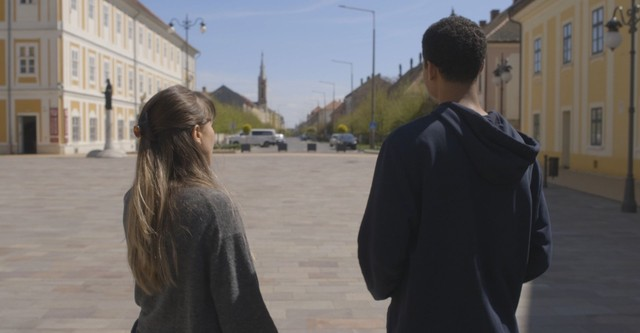
In Kalocsa (2026), Dave (Elias Williams), a lovesick film director, travels to a small Hungarian town to visit his former girlfriend, Emília (Petra Szicso), hoping to win her back and revive their relationship. His journey is driven by feelings that have survived their separation and the belief that their romantic connection might still have a future. However, Emília’s current boyfriend (Alex Barbosa Gardiner) introduces a potential obstacle to reconciliation, raising questions about whether Dave’s hopes align with her present circumstances. Written and directed by Timon Williams, the film explores romantic longing, emotional attachment and the uncertainty of seeking a second chance with someone who has moved on.
➡️ Storyline: Relationship Ends → Lingering Romantic Feelings → Journey to a Hungarian Hometown → Reunion With Former Girlfriend → Hope for Reconciliation → Complications From Her Current Relationship → Uncertain Romantic Outcome.
Why to Watch Kalocsa: An Intimate Romance About Lost Love and Second Chances
Kalocsa explores romantic longing, emotional vulnerability and the hope of reconciliation through a filmmaker who travels abroad in an attempt to reconnect with his former partner.
|
1. A Relatable Romantic Premise |
A lovesick filmmaker visits his ex-girlfriend in Hungary, hoping to restore their relationship. |
|
2. The Emotional Complexity of Second Chances |
The story raises questions about romantic attachment, reconciliation and whether former relationships can be revived. |
|
3. An International Setting |
A small Hungarian town provides a distinctive geographical context for a British independent romance. |
|
4. An Intimate Character-Driven Story |
Dave’s feelings for Emília and the presence of her current boyfriend establish a personal conflict involving romantic expectations and emotional uncertainty. |
|
5. Ultra-Low-Budget Independent Filmmaking |
Produced with an estimated £9,000 budget and a three-person crew, the film represents a resource-conscious approach to feature production. |
➡️ Reason to Watch: An intimate independent romance exploring how unresolved feelings and the hope of a second chance can motivate people to revisit relationships that have already ended.
Why Kalocsa Stands Out: A Romantic Journey Becomes a Search for Lost Connection
Kalocsa stands out through a simple but emotionally recognizable premise: a man travels abroad because he cannot let go of a former relationship. Dave’s decision to visit Emília in her Hungarian hometown transforms romantic longing into a physical journey, creating a contrast between his attachment to their shared past and the reality of her present life. The presence of another boyfriend introduces uncertainty about whether reconciliation is possible or even desired by both people. With a production budget estimated at £9,000 and a crew of three, the film also demonstrates how independent filmmakers can build a feature around a focused relationship conflict rather than elaborate production requirements.
➡️ Why It Stands Out: A microbudget British romance that turns an attempt to reconnect with an ex-girlfriend into a story about emotional attachment, romantic expectations and the uncertainty of second chances.
Movie Trend: Second-Chance Romance Dramas — Former Relationships Create New Emotional Possibilities
Second-Chance Romance Dramas explore how unresolved feelings and enduring emotional attachments motivate people to revisit relationships that have ended. Kalocsa reflects this cinematic direction through Dave, a filmmaker whose desire to reconnect with Emília leads him to travel to her Hungarian hometown. His decision reveals the emotional difficulty of accepting separation when a former relationship continues to hold personal significance. The presence of Emília’s current boyfriend introduces a potential conflict between Dave’s romantic expectations and her present circumstances, raising questions about whether emotional persistence can lead to reconciliation. Through this premise, the film explores how the desire to recover love can create hope while exposing individuals to uncertainty, vulnerability and the possibility of rejection.
➡️ Movie Trend Insight: Second-chance romance dramas explore how unresolved emotional attachments can inspire attempts at reconciliation, revealing the tension between romantic hope and changing relationship realities.
Broad Trend: Love / Connection — The Desire to Recover Relationships That Still Matter
Love / Connection reflects the human desire to establish meaningful romantic relationships, preserve emotional bonds and experience intimacy with people who hold personal significance. In Kalocsa, this motivation emerges through Dave’s decision to travel to Hungary in the hope of reconnecting with his former girlfriend. His journey suggests that the emotional meaning of their relationship has survived its ending, motivating him to pursue the possibility of reconciliation despite uncertainty about Emília’s current feelings. Her existing relationship introduces a potential conflict between his desire for connection and the importance of respecting another person’s independence and choices. Through this situation, the film explores how romantic attachment can persist after separation, creating both hope for renewed intimacy and difficulty accepting that relationships may have changed.
➡️ Broad Trend Insight: The desire for love and connection can remain powerful after relationships end, encouraging people to seek reconciliation while confronting uncertainty about whether their feelings are still shared.
Viewer Profile: Audiences Interested in Romantic Reconciliation and Intimate Independent Cinema
Kalocsa may appeal to romantic drama enthusiasts, viewers interested in second-chance relationships, British independent cinema followers and audiences drawn to emotionally intimate storytelling. Its combination of unresolved romantic feelings, international travel and relationship uncertainty suggests particular relevance for viewers who appreciate character-driven films about attachment, reconciliation and personal vulnerability. These profiles are editorial hypotheses rather than measured audience demographics.
|
Romantic drama enthusiasts, second-chance romance viewers, independent cinema followers and audiences interested in emotionally intimate relationships |
|
|
Potentially adult and young adult audiences interested in past relationships, romantic reconciliation and emotional attachment |
|
|
Interested in relationships, travel, independent filmmaking, personal experiences and character-driven storytelling |
|
|
Romantic dramas, independent relationship films, European-set romances and intimate character studies |
|
|
Discovering whether Dave’s journey to Hungary can lead to reconciliation with Emília |
|
|
Microbudget independent films, emerging filmmakers, unconventional romances and internationally set relationship stories |
|
|
Love, connection, longing, hope, attachment, vulnerability and fear of rejection |
Key Profiles: Three Audiences, Three Reasons to Watch
1. Second-Chance Romance Enthusiasts
Audience Description: Viewers interested in stories about former partners reconnecting and the possibility of rebuilding relationships. Dave’s journey to Hungary creates a romantic premise shaped by lingering feelings, emotional uncertainty and the hope that love can be recovered.
2. Intimate Relationship Drama Viewers
Audience Description: Audiences drawn to character-driven stories examining attachment, vulnerability and the difficulty of moving on. The relationship between Dave and Emília, complicated by her current boyfriend, provides a situation involving conflicting romantic expectations.
3. Microbudget and Independent Cinema Followers
Audience Description: Viewers interested in independent filmmaking and productions developed with limited resources. The film’s estimated £9,000 budget, three-person crew and international romantic premise offer a distinctive example of small-scale feature production.
➡️ Audience Insight: Kalocsa connects with potential viewers through the universal desire to recover meaningful romantic connections, exploring how emotional attachment and hope can motivate people to revisit relationships despite uncertainty about their future.
What This Movie Means for the Industry: Microbudget Romance Demonstrates the Value of Focused Emotional Storytelling
Kalocsa illustrates how independent filmmakers can develop relationship-driven features around recognizable emotional conflicts without relying on substantial production resources. Its estimated £9,000 budget and three-person crew demonstrate an unusually lean filmmaking model, while its central premise uses a journey to a Hungarian hometown to explore romantic attachment and the hope of reconciliation. The film’s international setting introduces geographical distinction without changing its focus on a personal relationship. For filmmakers, the creative opportunity lies in developing intimate romantic dramas that use focused character motivations, emotionally recognizable situations and resource-conscious production approaches to explore universal experiences of love, separation and reconciliation.
➡️ Industry Insight: Microbudget romantic cinema can differentiate itself through emotionally focused storytelling, distinctive settings and relatable relationship conflicts rather than production scale.
Final Verdict: An Intimate British Romance About Lost Love and the Hope of Reconciliation
Kalocsa (2026) presents a British independent romance about a lovesick film director who travels to a small Hungarian town hoping to win back his former girlfriend. Written and directed by Timon Williams, the film centers on Dave’s unresolved feelings for Emília and the uncertainty created by her existing relationship. Its estimated £9,000 budget and three-person crew distinguish it as a microbudget production, while its 65-minute runtime suggests a relatively concise approach to its central premise. IMDb lists the film as completed, but no public release date, audience rating or critical reception is established in the supplied information, so its execution and reception cannot yet be reliably assessed. Its narrative appeal lies in the emotionally recognizable tension between holding on to a former relationship and confronting the possibility that romantic feelings may no longer be shared.
➡️ Final Verdict Insight: A microbudget British romance built around the emotional vulnerability of seeking a second chance, exploring how lingering attachment and romantic hope can motivate a journey toward an uncertain reconciliation.
Final Insights: Love and Connection Can Inspire Hope Even After Relationships End
The Love / Connection trend reflects the human desire to preserve meaningful romantic relationships and maintain emotional bonds that continue to hold personal significance. Kalocsa explores this motivation through a filmmaker whose lingering feelings for his former girlfriend inspire him to travel to Hungary in the hope of reconciliation. His journey reveals how romantic attachment can survive separation, creating hope for renewed intimacy while exposing individuals to uncertainty about whether their feelings remain mutual.
The Second-Chance Romance Dramas trend transforms these experiences into stories about unresolved love, emotional vulnerability and the possibility of rebuilding relationships. By centering its premise on a filmmaker’s attempt to reconnect with an ex-girlfriend who has another partner, the film introduces tension between romantic persistence and changing personal circumstances. Its broader creative opportunity is to develop intimate, character-driven romances that explore the emotional complexity of second chances, connecting audiences through universal experiences of love, longing, hope and the difficulty of letting go.
➡️ Final Insight: Love / Connection → Second-Chance Romance Dramas → Seeking Reconciliation With a Former Partner. Kalocsa explores how unresolved romantic feelings can motivate people to revisit relationships that have already ended. The film highlights the potential of microbudget romantic cinema to transform simple relationship premises into emotionally relevant stories about attachment, vulnerability and the hope of renewed connection.

