


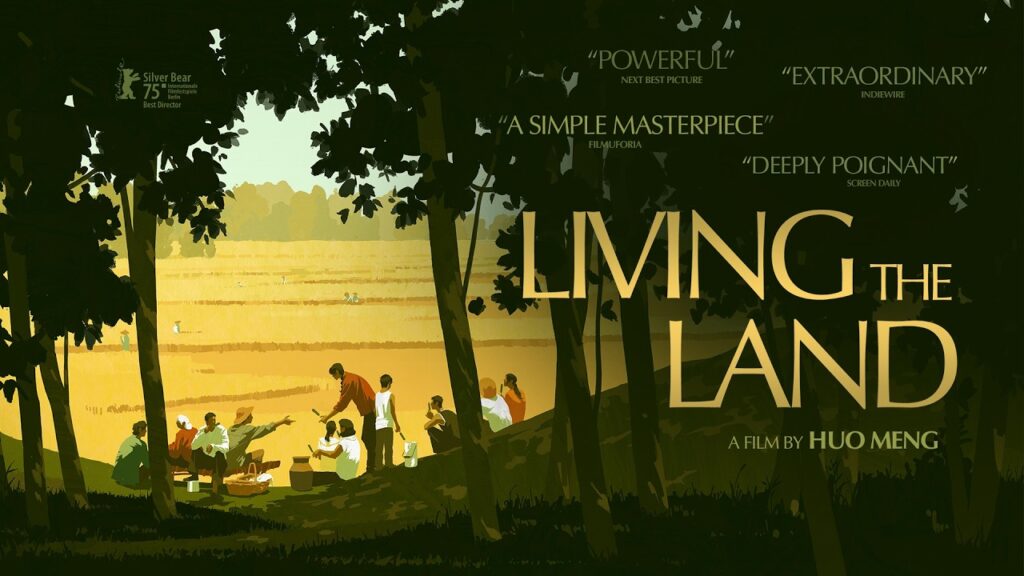
A Coming-Of-Age Drama Explores Rural China At The Dawn Of A New Era
Set in rural China in 1991, Living the Land follows 10-year-old Chuang, the youngest of three children, as his family and village confront the profound changes brought by the country’s rapid economic transformation. While many adults leave for cities in search of new opportunities, Chuang remains behind, witnessing births, marriages, funerals, and everyday rituals that continue to define village life. Through the eyes of a child, the film captures a society suspended between centuries-old traditions and an uncertain modern future.
Blending coming-of-age drama with historical realism, Living the Land explores family, memory, community, identity, and the emotional cost of modernization. Rather than presenting China’s transformation through politics or economics alone, the film reveals how sweeping national change quietly reshapes ordinary lives across generations.
Why This Film Is Worth Discovering: An Intimate Portrait Of Rural China In Transition
Writer-director Meng Huo creates a deeply human portrait of a community experiencing one of the most significant periods of change in modern Chinese history. Rather than focusing on dramatic events, Living the Land observes everyday life with patience and authenticity, allowing small family moments to reflect much larger historical transformations.
Why It Stands Out: A Child’s View Of A Nation Undergoing Change
-
History Seen Through Everyday Life: Instead of focusing on political events, the film explores how economic transformation affects one ordinary village and one young boy’s childhood. The personal perspective makes sweeping historical change feel intimate and emotionally accessible.
-
A Rich Portrait Of Rural Traditions: Weddings, funerals, seasonal work, and family gatherings reveal the rhythms of village life before modernization permanently reshaped rural communities. These traditions become both cultural memory and emotional storytelling.
-
A Powerful Coming-Of-Age Story: As Chuang grows more aware of the world around him, he witnesses both the comforts of family and the uncertainties brought by change. His childhood becomes a window into a society balancing old traditions with new realities.
-
Naturalistic Performances And Authentic Atmosphere: The cast delivers understated performances that immerse audiences in everyday rural life. The film’s quiet realism allows emotions to emerge naturally without melodrama.
-
Visually Beautiful And Thoughtfully Observed: Expansive rural landscapes and carefully composed imagery create a strong sense of place and historical authenticity. Its visual storytelling preserves the atmosphere of a disappearing way of life.
Living the Land offers audiences a moving family drama while providing filmmakers and world cinema enthusiasts with an insightful portrait of one of the defining social transformations of the late twentieth century.
What Is The Film About?: Childhood Unfolds During A Time Of National Transformation
In 1991, young Chuang remains in his rural village while many family members and neighbors begin leaving for rapidly growing cities. Surrounded by grandparents, relatives, and lifelong traditions, he experiences childhood against a backdrop of profound social and economic change. As daily life continues through celebrations, loss, work, and family responsibilities, Chuang gradually begins to understand that both his family and his country are entering a new chapter.
Starring Shang Wang, Zhang Yanrong, Chuwen Zhang, Zhong Wan, Caixia Zhang, Kaidong Yang, and an ensemble cast, the film combines coming-of-age drama, historical storytelling, and family realism while exploring childhood, memory, migration, tradition, identity, family responsibility, and modernization.
Should You Watch It?: A Beautifully Observed Drama About Family And Change
Recommended For: Movie Audiences Who Appreciate Thoughtful International Cinema
-
Fans Of Coming-Of-Age Dramas: Chuang’s emotional journey captures the uncertainty and wonder of childhood during a period of enormous change. His perspective gives the historical story warmth and humanity.
-
Viewers Interested In World Cinema: The film offers an authentic portrait of rural Chinese life rarely explored in mainstream filmmaking. Its cultural specificity creates universal emotional resonance.
-
Fans Of Slow-Burn Character Studies: The story unfolds through everyday experiences rather than dramatic plot twists. Its patient storytelling rewards viewers who appreciate subtle emotional development.
-
Audiences Interested In Historical Change: The film illustrates how modernization affects ordinary families rather than focusing on political leaders or historical events. Its human perspective makes history deeply personal.
-
Filmmakers And Festival Audiences: Meng Huo demonstrates remarkable confidence in visual storytelling, atmosphere, and observational filmmaking. The film reflects the continued strength of contemporary Chinese arthouse cinema.
May Not Appeal To: Viewers Seeking Fast-Paced Drama
-
Fans Of Plot-Driven Stories: The film prioritizes atmosphere, character observation, and emotional nuance over conventional narrative momentum. Its greatest rewards come through quiet reflection rather than dramatic twists.
-
Viewers Looking For Contemporary Urban Stories: The narrative remains firmly rooted in rural life and traditional communities. Its focus is on preserving the memory of a disappearing way of life.
Overall, Living the Land is highly recommended for audiences seeking emotionally rich international cinema that combines historical insight, beautiful visual storytelling, and an unforgettable portrait of childhood during one of China’s most transformative periods.
Why Everyone Is Talking About It: Intimate Rural Stories Continue Defining Contemporary Chinese Cinema
Living the Land has attracted international attention for its sensitive portrayal of rural China during one of the country’s most transformative historical periods. Rather than depicting modernization through major political events, the film focuses on everyday family life, showing how sweeping national change quietly reshapes childhood, tradition, and community. This deeply personal perspective has resonated strongly with festival audiences and critics.
The film also reflects the growing international recognition of contemporary Chinese arthouse cinema, where directors increasingly use intimate family stories to explore larger questions about memory, identity, migration, and social transformation. By capturing a disappearing rural way of life through the eyes of a child, Living the Land transforms local history into a universally relatable story about change.
Audience & Critical Reception: Critics Praise Its Humanity And Quiet Emotional Power
Living the Land has received strong critical recognition, earning a 75 Metascore alongside positive reviews from international critics, who have praised its authentic performances, beautifully observed storytelling, and emotionally rich depiction of rural life. Many reviewers have highlighted the film’s patient pacing, naturalistic style, and ability to communicate profound social change through ordinary family experiences.
Its strongest appeal is likely to be among viewers who appreciate international cinema, historical dramas, and contemplative coming-of-age stories that emphasize emotional authenticity over conventional dramatic spectacle.
Recognition Highlights: Festival Success Celebrates A Major New Voice In Chinese Cinema
-
Berlin International Film Festival: Living the Land won the prestigious Silver Bear for Best Director, recognizing Meng Huo’s remarkable achievement in combining intimate storytelling with historical observation. The award established the film as one of the year’s most acclaimed international productions.
-
International Critical Recognition: The film earned a strong 75 Metascore, reflecting broad appreciation for its sensitive direction, visual realism, and emotional depth. Critics have praised its ability to transform everyday life into compelling cinematic storytelling.
-
Festival Acclaim: With four awards and four additional nominations, the film has continued building momentum across the international festival circuit. Its growing recognition highlights the continued strength of contemporary Chinese independent cinema.
-
An Emerging International Filmmaker: Meng Huo demonstrates exceptional confidence in observational filmmaking, visual composition, and emotionally restrained storytelling. His work positions him among the most promising new voices in world cinema.
Standout Element: Childhood Becomes A Window Into A Changing Nation
Rather than explaining history through politics or economics, Living the Land allows audiences to experience national transformation through one child’s everyday life.
-
History Is Told Through Family: Weddings, funerals, seasonal traditions, and ordinary conversations reveal how social change reaches every generation. The smallest moments gradually build a powerful historical portrait.
-
Childhood Captures A Vanishing World: Chuang’s innocence allows audiences to observe a rural culture standing at the edge of irreversible transformation. His perspective preserves both the beauty and fragility of traditional village life.
-
Everyday Rituals Carry Emotional Weight: The film finds extraordinary meaning in ordinary experiences that define family and community life. Its quiet storytelling creates lasting emotional resonance without dramatic spectacle.
-
Nature And Landscape Become Characters: The rural environment reflects continuity, memory, and cultural identity even as society rapidly changes around it. The visual world becomes inseparable from the film’s emotional journey.
Why This Film Matters: Cinema Continues Preserving Communities Facing Rapid Change
Living the Land demonstrates how cinema can preserve disappearing ways of life while helping audiences understand the emotional consequences of modernization. Rather than presenting economic development as purely positive or negative, the film explores the complex human experiences that accompany social transformation, reminding viewers that progress often carries both opportunity and loss.
The film also highlights the growing importance of contemporary Chinese cinema within the global festival landscape. By telling deeply local stories with universal emotional resonance, filmmakers continue expanding international understanding of China’s diverse cultural experiences beyond familiar historical narratives.
Entertainment Signal: Global Audiences Continue Embracing Quiet Human Stories
International audiences increasingly seek films that explore major historical changes through intimate personal experiences rather than large-scale spectacle. Family dramas rooted in cultural specificity continue finding worldwide recognition because themes of childhood, belonging, tradition, and change resonate across borders.
Living the Land reflects this continuing movement, demonstrating that emotionally authentic storytelling remains one of world cinema’s most powerful ways of exploring history, identity, and the human experience.
Industry Opportunities: Human-Centered Historical Stories Continue Expanding Global Cinema
For Filmmakers: Personal Stories Can Illuminate Major Historical Change
Large historical transformations often become most meaningful when experienced through the lives of ordinary people. Living the Land demonstrates how childhood memories, family relationships, and everyday routines can communicate sweeping social change more powerfully than traditional historical narratives. Intimate storytelling continues offering filmmakers one of the most compelling ways to explore history.
For Producers & Distributors: International Arthouse Cinema Continues Reaching Global Audiences
Films rooted in specific cultures increasingly travel successfully across international festivals, theatrical markets, and streaming platforms when they combine authentic local experiences with universal emotional themes. Stories about family, identity, migration, and social change continue attracting worldwide audiences. Culturally authentic dramas remain among the strongest performers within the global arthouse market.
For Streaming Platforms: Award-Winning World Cinema Builds Prestige And Long-Term Value
Audiences continue discovering international films through streaming services that curate acclaimed festival titles. Quiet dramas with strong critical recognition often enjoy long viewing lives because their themes remain timeless and culturally significant. Prestige international cinema strengthens streaming libraries while introducing audiences to new filmmaking voices.
Future Outlook: Chinese Cinema Will Continue Exploring Memory And Social Transformation
As a new generation of filmmakers reflects on the country’s rapid modernization, Chinese cinema is likely to produce more stories examining the emotional consequences of economic and social change. Future films will increasingly revisit childhood, family history, migration, and disappearing traditions to better understand how national transformation shapes individual lives across generations.
Films like Living the Land demonstrate that audiences around the world remain eager for thoughtful stories that preserve cultural memory while exploring universal experiences of change, belonging, and family.
Final Verdict: A Beautiful Coming-Of-Age Drama About A World On The Verge Of Change
Living the Land transforms one boy’s childhood into a deeply moving portrait of rural China during a defining historical moment. Meng Huo combines quiet observation, emotional authenticity, and striking visual storytelling to create a film that reflects both the intimacy of family life and the enormous forces reshaping an entire nation. The result is an emotionally resonant drama that speaks equally to personal memory and collective history.
For movie audiences, it offers a beautifully crafted coming-of-age story filled with warmth, humanity, and historical insight. For filmmakers, producers, distributors, festival programmers, and entertainment professionals, it demonstrates the continuing global demand for culturally authentic cinema that combines intimate storytelling with broader social and historical perspectives.
Summary Of The Movie: Childhood Captures A Nation In Transition
-
Movie Themes: Childhood, family, tradition, migration, modernization, community, identity, memory, and cultural change define the narrative. Together they create a moving portrait of ordinary lives shaped by extraordinary historical transformation.
-
Top Cast: Shang Wang, Zhang Yanrong, Chuwen Zhang, Zhong Wan, Caixia Zhang, and the ensemble cast deliver naturalistic performances that bring authenticity and emotional depth to village life. Their understated performances strengthen the film’s intimate realism.
-
Awards & Recognition: Living the Land earned four awards and four additional nominations, including the prestigious Silver Bear for Best Director for Meng Huo at the 2025 Berlin International Film Festival, alongside a strong 75 Metascore. These achievements establish the film as one of the year’s most acclaimed international dramas.
-
Standout Element: By observing China’s transformation through the everyday experiences of one rural child, the film turns national history into an intimate human story. Its quiet perspective gives major historical events remarkable emotional immediacy.
-
Entertainment Signal: Contemporary Chinese cinema continues gaining international recognition by combining culturally specific storytelling with universal themes of family, identity, and social change. Human-centered historical dramas remain among world cinema’s most powerful artistic achievements.
-
Why Watch This Movie: Audiences who appreciate international cinema, coming-of-age stories, historical dramas, and emotionally rich character studies will discover one of the year’s finest festival films. Its humanity, visual beauty, and historical insight make it essential viewing for lovers of world cinema.
-
Where To Watch: Living the Land premiered internationally following its Berlin Film Festival debut and has expanded through festival screenings, specialty theatrical releases, and arthouse distribution, with wider availability expected on premium international streaming platforms.