


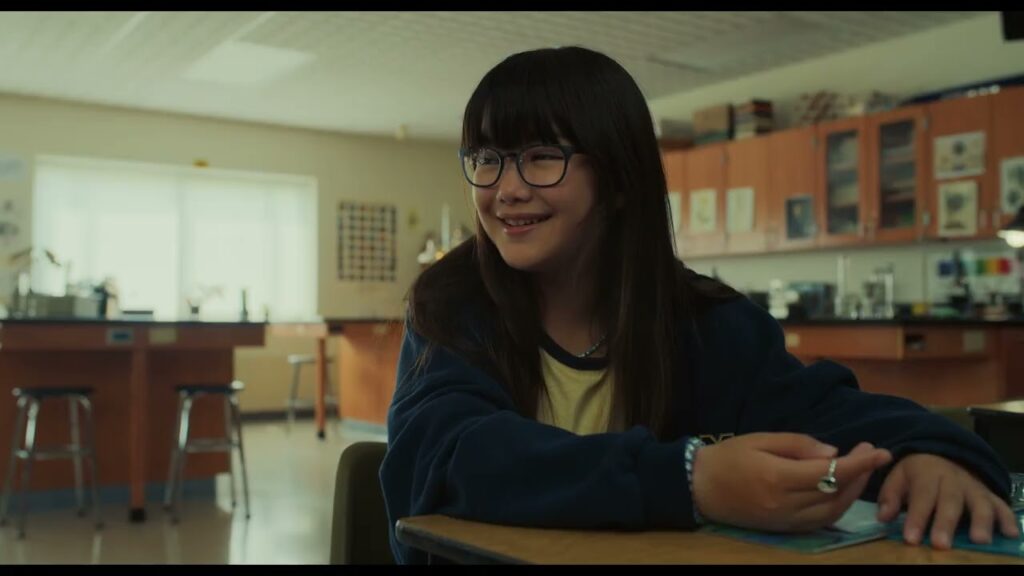
A delicate indie coming-of-age story exploring loneliness, imagination, and fragile identity formation
A quirky, introspective tale of isolation and imagined connectionA lonely girl, a plant, and the search for belonging
Mabel follows Callie, an awkward pre-teen who struggles to connect with others and instead forms a deep emotional bond with her only “friend”—a plant named Mabel. As her attachment intensifies, her behavior begins to create tension with her mother and disrupt her chance at forming real human relationships.
The stakes rise when Callie is forced to confront the limits of her imagined world, risking her emotional stability and her opportunity for genuine connection. The tone remains intimate and slightly offbeat, blending quiet humor with emotional vulnerability.
The film unfolds as a portrait of childhood isolation and imaginative coping, where fantasy becomes both refuge and obstacle. It explores the delicate boundary between inner world and reality, framing identity as something shaped through both connection and withdrawal. The narrative tension lies in whether Callie can step outside her self-created world before it isolates her completely.
Why It Is Trending: A quirky, introspective indie drama reflecting themes of loneliness, imagination, and emotional isolation in youth
Mabel is gaining attention within indie cinema for its unconventional portrayal of childhood loneliness and imaginative coping mechanisms.
It aligns with a growing wave of coming-of-age films that explore internal emotional landscapes rather than external conflict, offering a quieter, character-driven perspective. Its focus on a young protagonist forming a bond with a non-human entity adds a unique narrative hook that differentiates it from traditional adolescence stories.
The film also benefits from its distinct tone and originality, positioning it within niche indie circles that value offbeat storytelling and psychological nuance.
Elements Driving the Trend: Unconventional premise, emotional intimacy, and character-focused storytelling
The film’s appeal lies in its unique concept—centering a relationship between a child and a plant—which serves as a metaphor for isolation and imagination.
Its slow, introspective pacing allows for deep emotional exploration, prioritizing character psychology over plot progression.
Lexi Perkel’s performance as Callie adds authenticity, capturing the awkwardness and vulnerability of adolescence.
Virality of Movie (Social Media Coverage): Niche engagement within indie and cinephile communities
The film generates discussion primarily within indie film circles and online cinephile communities.
Its unusual premise and offbeat tone make it shareable among audiences seeking unique, non-mainstream content.
While not widely viral, it maintains steady visibility through festival buzz and curated recommendations.
Critics Reception: Mixed-to-positive responses highlighting originality and performance
The film has received a limited but notable critical response, with coverage from indie-focused platforms such as Collider and FirstShowing.net emphasizing its originality and character focus.
Critics highlight the film’s unique premise and emotional sincerity, though some note its limited narrative depth and pacing challenges. The lead performance by Lexi Perkel is consistently recognized as a key strength.
Awards and Recognitions: Early festival exposure supporting indie positioning
The film has received early exposure through festival screenings, including its premiere at San Francisco International Film Festival platforms.
While awards recognition is limited, its presence in curated indie spaces reinforces its credibility within the genre.
Director and Cast: Nicholas Ma’s intimate direction supported by a grounded young performance
Nicholas Ma adopts a restrained, character-focused approach, allowing the narrative to unfold through subtle emotional shifts and observational storytelling.
Lexi Perkel leads with a nuanced performance, supported by Christine Ko and Judy Greer, who provide grounding adult perspectives.
The performances contribute to the film’s authenticity, reinforcing its intimate tone.
The film trends because: Originality, emotional nuance, and indie appeal align
• Cultural + market relevance The film reflects growing interest in introspective, character-driven youth narratives
• Industry opportunity Indie cinema continues to embrace unconventional storytelling concepts
• Audience alignment Viewers seek unique, emotionally honest stories outside mainstream formulas
The industry increasingly supports films that prioritize originality and emotional authenticity over scale.
Conclusion: A quiet but distinctive coming-of-age story redefining connection through imagination
Mabel stands out through its originality and emotional subtlety, offering a fresh perspective on youth and isolation. Its strength lies in its willingness to embrace unconventional storytelling and quiet introspection. While niche in appeal, it delivers a meaningful experience for its target audience. Ultimately, the film reinforces the value of small-scale, character-driven storytelling in contemporary indie cinema.
What Movie Trend Is Followed: Quirky, introspective coming-of-age cinema exploring isolation, imagination, and emotional subjectivity
Mabel follows a growing trend of indie coming-of-age films that prioritize internal emotional worlds over external plot-driven narratives.
This trend moves away from traditional adolescence arcs and instead focuses on psychological experience, loneliness, and unconventional coping mechanisms. Similar to films like Moonlight in its introspective tone—though far more whimsical in execution—it explores identity through emotional nuance rather than dramatic events.
The film fits within a niche wave of indie storytelling where the narrative is less about resolution and more about capturing a state of mind—awkward, isolated, and deeply personal.
Trend Drivers: Demand for unique perspectives on youth and emotionally driven storytelling
A key driver is the audience’s increasing interest in stories that reflect the complexity of inner emotional experiences, particularly during adolescence.
There is also a strong appetite for unconventional narratives that challenge realism through metaphor and symbolic relationships.
Lexi Perkel’s performance supports this trend through subtle, naturalistic acting that emphasizes emotional authenticity.
What Is Influencing Trend: Indie filmmaking culture and emphasis on originality
The trend is heavily influenced by independent filmmakers who prioritize originality and personal storytelling over commercial formulas.
Film festivals and curated platforms continue to support narratives that experiment with tone, structure, and subject matter.
This allows films like Mabel to explore unconventional ideas, such as forming emotional bonds with non-human entities.
Macro Trends Influencing: Rise of character-driven indie cinema and symbolic storytelling
Globally, there is a shift toward smaller, character-focused films that explore identity and emotional complexity.
Symbolic storytelling—using objects or abstract elements to represent psychological states—is becoming more prominent.
This supports a broader movement toward cinema that values introspection and artistic expression.
Consumer Trends Influencing: Preference for authenticity, uniqueness, and emotionally resonant narratives
Audiences, particularly younger and indie-focused viewers, are drawn to stories that feel personal and different from mainstream offerings.
There is a growing appreciation for films that embrace awkwardness, ambiguity, and emotional vulnerability.
This makes Mabel particularly appealing to niche audiences seeking originality.
Audience Analysis: Indie audiences and younger viewers seeking emotional and narrative uniqueness
The core audience typically ranges from 16–35, including indie film enthusiasts and viewers interested in unconventional storytelling.
These audiences value creativity, emotional depth, and originality over spectacle or traditional structure.
Behaviorally, they engage with films that reflect identity, isolation, and personal growth in nuanced ways.
They are more likely to discover such films through festivals, social media recommendations, and curated streaming platforms.
Conclusion: A niche but growing trend driven by originality, introspection, and emotional authenticity
This trend works because it offers a fresh alternative to formula-driven storytelling. It is scalable within indie circuits and streaming platforms that prioritize unique voices. Its sustainability is strong, as audiences continue to seek authenticity and new perspectives. The industry will keep supporting such films as they expand the boundaries of coming-of-age cinema.
Final Verdict: A delicate and unconventional coming-of-age film that transforms imagination into emotional survival
Mabel stands as a quiet, introspective indie drama that prioritizes emotional nuance over narrative complexity. By centering its story on a young girl’s bond with a plant, the film creates a symbolic exploration of loneliness, identity, and the need for connection.
Director Nicholas Ma adopts a restrained, observational style, allowing the story to unfold through subtle emotional shifts rather than dramatic plot points. This approach reinforces the film’s themes but may feel minimalistic for audiences expecting clearer narrative progression.
Lexi Perkel delivers a standout performance as Callie, capturing the awkwardness, vulnerability, and emotional intensity of adolescence. Her portrayal anchors the film, making its unconventional premise feel grounded and relatable.
The film’s long-term impact lies in its contribution to indie cinema’s exploration of internal emotional worlds, reinforcing a movement toward more personal and symbolic storytelling.
Audience Relevance: A meaningful experience for viewers seeking subtle, character-driven storytelling
The film resonates with audiences who appreciate quiet, introspective narratives and emotional realism. Its focus on inner experience creates a strong personal connection.
However, its slow pacing and limited external conflict may challenge viewers expecting a more dynamic or plot-driven story.
What Is the Message of Movie: Connection is essential, but imagination alone cannot replace human relationships
At its core, the film suggests that while imagination can provide comfort, it cannot fully substitute genuine human connection.
It highlights the importance of vulnerability and openness in forming meaningful relationships.
Relevance to Audience: Reflecting the emotional isolation and identity struggles of youth
The story speaks to audiences familiar with feelings of loneliness, awkwardness, and the difficulty of fitting in.
It reflects how young people often create internal worlds to cope with emotional challenges.
Social Relevance: A subtle exploration of communication gaps between children and adults
The film presents a world where emotional disconnect between generations creates isolation.
It highlights how misunderstood children may retreat into imagination when they feel unseen or unheard.
Performance: A strong central performance supported by grounded ensemble work
Lexi Perkel leads with a nuanced and authentic portrayal.
Supporting performances from Christine Ko and Judy Greer provide emotional balance and realism.
Legacy: A distinctive indie entry emphasizing originality and emotional subjectivity
The film contributes to a growing body of indie work that explores psychological and emotional states through unconventional narratives.
It reinforces the value of originality and symbolic storytelling in contemporary cinema.
Success: Defined by originality and indie recognition rather than commercial impact
The film’s success is measured through its uniqueness and presence within indie circuits.
Its appeal lies in its ability to stand out as a different kind of coming-of-age story.
Insights: Introspective, symbolic storytelling is expanding the boundaries of coming-of-age cinema
Insights: Indie films are increasingly exploring emotional subjectivity through unconventional narrative devices. Industry Insight: The industry continues to support unique, auteur-driven projects that prioritize originality over scale. Consumer Insight: Audiences are seeking more personal, emotionally authentic stories that reflect inner experiences. Social Insight: The film highlights the emotional challenges faced by young people in navigating identity and connection. Cultural/Brand Insight: Mabel reinforces a cultural shift toward storytelling that embraces individuality, vulnerability, and creative expression.
Conclusion: A quiet, thoughtful film that captures the fragility and complexity of growing up
The film’s long-term relevance lies in its alignment with a growing movement toward introspective, character-driven storytelling. It operates within a cinematic landscape that increasingly values emotional authenticity and originality. From a cultural standpoint, it highlights the importance of connection and understanding in youth development. The industry will continue to support such narratives as audiences seek more personal and meaningful cinematic experiences.
Summary of the Movie: A quiet and unconventional coming-of-age story exploring loneliness, imagination, and the search for connection
• Movie themes: Isolation, imagination, identity, emotional growth, connection, adolescenceThe film explores how a young girl navigates loneliness by creating an emotional bond with a plant, using imagination as both refuge and barrier to real relationships.
• Movie director: Intimate, character-driven storytelling by Nicholas MaMa crafts a restrained and observational narrative, focusing on subtle emotional shifts and psychological depth rather than traditional plot development. His direction emphasizes authenticity and quiet introspection.
• Top casting: A standout young performance led by Lexi Perkel with strong supporting rolesPerkel delivers a nuanced portrayal of Callie, capturing the awkwardness and vulnerability of adolescence. Christine Ko and Judy Greer provide grounded performances that reinforce the film’s emotional realism.
• Awards and recognition: Indie festival exposure supporting niche appealWhile major awards recognition is limited, the film gained visibility through indie festival circuits, including early screenings tied to San Francisco International Film Festival platforms.
• Why to watch movie: A unique and emotionally honest indie film that offers a fresh perspective on growing upIt provides a distinctive cinematic experience that blends quiet humor with emotional depth, appealing to viewers seeking originality.
• Key Success Factors: Positioned within quirky, introspective indie coming-of-age cinema trendThe film succeeds through its originality, symbolic storytelling, and emotional authenticity, aligning with indie narratives that prioritize internal experience over external action.
• Where to watch: Limited release with festival and indie platform distributionReleased in April 2024 (United States), the film is primarily accessible through festival screenings and select indie distribution channels.
Conclusion: A subtle and original film that redefines connection through imagination and emotional vulnerability
Mabel ultimately defines its impact through its quiet, introspective approach, offering a deeply personal look at adolescence and isolation. It stands as a film that values emotional truth and originality over conventional storytelling. While niche in appeal, it delivers a meaningful and memorable experience. Its strength lies in its performances, concept, and subtle direction. Ultimately, the film reflects a growing shift toward intimate, character-driven storytelling in modern indie cinema.