


A Māori Gothic Horror About Colonial Trauma, Cultural Identity, and Ancestral Revenge
Sometimes horror is not about monsters hiding in the dark, but about historical wounds that refuse to remain buried.
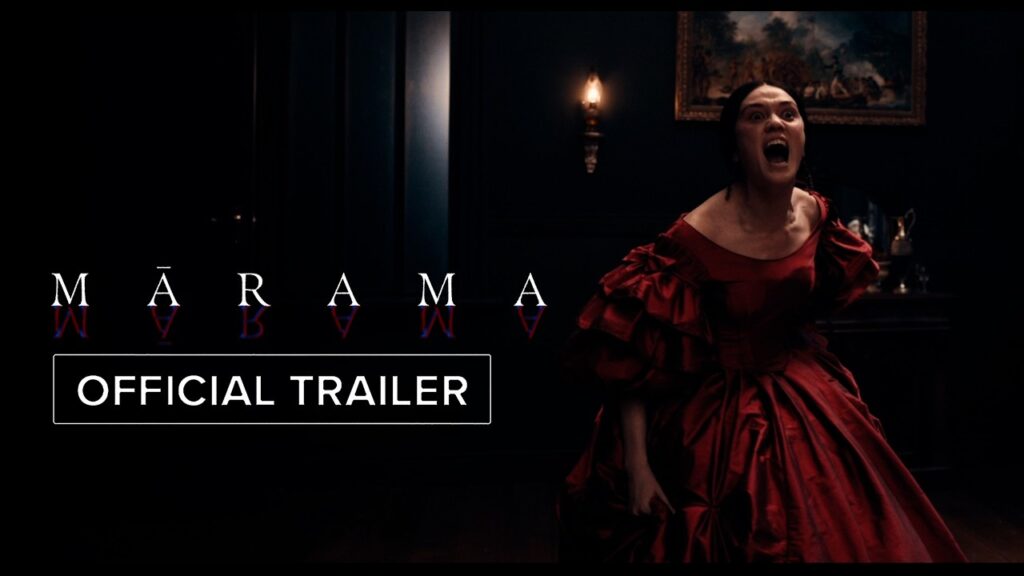
Marama is a Māori Gothic revenge horror set in Victorian England in 1859, following Mary, a young Māori woman who travels into an unfamiliar world while searching for answers about her family and heritage. What begins as a personal journey gradually evolves into a confrontation with colonial exploitation, stolen cultural identity, and long-suppressed truths. Written and directed by Taratoa Stappard, the film blends Gothic horror traditions with Māori spirituality, creating a distinctive narrative rooted in Indigenous perspectives. Through themes of grief, ancestry, cultural survival, identity, vengeance, and historical injustice, the story transforms personal trauma into supernatural reckoning. The Victorian setting allows the film to examine colonial attitudes through the lens of horror while centering Māori voices and experiences. Ultimately, Marama becomes both a chilling Gothic thriller and a powerful exploration of cultural resilience.
➡️ Implication: Contemporary horror increasingly uses Indigenous perspectives to reframe historical trauma through genre storytelling.
Why It Is Trending: Indigenous horror is becoming one of cinema’s most powerful storytelling movements
Modern audiences increasingly embrace horror films that combine cultural specificity with universal emotional themes.
Marama has attracted attention because it merges classic Victorian Gothic horror with Māori mythology, spirituality, and history. Viewers have responded strongly to its unique perspective, which distinguishes it from more conventional horror productions. The film also arrives during a period when Indigenous filmmakers are gaining greater visibility within international cinema. Its exploration of cultural theft, colonial violence, and ancestral memory resonates with contemporary conversations about representation and historical accountability. Combined with strong critical reception, the film has become one of the standout independent horror releases of the year.
➡️ Implication: Audiences increasingly support horror films that combine cultural authenticity with meaningful social themes.
Elements Driving the Trend: Gothic horror meets Māori spirituality and cultural resistance
The film builds engagement through its fusion of traditional Gothic imagery and Indigenous storytelling.
Victorian mansions, family secrets, supernatural visions, and psychological dread provide the familiar foundations of Gothic horror. What makes the film distinctive is its integration of Māori spiritual beliefs, ancestral connections, and cultural identity into those genre conventions. Themes of stolen artifacts, erased histories, and cultural appropriation create emotional and political depth beneath the horror elements. The revenge narrative further strengthens audience investment by transforming historical injustice into dramatic confrontation. Together, these elements create a horror experience that feels both classic and original.
➡️ Implication: Genre cinema increasingly thrives when established conventions are reinterpreted through underrepresented cultural perspectives.
Virality of Movie (Social Media Coverage): Strong word-of-mouth among horror and festival audiences
The film has generated significant discussion among horror fans, festival audiences, and Indigenous cinema supporters.
Online conversations frequently praise the film’s atmosphere, cinematography, costume design, and cultural authenticity. Many viewers have highlighted the performance of Ariana Osborne and the film’s ability to blend emotional storytelling with supernatural horror. Discussions often focus on how the movie reclaims Indigenous narratives within a genre traditionally dominated by European perspectives. Positive audience reactions have helped the film build momentum through recommendations and festival exposure.
➡️ Implication: Horror audiences increasingly reward films that combine strong genre craftsmanship with meaningful cultural perspectives.
Critics Reception: Acclaimed for its originality, atmosphere, and Indigenous perspective
Critical reception has been highly positive, with many reviewers praising the film’s unique approach to Gothic horror.
Critics have highlighted Taratoa Stappard for successfully combining Māori spirituality, colonial history, and Gothic horror into a cohesive and emotionally powerful narrative. Reviews frequently praise the cinematography, production design, performances, and atmospheric world-building. Many commentators have noted that the film expands the possibilities of Indigenous horror by grounding supernatural elements within cultural and historical realities. The film’s emotional themes of grief, identity, and cultural survival have also been recognized as major strengths.
➡️ Implication: Critics increasingly celebrate horror films that use genre storytelling to engage with cultural and historical themes.
Awards and Recognitions: Major festival success for a groundbreaking Indigenous horror film
Marama has received 3 wins and 3 nominations, establishing it as one of the most recognized independent horror films of 2025–2026.
Its most significant achievement came at the Seattle International Film Festival, where Taratoa Stappard won the Grand Jury Prize in the Official Competition. The film also won Best Fantastic Feature Film at the Imagine Film Festival and the Audience Award for Best Film at the Abertoir International Horror Festival. Additional recognition included nominations for the Golden Eye Award at the Zurich Film Festival, the Octopus d’Or at the Festival Européen du Film Fantastique de Strasbourg, and a Hollywood Music in Media Award nomination for its original score.
➡️ Implication: International festivals increasingly recognize Indigenous horror films as major artistic achievements rather than niche genre works.
Director and Cast: Taratoa Stappard combines Gothic horror traditions with Māori storytelling and cultural reclamation
Directed and written by Taratoa Stappard, Marama represents a bold reimagining of Gothic horror through an Indigenous lens. Stappard draws upon Victorian Gothic traditions—isolated mansions, family secrets, supernatural visions, and psychological dread—while grounding the narrative within Māori spirituality, cultural identity, and historical trauma. His approach transforms the genre into a vehicle for exploring colonial violence, cultural theft, ancestral memory, and resistance.
At the center of the story is Ariana Osborne as Mary, a young Māori woman searching for answers about her family and heritage. Osborne delivers a powerful performance that balances vulnerability, determination, grief, and righteous anger. As Mary uncovers disturbing truths about her past, she becomes both investigator and avenger, carrying the emotional weight of the film’s exploration of identity and cultural survival. Many critics and viewers have highlighted her performance as one of the film’s strongest elements.
Toby Stephens portrays Nathaniel Cole, a figure whose connection to Māori artifacts and colonial privilege places him at the center of the film’s growing mystery. His performance embodies the outward civility and underlying menace often found within classic Gothic narratives. The character serves as a symbolic representation of colonial power structures that the film seeks to challenge and expose.
Umi Myers plays Peggy, while Mihi Te Rauhi Daniels portrays Hinemoana and Turia Schmidt-Peke appears as Arorangi. Together, these characters strengthen the film’s connection to Māori culture, ancestry, spirituality, and collective memory. Supporting performances from Erroll Shand, Jordan Mooney, and Evelyn Towersey help create the eerie Victorian environment that surrounds Mary’s journey.
The film’s visual design, costumes, production values, and atmospheric world-building have been widely praised for creating an immersive Gothic setting while maintaining a strong Indigenous perspective. This combination allows Marama to feel both familiar to horror audiences and completely unique within the genre landscape.
➡️ Implication: Indigenous filmmakers are increasingly reshaping established genres by infusing them with culturally specific histories, mythologies, and perspectives.
Conclusion: A Gothic horror story that transforms historical trauma into supernatural resistance
Marama succeeds by using horror not simply to frighten audiences but to confront the lingering consequences of colonialism, cultural erasure, and historical injustice. Through its fusion of Gothic atmosphere, Māori spirituality, and revenge-driven storytelling, the film creates a powerful narrative about reclaiming identity and honoring ancestral memory. Taratoa Stappard demonstrates remarkable confidence in his feature filmmaking debut, crafting a work that feels emotionally resonant, visually striking, and culturally significant. Supported by a standout performance from Ariana Osborne and strong festival recognition, the film expands the possibilities of Indigenous horror cinema. Its success across international festivals confirms the growing global appetite for culturally specific genre storytelling. Ultimately, Marama becomes both a compelling Gothic horror experience and a powerful act of cultural reclamation.
➡️ Implication: The future of horror cinema will increasingly be shaped by diverse cultural voices using genre storytelling to reclaim history and reimagine identity.
What Movie Trend Is Followed: Indigenous Gothic horror reclaiming history through supernatural storytelling
Marama follows the rapidly growing trend of Indigenous horror films that use genre storytelling to confront historical trauma, cultural erasure, and colonial violence.
Rather than treating horror as pure entertainment, the film uses supernatural elements to explore real historical wounds and cultural memory. Similar contemporary Indigenous horror films increasingly combine mythology, spirituality, folklore, and historical experiences with traditional horror frameworks. The movie also reflects audience demand for culturally specific stories that bring new perspectives to familiar genres. By blending Māori spirituality with Victorian Gothic conventions, Marama expands the possibilities of horror while maintaining strong emotional and cultural authenticity. This creates a narrative where ghosts, curses, and supernatural forces become expressions of historical truth rather than simple scares.
➡️ Implication: Contemporary horror increasingly serves as a platform for cultural reclamation and historical reflection.
Trend Drivers: Audiences seeking culturally authentic horror experiences
Modern horror audiences increasingly support films that offer distinctive cultural perspectives.
Viewers have become more interested in stories rooted in authentic traditions, mythologies, and historical experiences rather than generic horror formulas. Indigenous horror provides fresh narratives while maintaining the emotional intensity audiences expect from the genre. Themes of ancestry, cultural identity, spirituality, and historical justice create deeper engagement than conventional supernatural storytelling. These elements help films like Marama stand out within a crowded horror marketplace.
➡️ Implication: Cultural authenticity is becoming one of the strongest drivers of innovation within modern horror cinema.
What Is Influencing Trend: Reclaiming history through genre filmmaking
Filmmakers increasingly use horror to examine historical injustices and collective trauma.
Contemporary audiences respond strongly to stories that reinterpret historical experiences through genre frameworks. Horror allows filmmakers to transform abstract historical issues into immediate emotional experiences. Indigenous creators especially use supernatural storytelling to explore colonization, displacement, cultural theft, and resilience. This approach creates narratives that feel both culturally specific and universally relevant.
➡️ Implication: Horror continues evolving into one of the most effective genres for exploring difficult historical subjects.
Macro Trends Influencing: The rise of Indigenous voices in global cinema
International cinema is experiencing growing recognition of Indigenous storytellers and perspectives.
Audiences, critics, and festivals increasingly support films that expand representation and challenge traditional historical narratives. Indigenous filmmakers are bringing unique mythologies, cultural frameworks, and storytelling traditions into mainstream genres. This broader movement has created opportunities for films like Marama to achieve international visibility. The trend continues reshaping the global cinematic landscape.
➡️ Implication: Indigenous storytelling is becoming an increasingly influential force within contemporary world cinema.
Consumer Trends Influencing: Demand for elevated horror with social and emotional depth
Modern audiences increasingly seek horror films that offer more than fear alone.
Viewers strongly engage with stories that combine suspense, atmosphere, cultural themes, and emotional complexity. Horror fans increasingly appreciate films that provoke reflection while delivering genre satisfaction. The combination of social relevance and supernatural storytelling creates stronger audience investment. These trends align directly with the appeal of Marama.
➡️ Implication: Elevated horror continues attracting audiences by blending entertainment with meaningful thematic exploration.
Audience Analysis: Horror enthusiasts and arthouse audiences seeking original perspectives
The film primarily appeals to viewers aged 20–65 interested in horror cinema, Indigenous storytelling, historical narratives, festival films, and culturally driven genre projects.
These audiences value originality, strong atmosphere, cultural authenticity, and emotional depth. Horror enthusiasts appreciate the film’s Gothic elements and supernatural tension, while arthouse audiences connect with its themes of identity, history, and cultural memory. Festival audiences have been particularly receptive to its blend of genre filmmaking and social commentary. The film’s international success demonstrates its ability to connect across cultural boundaries.
➡️ Implication: Horror audiences increasingly reward films that combine genre craftsmanship with distinctive cultural perspectives.
Conclusion: A horror trend where supernatural storytelling becomes historical reckoning
The trend reflected in Marama demonstrates how contemporary horror increasingly serves as a medium for examining cultural identity, historical trauma, and collective memory. These films resonate because they transform historical experiences into emotionally immediate narratives. Stories rooted in Indigenous traditions create stronger audience engagement when they combine cultural specificity with universal themes. The rise of Indigenous horror also reflects growing demand for diverse voices within genre cinema. These projects succeed through authenticity, originality, and emotional power. Ultimately, the trend represents a broader movement toward horror films that use fear, mythology, and the supernatural to reveal deeper historical truths.
➡️ Implication: Indigenous horror will continue shaping the future of global genre cinema by expanding whose stories are told and how history is remembered.
Final Verdict: A powerful Indigenous Gothic horror that transforms historical trauma into cinematic resistance
Marama succeeds because it uses the language of horror to explore themes far larger than fear alone. Beneath its supernatural elements lies a story about identity, colonial violence, cultural theft, ancestral memory, and the enduring strength of Indigenous communities. Taratoa Stappard crafts a film that balances Gothic atmosphere with emotional and cultural authenticity, creating a narrative that feels both historically grounded and mythologically rich. The film’s greatest achievement is its ability to make historical injustice feel immediate through supernatural storytelling. Its themes of grief, resilience, vengeance, belonging, and cultural reclamation give the horror a deeper emotional impact. Ultimately, Marama becomes both a chilling Gothic thriller and a powerful act of cultural remembrance.
➡️ Implication: Horror cinema increasingly serves as a vehicle for preserving cultural memory and confronting historical injustice.
Audience Relevance: Appeals to viewers seeking meaningful horror beyond conventional scares
The film strongly connects with audiences interested in elevated horror, Indigenous storytelling, and historically informed genre cinema.
Its themes of ancestry, identity, cultural survival, and historical accountability resonate with viewers looking for emotionally and intellectually engaging horror experiences. Horror enthusiasts appreciate the film’s Gothic atmosphere and supernatural tension, while arthouse audiences connect with its cultural and historical depth. The combination of mythology and social relevance broadens its appeal beyond traditional genre audiences. This allows the film to engage multiple viewing communities simultaneously.
➡️ Implication: Modern audiences increasingly value horror films that combine entertainment with cultural and emotional substance.
What Is the Message of Movie: History cannot be buried when memory remains alive
The film explores how historical injustices continue shaping the present.
Mary’s journey demonstrates that cultural erasure and colonial violence leave emotional wounds that persist across generations. The narrative suggests that confronting difficult histories is necessary for healing and justice. Through Māori spirituality and ancestral memory, the film portrays the past as an active force rather than a closed chapter. The story ultimately argues that identity and heritage remain powerful sources of resilience and resistance.
➡️ Implication: Contemporary Indigenous cinema increasingly uses storytelling to preserve cultural memory and challenge historical silence.
Relevance to Audience: Reflects ongoing conversations about identity and historical accountability
The film resonates because its themes extend beyond its Victorian setting.
Audiences continue engaging with discussions surrounding colonial legacies, cultural appropriation, representation, and historical responsibility. The narrative reflects broader efforts to recognize Indigenous histories and perspectives within mainstream culture. Its exploration of identity and belonging remains relevant across generations and geographical boundaries. This contemporary relevance strengthens the film’s emotional and cultural impact.
➡️ Implication: Stories examining historical injustice remain highly relevant when connected to present-day conversations about identity and representation.
Social Relevance: A cultural response to colonial narratives through horror
The film uses genre cinema to challenge dominant historical perspectives.
Its portrayal of cultural theft, erased histories, and ancestral resistance offers a counter-narrative to traditional colonial storytelling. Rather than centering colonial viewpoints, the film places Māori experiences and perspectives at the heart of the narrative. This approach creates both social commentary and cultural empowerment. The result is a horror film that functions as both entertainment and historical reflection.
➡️ Implication: Genre cinema increasingly provides opportunities for marginalized voices to reclaim historical narratives.
Performance: Ariana Osborne anchors the film with emotional strength and vulnerability
The performances provide the emotional foundation that elevates the film beyond traditional horror.
Ariana Osborne delivers a compelling performance as Mary, balancing fear, grief, determination, and resilience throughout the story. Her portrayal allows audiences to connect emotionally with the film’s cultural and historical themes. Toby Stephens contributes a strong Gothic presence, while Umi Myers, Mihi Te Rauhi Daniels, and Turia Schmidt-Peke strengthen the film’s connection to Māori identity and spirituality. Together, the cast creates a believable and emotionally resonant world.
➡️ Implication: Strong character performances remain essential for grounding culturally rich horror narratives.
Legacy: Part of the global rise of Indigenous horror cinema
The film aligns with a growing movement of Indigenous filmmakers redefining horror through culturally specific storytelling.
Its fusion of Māori spirituality and Gothic horror expands the possibilities of genre filmmaking while contributing to broader conversations about representation and historical memory. The film’s international festival success demonstrates increasing global recognition for Indigenous voices within cinema. Over time, Marama may be viewed as an important work within the evolution of Indigenous horror and contemporary Gothic filmmaking.
➡️ Implication: Indigenous horror is becoming one of the most innovative and influential movements within modern genre cinema.
Success: Defined by critical acclaim, festival recognition, and cultural originality
The film’s success comes through its originality, emotional power, and cultural authenticity.
Audience engagement is driven by its unique blend of Gothic horror, Māori mythology, historical themes, and supernatural storytelling. The film earned major recognition including the Grand Jury Prize at the Seattle International Film Festival, Best Fantastic Feature Film at the Imagine Film Festival, and the Audience Award for Best Film at the Abertoir International Horror Festival. Additional nominations at major international festivals further established its reputation within both arthouse and horror communities. Its success demonstrates the growing demand for culturally distinctive genre filmmaking.
➡️ Implication: Festival audiences increasingly reward horror films that combine artistic ambition with authentic cultural storytelling.
Insights: Marama transforms Gothic horror into a powerful exploration of Māori identity, ancestral memory, and cultural resilience. Industry Insight: Indigenous filmmakers are reshaping global horror by introducing new mythologies, histories, and storytelling traditions. Consumer Insight: Audiences increasingly seek horror experiences that offer cultural depth and emotional significance alongside suspense. Social Insight: The film demonstrates how historical trauma continues influencing identity, memory, and community across generations. Cultural/Brand Insight: Indigenous storytelling is becoming one of the most important sources of innovation within contemporary genre cinema. Final Insight: Marama proves that horror can be both a form of entertainment and a powerful tool for cultural remembrance and historical reckoning.
Conclusion: A haunting and culturally significant Gothic horror
Marama transforms a supernatural revenge story into a profound reflection on identity, history, and cultural survival. Through its fusion of Gothic atmosphere, Māori spirituality, and historical themes, Taratoa Stappard creates a film that feels emotionally resonant, culturally important, and artistically ambitious. Supported by a standout performance from Ariana Osborne and recognized through major international festival awards, the film demonstrates the growing strength of Indigenous voices within global cinema. Its exploration of grief, justice, ancestry, and resilience gives the horror lasting emotional power beyond its scares. By reclaiming history through genre storytelling, the film offers both entertainment and cultural reflection. Ultimately, Marama stands as one of the most compelling examples of how contemporary horror can illuminate the past while reshaping the future of cinema.
➡️ Implication: Indigenous Gothic horror will continue influencing global filmmaking by bringing new cultural perspectives to universal themes of memory, identity, and justice.
Summary of the Movie: A Māori Gothic horror about ancestral memory, colonial trauma, and cultural reclamation
• Movie themes: Colonialism, cultural identity, ancestry, revenge, grief, justice, historical trauma, spirituality, belonging, resilience, and cultural survival — the film follows a young Māori woman confronting hidden truths about her heritage while navigating a world shaped by colonial exploitation and stolen history.
➡️ Implication: Contemporary horror increasingly uses cultural and historical themes to create deeper emotional and social resonance.
• Movie director: Taratoa Stappard delivers an ambitious blend of Gothic horror and Māori storytelling. By combining Victorian Gothic traditions with Indigenous spirituality and historical reflection, he creates a distinctive genre film that feels both culturally specific and universally relevant.
➡️ Implication: Indigenous filmmakers are increasingly expanding the creative boundaries of established cinematic genres.
• Top casting: Ariana Osborne leads the film as Mary, supported by Toby Stephens, Umi Myers, Mihi Te Rauhi Daniels, and Turia Schmidt-Peke. Together, the ensemble creates a compelling emotional foundation that supports the film’s supernatural and historical themes.
➡️ Implication: Character-driven performances remain essential for grounding culturally rich horror narratives.
• Awards and recognition: Marama achieved significant international festival success with 3 wins and 3 nominations. Its most important achievement came at the Seattle International Film Festival, where Taratoa Stappard won the Grand Jury Prize in the Official Competition. The film also won Best Fantastic Feature Film at the Imagine Film Festival and the Audience Award for Best Film at the Abertoir International Horror Festival. Additional nominations included the Golden Eye Award at the Zurich Film Festival, the Octopus d’Or at the Festival Européen du Film Fantastique de Strasbourg, and a Hollywood Music in Media Award nomination for its original score by Rob Thorne and Karl Sölve Steven.
➡️ Implication: International festivals increasingly recognize Indigenous horror as one of the most innovative areas of contemporary cinema.
• Why to watch movie: A strong choice for viewers who enjoy Gothic horror, Indigenous storytelling, supernatural revenge narratives, historical dramas, and culturally distinctive genre filmmaking.
➡️ Implication: Horror audiences increasingly seek stories that offer cultural authenticity alongside atmospheric suspense.
• Key success factors: Māori cultural perspective, Gothic atmosphere, strong lead performance, historical themes, supernatural storytelling, festival acclaim, emotional depth, and original world-building.
➡️ Implication: Cultural specificity has become a major competitive advantage within global genre cinema.
• Where to watch: Premiered on the international festival circuit during 2025 and 2026, earning recognition across major fantasy, horror, and independent film festivals.
➡️ Implication: Festival platforms continue playing a crucial role in bringing culturally unique genre films to global audiences.
Conclusion: A haunting act of cultural remembrance through horror
Marama transforms Gothic horror into a powerful exploration of ancestry, justice, identity, and cultural resilience. Through its fusion of Māori spirituality and Victorian Gothic storytelling, Taratoa Stappard creates a film that is emotionally affecting, visually atmospheric, and culturally significant. The outstanding performance from Ariana Osborne and the film’s impressive festival success reinforce its standing as one of the most distinctive Indigenous horror films of recent years. Its themes of historical accountability, cultural survival, and ancestral memory elevate the narrative beyond traditional genre expectations. By reclaiming history through supernatural storytelling, the film demonstrates how horror can become a powerful vehicle for cultural expression and remembrance. Ultimately, Marama stands as both an accomplished Gothic horror film and a compelling statement about the enduring strength of identity, heritage, and collective memory.
➡️ Implication: Indigenous horror will continue shaping the future of global genre cinema through its ability to merge cultural authenticity with universal emotional themes.