


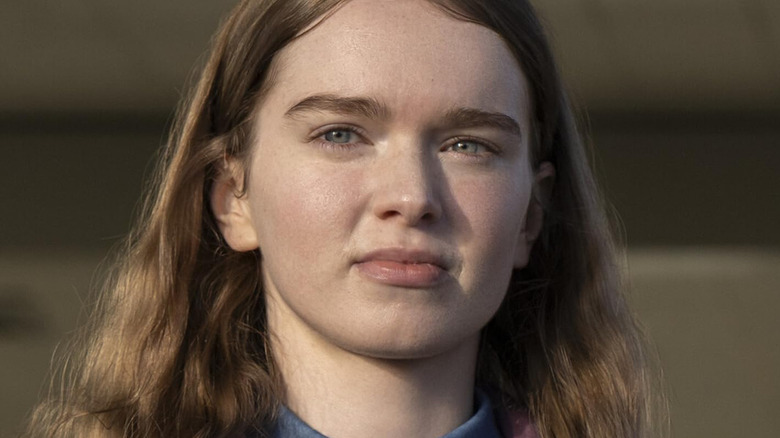
This article contains spoilers for “Carrie.”
Many of the best Stephen King books are on the longer side. If you buy a copy of “It” and it’s not to your liking, its massive 1100+ page count means you still invested in a solid doorstopper!
But King’s first published novel “Carrie” is rather brief, running less than 300 pages. The core story of Carrie White is even shorter than that. “Carrie” is an epistolary novel, where passages are written as in-universe documents: letters, book passages, interview transcripts, etc. “Carrie” directly alternates between telling its story and the kind of reporting you’d expect to see if something like this ever happened in real life.
These passages offer some crucial context, like the book’s only real exposition about Carrie’s telekinesis and the scientific pretense for it. They also make the book even scarier if you’re going in blind, because you know something terrible is going to happen to Carrie. The main in-universe texts excerpted in “Carrie” are “The Shadow Exploded” (a true crime book documenting the events and aftermath of the “Carrie White Incident”), “My Name Is Susan Snell” (a memoir Sue writes several years later), and “The Black Prom: The White Commission Report” (interview transcripts from a congressional investigation into Carrie).
None of the “Carrie” movies have adapted this rather important part of the books, which is an understandable change. It streamlines the story, and trying to make letter text cinematic is a fool’s errand. But Mike Flanagan’s “Carrie” TV series finally adapts the novel’s framing device, this time with survivors like Sue (Siena Agudong) giving interviews about what happened to Carrie.
I was excited by this choice; adapting the novel’s structure is basically the only fresh path for a “Carrie” adaptation at this point. But sadly, the show doesn’t commit.
Mike Flanagan’s Carrie does not make the most of its interview framing device
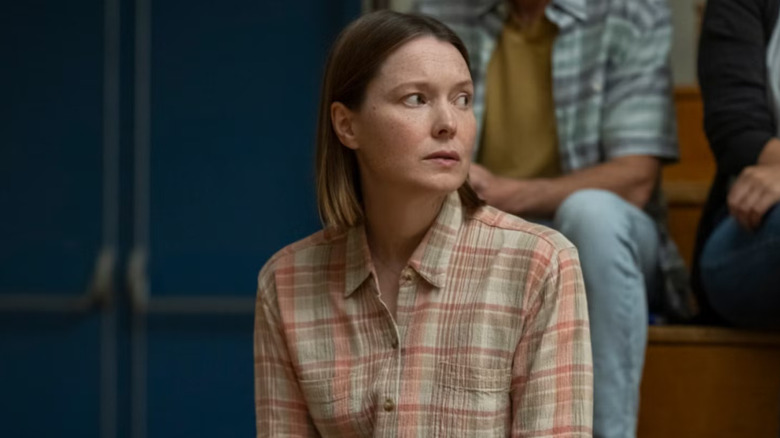
If you’re expecting a true crime mockumentary after “Carrie” Episode 1, get ready for disappointment. The series ditches this framing device and only returns to it in the season finale to wrap up loose ends. The show gets in some lines from the book during these scenes, like Sue saying that when Carrie went on a rampage, it looked like a shadow gathered around her and then exploded. Or Sue stressing in her interview that “we were just kids” (though that line makes less sense in a weeks-later interview than in a years-later memoir).
Part of the fun of the “Carrie” novel is seeing how its extraordinary events would shake the world. “Carrie” is obviously not a true story, but reading the epistolary passages of the book, it almost convinces you that it could be. The show barely scratches the surface in comparison.
Worse, the interview framing device turns out to be crucial to the change I hated the most. At the end of Episode 1, Sue promises the interviewer that people don’t know the full story; that there were people at the prom she didn’t recognize. Was the show about to turn the simple teenage tragedy of “Carrie” into a conspiracy?
The last episode reveals the woman conducting the interviews (Kate Siegel, Mike Flanagan’s wife and one of his go-to actors) is part of a group of telepaths hunting Carrie. Because, yes, in this version, Carrie survives prom night and is now on the run. If we get a “Carrie” Season 2, it’s looking like a mix of “Firestarter” and “Doctor Sleep,” to keep the Stephen King comparisons going. At that point, why even adapt “Carrie”?
“Carrie” is streaming on Prime Video.