


A nostalgic indie rom-com about creative ambition, emotional immaturity, and finding identity through music culture
Growing up means realizing passion and love rarely move at the same rhythm.
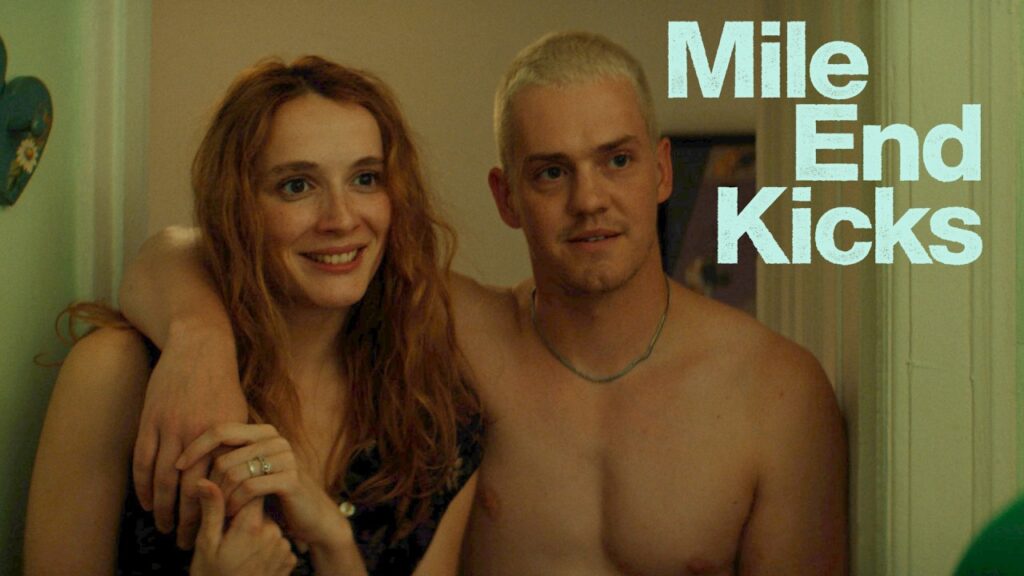
Set in Montreal’s indie music scene during the summer of 2011, Mile End Kicks follows 24-year-old music critic Grace Pine as she leaves Toronto to immerse herself in Montreal’s artist culture while attempting to write a book about Alanis Morissette’s Jagged Little Pill. After becoming romantically entangled with members of an indie band she agrees to publicize, Grace slowly loses focus on her own ambitions while navigating insecurity, artistic identity, and emotional confusion. Chandler Levack blends romantic comedy, coming-of-age realism, indie-music nostalgia, and emotionally awkward humor into a deeply personal portrait of young adulthood and creative uncertainty. The film explores ambition, romance, self-sabotage, artistic insecurity, emotional immaturity, and belonging through emotionally messy but relatable experiences. Its nostalgic atmosphere and awkward emotional realism create a warm and emotionally authentic viewing experience throughout. Ultimately, the movie becomes both a romantic indie comedy and a reflection on how young adulthood often involves losing yourself before discovering what truly matters.
➡️ Implication: Music-centered coming-of-age rom-coms continue evolving through emotional realism and nostalgic cultural specificity.
Why It Is Trending: Strong nostalgia and emotional relatability surrounding young creative adulthood
Audiences increasingly engage with coming-of-age stories exploring emotional confusion and artistic identity realistically.
The film gained attention through its nostalgic portrayal of the 2011 Montreal indie-music scene and its emotionally awkward but relatable romantic dynamics. Viewers strongly connected with Grace’s insecurity, impulsive decisions, and struggle to balance ambition with emotional distraction. The movie’s indie soundtrack, emotionally authentic humor, and millennial nostalgia also strengthened online discussion considerably. Audiences especially praised how accurately the film captured the uncertainty, self-sabotage, and emotional chaos of early adulthood.
➡️ Implication: Nostalgic emotionally realistic rom-coms continue attracting younger adult and millennial audiences.
Elements Driving the Trend: Indie-music nostalgia, emotional awkwardness, and creative uncertainty
The film builds emotional relatability through awkward social dynamics and emotionally messy relationships.
Grace’s immersion into Montreal’s music scene creates emotional excitement but also increasing personal instability and distraction. Themes of ambition and romantic confusion strengthen the narrative’s emotional authenticity beneath its comedic atmosphere. The movie’s detailed indie-music setting and early-2010s nostalgia amplify cultural immersion considerably. Its awkward humor and emotionally flawed characters make the story feel emotionally recognizable rather than idealized. Together, these elements create a heartfelt and culturally immersive coming-of-age rom-com experience.
➡️ Implication: Emotionally awkward realism increasingly defines modern indie romantic comedies.
Virality of Movie (Social Media Coverage): Online discussion fueled by nostalgia and emotional realism
The film generated strong online conversation because of its accurate portrayal of creative young adulthood and indie-music culture.
Audiences frequently discussed the movie’s emotionally uncomfortable realism, nostalgic soundtrack, and relatable romantic mistakes. Social-media reactions also focused heavily on Montreal’s portrayal as an artist-driven cultural space compared to Toronto’s corporate environment. Many viewers praised the film’s “cringe realism” and emotionally messy romantic dynamics. The nostalgic early-2010s setting strengthened millennial and Gen Z online engagement considerably.
➡️ Implication: Nostalgia-driven coming-of-age stories increasingly build engagement through emotional authenticity and cultural specificity.
Critics Reception: Praise for emotional realism and indie-scene authenticity
Critical responses praised the film’s emotionally grounded storytelling and nostalgic atmosphere.
Reviewers highlighted Barbie Ferreira for delivering a relatable and emotionally layered performance balancing insecurity, awkwardness, ambition, and emotional impulsiveness. Critics also praised Chandler Levack for authentically capturing the emotional contradictions of artistic young adulthood and indie-music culture. Many reviews emphasized the movie’s natural humor, emotional honesty, and culturally immersive Montreal setting. Some critics noted the romantic structure feels familiar, but praised the emotional authenticity and character-driven storytelling considerably.
➡️ Implication: Emotionally authentic indie rom-coms increasingly succeed through cultural realism and relatable vulnerability.
Awards and Recognitions: Strong Canadian festival recognition for writing, performances, and emerging direction
Mile End Kicks received multiple Canadian film-industry nominations and festival recognition, earning awards attention for performance, screenplay, editing, and sound work. Chandler Levack won the Directors to Watch award at the Palm Springs International Film Festival and received nominations for Original Screenplay at the Canadian Screen Awards. Devon Bostick won Best Supporting Male Actor at the Vancouver Film Critics Circle, while Barbie Ferreira earned a Best Female Actor nomination. The film also received recognition for editing, sound editing, sound mixing, and costume design through Canadian industry awards organizations. Critics and festivals consistently praised the film’s emotional honesty, nostalgic atmosphere, and authentic indie-culture storytelling.
➡️ Implication: Emotionally grounded indie rom-coms increasingly gain prestige through authentic cultural storytelling and emotionally vulnerable performances.
Director and Cast: A vulnerable ensemble shaped by artistic insecurity, emotional confusion, and indie-scene nostalgia
Directed by Chandler Levack, the film prioritizes emotional awkwardness, cultural authenticity, and character-driven realism over polished romantic-comedy fantasy.
Barbie Ferreira delivers a deeply relatable performance as Grace Pine, balancing insecurity, ambition, emotional impulsiveness, and awkward vulnerability throughout the narrative. Her portrayal captures the uncertainty of young creative adulthood with emotional honesty and understated humor. Devon Bostick strengthens the film’s emotional core as Archie Webber, bringing warmth, awkward sincerity, and emotionally grounded charm to the indie-band dynamic. Stanley Simons adds emotional tension and romantic instability as Chevy Olsen, representing the seductive but emotionally immature side of artistic culture. Supporting appearances from Jay Baruchel, Juliette Gariépy, Sabrina Jalees, and Aurora Browne reinforce the movie’s emotionally messy and culturally immersive atmosphere. Levack directs the ensemble with naturalistic humor and emotional realism, allowing awkward conversations, insecurity, and impulsive romantic mistakes to shape the film’s authenticity.
➡️ Implication: Contemporary indie rom-coms increasingly rely on emotionally vulnerable performances and culturally authentic realism.
Conclusion: A nostalgic indie rom-com about ambition, emotional immaturity, and creative self-discovery
Mile End Kicks transforms a youthful indie-music romance into a heartfelt exploration of artistic identity, emotional confusion, and the painful awkwardness of growing up. Its emotionally messy relationships and nostalgic atmosphere create a warm, funny, and emotionally authentic viewing experience. Chandler Levack approaches romance and creative ambition through cringe realism, emotional vulnerability, and culturally immersive storytelling rather than idealized rom-com fantasy. Barbie Ferreira anchors the film through a charming and emotionally layered performance balancing insecurity, ambition, romantic longing, and self-sabotage. Its themes of belonging, artistic identity, emotional distraction, and personal growth feel culturally specific yet emotionally universal. Ultimately, the movie becomes both an indie romantic comedy and a reflection on how young adulthood often involves making emotionally reckless choices before discovering personal clarity and creative purpose.
➡️ Implication: Emotionally authentic music-centered rom-coms will continue shaping contemporary indie coming-of-age cinema.
What Movie Trend Is Followed: Nostalgic indie rom-coms exploring creative identity, emotional immaturity, and millennial self-discovery
Mile End Kicks follows the growing trend of emotionally realistic indie romantic comedies centered on young creative adults navigating ambition, romance, insecurity, and cultural identity within artist-driven urban environments.
Rather than presenting romance through idealized fantasy, the film explores awkward emotional growth and creative uncertainty through flawed relationships, impulsive choices, and emotionally messy self-discovery. Similar contemporary indie rom-coms increasingly blend nostalgia, music culture, cringe realism, and emotionally vulnerable protagonists to reflect the instability of young adulthood authentically. The movie also reflects broader cultural fascination with millennial nostalgia, indie-music subcultures, and emotionally imperfect coming-of-age storytelling. Its detailed 2011 setting and Montreal indie-scene atmosphere strengthen the film’s cultural specificity and emotional relatability throughout. This creates a warm, funny, and emotionally grounded indie-romance experience.
➡️ Implication: Emotionally authentic music-centered rom-coms continue reshaping contemporary indie coming-of-age cinema.
Trend Drivers: Audience fascination with emotionally awkward and creatively uncertain young adulthood
Audiences increasingly connect with stories portraying artistic ambition and emotional confusion realistically.
Narratives centered on insecurity, self-sabotage, and romantic distraction create stronger emotional relatability than polished aspirational romances alone. Viewers strongly engage with protagonists struggling to balance personal identity, creative goals, and emotional relationships simultaneously. The blending of indie-music nostalgia and emotionally awkward realism also strengthens cultural immersion and audience intimacy considerably. These emotionally messy narratives often generate stronger online discussion and nostalgic emotional engagement.
➡️ Implication: Emotional awkwardness increasingly drives modern indie romantic-comedy storytelling trends.
What Is Influencing Trend: Rise of culturally specific and emotionally grounded rom-com storytelling
Modern indie filmmakers increasingly portray romance through realistic emotional vulnerability and cultural detail.
Contemporary indie rom-coms now focus heavily on artistic identity, emotional immaturity, creative ambition, and socially awkward intimacy rather than fantasy-driven romantic perfection alone. Films exploring music culture and millennial nostalgia continue influencing independent coming-of-age cinema strongly. Directors increasingly favor naturalistic dialogue, cringe humor, and emotionally flawed protagonists over polished romantic idealism. This storytelling style aligns closely with modern audience demand for emotional authenticity and relatable imperfection.
➡️ Implication: Cultural realism increasingly defines contemporary indie rom-com storytelling.
Macro Trends Influencing: Expansion of nostalgia-driven indie coming-of-age cinema
Independent cinema increasingly reflects emotional uncertainty and creative instability through nostalgic realism.
Audiences strongly support films examining identity, ambition, romance, and belonging through emotionally vulnerable young protagonists. Contemporary indie dramas and rom-coms also increasingly revisit late-2000s and early-2010s cultural spaces through emotionally reflective storytelling. These narratives reflect broader cultural feelings of millennial nostalgia, economic uncertainty, and emotionally delayed adulthood. The trend strongly supports culturally immersive and emotionally intimate indie cinema globally.
➡️ Implication: Nostalgia-driven emotional realism continues shaping contemporary indie coming-of-age cinema.
Consumer Trends Influencing: Preference for emotionally imperfect and relatable romance stories
Modern audiences increasingly seek romantic stories embracing emotional messiness and personal insecurity realistically.
Viewers strongly engage with narratives exploring awkward relationships, creative uncertainty, and emotionally flawed self-discovery without idealizing adulthood. Online communities also amplify “cringe realism” and emotionally authentic coming-of-age experiences through nostalgia-driven discussion. Younger millennial and Gen Z audiences especially support stories reflecting emotional impulsiveness and uncertainty during transitional life stages. These trends strongly support indie music-centered romantic storytelling.
➡️ Implication: Emotionally imperfect realism increasingly strengthens indie rom-com audience engagement.
Audience Analysis: Younger adult audiences drawn to nostalgic indie romance and creative self-discovery
The film mainly appeals to viewers aged 20–40 interested in indie rom-coms, music-centered coming-of-age stories, millennial nostalgia, and emotionally realistic relationship dramas.
These audiences value emotional authenticity, awkward humor, creative ambition, and culturally immersive storytelling. Fans of indie music culture and emotionally messy romantic narratives will strongly connect with the movie’s relatable insecurities and nostalgic atmosphere. Urban millennial and Gen Z audiences especially engage with its themes of artistic identity, emotional distraction, and personal uncertainty. The film’s cringe realism and emotional vulnerability strengthen its emotional resonance considerably.
➡️ Implication: Emotionally authentic nostalgic rom-coms continue attracting younger adult indie-film audiences.
Conclusion: A rom-com trend where emotional immaturity becomes self-discovery
The trend reflected in Mile End Kicks shows how contemporary indie cinema increasingly transforms romance, creative ambition, and emotional insecurity into nostalgic coming-of-age stories about self-discovery and personal imperfection. These narratives resonate because they prioritize vulnerability, emotional awkwardness, and culturally specific realism over idealized romantic fantasy. Emotionally flawed young protagonists create deeper audience intimacy and relatability within modern indie storytelling. The rise of nostalgia-driven indie rom-coms also reflects broader audience fascination with millennial culture, music subcultures, emotionally delayed adulthood, and creative uncertainty. These projects succeed through awkward honesty, emotional warmth, and culturally immersive atmosphere. Ultimately, the trend represents a broader movement toward emotionally grounded and culturally authentic indie romance storytelling.
➡️ Implication: Emotionally realistic music-centered rom-coms will continue shaping the future of indie coming-of-age cinema.
Final Verdict: A nostalgic indie rom-com about emotional immaturity, artistic ambition, and learning who you are
Mile End Kicks succeeds because it transforms youthful romantic chaos and indie-scene nostalgia into a deeply relatable exploration of identity, ambition, and emotional self-sabotage. Instead of presenting young adulthood as exciting freedom alone, the film portrays it as awkward, emotionally messy, and creatively uncertain. Chandler Levack creates a warm and emotionally authentic indie rom-com driven by cringe realism, cultural specificity, and emotionally vulnerable character dynamics. The movie’s nostalgic atmosphere and naturalistic humor strengthen its emotional relatability throughout. Its themes of artistic insecurity, romantic distraction, belonging, and emotional impulsiveness create a heartfelt and culturally immersive viewing experience. Ultimately, the movie becomes both a nostalgic music-centered romance and a reflection on how young adulthood often requires emotional failure before personal clarity becomes possible.
➡️ Implication: Emotionally authentic indie rom-coms continue redefining contemporary coming-of-age cinema.
Audience Relevance: Appeals to viewers seeking emotionally realistic and culturally immersive romance stories
The film strongly connects with audiences drawn to emotionally awkward and creatively driven coming-of-age narratives.
Its themes of ambition, insecurity, and romantic confusion create strong emotional relatability beneath the indie-music nostalgia. Viewers interested in music-centered romance stories and emotionally grounded comedy will connect with the movie’s vulnerable emotional realism and awkward humor. The culturally immersive Montreal setting strengthens emotional intimacy and nostalgic engagement considerably. This creates strong indie-film and millennial-audience appeal.
➡️ Implication: Emotionally vulnerable indie romance storytelling continues attracting younger adult audiences.
What Is the Message of Movie: Emotional growth requires confronting self-sabotage and insecurity
The film explores how romantic distraction and emotional immaturity can derail creative ambition and personal identity.
Grace’s journey reflects the tension between artistic aspiration and the emotional desire for belonging and validation. The narrative suggests self-discovery often emerges through embarrassment, emotional mistakes, and uncomfortable self-awareness rather than confidence alone. Emotional immaturity slowly becomes an obstacle to creative fulfillment throughout the story. The film ultimately portrays adulthood as emotionally awkward, uncertain, and shaped by difficult personal choices.
➡️ Implication: Contemporary indie rom-coms increasingly examine emotional growth through vulnerability and imperfection.
Relevance to Audience: Reflects modern anxieties surrounding identity, ambition, and emotional uncertainty
The film resonates because its emotional struggles feel deeply recognizable to younger adults navigating unstable life transitions.
Audiences strongly connect with stories exploring insecurity, career uncertainty, artistic ambition, and emotionally messy relationships realistically. The narrative also reflects broader anxieties surrounding delayed adulthood, creative instability, and emotional dependence during transitional life stages. Its cringe realism deepens audience intimacy and emotional authenticity considerably. This relevance strengthens the movie’s cultural relatability beyond its nostalgic setting.
➡️ Implication: Emotionally awkward realism continues strengthening audience engagement within indie romance cinema.
Social Relevance: A reflection on millennial uncertainty and creative identity
The film examines how creative young adults navigate ambition, romance, and belonging inside unstable cultural and economic realities.
Its portrayal of Montreal’s indie scene reflects broader conversations surrounding artistic communities, creative insecurity, and emotional identity formation during young adulthood. The story also explores how romantic relationships can both inspire and distract from personal growth and creative purpose. Rather than idealizing artistic life, the film portrays creativity as emotionally unstable and deeply tied to insecurity and validation. This gives the rom-com deeper emotional resonance beneath its nostalgic atmosphere.
➡️ Implication: Contemporary indie rom-coms increasingly explore emotional identity through creative and cultural realism.
Performance: Emotionally vulnerable performances strengthen the film’s authenticity
The performances reinforce the movie’s emotional realism and nostalgic intimacy.
Barbie Ferreira delivers a relatable and emotionally layered performance balancing awkwardness, insecurity, ambition, and romantic impulsiveness as Grace Pine. Devon Bostick brings warmth, emotional sincerity, and understated humor as Archie Webber. Stanley Simons strengthens the film’s emotional tension through Chevy Olsen’s emotionally immature charisma and artistic recklessness. Supporting appearances from Jay Baruchel and Sabrina Jalees further reinforce the movie’s emotionally messy and culturally immersive atmosphere.
➡️ Implication: Emotionally vulnerable ensemble performances increasingly define indie music-centered rom-coms.
Legacy: Part of the rise of emotionally authentic nostalgia-driven indie cinema
The film aligns with the growing expansion of culturally specific and emotionally grounded indie coming-of-age storytelling.
Its focus on emotional awkwardness, music culture, and artistic uncertainty reflects contemporary audience demand for relatable and imperfect romantic narratives. The project also contributes to the growing visibility of Canadian indie cinema centered on millennial identity and creative adulthood. Over time, the movie may gain stronger recognition within nostalgic indie-romance and music-centered coming-of-age spaces.
➡️ Implication: Nostalgia-driven emotionally realistic rom-coms continue shaping contemporary indie cinema.
Success: Defined by emotional authenticity, nostalgic atmosphere, and cultural specificity
The film’s success comes primarily through emotional honesty and culturally immersive storytelling.
Audience engagement is driven by the movie’s relatable insecurities, emotionally awkward humor, nostalgic indie-music atmosphere, and vulnerable performances rather than romantic fantasy alone. Critics and indie-film audiences strongly responded to the film’s authenticity, humor, and emotional realism. The movie succeeds through vulnerability, cringe realism, and culturally specific emotional storytelling. Its awards recognition further strengthened its reputation within contemporary Canadian indie cinema considerably.
➡️ Implication: Emotionally grounded nostalgia-driven rom-coms increasingly define modern indie-film trends.
Insights: The film transforms youthful romantic chaos and indie-scene nostalgia into a deeply relatable exploration of identity, insecurity, and creative self-discovery.Industry Insight: Contemporary indie rom-coms increasingly prioritize emotional realism, cringe vulnerability, and culturally immersive storytelling.Audience Insight: Younger adult audiences strongly connect with emotionally awkward narratives exploring creative ambition and romantic uncertainty.Social Insight: The story reflects anxieties surrounding delayed adulthood, artistic identity, emotional dependency, and personal insecurity.Cultural Insight: Nostalgia-driven indie rom-coms continue evolving through emotionally authentic portrayals of millennial creative culture.
Conclusion: A heartfelt indie rom-com about ambition, romance, and emotionally messy self-discovery
Mile End Kicks works because it approaches romance and young adulthood through emotional vulnerability and awkward realism rather than polished fantasy. Its nostalgic indie-music atmosphere and emotionally flawed characters create a warm, funny, and emotionally honest viewing experience. Chandler Levack explores creative ambition, insecurity, and emotional distraction through culturally immersive storytelling and cringe realism. Barbie Ferreira anchors the film through a charming performance balancing ambition, insecurity, romantic longing, and emotional impulsiveness. Its themes of belonging, self-sabotage, artistic identity, and emotional growth remain culturally specific yet emotionally universal. Ultimately, the movie becomes both a nostalgic indie romance and a reflection on how young adulthood often involves getting emotionally lost before discovering who you actually want to become.
➡️ Implication: Emotionally authentic music-centered rom-coms will continue shaping the future of indie coming-of-age cinema.
Summary of the Movie: A nostalgic indie rom-com about creative ambition, awkward romance, and emotional self-discovery
• Movie themes: Artistic ambition, emotional immaturity, indie-music culture, romance, insecurity, belonging, self-sabotage, and young-adult uncertainty — the film explores how creative identity and emotional growth often emerge through awkward mistakes and vulnerable self-reflection. ➡️ Implication: Emotionally authentic indie rom-coms continue evolving through culturally specific and nostalgia-driven storytelling.
• Movie director: Chandler Levack delivers a warm and emotionally grounded indie rom-com blending cringe realism, music-scene nostalgia, and vulnerable coming-of-age storytelling. ➡️ Implication: Contemporary indie cinema increasingly prioritizes emotional vulnerability and culturally immersive realism.
• Top casting: Barbie Ferreira leads alongside Devon Bostick, Stanley Simons, Jay Baruchel, Juliette Gariépy, and Sabrina Jalees. ➡️ Implication: Emotionally vulnerable ensemble performances increasingly define indie music-centered rom-coms.
• Awards and recognition: Winner of the Directors to Watch award at the Palm Springs International Film Festival for Chandler Levack, alongside multiple Canadian Screen Awards nominations for screenplay, editing, sound, and supporting performance recognition for Devon Bostick. Barbie Ferreira also earned Vancouver Film Critics Circle recognition. ➡️ Implication: Emotionally grounded indie rom-coms increasingly gain prestige through authentic cultural storytelling and vulnerable performances.
• Why to watch movie: A compelling choice for viewers interested in indie music culture, emotionally realistic romance, nostalgic coming-of-age stories, and awkwardly relatable young-adult storytelling. ➡️ Implication: Nostalgia-driven emotionally authentic rom-coms continue attracting younger adult and indie-film audiences.
• Key success factors: Emotional realism, cringe humor, indie-music nostalgia, vulnerable performances, culturally immersive Montreal atmosphere, and emotionally messy character dynamics. ➡️ Implication: Emotional awkwardness and cultural specificity increasingly strengthen indie-romance audience engagement.
• Where to watch: Released theatrically in the United States and Canada in April 2026 following festival screenings including TIFF. ➡️ Implication: Canadian indie coming-of-age cinema continues expanding through culturally authentic storytelling and festival visibility.
Conclusion: A warm indie rom-com about creative ambition, insecurity, and emotionally messy adulthood
Mile End Kicks transforms a nostalgic indie-music romance into a deeply relatable exploration of emotional uncertainty, artistic identity, and the awkward realities of growing up. Its emotionally vulnerable storytelling and culturally immersive atmosphere create a funny, heartfelt, and emotionally authentic viewing experience. Chandler Levack approaches romance and creative ambition through cringe realism, emotional honesty, and nostalgic cultural detail rather than idealized fantasy. Barbie Ferreira anchors the film through a charming performance balancing insecurity, ambition, emotional impulsiveness, and romantic confusion. Its themes of belonging, artistic purpose, emotional distraction, and self-discovery remain emotionally universal despite the film’s highly specific indie-scene setting. Ultimately, the movie becomes both a nostalgic music-centered romance and a reflection on how young adulthood often involves getting emotionally lost before discovering personal clarity and creative direction. ➡️ Implication: Emotionally authentic indie music rom-coms will continue shaping the future of nostalgic coming-of-age cinema.