


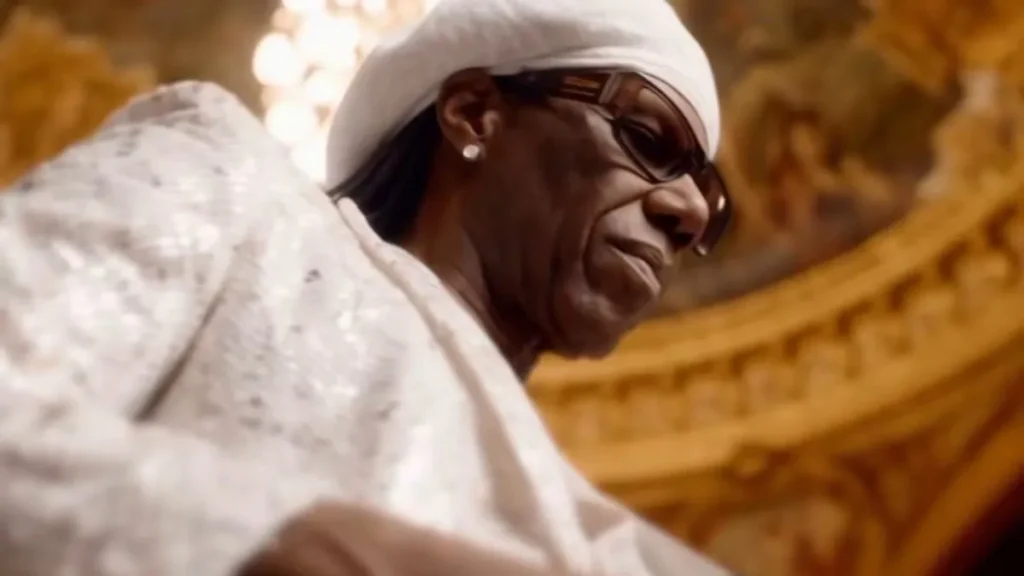
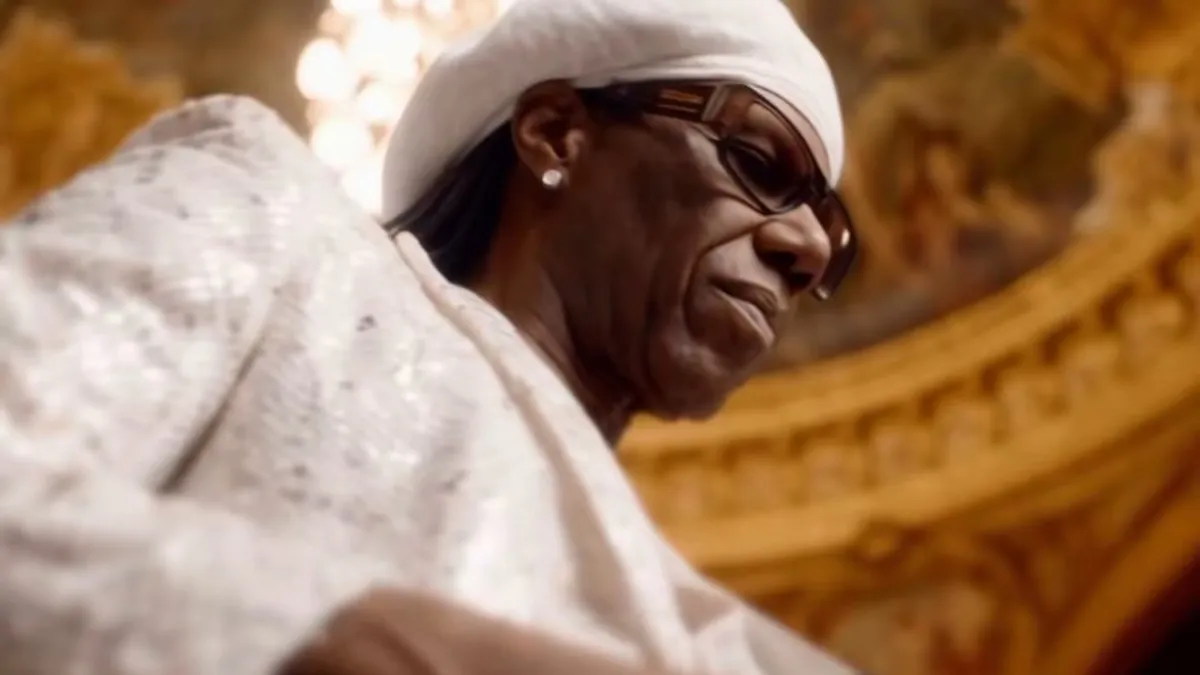
Photo Credit: Nile Rodgers / Instagram
Nile Rodgers becomes the latest high-profile musician to support AI, defending his use of the tech in an upcoming Christmas-themed charity video.
This week, Nile Rodgers shared a clip on Instagram of his upcoming video for “The Christmas Song,” an updated version of his 2020 charity collaboration with Rebecca Ferguson. However, he proudly revealed the project’s use of AI, prompting immediate fan backlash. Yesterday, he defended his use of the technology.
“This is the start of the process. This AI capture was very thorough, and I’m so excited about the finished project,” Rodgers shared earlier this week, alongside a snippet of him sitting to have his picture taken to create an AI model of himself. “When I saw the Eagles at The Sphere in Vegas, I envisioned stories with incredible environments & music. It’s future time!”
But people quickly began expressing their disappointment in the comments at Rodgers’ use of AI. “There’s better ways to preserve your legacy,” wrote one person. “Look what AI has done to art in general, yet alone music. Promoting (AI) in such a big way is not the way to go.”
The next day, Rodgers shared photos from the project, but the backlash only continued. “We need happiness and healing in our world,” he wrote. “When I had my 1st (bout) of #cancer it was a child who coached me and gave me #courage to fight. I know a lot of children who are bedridden and ill. Their main form of entertainment is the iPad or other such devices. I produced ‘The Christmas Song’ to give them a little #joy during the holiday season.”
“We created everything. Mood boards, story boards, and did it the same way we’d do a film,” Rodgers explained in the comments. “The AI did what we told it to do, and we painstakingly created every second you’ll see on the screen… If this were a traditional film, it would’ve cost about $100,000.”
Unfortunately, Rodgers didn’t seem to grasp exactly what commenters took issue with, since he felt he was using the technology ethically. However, even the so-called ethical use of AI has faced criticism from those who are concerned about the energy costs associated with the data centers needed to host it.
“It’s somewhat hypocritical to say you’re anti-AI and you’re using it all the time because it makes your life more convenient,” Rodgers told one commenter. “I used to work with Microsoft and Apple. I’m very aware of the things they do when they have new tech that consumers like yourself adopt its usage.”
But many critics of AI are precisely the people who pointedly do not use it.
Regardless, Rodgers has previously voiced support for AI in an interview with Euronews in 2024: “I think using AI-generated vocals to copy another person’s sound is horrible, but using AI to artistically express yourself and make better music, I think, is fantastic. The way I want to look at AI is from the positive side. I want to look at it as just another color on your palette.”
He compared it to the criticism of drum machines and synthesizers when they first appeared.
“I think that creativity comes from the artist. Now, if you have a tool to help you become more creative, there’s nothing wrong with that.”
Other artists who have vocally supported the use of AI include Dr. Dre, Diplo, Kid Rock, will.i.am, Timbaland, David Guetta, Grimes, and Paul McCartney.