



Photo Credit: Scott Greer
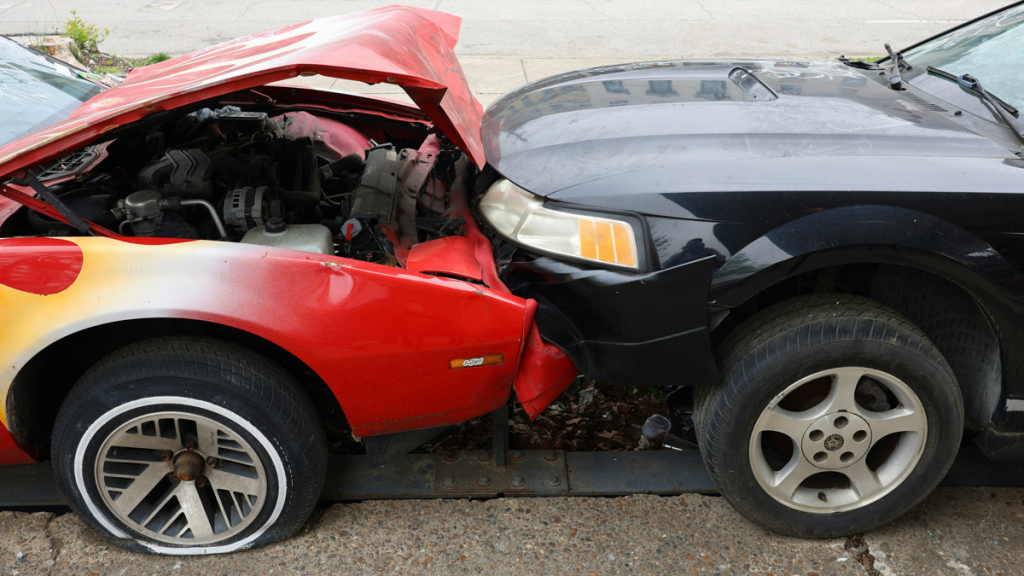
A new Harvard study on distracted driving has found a 15% increase in traffic fatalities in the US on days that major albums are released on streaming platforms.
Major album releases can lead to a major surge in traffic deaths, according to a new Harvard study by Dr. Vishal Patel. Published in the medical journal JAMA Network Open, Dr. Patel’s study examined smartphone use and distracted driving and focused on the 10 albums with the most first-day Spotify streams between 2017 and 2022. The study found that traffic fatalities increased by as much as 15% when significant album releases go live on streaming services.
The albums covered in the study included Taylor Swift’s Midnights, Drake’s Certified Lover Boy, and Bad Bunny’s Un Verano Sin Ti, as well as other releases by Swift and Drake, and those by Harry Styles, Kanye West, and Kendrick Lamar. The study was based on 233,809 U.S. traffic deaths between 2017 and 2022 and measured the 10-day window before and after the release of these albums.
On average, there were about 139 deaths from car crashes on release dates compared to an average of 120.9 deaths on surrounding days—a difference of 18.2 average fatalities, or a 15.1% increase on album release days.
Dr. Patel told CNN that he was inspired to conduct the study after drifting out of his lane while scrolling through Spotify to find a new Taylor Swift album. He eventually decided to use the Fatality Analysis Reporting System (FARS) to collect data for the project.
“I already knew the FARS database well; it’s the federal registry of every fatal crash on U.S. roads, and there’s a long tradition of using it to ask whether crashes spike on Super Bowl Sunday or Tax Day,” said Patel. “It struck me that nobody had looked at album releases, which are one of the few moments when tens of millions of people reach for their phones at the same time, for the same reason, for something other than texting.”
“The increase showed up mostly among drivers who were alone in the car; it was more pronounced among sober drivers than among drivers who had been drinking, and it wasn’t concentrated at night,” he explained. “If this were really about release parties and alcohol, you’d expect the opposite on all three counts.”
Researchers acknowledged that FARS data can’t confirm whether drivers were actually distracted by their phones during a crash, and many external factors could have been at play to cause these traffic fatalities. However, the United States is actually one of the few nations in which traffic collisions and fatalities have increased over the last decade despite advances in automobile safety technology.
Distraction is believed to play a significant role in traffic collisions; in 2022, the National Highway Traffic Safety Administration reported that 8% of fatal crashes and 11% of all police-reported crashes were classified as “distraction affected.” Moreover, smartphone telematics data suggests that mobile device use occurs in as many as 52% of car trips that result in a collision.
Ultimately, it’s advisable to prioritize safety: come to a complete stop before pulling up music on your phone or use voice commands instead of looking at your screen while driving.