


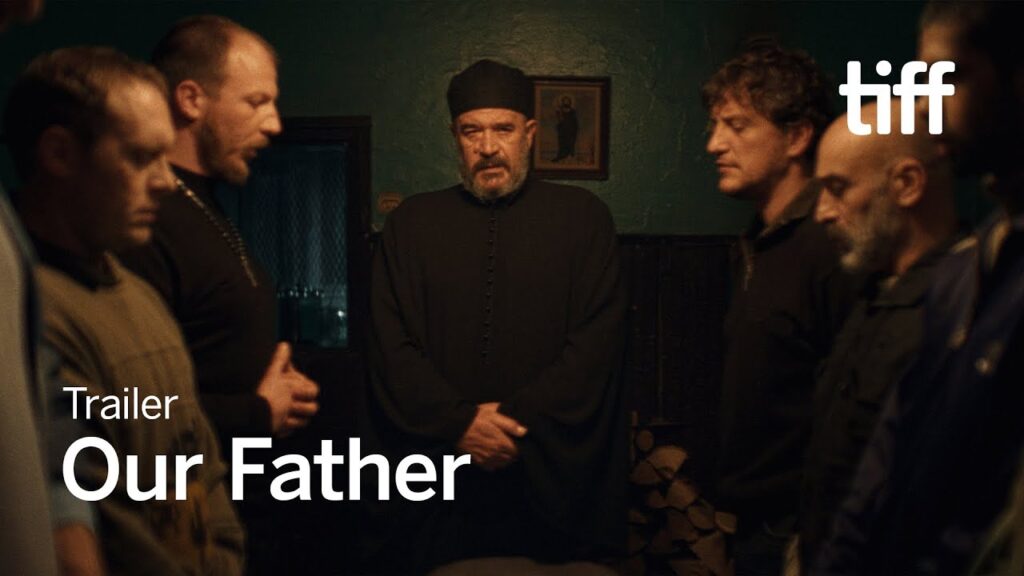
A Psychological Drama Explores Faith, Redemption, And The Dark Side Of Absolute Authority
A young drug addict seeking a second chance arrives at an isolated monastery commune hoping to rebuild his life. Under the strict leadership of Father Branko, he gradually transforms from troubled newcomer into the priest’s most trusted disciple. But as Branko’s increasingly violent methods blur the line between discipline and abuse, loyalty turns into fear, forcing the young man to question both his faith and the man he once believed could save him.
Blending psychological drama with moral thriller elements, Our Father examines redemption, spiritual authority, and the dangers of unquestioned devotion. Set within an isolated religious community, the film explores how the search for purpose can leave vulnerable people exposed to manipulation and violence.
Why This Film Is Worth Discovering: A Powerful Drama Examines Faith, Power, And Redemption
Director Goran Stanković crafts an emotionally intense character study that looks beyond traditional religious narratives to explore the fragile relationship between spiritual guidance and personal freedom. Rather than presenting clear heroes or villains, Our Father investigates how authority, belief, and desperation become deeply intertwined inside an isolated community.
Why It Stands Out: A Spiritual Journey Becomes A Psychological Battle
-
A Rare Look Inside A Monastery Commune: The film explores life inside a secluded religious rehabilitation community rarely portrayed in contemporary cinema. Its unique setting immediately distinguishes the story from conventional psychological dramas.
-
Faith And Control Become Intertwined: What begins as a journey toward healing gradually evolves into a struggle against manipulation and authoritarian leadership. The film asks difficult questions about the limits of obedience.
-
A Powerful Mentor-Disciple Relationship: The evolving bond between Dejan and Father Branko drives the emotional and psychological tension throughout the film. Their relationship becomes both deeply personal and increasingly dangerous.
-
A Story About Redemption And Identity: Dejan’s battle with addiction becomes inseparable from his search for belonging, dignity, and purpose. His emotional transformation gives the story its greatest depth.
-
A Gritty Balkan Character Drama: Set against the backdrop of an isolated monastery, the film combines realism with psychological intensity. Its restrained style creates an atmosphere of constant emotional unease.
Our Father offers audiences a compelling exploration of faith, recovery, and power while presenting a psychologically complex portrait of redemption that refuses easy answers.
What Is The Film About?: One Man’s Search For Salvation Leads Into Moral Darkness
After struggling with drug addiction, Dejan arrives at a remote monastery commune hoping to rebuild his life under the guidance of Father Branko, a charismatic but uncompromising priest. As Dejan earns Branko’s trust and becomes his closest assistant, he begins witnessing increasingly brutal methods used to maintain discipline within the community. Torn between loyalty, gratitude, and growing moral doubt, he must ultimately decide whether true redemption can exist under the shadow of fear.
Starring Vučić Perović, Boris Isaković, Goran Marković, Dado Ćosić, Nenad Heraković, and Tatjana Kecman, the film blends psychological drama, moral thriller, and social realism while exploring faith, addiction, redemption, authority, manipulation, violence, and personal freedom.
Should You Watch It?: A Powerful Character Drama About Faith And Moral Responsibility
Recommended For: Movie Audiences Who Enjoy Serious Psychological Dramas
-
Fans Of Character-Driven Cinema: The story is built around the evolving relationship between Dejan and Father Branko. Their emotional conflict gives the film remarkable psychological depth.
-
Viewers Interested In Moral Dilemmas: The film avoids simple answers while examining difficult ethical questions. Its complexity encourages reflection long after the story ends.
-
Fans Of European Art-House Cinema: Quiet storytelling, restrained performances, and emotional realism define the experience. Its subtle approach strengthens the film’s dramatic impact.
-
Audiences Interested In Stories About Redemption: Recovery from addiction serves as both a personal struggle and a broader search for identity. The emotional journey remains compelling throughout.
-
Festival Cinema Enthusiasts: The film combines social realism with psychological intensity in a way that reflects contemporary European auteur filmmaking. Its mature storytelling appeals to viewers seeking thoughtful cinema.
May Not Appeal To: Viewers Seeking Conventional Religious Dramas
-
Fans Of Fast-Paced Thrillers: The film develops its psychological tension gradually through character interactions and moral conflict. Its deliberate pacing prioritizes emotional realism over dramatic spectacle.
-
Viewers Looking For Clear Moral Divisions: The story explores complicated relationships where good intentions and abuse of power coexist. Its ambiguity is central to its emotional impact.
Overall, Our Father is highly recommended for audiences who appreciate psychologically rich dramas exploring faith, authority, redemption, and the complex search for personal transformation.
Why Everyone Is Talking About It: Stories About Faith And Power Are Becoming Increasingly Relevant
Our Father reflects a growing movement in international cinema that examines the complex relationship between faith, authority, and personal freedom. Rather than presenting religious communities through idealized or purely critical perspectives, contemporary filmmakers increasingly explore how belief can become both a source of healing and a mechanism of control.
The film also speaks to broader conversations about addiction recovery, vulnerable communities, and charismatic leadership. By placing these issues inside an isolated monastery commune, Our Father transforms a deeply personal story into a powerful examination of trust, obedience, and moral responsibility.
Audience & Critical Reception: Festival Audiences Recognize Its Emotional And Moral Complexity
Early festival recognition has positioned Our Father as one of the notable Balkan dramas of the year. Critics have praised its restrained direction, psychologically layered storytelling, and the powerful central performances that avoid simplistic portrayals of either faith or authority.
Its strongest appeal is likely to be among audiences who appreciate socially conscious European cinema, morally complex character studies, and dramas that examine difficult ethical questions through intimate personal stories.
Recognition Highlights: Strong Festival Momentum For A Powerful Balkan Drama
-
International Festival Success: Our Father has earned 3 wins and 6 nominations, demonstrating strong recognition across the international festival circuit. Its consistent festival presence reflects broad appreciation for its emotional depth and social relevance.
-
Toronto International Film Festival (2025): The film was selected for the TIFF 2025 lineup, introducing it to one of the world’s most influential international film festivals. Its inclusion highlights its growing international profile.
-
A New Voice In Balkan Cinema: Director Goran Stanković continues exploring socially relevant stories rooted in psychological realism. His work reflects the growing international visibility of contemporary Balkan filmmakers.
Standout Element: Redemption And Authority Become Increasingly Difficult To Separate
Rather than portraying recovery as a straightforward journey, Our Father explores how vulnerable people can become deeply dependent on those who promise salvation.
-
Recovery Comes With A Cost: Dejan’s search for a new life gradually demands unquestioning obedience. Personal transformation becomes inseparable from moral compromise.
-
Authority Evolves Into Control: Father Branko initially appears as a compassionate spiritual guide before revealing increasingly authoritarian methods. The film carefully examines how power can corrupt even noble intentions.
-
Isolation Intensifies Every Conflict: The monastery commune creates an environment where outside perspectives disappear. Its physical isolation reinforces the characters’ emotional dependence.
-
Faith Remains Emotionally Complex: Rather than criticizing religion itself, the story questions how belief can be manipulated by individuals seeking control. Its nuanced approach avoids simplistic conclusions.
Why This Film Matters: Cinema Continues Exploring The Human Side Of Spiritual Authority
Our Father reflects the growing willingness of contemporary filmmakers to examine difficult questions surrounding religion, leadership, addiction, and personal vulnerability. Instead of offering clear moral judgments, the film explores how institutions and individuals alike can struggle to balance compassion with authority.
The story also contributes to the increasing international recognition of Balkan cinema, where intimate character studies often address universal questions about identity, morality, and human resilience through culturally specific settings.
Entertainment Signal: Balkan Cinema Continues Delivering Powerful Character-Driven Dramas
Contemporary Balkan filmmakers continue gaining international recognition by combining social realism with emotionally layered storytelling. Rather than relying on large-scale spectacle, films like Our Father focus on intimate human relationships, moral complexity, and authentic performances that resonate across cultures.
Its growing festival profile demonstrates that audiences worldwide continue embracing character-driven dramas that explore universal emotional struggles through distinctive regional perspectives.
Industry Opportunities: Stories About Faith And Recovery Continue Finding International Audiences
For Filmmakers: Spiritual Settings Offer Powerful Psychological Drama
Religious communities provide rich environments for exploring authority, redemption, morality, and personal transformation. Our Father demonstrates how faith-based settings can support emotionally complex stories without becoming traditional religious films. Character-driven dramas rooted in moral conflict continue resonating with festival audiences worldwide.
For Producers & Distributors: Socially Relevant European Dramas Travel Internationally
Films addressing addiction, rehabilitation, institutional power, and human vulnerability continue attracting international festivals and arthouse distributors because their themes transcend national borders. Stories grounded in authentic social issues often generate lasting critical discussion. Human-centered dramas remain among Europe’s strongest international exports.
For Streaming Platforms: Prestige International Dramas Strengthen Premium Libraries
Global audiences increasingly seek award-winning dramas that explore universal emotional experiences through culturally distinctive settings. Balkan productions like Our Father help streaming platforms expand their collections of internationally acclaimed cinema. Regional storytelling continues attracting worldwide discovery through digital platforms.
Future Outlook: Moral Dramas Will Continue Exploring Institutions Through Personal Stories
As audiences increasingly seek emotionally authentic storytelling, filmmakers are likely to continue examining institutions—whether religious, educational, medical, or political—through intimate character journeys rather than broad social commentary. Stories about faith, authority, and recovery will remain particularly relevant as societies continue debating leadership, trust, and personal responsibility.
Films like Our Father suggest that psychologically nuanced dramas rooted in real social challenges will continue earning recognition across international festivals and specialty distribution.
Final Verdict: A Powerful Examination Of Faith, Authority, And Redemption
Our Father delivers a compelling psychological drama that examines how the search for healing can gradually become entangled with power, obedience, and moral compromise. Goran Stanković combines restrained direction, outstanding performances, and emotional realism to create a thoughtful exploration of belief, addiction, and personal freedom that refuses simplistic answers.
For movie audiences, it offers an emotionally gripping story about redemption and the dangers of absolute authority. For filmmakers, producers, distributors, festival programmers, and entertainment professionals, it highlights the growing international strength of Balkan cinema and the enduring appeal of socially relevant, character-driven storytelling.
Summary Of The Movie: One Man’s Search For Redemption Challenges His Faith
-
Movie Themes: Faith, redemption, addiction, authority, manipulation, morality, recovery, trust, and personal freedom shape the narrative. Together they create a psychologically rich exploration of belief and human vulnerability.
-
Top Cast: Vučić Perović, Boris Isaković, Goran Marković, Dado Ćosić, Nenad Heraković, and Tatjana Kecman deliver emotionally restrained performances that strengthen the film’s moral complexity. Their work brings authenticity to the story’s psychological conflicts.
-
Awards & Recognition: Our Father earned 3 international awards and 6 nominations while securing selection for the 2025 Toronto International Film Festival (TIFF). Its festival success confirms its position as one of the year’s notable Balkan dramatic features.
-
Standout Element: The evolving relationship between Dejan and Father Branko transforms a story of addiction recovery into a powerful examination of spiritual authority and psychological control. The mentor-disciple dynamic drives every emotional turning point.
-
Entertainment Signal: Contemporary European cinema continues exploring faith, institutions, and moral responsibility through intimate character studies rather than conventional religious narratives. Psychological dramas grounded in authentic social issues remain highly valued across the international festival circuit.
-
Why Watch This Movie: Viewers who appreciate psychological dramas, European arthouse cinema, morally complex storytelling, and emotionally layered performances will find Our Father a rewarding and thought-provoking experience. Its nuanced portrayal of redemption and authority distinguishes it from traditional faith-based dramas.
-
Where To Watch: Our Father premiered on September 9, 2025, at the Toronto International Film Festival and is expected to continue its international festival run before expanding to arthouse cinemas, premium VOD platforms, and streaming services specializing in international cinema.