


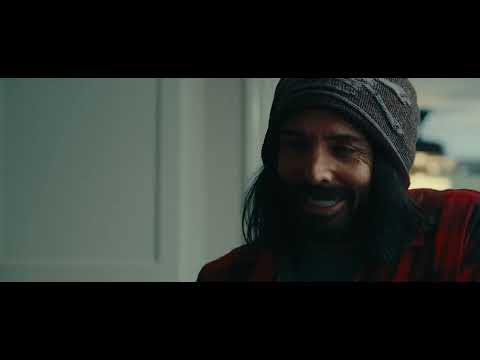
A Supernatural Horror Mystery Blending Urban Legends, Haunted House Lore, and Small-Town Secrets
Four students enter a legendary haunted house seeking research material, only to discover that the stories surrounding the house may be terrifyingly real.
Sanctus House follows four college students who spend a night investigating a notorious haunted property while gathering material for an academic paper on urban myths and legends. What begins as a research project quickly evolves into a dangerous encounter with supernatural forces and hidden truths connected to the home’s tragic history. Guided by a mysterious caretaker portrayed by Richard Grieco, the group gradually uncovers disturbing secrets that blur the line between folklore and reality. As tensions rise, friendships are tested, motives become unclear, and the house itself emerges as a central force within the narrative. The film embraces classic haunted-house horror traditions while exploring themes of curiosity, belief, trust, and the consequences of uncovering buried secrets.
➡️ Implication: The film taps into enduring audience fascination with haunted locations and supernatural mysteries rooted in local folklore.
Why It Is Trending: Nostalgic Haunted-House Horror Continues To Resonate With Genre Audiences
Sanctus House arrives during a period when audiences continue to embrace traditional supernatural horror stories centered on haunted locations and cursed histories. Horror fans remain highly receptive to contained narratives that prioritize atmosphere, mystery, and escalating dread over large-scale spectacle. The presence of Richard Grieco also adds nostalgic appeal for genre viewers familiar with his long career across film and television. Independent horror remains one of the most accessible and commercially resilient genres, allowing low-budget productions to attract dedicated audiences. The combination of urban legends, supernatural lore, and a remote haunted setting aligns with many of the themes currently popular within independent horror cinema.
➡️ Implication: Familiar horror foundations remain effective when paired with mystery-driven storytelling and recognizable genre talent.
Elements Driving the Trend: Haunted Folklore, Paranormal Curiosity, And Suspense-Driven Mystery
The film draws attention through several recognizable horror ingredients.
• Haunted house mythology that immediately creates intrigue and suspense.
• Urban legend storytelling that connects supernatural horror with folklore traditions.
• Young investigative protagonists who serve as audience surrogates entering an unknown environment.
• A mysterious caretaker figure whose motives and knowledge remain uncertain.
• Psychological tension and supernatural threats that gradually blur reality and myth.
Together, these elements create a framework that appeals directly to core horror audiences while maintaining narrative mystery.
➡️ Implication: Horror audiences continue to respond strongly to stories that combine familiar genre conventions with unanswered mysteries.
Virality of Movie: Genre Familiarity Creates Discovery Potential Within Horror Communities
While Sanctus House does not currently have major mainstream visibility, its concept aligns closely with themes that perform well among horror enthusiasts online. Haunted-house stories consistently generate discussion because they invite speculation, theories, and audience interpretation. The film’s supernatural mythology and mystery structure create opportunities for word-of-mouth engagement among genre fans. Independent horror communities frequently support low-budget projects that demonstrate passion and commitment to classic horror traditions. The film’s release timing also benefits from ongoing interest in paranormal and folklore-based storytelling.
➡️ Implication: Horror communities remain powerful discovery engines for independent films with compelling supernatural premises.
Critics Reception: Genre Expectations Will Likely Focus On Atmosphere, Tension, And Mythology
At present, substantial critical reception appears limited due to the film’s recent release. However, reviewers evaluating independent horror productions typically focus on atmosphere, storytelling efficiency, suspense, and practical execution relative to budget. Critics may examine how effectively the film balances supernatural mystery with character development and emotional stakes. Richard Grieco’s performance will likely receive attention due to his recognizable status within the cast. For independent horror films operating on modest budgets, success is often measured by creativity, atmosphere, and audience engagement rather than large-scale production value.
➡️ Implication: Independent horror is often judged by imagination and execution rather than financial scale.
Awards and Recognitions: Early Release Positions The Film For Future Genre-Festival Evaluation
Currently, no major awards or nominations have been widely reported for Sanctus House. As a recent 2026 release, the film may still pursue exposure through horror festivals and independent film circuits. While there are no notable acting, directing, or screenplay recognitions currently attached to the project, the genre has historically provided opportunities for smaller productions to build reputations after release. Festival exposure often plays a significant role in determining the long-term visibility of independent horror films. Future recognition will likely depend on audience response and genre community reception.
➡️ Implication: Festival and fan-community engagement may become more important than traditional awards recognition for the film’s long-term success.
Director and Cast: Independent Horror Veterans And Emerging Talent Unite Around A Classic Premise
Co-directors Kenyon T. Henry and Matthew B. Lawrence approach the material through the lens of traditional supernatural horror storytelling. Henry’s dual role as writer and cast member suggests a strong personal investment in the project’s creative direction. Richard Grieco provides the film’s most recognizable presence, bringing experience and intrigue to the caretaker character Amare. Younger cast members including Aden Pettet, Talon Dillard, and Genna-Leigh Ivey help establish the youthful investigative dynamic at the center of the story. Together, the cast supports a narrative built around uncertainty, fear, and discovery.
➡️ Implication: A recognizable veteran performer can help anchor and elevate emerging independent genre productions.
Conclusion: A Traditional Haunted-House Horror Story Built Around Mystery And Supernatural Suspense
Sanctus House embraces many of the elements that have sustained supernatural horror for decades, including haunted locations, urban legends, mysterious caretakers, and escalating paranormal threats. Its appeal lies in its commitment to genre fundamentals rather than reinvention. The film positions itself as an accessible horror experience aimed at audiences who enjoy folklore-driven mysteries and atmospheric suspense. With a modest budget and focused premise, it follows a path that has historically produced successful independent horror films. Whether it ultimately stands out will depend on the strength of its execution, mythology, and ability to generate audience engagement.
➡️ Implication: Strong execution of familiar horror concepts can often be more effective than pursuing overly complex genre innovation.
What Movie Trend Is Followed: Folk Horror, Paranormal Investigation, And Legacy Haunted-House Storytelling Continue To Converge
Sanctus House follows a growing horror trend that combines haunted-house mythology with paranormal investigation narratives. Rather than focusing solely on jump scares, films within this trend build suspense through mystery, local legends, hidden histories, and psychological uncertainty. The premise of young investigators uncovering supernatural truths reflects a formula that has remained popular across independent and mainstream horror. Audiences continue to enjoy stories where curiosity leads characters into dangerous encounters with forces beyond their understanding. Sanctus House fits comfortably within this tradition while utilizing urban myths and folklore as key narrative drivers.
➡️ Implication: Horror audiences remain highly engaged by stories that gradually reveal supernatural mysteries through investigation and discovery.
Trend Drivers: Folklore Fascination, Paranormal Curiosity, And Mystery-Based Horror Appeal
One of the strongest drivers behind this trend is the enduring popularity of folklore and unexplained phenomena. Viewers often find stories rooted in local legends more immersive because they feel connected to real-world beliefs and traditions. Paranormal investigation formats also create a natural narrative structure that allows suspense to build organically. Social media, podcasts, and documentary-style paranormal content have further increased public fascination with haunted locations and supernatural claims. These influences continue to fuel demand for horror stories grounded in mystery and exploration.
➡️ Implication: The blending of folklore and paranormal investigation provides horror filmmakers with a consistently appealing narrative framework.
What Is Influencing Trend: Digital Paranormal Culture And Nostalgic Horror Revival
The rise of paranormal content across streaming platforms, YouTube channels, podcasts, and social media has significantly influenced modern horror storytelling. Audiences regularly consume content focused on haunted locations, urban legends, and supernatural encounters. At the same time, there has been renewed appreciation for classic haunted-house films that emphasize atmosphere over excessive visual effects. Independent filmmakers often draw inspiration from these traditions while adapting them for contemporary audiences. Sanctus House reflects both modern paranormal curiosity and nostalgic horror influences.
➡️ Implication: Contemporary horror increasingly draws strength from the intersection of digital paranormal culture and traditional genre storytelling.
Macro Trends Influencing: Experience-Driven Fear Replacing Pure Shock Horror
Across the horror industry, there has been a noticeable shift toward immersive experiences rather than simple scare delivery. Audiences increasingly seek narratives that create emotional investment and mystery alongside fear. Stories involving hidden histories, curses, family secrets, and haunted locations offer richer engagement than purely shock-based horror. Horror consumers also show growing interest in mythology-driven worlds that encourage speculation and discussion. Sanctus House aligns with this broader movement toward atmosphere and narrative immersion.
➡️ Implication: Horror is evolving from momentary scares toward deeper experiential storytelling built around world-building and mystery.
Consumer Trends Influencing: Audiences Seeking Interactive Mystery And Lore
Modern horror audiences enjoy stories that encourage active participation through interpretation and theory-building. Films with layered mythology, unanswered questions, and hidden clues often generate stronger audience discussion. Younger viewers in particular are drawn to narratives that resemble investigations, allowing them to uncover information alongside the characters. Paranormal and folklore-based stories naturally support this interactive engagement. Sanctus House benefits from these preferences by positioning mystery as a central component of the horror experience.
➡️ Implication: Audience engagement increases when horror stories encourage viewers to become active participants in solving the mystery.
Audience Analysis: Paranormal Enthusiasts And Traditional Horror Fans Form The Core Audience
The film’s primary audience consists of horror fans aged 18–45 who enjoy supernatural narratives, haunted-house stories, and paranormal investigations. Psychographically, these viewers tend to be attracted to mystery, folklore, urban legends, and suspense-driven storytelling. Many actively consume related content through podcasts, streaming documentaries, horror forums, and social media communities. Their motivations include thrill-seeking, curiosity about the unexplained, and enjoyment of suspenseful narratives. Viewing behavior often includes seeking independent horror releases alongside larger studio productions.
➡️ Implication: The film is best positioned to succeed among dedicated horror audiences who actively engage with paranormal and folklore-based content.
Conclusion: A Horror Trend Built On Mystery, Mythology, And Audience Curiosity
Sanctus House reflects one of horror’s most durable trends: the combination of haunted spaces, supernatural mythology, and investigative storytelling. The film leverages familiar genre elements while aligning with modern audience interest in folklore and paranormal exploration. Its appeal stems from the promise of discovery, uncertainty, and gradually unfolding secrets. As audiences continue to seek immersive horror experiences, stories built around mystery and mythology are likely to remain popular. Sanctus House enters a genre landscape that continues to reward atmospheric suspense and compelling supernatural lore.
➡️ Implication: Mystery-driven supernatural horror remains one of the most sustainable and audience-friendly segments of the horror market.
Final Verdict: A Traditional Independent Horror Film Built Around Atmosphere, Mystery, And Haunted Folklore
Sanctus House positions itself as a classic supernatural horror experience that embraces many of the genre’s most enduring elements. Its haunted-house setting, folklore-driven mythology, and investigative narrative structure provide a familiar foundation for horror audiences. Rather than reinventing the genre, the film appears focused on delivering suspense, mystery, and supernatural tension within a contained setting. The presence of Richard Grieco adds recognizable genre appeal, while the younger cast drives the central mystery forward. Ultimately, the film’s success will depend on how effectively it transforms familiar concepts into an engaging horror experience.
➡️ Implication: Strong execution of proven horror formulas can often be more valuable than pursuing unnecessary genre reinvention.
Audience Relevance: Speaking To Contemporary Fascination With The Unknown
The film connects with audiences through themes that remain highly relevant within popular culture. Interest in paranormal activity, haunted locations, urban legends, and unexplained phenomena continues to thrive across media platforms. Viewers are drawn to stories that explore the boundary between myth and reality. The narrative’s focus on investigation and discovery mirrors the curiosity that drives much modern paranormal content. This relevance helps the film connect with both dedicated horror fans and casual viewers interested in supernatural mysteries.
➡️ Implication: Stories rooted in mystery and the unexplained continue to attract broad audience interest across generations.
What Is the Message of Movie: Some Legends Exist For A Reason
At its core, Sanctus House appears to explore the dangers of dismissing history, folklore, and warnings that have been passed down through generations. The students enter the house believing they are researching myths, only to discover that reality may be far more dangerous than expected. The story suggests that curiosity can be both a strength and a vulnerability. It also examines trust, perception, and the consequences of underestimating forces beyond human understanding. Through its supernatural framework, the film reinforces the timeless horror lesson that not every mystery should be uncovered.
➡️ Implication: The film uses supernatural horror to explore the consequences of unchecked curiosity and misplaced confidence.
Relevance to Audience: A Familiar Horror Journey With Contemporary Appeal
The narrative follows a structure that many modern horror audiences immediately recognize and enjoy. Young protagonists, hidden histories, isolated locations, and escalating supernatural events remain effective storytelling tools. Viewers can easily identify with the characters’ skepticism and curiosity as they investigate the house. The story also benefits from tapping into widespread fascination with paranormal exploration. These factors make the film accessible to a broad segment of horror consumers.
➡️ Implication: Familiar narrative frameworks help audiences quickly engage with supernatural horror concepts.
Social Relevance: Reflecting Society’s Enduring Relationship With Folklore And Fear
Throughout history, folklore has served as a way for communities to explain the unknown and preserve cautionary lessons. Sanctus House continues this tradition by building its horror around stories passed from one generation to another. The film reflects society’s ongoing fascination with places that hold dark histories and unanswered questions. It also highlights how communities construct myths around tragedy and mystery. In doing so, it connects supernatural horror to deeper cultural storytelling traditions.
➡️ Implication: Folklore-based horror remains culturally relevant because it transforms collective fears into compelling narratives.
Performance: Richard Grieco Provides Experience While Emerging Actors Drive The Mystery
Richard Grieco’s role as Amare gives the film a recognizable and potentially intriguing central figure. His caretaker character appears positioned as both guide and mystery within the story’s unfolding events. The younger cast, including Aden Pettet, Talon Dillard, and Genna-Leigh Ivey, carries much of the investigative and emotional narrative. Their performances will be critical in maintaining audience investment throughout the escalating supernatural events. Together, the cast creates a dynamic that balances experience with youthful curiosity.
➡️ Implication: Strong character chemistry is essential for sustaining engagement in contained supernatural horror stories.
Legacy: A Potential Cult Discovery Within Independent Horror Circles
Independent horror often finds long-term success through dedicated genre communities rather than mainstream exposure. Sanctus House possesses many characteristics associated with future cult discoveries, including a focused premise, supernatural mythology, and recognizable genre talent. If the film successfully delivers suspense and memorable lore, it may develop a following among horror enthusiasts. The haunted-house subgenre has historically produced films that gain appreciation over time. Its legacy will likely depend on audience response and genre-community support.
➡️ Implication: Horror films frequently build their strongest reputations through long-term fan engagement rather than immediate commercial success.
Success: Genre Appeal And Community Engagement Will Define Its Impact
As a low-budget independent production with an estimated budget of approximately $50,000, Sanctus House operates within a space where audience engagement often matters more than box-office performance. The film’s success will likely be measured through horror-community response, streaming discovery, festival exposure, and word-of-mouth recommendations. The recognizable presence of Richard Grieco may help attract initial attention, while the strength of the mythology and storytelling will determine audience retention. Unlike major studio releases, independent horror projects often build value gradually over time. The film’s long-term success will depend on its ability to create memorable experiences for genre audiences.
➡️ Implication: Independent horror succeeds when strong concepts generate sustained audience discussion and recommendation.
Insights: Sanctus House embraces classic supernatural horror traditions while leveraging modern interest in paranormal investigation and folklore. Industry Insight: Independent horror continues to thrive because compelling concepts can overcome significant budget limitations. Consumer Insight: Horror audiences increasingly value mythology, mystery, and immersive world-building alongside scares. Social Insight: The enduring popularity of haunted-house stories reflects society’s fascination with unexplained phenomena and hidden histories. Cultural/Brand Insight: Folklore-based horror remains one of the genre’s most recognizable and accessible storytelling frameworks. Final Insight: Sanctus House demonstrates how timeless horror concepts can remain relevant when paired with mystery, atmosphere, and audience curiosity.
Conclusion: A Familiar Yet Enduring Formula For Independent Horror
Sanctus House draws upon some of horror’s most reliable foundations: haunted locations, urban legends, supernatural mystery, and the consequences of investigating the unknown. The film appears designed to appeal directly to genre audiences seeking suspense-driven entertainment rooted in folklore and paranormal mythology. Its strengths lie in its accessible premise, recognizable horror structure, and potential for atmospheric storytelling. While it may not seek to redefine the genre, it benefits from working within a framework that has consistently resonated with audiences for decades. If effectively executed, the film has the potential to become a rewarding experience for fans of traditional supernatural horror.
➡️ Implication: Horror audiences continue to reward films that deliver engaging mysteries and atmospheric suspense built upon timeless genre foundations.
Summary of the Movie: A Supernatural Mystery Built Around Haunted Folklore And Hidden Truths
• Movie themes: The film explores curiosity, fear, trust, folklore, supernatural belief, friendship, and the consequences of uncovering secrets that were meant to remain buried. At its core, the story examines how ordinary people react when myths become reality.
➡️ Implication: Universal fears surrounding the unknown help make the film accessible to a broad horror audience.
• Movie director: Kenyon T. Henry and Matthew B. Lawrence build the film around traditional haunted-house storytelling, paranormal mystery, and suspense-driven horror. Their approach embraces familiar genre conventions while focusing on atmosphere and supernatural intrigue.
➡️ Implication: The directors position the film within a proven horror framework designed to appeal directly to genre fans.
• Top casting: Richard Grieco leads the recognizable cast as the mysterious caretaker whose true role remains uncertain throughout the story. Supporting performances from Aden Pettet, Talon Dillard, Genna-Leigh Ivey, and Liberty Knowles drive the investigation that sits at the center of the narrative.
➡️ Implication: A blend of veteran and emerging performers helps balance familiarity with fresh genre energy.
• Awards and recognition: At present, no major wins or nominations have been publicly reported for the film. As a recent 2026 independent release, Sanctus House may pursue visibility through genre festivals, horror conventions, streaming platforms, and fan communities. Future recognition will likely depend on audience reception and horror-community engagement.
➡️ Implication: Independent horror often builds its reputation through fan support and genre exposure rather than traditional awards campaigns.
• Why to watch movie: The film offers a classic haunted-house experience for viewers who enjoy paranormal investigations, urban legends, mysterious caretakers, and supernatural suspense. Fans of folklore-driven horror and atmospheric mysteries will likely find the premise appealing. The story combines investigation, mythology, and escalating danger within a contained setting.
➡️ Implication: The film is best suited for viewers seeking traditional supernatural horror with mystery at its core.
• Key success factors: The recognizable presence of Richard Grieco, a straightforward supernatural premise, folklore-based mythology, low-budget horror efficiency, and enduring audience interest in haunted-house stories all contribute to the film’s potential appeal. Its contained setting also allows resources to be concentrated on atmosphere and suspense.
➡️ Implication: Focused storytelling and strong genre fundamentals often provide independent horror films with their greatest advantage.
• Where to watch: Following its June 2026 release, availability may vary by territory and distribution agreements. Audiences should monitor official release channels, horror streaming platforms, digital rental services, and independent film distributors for current viewing options.
➡️ Implication: Specialized horror audiences frequently discover independent releases through digital and streaming distribution pathways.
Conclusion: A Traditional Haunted-House Horror Designed For Genre Enthusiasts
Sanctus House embraces the strengths of classic supernatural horror by combining haunted-house mythology, paranormal investigation, and mystery-driven storytelling. The film draws upon familiar genre traditions while tapping into contemporary audience fascination with folklore and unexplained phenomena. Its greatest appeal lies in its accessible premise, atmospheric potential, and commitment to supernatural suspense. The presence of Richard Grieco provides additional recognition value, while the younger ensemble supports the narrative’s investigative structure. Although the film operates within a well-established horror framework, that familiarity may prove to be one of its greatest strengths among dedicated genre audiences. As independent horror continues to thrive through fan communities and streaming discovery, Sanctus House has the ingredients to become a rewarding experience for viewers who appreciate traditional paranormal storytelling.
➡️ Implication: The film demonstrates that haunted-house horror remains one of the genre’s most reliable and enduring audience attractions.