


United States / United Kingdom / Ireland | 2026 | 122 min | Psychological Period Drama
Robin Hood Haunted by His Own Legend
Michael Sarnoski strips Robin Hood of the adventure, romance and heroic mythology, transforming one of folklore’s most famous outlaws into an aging killer forced to confront what his legend has hidden.
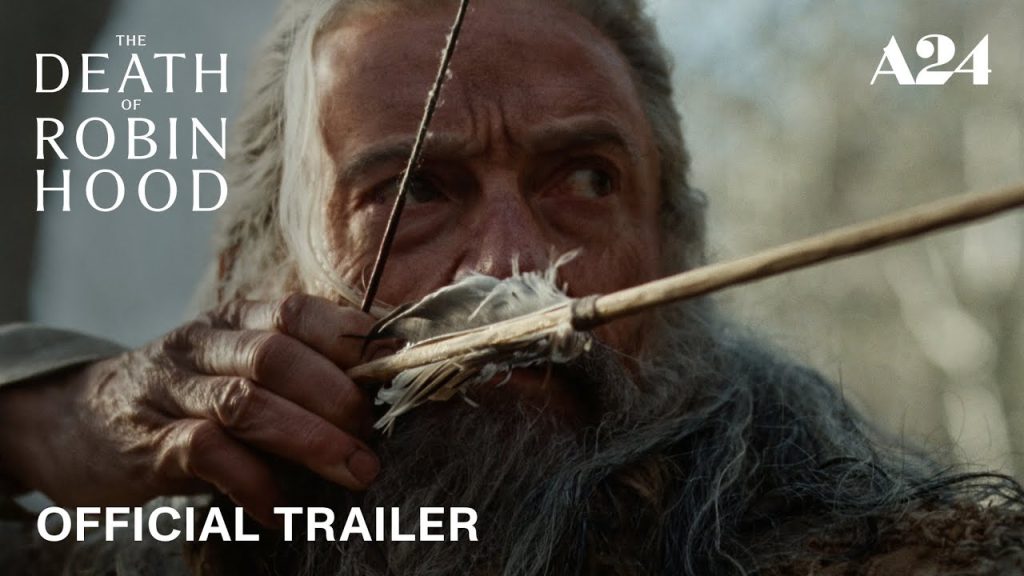
Robin Hood is no longer the charming outlaw stealing from the rich. Hugh Jackman’s Robin is older, wounded and carrying the consequences of a lifetime of violence. After a battle leaves him close to death, the mysterious Sister Brigid offers him something he may never have expected: the possibility of salvation.
Coming from Michael Sarnoski, the filmmaker behind Pig, this is less interested in another Robin Hood adventure than in imagining what happens after the adventures have become stories. Jodie Comer plays Sister Brigid, Bill Skarsgård appears as Little John, with Murray Bartlett and Noah Jupe among the supporting cast.
➡️ Movie Insight: The Death of Robin Hood asks a darker question than most Robin Hood movies: what if becoming a legend doesn’t erase the terrible things you did to create it?
Should You Watch It?: A Robin Hood Movie for People Who Want the Myth Taken Apart
Do not expect another swashbuckling adventure. This is a slow, bleak and introspective character drama where guilt, aging, faith and mortality matter more than arrows, Merry Men or heroic victories. That difference is also driving its divided audience response: some viewers admire its atmosphere and moral depth, while others find it overly grim and slow.
Its strongest attraction is Hugh Jackman. Instead of playing Robin as a charismatic folk hero, he presents someone physically and emotionally exhausted by the person he became. The result feels closer to a medieval reckoning with mortality than a conventional Robin Hood adventure.
➡️ Viewing Takeaway: Watch it for Hugh Jackman’s broken, aging Robin and Sarnoski’s dark deconstruction of heroism, not for traditional Robin Hood escapism.
Why Everyone Is Talking About It?: Robin Hood Has Never Looked This Broken
Robin Hood is one of cinema’s most repeatedly reinvented heroes, which makes Sarnoski’s decision to dismantle the legend especially provocative. Here the heroic outlaw becomes a robber and killer looking backward, forcing audiences to reconsider whether legends become cleaner as societies retell them.
That approach has produced sharply divided reactions. The film currently carries a 60 Metascore, while its IMDb audience rating sits around 6.0, reflecting a movie admired for performances, atmosphere and ambition but challenged for its deliberately slow and relentlessly mournful tone.
➡️ Conversation Insight: The debate is not really about whether this is a good Robin Hood adventure—it is about whether Robin Hood still needs to be an adventure at all.
Why The Death of Robin Hood Stands Out: The Heroic Legend Becomes a Guilty Man
Most Robin Hood stories ask audiences to celebrate the outlaw. Sarnoski instead asks them to interrogate him. What if the robberies, killings and battles that become exciting folklore looked very different to the man who actually committed them?
That makes the film less interested in building Robin’s legend than destroying the distance between the legend and the human being underneath it. His conversations with Sister Brigid become especially important because she gives him somewhere to confront the violence, regret and mortality he has spent his life carrying.
➡️ Standout Insight: The movie doesn’t reinvent Robin Hood by changing his adventures—it reinvents him by asking what those adventures would do to a man after decades of living with them.
Movie Trend: Myth Deconstruction — Cinema Is Turning Famous Heroes Into Flawed Human Beings
Modern filmmakers are increasingly revisiting familiar cultural icons from the opposite direction. Instead of showing how the legend was born, they examine what happens when age, regret and reality begin dismantling it.
The Death of Robin Hood pushes that trend into folklore. Robin is not presented as an aspirational hero preparing for another adventure. He is a man approaching death and confronting the difference between the heroic story people tell and the violent life he actually remembers.
➡️ Movie Trend Insight: Familiar legends are becoming more psychologically interesting when cinema stops protecting their heroic image and starts questioning it.
➡️ Movie Trend: Myth Deconstruction
Viewer Profile: The Myth Reinterpreter — Familiar Stories Seen From a Darker Angle
The Myth Reinterpreter enjoys recognizable stories most when filmmakers challenge what audiences already believe about them. They are drawn to character-driven period films, morally complicated heroes and darker reinterpretations that replace nostalgia with psychology.
|
Psychological and character-driven drama viewers |
|
|
Dark period drama and revisionist folklore fans |
|
|
Broad middle-to-upper income audience |
|
|
Culturally curious viewers interested in history, mythology and prestige cinema |
|
|
A24 films, historical dramas, revisionist westerns and slow-burn character studies |
Traditional Robin Hood fans may be the most divided audience because the film intentionally removes much of the adventure, wit and romantic heroism associated with the character. Viewers comfortable with slow cinema and darker character studies are much more likely to connect with its approach.
➡️ Audience Insight: This is Robin Hood for viewers more interested in the damaged man behind the legend than watching the legend perform another heroic act.
What This Movie Means for the Industry: Famous IP Is Becoming Material for Reinvention
Hollywood’s relationship with familiar intellectual property does not always have to mean repeating the same origin story. Characters embedded deeply enough in popular culture can instead become raw material for completely different genres and perspectives.
Sarnoski turns Robin Hood into something closer to a psychological mortality drama. That creates another path for established stories: instead of making them bigger, faster and more spectacular, filmmakers can make them smaller, stranger and more personal.
➡️ Industry Insight: The most interesting future for familiar stories may come from filmmakers willing to challenge why audiences loved those stories in the first place.
Creative Analysis: A Medieval Legend Becomes a Story About Regret, Mortality & Redemption
The Death of Robin Hood works best as an epilogue rather than another chapter in the legend. Its deliberately mournful approach allows Michael Sarnoski to explore what happens when someone celebrated by history no longer believes his own heroic story.
Storytelling — The Adventure Is Already Over. Instead of building toward Robin becoming a hero, the screenplay meets him when that identity has become a burden. His physical wounds become the doorway into a much deeper reckoning with his past.
Direction — Sarnoski Makes the Myth Smaller. As with Pig, the filmmaker is interested in stripping a recognizable masculine figure of the identity surrounding him and discovering what remains underneath.
Performances — Hugh Jackman Carries the Weight. Jackman plays Robin as exhausted rather than triumphant. His physical presence remains, but weariness, regret and vulnerability dominate the performance. Jodie Comer’s quieter Sister Brigid provides an important human counterweight.
Visual Style — Medieval Life Without the Romance. Shot entirely on 35mm, the film favors texture, mud, cold landscapes and weathered environments. Pat Scola’s cinematography and the production design deliberately remove the polished romanticism normally attached to Sherwood Forest.
Themes — Can a Violent Man Still Change? Guilt, faith, storytelling, aging and redemption replace the traditional Robin Hood themes of rebellion and social justice. The central question becomes whether recognizing what you have done matters when there may no longer be enough time to undo it.
What Makes It Different — Robin Hood Becomes His Own Revisionist History. Sarnoski is effectively asking Robin to confront the mythology audiences already know. The stories may remember a heroic outlaw; the man remembers blood.
➡️ Creative Insight: The Death of Robin Hood finds its strongest idea by treating a legendary hero’s final battle as a battle with the story people will tell about him after he dies.
If You Liked The Death of Robin Hood (2026): Legends, Warriors & Heroes Facing the End
These recent films rethink historical, mythical and heroic figures through aging, morality, psychological damage and the cost of violence, putting the human being ahead of the legend.
The Return (2024) by Uberto Pasolini: Odysseus Comes Home as a Broken Man
Ralph Fiennes’ Odysseus finally returns to Ithaca after twenty years, but glory has disappeared from the warrior who left. Like Sarnoski’s Robin, he must confront what violence, absence and legend have done to both himself and the people waiting for him.
William Tell (2024) by Nick Hamm: A Folk Hero Becomes a Man Pulled Reluctantly Into Rebellion
Claes Bang plays another legendary outlaw whose reputation grows from violent resistance against oppression. Its approach is more traditionally epic than Sarnoski’s film, but both explore the human cost behind heroic folklore.
➡️ Where to Watch: 🇺🇸 US · 🇬🇧 UK
The Last Viking (2025) by Anders Thomas Jensen: Masculinity Gets Rebuilt Through Identity & Brotherhood
Mads Mikkelsen and Nikolaj Lie Kaas lead a strange, darkly comic story about identity, memory and men struggling with who they believe themselves to be. It approaches damaged masculinity much more playfully, but shares Sarnoski’s interest in separating male identity from the mythology surrounding it.
➡️ Where to Watch: 🇩🇪 DE
The North (2025) by Bart Schrijver: The Journey Becomes More Important Than Heroism
Rather than another medieval warrior story, this intimate adventure follows two old friends attempting a huge walking journey through the Scottish Highlands. Its scale is different, but its focus on endurance, masculinity and vulnerability makes it a quieter companion to Sarnoski’s rejection of conventional heroism.
➡️ Where to Watch: 🇳🇱 JustWatch
Final Verdict: Robin Hood’s Darkest Reinvention Is More Fascinating Than Fun
The Death of Robin Hood is bold precisely because it refuses to give audiences the Robin Hood movie they expect. Michael Sarnoski removes the swashbuckling energy and replaces it with guilt, death, faith and the uncomfortable possibility that heroic mythology may simply be violence rewritten into a better story.
That creative choice is also its limitation. At 122 minutes, its relentlessly bleak mood and deliberate pacing can make the film feel heavier than its ideas require. But Jackman’s committed performance, Scola’s textured cinematography and Sarnoski’s willingness to completely rethink an iconic character give it an identity few recent Robin Hood adaptations have managed. The film’s modest $8.4 million worldwide gross also suggests that this darker reinterpretation has remained a relatively niche theatrical proposition.
➡️ Final Verdict: 3.7/5 — A visually striking and daringly bleak deconstruction that turns Robin Hood’s final adventure into an uncomfortable reckoning with the man behind the myth.
Quick Facts: The Death of Robin Hood at a Glance
|
Psychological Period Drama / Action |
|
|
Guilt, mortality, redemption, violence, faith, mythology |
|
|
United States / United Kingdom / Ireland |
|
|
Hugh Jackman, Jodie Comer, Bill Skarsgård, Murray Bartlett, Noah Jupe |
|
|
A24, Lyrical Media, Northern Ireland Film |
|
Final Insight: Modern Cinema Is Asking What Happens When Heroes Outlive Their Legends
Robin Hood has survived for centuries because every generation has been able to reshape him into the hero it needs. Sarnoski takes that tradition somewhere uncomfortable: instead of asking what Robin Hood means to us, he asks what being Robin Hood might have done to Robin himself.
That turns the legend inward. The robberies, killings and rebellions that become exciting stories are transformed back into memories belonging to an aging man who has to live with them. Whether the movie is too bleak will divide audiences, but its central idea is powerful.
➡️ Final Insight: Legends remember what a hero accomplished; The Death of Robin Hood asks who had to live with the consequences.