


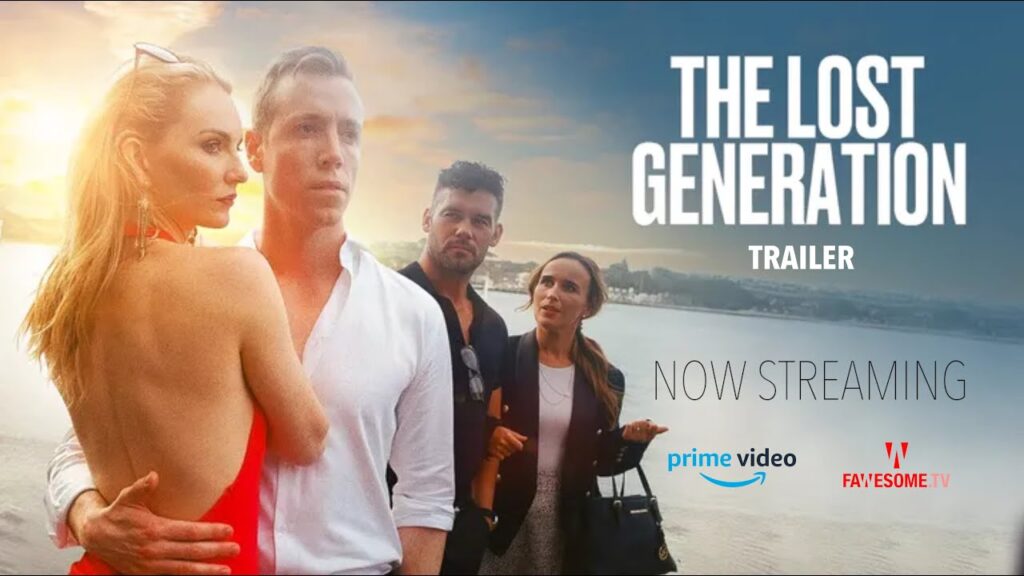
A New Adaptation of Ernest Hemingway’s Timeless Novel About Love, Disillusionment, and a Generation Searching for Meaning
Inspired by The Sun Also Rises (published as Fiesta in the United Kingdom) by Ernest Hemingway, The Lost Generation reimagines one of modern literature’s defining works for contemporary audiences. Set among the cafés, bars, and social circles of post-war Europe, the film explores romance, identity, emotional longing, and the restless search for purpose that came to define an entire generation.
The Big Picture: A Literary Classic Returns to the Screen
The Lost Generation is an Australian romantic drama directed by James Caley and based on Ernest Hemingway’s landmark 1926 novel The Sun Also Rises. The story follows writer Jake Barnes, whose enduring love for the charismatic and wealthy Lady Brett Ashley unfolds against the vibrant social life of cafés, bars, and expatriate communities. Surrounded by friends struggling with love, identity, ambition, and emotional uncertainty, Jake becomes part of a generation attempting to rebuild meaning in the aftermath of profound personal and societal upheaval. Through romance, friendship, and quiet heartbreak, the film revisits Hemingway’s exploration of individuals searching for fulfillment in a rapidly changing world.
Rather than functioning solely as a period romance, The Lost Generation examines themes that remain remarkably relevant today. Emotional disconnection, unfulfilled relationships, changing social values, and the search for identity continue to resonate with modern audiences, making Hemingway’s century-old story feel surprisingly contemporary.
➡️ Implication: The Lost Generation reflects the enduring appeal of literary adaptations that revisit timeless human experiences. By bringing Hemingway’s classic novel to a new generation of viewers, the film demonstrates how stories about love, identity, and purpose continue transcending their original historical context.
Quick Facts
|
James Caley, based on the novel by Ernest Hemingway |
|
|
The Sun Also Rises (Fiesta in the UK) |
|
|
Patrick James Gallagher, Amelia Conway, Pedj Bojic |
|
|
Fans of literary adaptations, historical romance, character-driven dramas, and Ernest Hemingway’s works |
|
What This Story Is Really About: A Generation Searching for Meaning
Although The Lost Generation revolves around Jake Barnes’ love for Brett Ashley, its deeper message explores the emotional uncertainty experienced by people attempting to rebuild their lives after personal and societal upheaval. The characters seek companionship, purpose, and identity while confronting disappointment, changing values, and relationships that never quite become what they hope. Hemingway’s original novel coined one of literature’s most enduring generational descriptions, and the film continues that exploration by asking how people move forward when the world around them has fundamentally changed.
At its core, the story examines emotional resilience rather than romantic fulfillment. Love, friendship, and personal ambition become vehicles for exploring loneliness, hope, and the universal desire to find meaning during periods of uncertainty.
➡️ Implication: The Lost Generation suggests that every era produces its own generation searching for identity and belonging. Its timeless themes continue resonating because questions about purpose, love, and emotional fulfillment remain universal across cultures and generations.
Why This Film Is Worth Discovering: A Contemporary Interpretation of a Literary Landmark
One of The Lost Generation‘s greatest strengths is its willingness to introduce Ernest Hemingway’s celebrated novel to a new generation of film audiences. Rather than simply recreating a literary classic, director James Caley revisits one of the twentieth century’s defining stories about love, disillusionment, and self-discovery through a fresh cinematic perspective. The film preserves the emotional core of Hemingway’s work while emphasizing the timeless relevance of its themes, demonstrating why The Sun Also Rises continues influencing literature and cinema nearly a century after its publication.
➡️ Implication: The Lost Generation highlights the enduring value of literary adaptations in contemporary cinema. By reintroducing classic novels to modern audiences, filmmakers ensure that timeless stories continue inspiring new generations through the language of film.
Should You Watch It?: An Excellent Choice for Fans of Literary Adaptations and Character-Driven Drama
Best Suited For: Viewers Who Appreciate Classic Literature on Screen
-
Fans of Ernest Hemingway’s novels and literary adaptations.
-
Viewers who enjoy thoughtful dramas centered on relationships, identity, and emotional complexity.
-
Audiences interested in period films exploring post-war society and expatriate life.
-
Anyone who appreciates intimate character studies built around dialogue and human emotion.
May Not Appeal To: Viewers Looking for Fast-Paced Entertainment
-
Audiences expecting action-driven historical dramas.
-
Viewers looking for conventional romantic stories with clear resolutions.
-
Fans of contemporary romance or spectacle-heavy productions.
-
Anyone seeking plot-focused storytelling rather than character exploration.
➡️ Implication: The Lost Generation is best suited to audiences who enjoy reflective cinema built around rich characters and timeless literary themes. Its emphasis on emotional nuance rewards viewers interested in thoughtful storytelling rather than dramatic spectacle.
Why Everyone Is Talking About It: Hemingway’s Most Influential Novel Returns for a New Generation
Nearly a century after the publication of The Sun Also Rises, The Lost Generation introduces one of literature’s most influential stories to contemporary audiences. Ernest Hemingway’s novel not only defined an era but also popularized the phrase “Lost Generation,” which has since become synonymous with young people searching for meaning in periods of social and cultural uncertainty. The new adaptation revisits these enduring themes through modern filmmaking while preserving the emotional complexity that made the original work a literary landmark. As audiences continue embracing adaptations of classic literature, the film arrives at a time when stories exploring identity, belonging, and emotional uncertainty feel as relevant as ever.
Beyond its literary significance, the project also reflects renewed interest in adapting classic twentieth-century novels for streaming and independent cinema. Rather than treating the source material as a museum piece, The Lost Generation highlights the timeless emotional experiences that continue connecting Hemingway’s work with modern viewers.
➡️ Implication: The Lost Generation demonstrates how classic literature continues finding new relevance through contemporary film adaptations. Its enduring themes of love, identity, and emotional uncertainty remain remarkably relatable across generations.
Audience & Critical Reception: A New Independent Interpretation of a Literary Classic
Audience Response: A Film Designed for Literary and Historical Drama Audiences
As an independent adaptation of one of Hemingway’s best-known novels, The Lost Generation is likely to appeal primarily to viewers interested in literary cinema, historical romance, and thoughtful character studies. Fans of the original novel may appreciate seeing its iconic characters reinterpreted for a new generation, while newcomers have an opportunity to discover one of modern literature’s defining stories through film.
Critical Reception: Renewed Interest in Hemingway’s Enduring Legacy
Although still a relatively recent independent release, the film contributes to the continuing cinematic legacy of Ernest Hemingway’s work. Critics and literary audiences often view adaptations of his novels through the lens of both cinematic interpretation and faithfulness to the emotional spirit of the source material. The Lost Generation enters this tradition by revisiting one of Hemingway’s most influential novels while introducing its themes to contemporary audiences.
➡️ Implication: The Lost Generation illustrates the continuing cultural importance of literary adaptations. By bringing Hemingway’s work back to the screen, the film reinforces the lasting influence of classic literature on modern cinema.
Awards & Recognition: Bringing One of Literature’s Most Influential Novels Back to the Screen
While The Lost Generation has not been positioned as an awards-driven production, the film’s greatest distinction lies in adapting one of the twentieth century’s most influential literary works. Based on The Sun Also Rises by Ernest Hemingway, the film revisits a novel that helped define modern American literature and introduced the now-iconic concept of the “Lost Generation.” Rather than competing through festival accolades, the production derives its cultural significance from reinterpreting a literary classic that has influenced generations of writers, filmmakers, and readers worldwide.
Adapting Hemingway remains a notable creative challenge because his restrained prose, emotional subtext, and character-driven storytelling rely on nuance rather than spectacle. By bringing The Sun Also Rises back to the screen, director James Caley contributes to the continuing cinematic legacy of one of literature’s most enduring authors, introducing the novel’s timeless themes of love, disillusionment, and identity to contemporary audiences.
➡️ Implication: The Lost Generation demonstrates that literary adaptations remain culturally significant even without major awards recognition. By revisiting one of Hemingway’s defining works, the film reinforces the lasting influence of classic literature on contemporary cinema.
Entertainment Trend: Classic Literary Adaptations Are Finding New Audiences Through Independent Cinema
The Lost Generation reflects the continuing resurgence of classic literary adaptations within independent filmmaking. Rather than focusing exclusively on contemporary bestsellers or franchise properties, filmmakers are increasingly revisiting influential twentieth-century novels whose themes remain relevant to modern audiences. Stories exploring identity, emotional uncertainty, fractured relationships, and changing social values continue to resonate because they address universal human experiences that transcend historical settings. Independent productions, in particular, provide space for more faithful, character-driven interpretations that emphasize emotional depth over commercial spectacle.
The film also highlights a broader cultural trend toward rediscovering literary classics through new creative perspectives. As younger audiences engage with classic novels through streaming platforms, educational programs, and modern adaptations, filmmakers are reintroducing foundational works of literature to viewers who may be encountering these stories for the first time. The Lost Generation illustrates how cinema continues serving as a bridge between literary heritage and contemporary storytelling.
➡️ Implication: Contemporary audiences continue embracing adaptations of classic literature when timeless themes are presented through accessible, emotionally engaging filmmaking. The Lost Generation demonstrates how independent cinema helps preserve and reinterpret literary landmarks for new generations.
Why This Film Matters: Hemingway’s Questions About Identity Still Speak to Modern Audiences
Nearly one hundred years after Ernest Hemingway published The Sun Also Rises, The Lost Generation demonstrates why the novel remains one of literature’s most enduring explorations of love, identity, and emotional uncertainty. While its story unfolds in the aftermath of the First World War, its central questions are timeless: how do people rebuild their lives after profound change, how do relationships survive emotional distance, and how do individuals search for meaning in an increasingly uncertain world? By revisiting these themes through a contemporary adaptation, the film reminds audiences that every generation faces its own version of displacement, loneliness, and the desire to belong.
The film also reinforces the enduring cultural value of literary adaptations. Rather than simply preserving a classic novel, adaptations allow foundational works to reach audiences who may never encounter them through books alone. By translating Hemingway’s emotionally restrained storytelling into a cinematic language, The Lost Generation helps ensure that one of the defining voices of twentieth-century literature continues inspiring new generations of viewers.
➡️ Implication: The Lost Generation illustrates how classic literature continues offering valuable insights into modern life. Its exploration of identity, emotional resilience, and human relationships proves that great stories remain relevant regardless of the era in which they were written.
What This Film Means for the Entertainment Industry: Literary Adaptations Continue Evolving
For Filmmakers: Classic Novels Remain Powerful Source Material
The Lost Generation demonstrates that influential literary works continue providing filmmakers with rich emotional narratives and complex characters. Rather than relying solely on contemporary bestsellers, directors increasingly revisit classic novels whose universal themes remain relevant across generations.
For the Film Industry: Independent Cinema Keeps Literary Classics Alive
Independent productions play an increasingly important role in adapting classic literature that may not fit the commercial priorities of major studios. These films help preserve literary heritage while introducing iconic stories to audiences through fresh cinematic interpretations.
For Audiences: Timeless Stories Continue Resonating Across Generations
Viewers continue embracing stories that explore universal experiences such as love, friendship, purpose, and personal identity. Although The Sun Also Rises was written in 1926, its emotional conflicts remain remarkably familiar to contemporary audiences navigating their own periods of uncertainty and social change.
For Literature and Cinema: Adaptation Strengthens Cultural Legacy
Every new adaptation extends the cultural life of an influential literary work. By bringing Hemingway’s novel back to the screen, The Lost Generation encourages renewed interest in one of modern literature’s defining classics while demonstrating the continuing dialogue between literature and film.
➡️ Implication: The Lost Generation highlights the enduring importance of literary adaptations in contemporary cinema. By connecting classic novels with modern audiences, films like this help preserve cultural heritage while demonstrating the timeless relevance of great storytelling.
Future Outlook: Literary Adaptations Will Continue Connecting Classic Stories with New Generations
As audiences continue seeking meaningful, character-driven stories, classic literature is likely to remain an important source of cinematic inspiration. Independent filmmakers, in particular, are increasingly exploring celebrated novels whose emotional themes extend beyond their historical settings. Works by authors such as Ernest Hemingway continue offering rich material because they examine universal human experiences that remain relevant regardless of changing social or technological contexts. The Lost Generation reflects this ongoing trend, demonstrating how contemporary adaptations can preserve the spirit of literary classics while making them accessible to today’s viewers.
➡️ Implication: The Lost Generation suggests that the future of literary adaptation lies in balancing respect for classic source material with fresh cinematic interpretation. By revisiting timeless stories through modern filmmaking, adaptations ensure that influential works continue engaging audiences for generations to come.
Final Verdict: A Thoughtful New Adaptation That Reintroduces Hemingway’s Enduring Vision
The Lost Generation brings one of Ernest Hemingway’s most influential novels back to the screen through an intimate, character-driven adaptation that remains faithful to the emotional heart of the original work. Directed by James Caley, the film revisits the complex relationships, emotional restraint, and existential uncertainty that made The Sun Also Rises a defining work of twentieth-century literature. Rather than emphasizing historical spectacle, it focuses on the timeless human experiences of love, friendship, loss, and the search for purpose. In doing so, it demonstrates that Hemingway’s observations about human nature continue to resonate with contemporary audiences nearly a century after they were first written.
➡️ Key Takeaway: The Lost Generation shows that great literature remains timeless. By reimagining Hemingway’s classic novel for modern audiences, the film reinforces the enduring relevance of stories about identity, emotional resilience, and the universal search for meaning.
Summary of the Movie: A Timeless Story of Love, Friendship, and a Generation in Transition
Based on Ernest Hemingway’s The Sun Also Rises, The Lost Generation follows writer Jake Barnes and the captivating Lady Brett Ashley as they navigate a world shaped by emotional uncertainty, complicated relationships, and changing social values. Surrounded by fellow expatriates seeking purpose and belonging, the characters confront unfulfilled love, personal disappointment, and the challenge of rebuilding their lives after profound upheaval. Through intimate conversations and deeply human relationships, the film explores themes that remain as relevant today as they were when Hemingway first introduced them to readers nearly one hundred years ago.
➡️ Key Takeaway: The Lost Generation is ultimately a story about people searching for connection and purpose during times of uncertainty. Its exploration of love, identity, and emotional resilience continues to speak across generations.
If You Liked This Movie: More Literary Adaptations and Character-Driven Dramas
-
The Sun Also Rises (1957), directed by Henry King — The classic Hollywood adaptation of Hemingway’s landmark novel.
-
Across the River and Into the Trees, based on the novel by Ernest Hemingway — A reflective drama exploring memory, regret, and love.
-
A Farewell to Arms, based on the novel by Ernest Hemingway — One of cinema’s most celebrated wartime romances.
-
The Remains of the Day, directed by James Ivory — A beautifully restrained drama about duty, regret, and missed opportunities.
-
Brooklyn, directed by John Crowley — An emotionally rich story about identity, belonging, and finding one’s place in the world.
-
Before Sunset, directed by Richard Linklater — A thoughtful romance built around conversation, emotional maturity, and enduring human connection.
Where to Watch: Available on Amazon
Originally released on May 22, 2025 in Australia, The Lost Generation has expanded to digital platforms in several English-speaking markets. As of July 2026, the film is:
-
United States: Streaming free with ads on Tubi (and Fawesome), and available to rent or buy on Amazon Video.
-
United Kingdom: Streaming on Amazon Prime Video, Amazon Prime Video with Ads, and Amazon Prime Video Free with Ads. It is also available to rent or purchase on Amazon Video.
-
Australia: Available to rent or purchase on Amazon Video.