
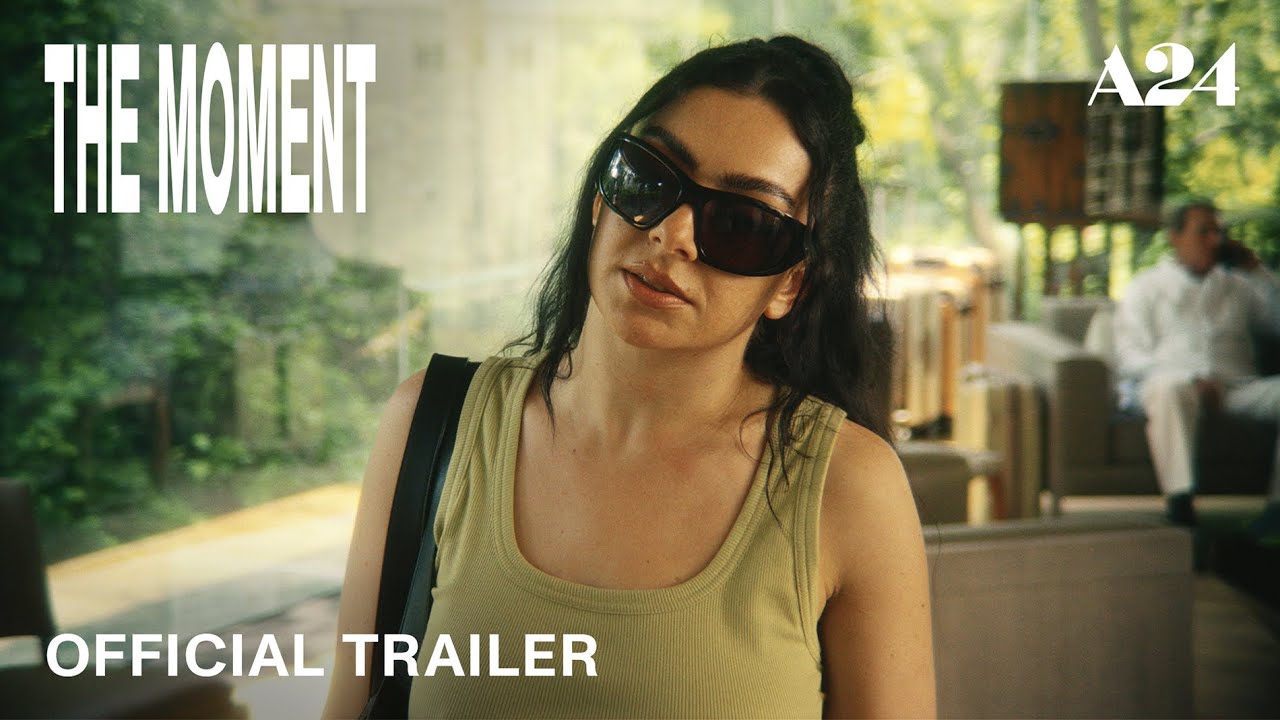
Why the trend is emerging: From Feed to Feature — The Industrialization of Internet Ephemera and the High-Art Curation of Viral Subcultures.
Digital Ephemera Leveling Up into Physical Theatrical Milestones and Arthouse Valorization.
The “Feed to Feature” pipeline is basically the new hype-cycle where the chaotic, messy energy of the internet gets vacuum-sealed into a high-brow A24 aesthetic. In 2026, we’re hitting “Infinite Scroll Fatigue,” and the market is obsessed with “Vibe-Curation”—taking a fleeting viral moment like Brat Summer and giving it the “main character” treatment with a $100k per-theater average. People don’t want more “content” in their faces; they want a definitive, big-screen “Final Cut” of the memes they lived through, turning a temporary vibe into a permanent cultural flex.
-
What the trend is: The “Meta-Mockumentary Flex” where icons like Charli xcx stop being the subject and start being the architect, satirizing their own fame to build a lasting legacy.
-
Why it is emerging: Because digital noise is at an all-time high, and fans are desperate for a “Second Look” that feels more premium and intentional than a messy TikTok scroll.
-
Why now is trending: We’ve hit “Rapid-Cycle Nostalgia,” where 2026 culture is so fast that we’re already “missing” things that happened six months ago, making immediate cinematic retrospectives a total vibe.
-
What pressure triggered the shift: The “Standard Celeb Doc” is honestly kind of mid now, forcing stars to pivot to “Self-Aware Irony” to keep the attention of a cynical, meta-literate audience that hates being sold to.
-
What old logic is breaking: The dusty idea that “Arthouse Cinema” and “Pop Standom” are separate is dead; the specialty box office is the new clubhouse for the internet’s most obsessed fanbases.
-
What replaces it culturally: A “Meta-Narrative Contract” where the fans aren’t just viewers—they’re in on the joke, valuing the “packaging” and the “cool factor” as much as the actual film.
-
Implications: This forces the industry to go full “Drop-Culture,” treating movie openings like a limited-edition sneaker release to keep the hype high and the seats sold out.
Insights: The Irony Economy: In 2026, the biggest box office flex isn’t a superhero sequel—it’s a self-aware satire of your own viral fame.Industry Insight: The Specialty Sprint Strategy. A24 is basically the Supreme of cinema now, using extreme scarcity to turn a niche film into a high-stakes “you had to be there” event.Consumer Insight: The Stan-Architect Profile. Charli xcx fans aren’t just watching; they’re “clout-stacking” by showing up in person to validate their niche taste in a way a like button can’t do.Brand Insight: Strategic Narrative Scarcity. Brands need to realize that in 2026, being “everywhere” is a flop; by only hitting four screens, A24 made this film the only thing anyone wanted to talk about.
The “Brat” pivot to film is proof that internet subcultures are the new heavy hitters of the box office. By turning a mockumentary into a record-breaking debut, A24 proved that irony is the most profitable vibe in the specialty market. Businesses need to wake up and realize the 2026 consumer doesn’t want another “product”—they want a “Moment” that serves as a physical souvenir for their digital soul.
Detailed Findings: The Sellout Flex — Observed Signal → Behavioral Proof. Converting Digital Hype into Physical Scarcity as Fans Weaponize FOMO to Validate the “Brat” Mythos.
Scarcity is the New Scale: Why a 4-Screen Drop Outsold the Mainstream by Turning Movie Tickets into Limited-Edition Clout.
The data from the opening weekend of The Moment isn’t just about the money—it’s about the “Scarcity-to-Obsession” pipeline. With a $428k gross on just four screens, we are seeing the definitive death of the “slow build” in specialty cinema. 2026 audiences are treating limited releases like live events, where the behavior isn’t “I’ll see it eventually,” but “I need to be one of the first 400 people to see this or I’ve missed the cultural window.” This behavioral proof confirms that in a world of infinite streaming, physical exclusivity is the only thing that creates a genuine, bankable “moment.”
-
What is happening in the market: The specialty box office is being hijacked by “Event-Cinema” mechanics where niche pop-culture artifacts are outperforming massive studio sequels on a per-screen basis.
-
Why it matters beyond the surface: It signals that “Cultural Capital” is now tied to being physically present at a limited event, making the movie theater the new “Supreme” store for Gen Z and Alpha.
-
Behavioral validation: The 60+ sellouts prove that fans have moved from “Passive Consumption” (streaming) to “Active Participation” (fighting for tickets), validating the theater as a high-stakes social arena.
-
Summary of findings: A24 has cracked the 2026 code by merging internet irony with prestige distribution, proving that you don’t need a wide release if your four screens are a total cultural bottleneck.
Signals: The Vibe-Check Economy
High-Frequency Cultural Triggers Defining the 2026 Specialty Market.
-
Market signal: The “Drop-Model” Theatrical. Movie releases are moving from “schedules” to “drops,” mimicking the urgency of limited-edition streetwear to drive record-breaking per-theater averages.
-
Behavioral signal: The “Sellout-as-Status.” Fans are posting screenshots of “Sold Out” notifications on social media as a form of cultural clout, turning the act of trying to buy a ticket into a performance.
-
Cultural signal: The “Meta-Mock” Shift. 2026 audiences prefer satirized versions of their icons (Alexander Skarsgård as a pretentious documentarian) over “honest” portrayals, valuing wit over “relatability.”
-
Systemic signal: The “Arthouse-Pop” Merger. The specialty box office is no longer for “cinephiles” alone; it is being systemically rewired to accommodate pop-star fanbases and digital subcultures.
-
Marketing signal: “Invisible” Hype Cycles. A24 is using “fastest presales ever” as a headline-generating tool, turning the business logistics of the film into the primary marketing hook.
Insights: The Sellout Aesthetic: In 2026, the gross is a byproduct; the true goal is the “No Tickets Available” screen.Industry Insight: The Density Dividend. Success in 2026 specialty markets is measured by how many people you turn away, as rejection creates the long-term “must-see” status needed for wide expansion.Consumer Insight: The Event-Seeker Mandate. The 2026 shopper doesn’t just want to watch a film; they want to be part of a “crowd-ritual,” where being in a theater with 100 other “stans” is the primary value add.Brand Insight: High-Art Validation. Brands can win by taking “low” viral culture and giving it “high” institutional backing (like Sundance/A24), creating a premium price floor for otherwise ephemeral trends.
The detailed findings of The Moment’s debut confirm that “Exclusivity is the New Scale.” By focusing on four screens and generating 60 sellouts, the film has created a massive cultural footprint that far outweighs its physical presence. For businesses in 2026, the lesson is clear: don’t try to be everywhere at once—be the only thing happening in the room that matters.
Description of consumers: The “Lore-Lord” Stan → Viral FOMO → Theatrical Pilgrimage. Transforming Online Obsession into a High-Stakes Physical Quest for Cultural Main-Character Energy.
Meet the 2026 Meta-Consumer: High-Income Digital Natives who treat Cinema as a High-Status Communal Flex and a real-life vibe check.
The people packing out these four screens aren’t just movie-goers; they are “Lore-Lords”—hyper-informed fans who track a celebrity’s life like a complex cinematic universe. They aren’t showing up to be “entertained” in the traditional sense; they are showing up to participate in a physical manifestation of a digital moment they’ve already archived in their brains. For the 2026 consumer, the “Specialty Box Office” is the new site of cultural pilgrimage, where the ticket is less about the movie and more about the receipts that they are part of the “In-The-Know” elite.
-
Consumer Name & Archetype: The “Lore-Lord” Stan—a hyper-connected digital curator who values meta-irony, deep-cut references, and brand “vibes” over traditional plot or star power.
-
Demographics: Primarily Gen Z and Late Millennials (Ages 18–34); aesthetic-driven urbanites; high concentration in cultural hubs like NYC and LA; mid-to-high disposable income mostly spent on “the brand.”
-
Life Stage: Students, early-career “slashies” (creative-consultant-types), and gig-economy pros who prioritize social capital and “I was there” stories over saving for a house.
-
Shopping Profile: High-frequency buyers of “Drop-Culture” artifacts; they’ll skip a meal to buy a limited vinyl or a $30 specialty cinema ticket if it means they get the exclusive “opening night” tag.
-
Lifestyle Profile: Minimalist living space but maximalist digital identity; they curate their lives as “aesthetically consistent” feeds and only attend events that pass the “shareability” vibe check.
-
Media Habits: They’ve totally ghosted traditional TV; their world is a 24/7 loop of TikTok “deep-dives,” Discord theory-crafting, and writing 5-star Letterboxd reviews that are just one-line jokes.
-
Impact of trend on behavior: They’ve moved from “Online Lurking” to “Physical Zealotry,” treating a movie theater sellout as a vital social ritual to confirm they aren’t just a bot, but a real-life part of the subculture.
Insights: The Identity Ticket: In 2026, the consumer doesn’t buy a seat; they buy a membership to a cultural vibe.Industry Insight: The Community-as-Currency. The 2026 market proves that niche “Standoms” are way more bankable than broad “Audiences,” because stans don’t just watch—they show up and sell things out in minutes.Consumer Insight: The Search for Tangibility. In a world of deepfakes and AI slop, these consumers are desperate for something “Verified”—being in a physical room with other humans is the ultimate proof of a vibe’s reality.Brand Insight: The Prestige Pivot. Brands need to stop selling “features” and start dropping “lore,” giving consumers enough breadcrumbs to feel like they’re “geniuses” for discovering the brand themselves.
The description of the Lore-Lord consumer reveals that the 2026 box office is basically a status game. By catering to a group that values exclusivity and meta-literacy, A24 has turned a limited release into a high-stakes social event. For businesses, the takeaway is simple: find your “Stan-Army,” feed them the lore, and they will build the cathedral for you.
What is consumer motivation: Emotional Pressure → Behavioral Choice. Escaping Digital Loneliness through High-Status Tribal Rituals and Meta-Irony.
The 2026 Drive for “Realness”: Why paying $30 to watch a fake documentary about a real meme feels like the only honest choice left.
The 2026 consumer is caught in a psychological vice-grip: they are more “connected” than ever but feel totally isolated in their niche digital silos. “Sovereign Resilience” (the trend of taking back control) manifests here as a motivation to physically manifest their online identity. They aren’t just buying a ticket; they are buying an emotional “Safety Net” that confirms their taste is still relevant. This behavior is a desperate play for “Collective Presence”—a way to prove that the vibes they feel on their phone are shared by real humans in a real dark room.
-
The Emotional Tension: A constant fear of “Cultural Irrelevance” (FOMO) clashing with “Digital Burnout,” leading to a craving for physical events that feel “Official” and curated.
-
Why this feels safe: In a world where AI can fake anything, a sold-out A24 screening feels like an “Authenticity Anchor”—it’s a verified physical space where the lore comes to life.
-
How it manifests: Consumers engage in “Theatrical Pilgrimage,” traveling to specific cities or theaters just to be part of the “Opening Weekend” narrative and secure the social receipts.
Motivations: The “In-Group” Engine
-
Core fear / pressure: Algorithmic Isolation. The haunting feeling that your “feed” is a hallucination and no one else actually cares about the subcultures you love.
-
Primary desire: The “Vibe-Check” Validation. The need to see other people dressed in “Brat Green” to confirm that your digital life has a physical, human heartbeat.
-
Trade-off logic: Scrimping for the Splurge. Happy to eat instant noodles for a week if it means affording a $30 ticket and a $50 limited-edition T-shirt that proves “I was there.”
-
Coping mechanism: Self-Aware Satire. Using irony and mockumentaries as a shield; if you’re “in on the joke,” you can’t be the target of it, making the theater a psychological safe-haven.
Insights: The Belonging Blueprint: In 2026, motivation isn’t driven by “what” you buy, but “who” you become while buying it.Industry Insight: The Emotional Monopoly. Businesses that can turn “lonely” digital behaviors into “communal” physical rituals will own the 2026 premium market.Consumer Insight: The Validation Vacuum. The 2026 consumer is looking for brands to act as “Social Curators,” telling them which parts of the internet are worth taking seriously in the real world.Brand Insight: The Irony Shield. To motivate this group, brands must stop being “earnest” and start being “witty”; if the brand can laugh at itself, the consumer feels safe joining the club.
The motivation behind the success of The Moment proves that the 2026 consumer is hungry for “Verified Belonging.” By weaponizing the emotional pressure of digital isolation, A24 has created a product that functions as a psychological cure for the “Online Void.” For businesses, the goal is clear: stop selling products and start selling the “Vibe-Check” that proves your customers are part of the “In-Group.”
Trends 2026: The “Meta-Curation” Epoch — From Accidental Viral to Industrialized Iconography.
Why “The Moment” is the Blueprint for the next decade of entertainment where irony is the only currency that doesn’t devalue.
In 2026, the entertainment industry is undergoing a “Hard Pivot” away from the traditional celebrity machine toward the “Lore-Industrial Complex.” We are seeing the rise of “Post-Authenticity,” where the most successful brands don’t try to be “real”—they try to be “cleverly fake.” This synthesis of Trends 2026 shows that the box office isn’t just recovering; it’s being completely rewired to serve as a high-status physical archive for the internet’s most chaotic energy.
Core influencing macro trends: The “Vibe-Shift” Velocity
-
Economic trends: The “Splurge-over-Savings” Mindset. High inflation on boring essentials is driving a “YOLO” spending spree on high-status cultural artifacts and event-based “Moments.”
-
Cultural trends: The “Nostalgia Loop” Collapse. We’ve run out of old decades to revive, so we are now nostalgic for “Last Tuesday,” leading to immediate cinematic retrospectives of viral events.
-
Psychological force: The “Verification Hunger.” In an AI-saturated world, the “Physical Presence” of a sellout crowd is the only way consumers can verify that a cultural movement is actually real.
-
Technological force: The “Algorithmic Exit.” Users are actively seeking “Searchless Discovery,” trusting curators like A24 to tell them what matters rather than fighting the TikTok feed.
-
Global trends: The “Hyper-Local Boutique” Rise. Global scale is losing its luster; the new flex is being part of a “4-screen exclusive” that feels impossible to get into.
-
Local / media trends: The “Letterboxd-ification” of Taste. Aesthetic criticism and “one-liner” reviews are replacing professional journalism as the primary driver of opening weekend hype.
Main Trend: The “Meta-Fame” Pivot — From “Being Famous” to “Curating Fame.”
-
Trend definition: The “Lore-Lord” Economy. A shift where stars and brands stop providing “access” and start providing “lore”—complex, ironic narratives that require high-level stanning to decode.
-
Core elements: Self-Aware Irony. The brand acts as its own satirist, using mockumentaries and “inside jokes” to build a protective barrier against cancel culture and boredom.
-
Primary industries impacted: Entertainment, Fashion, Luxury. Any sector relying on “Hype” is moving toward a “Drop-Only” model that prioritizes per-unit value over mass-market volume.
-
Strategic implications: The “Density First” Mandate. Success is no longer measured by how many people see your product, but by how hard a small group of people fights to get it.
-
Future projections: The “Theatrical NFT.” Movie tickets will increasingly function as “Proof of Attendance” assets, becoming tradeable social credentials within digital communities.
-
Social Trends implications: Digital Sovereignity. Consumers are reclaiming their attention by only giving it to “Verified High-Vibe” events that pass the human-in-the-loop test.
-
Related Consumer Trends: The Identity Architects
-
The Stan-Architect: Fans who don’t just consume but actively build the brand’s world through digital deep-dives.
-
Rapid-Cycle Nostalgia: A psychological drive to archive and celebrate trends as soon as they peak.
-
Vibe-Curation Lifestyle: Treating every purchase as a piece of an aesthetic puzzle for their social feed.
-
The Offline Zealot: Moving from digital lurking to aggressive physical attendance for the sake of “proof.”
-
-
Related Industry Trends: The Boutique Blockbuster
-
Drop-Culture Theatrical: Studios releasing films like limited-edition streetwear to spike per-theater averages.
-
Mockumentary-as-Marketing: Using self-satire to build a brand voice that bypasses traditional ad fatigue.
-
Lore-Industrial Complex: The structural shift toward storytelling that requires “insider” knowledge to unlock.
-
Strategic Scarcity: Purposefully limiting supply to increase the “social equity” of the consumers who get in.
-
-
Related Marketing Trends: The “IYKYK” Hype Engine
-
Shadow Campaigns: Marketing that feels like a secret, using unbranded billboards or cryptic social leaks.
-
Community Gatekeeping: Allowing superfans to be the “heralds” of news, rewarding the stans first.
-
The Irony Hook: Ad copy that makes fun of advertising itself to build trust with cynical audiences.
-
-
Related Media Trends: The New Tastemakers
-
Platform-Native Journalism: News cycles driven by TikTok tea-accounts and Letterboxd humor over trades.
-
The “Drop” Headline: Media outlets focusing on the speed of sales and “sellout” status as the primary story.
-
Fan-Lore Coverage: Journalism that focuses on the theories and behaviors of the fandom rather than the plot.
-
Summary of Trends: The “Brat” Blueprint for 2026
|
Meta-Fame Pivot: Curating irony over authenticity. |
Lore-Loading: Obsessively decoding brand secrets. |
Scarcity Scaling: Limiting access to drive value. |
Drop-Theatrical: Movies as limited-edition events. |
Verified Belonging: Proving you’re part of the “In-Group.” |
Insights: The New Cultural Capital: In 2026, the most valuable thing a brand can own is a “Sold Out” sign.Industry Insight: The Luxury-Indie Merger. Arthouse cinema is now a luxury good; A24 is doing to movies what Hermes did to handbags—creating a waitlist for “The Moment.”Consumer Insight: The Irony Armor. The 2026 consumer is “Irony-Pilled”; they will reject anything too earnest, but they will spend thousands on something that makes fun of itself.Brand Insight: The Lore-Led Lead. If you aren’t building a “Universe” or “Lore” around your brand, you’re just selling a commodity—and commodities are dying in 2026.
The 2026 trend synthesis confirms that “Complexity is the new Cool.” By leaning into the messy, ironic “Brat” energy and packaging it with high-art prestige, the industry has discovered a way to make the specialty box office relevant again. For businesses, the lesson is to stop simplifying and start complicating; give your customers a puzzle, and they’ll pay you for the privilege of solving it.
Areas of Innovation: The Experience Stack → Tech-Led Exclusivity. Beyond the Screen into Multi-Sensory “Proof of Vibe” Systems.
In 2026, the theater isn’t a room for watching; it’s a high-tech lab for validating niche cultural belonging.
The innovation behind The Moment’s rollout isn’t just about the camera used; it’s about the “Theatrical Operating System” that turns a movie into a live event. We are seeing the rise of “Sensory Syncing” where theaters use haptics and atmospheric tech to mimic the “chaos” of a pop tour. Innovation in 2026 is moving away from making things “easier” and toward making them “more intense”—using AI to personalize the in-theater vibe and blockchain to turn a physical ticket into a permanent digital badge of “Lore-Lord” status.
-
Innovation area: Atmospheric Haptics. Integration of seat-based vibrations and synchronized temperature shifts to recreate the “sweaty basement” or “arena-stage” feeling of the film’s music scenes.
-
Innovation area: AI-Personalized Curations. Theater apps that scan a user’s “Vibe-Profile” (Letterboxd + Spotify data) to suggest the specific screening time where they’ll be surrounded by the most like-minded fans.
-
Innovation area: Blockchain Scarcity. The use of “Theatrical NFTs” as tickets, ensuring that only verified members of a subculture can access opening-night “drops,” killing the secondary bot market.
-
Innovation area: Augmented Reality (AR) Pre-Shows. Using AR glasses in the lobby to let fans interact with “Lore-Breadcrumbs” and hidden digital Easter eggs before the projector even starts.
-
Innovation area: Hybrid Distribution Engines. New software that allows distributors like A24 to “Flash-Release” films on 4 screens and then instantly pivot to wide expansion based on real-time social sentiment data.
Insights: The Tech-Vibe Bridge: In 2026, innovation is measured by how well it makes a digital lie feel like a physical truth.Industry Insight: The Infrastructure Pivot. Theaters are stopping being “Real Estate” and starting being “Technology Platforms,” investing in PLF (Premium Large Format) and sensory kits to justify the $30 ticket.Consumer Insight: The Multisensory Mandate. The 2026 consumer is bored by 4K; they want “4D + Lore,” demanding a tech-enhanced environment that feels fundamentally different from their (very nice) home setup.Brand Insight: The Data-Driven Drop. Brands can now use AI to predict “Sellout Velocity,” allowing them to manufacture scarcity with surgical precision to maximize cultural heat and ROI.
The innovation areas surrounding this “Brat” era transition confirm that “The Medium is the Moment.” By upgrading the physical space with sensory and digital scarcity tech, the industry is creating a “Moat” that streaming simply can’t cross. For businesses, the takeaway is to stop focusing on the “Visuals” and start focusing on the “Vibe-System”—the tech that makes your product feel like a one-of-a-kind event.
Final Insight: The Consequence of Irony — The Meta-Loop of 2026.
When the satire becomes more profitable than the reality, the “Brat” Era reaches its final, permanent form.
The consequence of The Moment’s success is the total “Mockumentarization” of Culture. In 2026, the line between “Real Star” and “Character of Star” has officially dissolved. This success proves that the specialty box office is the new church for the “Irony-Pilled,” where the ultimate flex is paying to watch a film that knows exactly how much you’re paying to watch it. We are moving into a cycle where “Meta-Value”—the value of the joke itself—outperforms the actual product, creating a market where “Vibe-Gatekeeping” is the most powerful business tool on the planet.
Insights: The Final Vibe-Check: In 2026, the joke isn’t on you—the joke is the product.Industry Insight: The End of Earnestness. Traditional marketing is dead; if a brand can’t be self-aware and ironic, it won’t survive the 2026 “Vibe-Shift” toward meta-narratives.Consumer Insight: The Lore-Lord’s Reward. The 2026 consumer has won; they have successfully forced the biggest industries in the world to treat their niche internet memes as high-art masterpieces.Brand Insight: The Permanent Moment. A24 has shown that you don’t need a “Franchise” if you can create a “Moment” that is so exclusive it becomes a permanent part of the consumer’s identity.
The “Brat” legacy in 2026 is clear: Exclusivity is the only reality that matters. By turning a viral summer into a high-stakes theatrical ritual, the industry has proven that fans will always pay for the “Truth”—even if that truth is a beautifully shot, meta-ironic lie.




Leave a Reply