
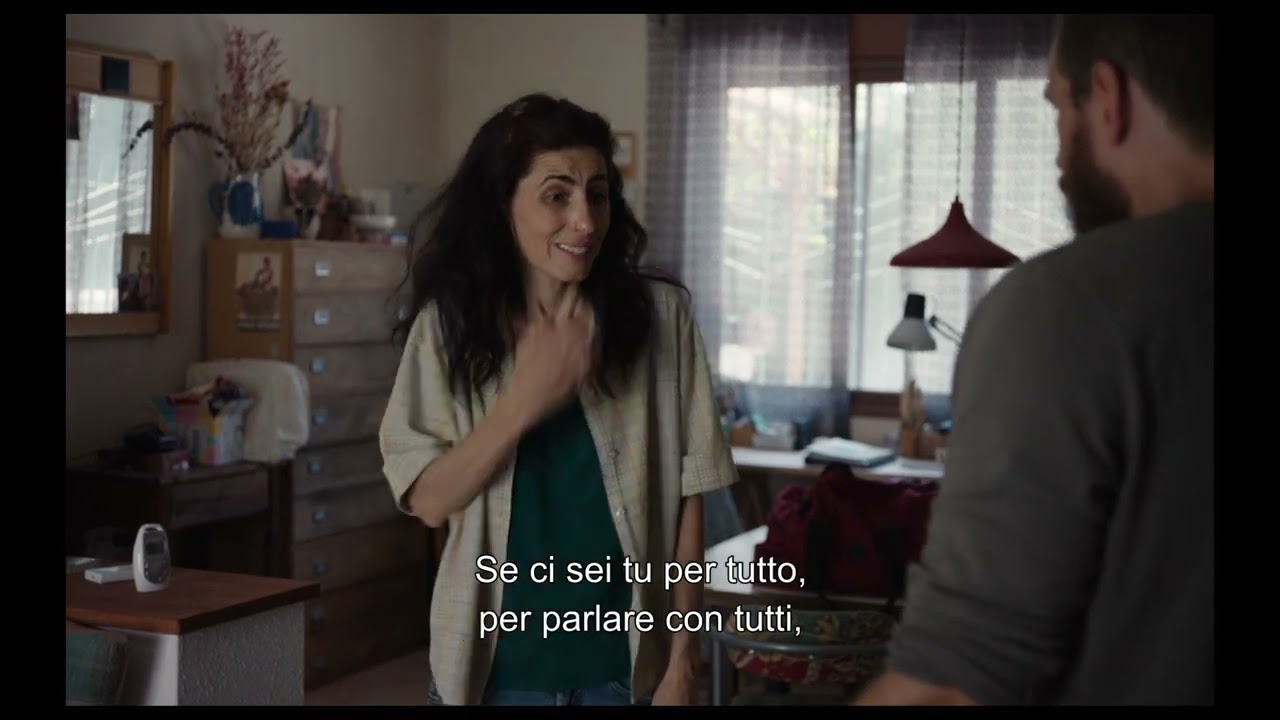
Motherhood Beyond Sound: A deeply human drama about identity, communication, and belonging
What happens when motherhood forces someone to rebuild every system they once used to navigate the world?
Deaf (Sorda) follows Ángela, a deaf woman whose pregnancy and transition into motherhood force her to confront fears surrounding connection, communication, identity, and belonging within a society still inadequately adapted for deaf individuals. Directed by Eva Libertad and adapted from her acclaimed short film of the same name, the movie blends family drama, disability representation, emotional realism, relationship dynamics, and social commentary into an intimate portrait of modern parenthood. Through Ángela and her hearing partner Héctor, the story explores motherhood, accessibility, communication barriers, emotional isolation, identity, marriage, and societal inclusion. Its naturalistic storytelling and authentic representation strengthen the film’s emotional power throughout. Ultimately, the film becomes both a family drama and a reflection on how parenthood reshapes identity while exposing the invisible barriers that still exist within everyday life.
➡️ Implication: Contemporary social dramas increasingly explore disability through authentic lived experiences rather than inspirational stereotypes.
Why It Is Trending: Audiences are embracing authentic disability representation and emotionally honest parenthood stories
Modern audiences increasingly support films that portray underrepresented experiences through emotional authenticity and human complexity.
The film gained significant attention because it offers a rare portrayal of deaf motherhood from an authentic perspective. Viewers strongly connected with its exploration of communication barriers, emotional vulnerability, family dynamics, and societal exclusion. The story resonates not only with deaf communities but also with parents who recognize the universal fears and uncertainties that accompany raising a child. Its emotionally grounded approach avoids sentimentality while highlighting genuine challenges surrounding accessibility and inclusion. The film’s combination of social relevance and emotional intimacy further strengthened audience engagement internationally.
➡️ Implication: Authentic representation and emotionally nuanced storytelling increasingly drive audience interest in contemporary dramas.
Elements Driving the Trend: Motherhood, accessibility, and emotional vulnerability
The film builds emotional impact through everyday experiences that reveal larger societal barriers.
Ángela represents a woman forced to continually adapt within environments not designed for her needs. The arrival of her child disrupts the support systems she carefully built throughout her life, creating new emotional and practical challenges. Themes surrounding motherhood, communication, accessibility, identity, isolation, and inclusion strengthen the narrative’s emotional depth considerably. The film also highlights the tension between independence and vulnerability during major life transitions. Together, these elements create a powerful and emotionally resonant human drama.
➡️ Implication: Social dramas increasingly succeed by connecting personal experiences to broader conversations about inclusion and belonging.
Virality of Movie (Social Media Coverage): Conversations fueled by representation, empathy, and emotional authenticity
The film generated substantial discussion because of its authentic portrayal of deaf experiences and parenthood.
Online reactions frequently praised the film for portraying deafness as a lived reality rather than a narrative device. Many viewers highlighted the emotional complexity of Ángela’s journey and the realistic depiction of communication barriers in healthcare, parenting, and social situations. Discussions also focused on the chemistry between the central couple and the film’s exploration of how families adapt when individuals experience the world differently. Audiences consistently praised its empathy, nuance, and emotional honesty. These conversations significantly expanded the film’s visibility beyond traditional arthouse audiences.
➡️ Implication: Representation-centered films increasingly generate strong audience engagement through authenticity and emotional nuance.
Critics Reception: Widespread acclaim for authenticity, performances, and emotional intelligence
Critical reception strongly highlighted the film’s emotional honesty and authentic representation.
Reviewers praised the film for avoiding clichés often associated with disability-centered narratives. Critics frequently emphasized Miriam Garlo’s performance, noting the emotional authenticity she brings through her lived experience as a deaf actress. Many reviews also highlighted the nuanced portrayal of marriage, parenting, and social integration without reducing characters to symbols or educational devices. The film’s observational style, emotional restraint, and attention to everyday realities received particular praise. Critics consistently described the project as compassionate, human, and emotionally immersive.
➡️ Implication: Contemporary critics increasingly reward films that combine social relevance with emotional complexity and authentic representation.
Awards and Recognitions: One of the most celebrated Spanish films of 2025
Deaf became one of the most awarded Spanish films of the year, accumulating 39 wins and 38 nominations across major international festivals and industry awards. Its most prestigious recognition came at the Berlin International Film Festival, where Eva Libertad won both the Panorama Audience Award and the C.I.C.A.E. Award, signaling strong critical and audience support.
The film achieved major success at the Málaga Spanish Film Festival, winning the Golden Biznaga for Best Spanish Film, the Audience Award, and acting prizes for both Miriam Garlo and Álvaro Cervantes. It further strengthened its reputation at the Goya Awards, where Garlo won Best New Actress and Cervantes won Best Supporting Actor, while the film also earned a nomination for Best Film.
Additional major recognition came from the Gaudí Awards, where Libertad won Best Director and Best Adapted Screenplay, and from the Platino Awards, where the film won Best First Film and Best Supporting Actor. These achievements established Deaf as one of the most significant Spanish debut features of recent years.
➡️ Implication: Films centered on authentic representation and lived experience are increasingly receiving both critical acclaim and major awards recognition.
Director and Cast: Authentic performances shaped by lived experience, family dynamics, and emotional realism
Directed by Eva Libertad, the film prioritizes authenticity, emotional intimacy, and lived experience over conventional melodrama or issue-driven storytelling.
Miriam Garlo anchors the narrative through Ángela, a deaf woman navigating motherhood, identity, vulnerability, and social exclusion. Garlo’s performance carries extraordinary emotional authenticity because her experiences closely mirror those of the character she portrays. Her portrayal captures strength, frustration, love, insecurity, resilience, and emotional exhaustion while avoiding sentimentality or victimization. Through subtle expressions and physical communication, she creates a deeply human portrait of a mother struggling to maintain connection within a world not fully designed for her needs.
Álvaro Cervantes strengthens the film through Héctor, Ángela’s hearing husband, who serves as both emotional partner and bridge between two worlds. His performance balances support, compassion, confusion, and emotional strain as the couple confronts the challenges of raising a child together. The chemistry between Garlo and Cervantes creates a believable and emotionally layered marriage that forms the heart of the film. Their relationship never feels symbolic or idealized, instead reflecting the everyday complexities of partnership, communication, and parenting.
Supporting performances from Elena Irureta and Joaquín Notario reinforce the family dynamics surrounding Ángela’s journey. Libertad directs the ensemble with remarkable restraint, allowing emotions to emerge naturally through everyday interactions, silences, misunderstandings, and moments of tenderness. The film’s use of Spanish Sign Language alongside spoken language further deepens its realism and immersive emotional perspective.
➡️ Implication: Contemporary social dramas increasingly achieve emotional impact through authentic casting and lived-experience representation.
Conclusion: A powerful drama about motherhood, communication, and the right to belong
Deaf transforms the experience of motherhood into a profound exploration of identity, communication, accessibility, and emotional resilience. Its intimate storytelling and emotionally authentic performances create a deeply moving viewing experience rooted in family, vulnerability, love, and self-discovery. Eva Libertad approaches disability not as a limitation but as a perspective through which larger questions of belonging and inclusion can be explored. Miriam Garlo delivers a breakthrough performance balancing strength, insecurity, tenderness, and determination, while Álvaro Cervantes provides an emotionally grounded counterpart. Its themes of motherhood, accessibility, communication, emotional connection, and social inclusion remain highly relevant within contemporary conversations surrounding representation and equality. Ultimately, the film becomes both a family drama and a reflection on how every individual deserves to experience parenthood, love, and community without being excluded by systems that fail to accommodate human diversity.
➡️ Implication: Authentic representation and emotionally grounded storytelling will continue shaping the future of socially conscious cinema.
What Movie Trend Is Followed: Disability-perspective dramas exploring inclusion, identity, and everyday human experiences
Deaf follows the growing trend of socially conscious dramas that portray disability through authentic lived experiences, emotional realism, and everyday challenges rather than inspirational narratives or simplistic portrayals of overcoming adversity.
Rather than treating deafness as a problem to be solved, the film explores how social structures, communication systems, and cultural expectations shape the experiences of disabled individuals navigating ordinary life events such as pregnancy, marriage, and parenthood. Similar contemporary films increasingly center marginalized perspectives while emphasizing universal emotional themes including family, belonging, identity, love, and self-worth. The movie also reflects broader audience demand for authentic representation created in collaboration with the communities being portrayed. Its intimate storytelling and observational realism strengthen the film’s emotional and cultural relevance throughout. This creates a deeply human drama where disability becomes part of life rather than the entirety of a character’s identity.
➡️ Implication: Contemporary cinema increasingly embraces authentic representation through character-driven stories grounded in lived experience.
Trend Drivers: Audience demand for authentic representation and emotional realism
Audiences increasingly support films that portray underrepresented communities with nuance, complexity, and authenticity.
Narratives centered on real-life experiences create stronger emotional engagement than stories relying on stereotypes or inspirational formulas. Viewers strongly connect with characters facing relatable struggles involving family, identity, relationships, and belonging regardless of disability status. The blending of social relevance and emotional intimacy also strengthens critical and audience appeal considerably. These stories resonate because they reveal universal human experiences through perspectives rarely explored on screen.
➡️ Implication: Authenticity increasingly drives engagement across contemporary social and family dramas.
What Is Influencing Trend: Expansion of inclusion-focused storytelling
Modern filmmakers increasingly seek to broaden representation by centering voices traditionally excluded from mainstream narratives.
Contemporary dramas now focus heavily on accessibility, communication, identity, inclusion, and lived experience while avoiding simplistic portrayals of disability. Audiences and critics increasingly reward projects that provide authentic perspectives and meaningful representation. The industry is also embracing performers whose lived experiences align with the characters they portray. This storytelling approach reflects a broader movement toward inclusivity and cultural authenticity within global cinema.
➡️ Implication: Inclusive storytelling continues becoming a defining feature of contemporary dramatic filmmaking.
Macro Trends Influencing: Visibility, accessibility, and social inclusion
Contemporary culture increasingly prioritizes conversations surrounding accessibility, representation, and equal participation.
Audiences strongly support stories examining how institutions and social systems either include or exclude individuals from full participation in society. Modern dramas also increasingly explore invisible barriers affecting everyday experiences rather than focusing solely on dramatic forms of discrimination. These narratives reflect broader conversations surrounding diversity, inclusion, communication access, and social equity. The trend strongly supports films that humanize systemic issues through personal stories.
➡️ Implication: Accessibility and inclusion continue emerging as major themes within contemporary global cinema.
Consumer Trends Influencing: Preference for emotionally intelligent and socially meaningful storytelling
Modern audiences increasingly seek films that combine emotional depth with cultural relevance.
Viewers strongly engage with stories exploring family, identity, belonging, communication, and personal resilience through authentic human experiences. Audiences also increasingly support films that expand understanding of communities and perspectives different from their own. Younger viewers especially value representation, empathy, and social awareness within storytelling. These trends strongly support emotionally grounded social dramas.
➡️ Implication: Socially meaningful storytelling increasingly strengthens audience engagement and critical acclaim.
Audience Analysis: Viewers drawn to authentic representation, family drama, and human connection
The film mainly appeals to viewers aged 25–65 interested in social dramas, family stories, disability representation, and emotionally realistic cinema.
These audiences value authenticity, emotional intelligence, social relevance, strong performances, and character-driven narratives. Fans of intimate family dramas will strongly connect with Ángela’s journey through pregnancy, motherhood, and personal identity. Festival audiences especially engage with the movie’s exploration of communication, accessibility, and inclusion. The film’s universal emotional themes allow it to resonate far beyond disability-focused audiences.
➡️ Implication: Authentic human stories continue attracting audiences seeking empathy, representation, and emotional depth.
Conclusion: A drama trend where inclusion is explored through everyday life
The trend reflected in Deaf shows how contemporary cinema increasingly examines accessibility, disability, and inclusion through ordinary human experiences rather than exceptional circumstances. These narratives resonate because they prioritize authenticity, emotional realism, and lived experience over inspirational simplification or social messaging alone. Characters navigating everyday challenges create deeper audience empathy and understanding. The rise of disability-perspective dramas also reflects broader cultural interest in representation, accessibility, and social inclusion. These projects succeed through emotional honesty, authentic performances, and universal human themes. Ultimately, the trend represents a broader movement toward inclusive storytelling shaped by empathy, realism, and meaningful representation.
➡️ Implication: Authentic disability-perspective dramas will continue shaping the future of socially conscious cinema.
Final Verdict: A deeply human drama about motherhood, communication, and the invisible barriers of everyday life
Deaf succeeds because it transforms the experience of motherhood into a powerful exploration of identity, accessibility, communication, and belonging. Instead of presenting deafness as a limitation to overcome, the film embraces emotional realism, lived experience, and everyday challenges as the central forces shaping its narrative. Eva Libertad creates an intimate family drama driven by vulnerability, resilience, love, frustration, and emotional adaptation. The film’s observational style and authentic performances strengthen its emotional impact throughout. Its themes of parenthood, disability, inclusion, emotional connection, and personal identity create a deeply affecting and socially relevant viewing experience. Ultimately, the film becomes both a family drama and a reflection on how society often fails to accommodate difference while expecting individuals to adapt alone.
➡️ Implication: Contemporary social dramas increasingly redefine representation through authenticity, lived experience, and emotional realism.
Audience Relevance: Appeals to viewers seeking authentic representation and emotionally intelligent storytelling
The film strongly connects with audiences drawn to intimate family dramas and socially conscious cinema.
Its themes of motherhood, communication, vulnerability, and belonging create strong emotional engagement beneath the narrative. Viewers interested in authentic disability representation and emotionally realistic character studies will connect with the project’s nuanced portrayal of family life and personal identity. The film’s emotional honesty and universal human themes strengthen audience immersion considerably. This creates strong appeal across both arthouse and mainstream audiences.
➡️ Implication: Authentic representation increasingly attracts audiences seeking emotional depth and social relevance.
What Is the Message of Movie: Inclusion begins when society adapts rather than expecting individuals to adapt alone
The film explores how communication and accessibility are collective responsibilities rather than individual burdens.
Ángela’s journey reflects the challenges faced when social systems fail to accommodate diverse experiences and needs. The narrative suggests that true inclusion requires empathy, awareness, and structural change rather than expecting marginalized individuals to constantly adjust. Parenthood further exposes the limitations of environments not designed with accessibility in mind. The film ultimately portrays belonging as something created through mutual understanding rather than individual endurance.
➡️ Implication: Modern social dramas increasingly examine inclusion through everyday lived experiences rather than abstract social debates.
Relevance to Audience: Reflects contemporary conversations surrounding accessibility and belonging
The film resonates because its emotional themes feel increasingly relevant within modern society.
Audiences strongly connect with stories exploring communication barriers, identity, parenting, social participation, and emotional resilience. The narrative also reflects broader conversations surrounding disability rights, accessibility, representation, and social inclusion. Its emotionally grounded perspective allows viewers to better understand challenges often overlooked in everyday life. This relevance strengthens the film’s cultural impact considerably.
➡️ Implication: Accessibility and inclusion continue emerging as central themes within contemporary cinema.
Social Relevance: A reflection on invisible barriers within modern society
The film examines how everyday environments can unintentionally exclude individuals from full participation.
Its portrayal of healthcare, parenting groups, social interactions, and family life highlights the subtle ways communication barriers affect emotional well-being and social integration. The story also explores how relationships are shaped when people experience the world differently. Rather than focusing on dramatic discrimination, the film reveals how exclusion often emerges through routine situations and institutional habits. This gives the drama deeper social resonance beneath its intimate family narrative.
➡️ Implication: Contemporary social dramas increasingly explore systemic barriers through personal and emotionally grounded storytelling.
Performance: Authentic performances create extraordinary emotional impact
The performances provide the emotional foundation for the film’s success.
Miriam Garlo delivers a breakthrough performance balancing strength, vulnerability, frustration, love, and determination with remarkable authenticity. Her portrayal earned major recognition including the Goya Award for Best New Actress. Álvaro Cervantes strengthens the narrative through a nuanced portrayal of Héctor, earning recognition including the Goya Award for Best Supporting Actor. Supporting performances from Elena Irureta and Joaquín Notario further reinforce the emotional realism of the family dynamic. Together, the cast creates a deeply believable and emotionally immersive experience.
➡️ Implication: Authentic casting and lived-experience performances increasingly define socially conscious cinema.
Legacy: Part of the rise of authentic disability-centered storytelling
The film aligns with the growing expansion of dramas centered on authentic representation and lived experience.
Its focus on accessibility, communication, motherhood, and inclusion reflects audience demand for stories that move beyond stereotypes and simplistic narratives. The project also strengthens the visibility of deaf performers and disability-centered storytelling within mainstream cinema. Given its extensive awards recognition and critical acclaim, the film is likely to remain an important reference point within contemporary Spanish cinema.
➡️ Implication: Authentic disability representation continues reshaping contemporary film culture.
Success: Defined by authenticity, emotional honesty, and critical acclaim
The film’s success comes primarily through emotional authenticity and meaningful representation.
Audience engagement is driven by the movie’s relatable family dynamics, emotional realism, social relevance, and authentic portrayal of deaf experiences. Critics and festival audiences strongly responded to its honesty, empathy, and refusal to reduce characters to symbols. The film succeeds through humanity, representation, and emotional intelligence. Its remarkable achievement of 39 wins and 38 nominations further reinforces its cultural and artistic impact.
➡️ Implication: Emotionally authentic and socially relevant storytelling increasingly drives both critical and audience success.
Insights: The film transforms motherhood into a powerful exploration of communication, accessibility, identity, and belonging.Industry Insight: Contemporary cinema increasingly rewards authentic representation and lived-experience storytelling.Audience Insight: Viewers strongly connect with emotionally honest narratives that reveal overlooked everyday realities.Social Insight: The story highlights how invisible communication barriers continue shaping participation, inclusion, and emotional well-being.Cultural Insight: Disability-centered dramas are increasingly moving beyond awareness toward authentic human storytelling.
Conclusion: A moving portrait of motherhood, inclusion, and human connection
Deaf works because it approaches disability, parenthood, and identity through emotional honesty, authenticity, and lived experience rather than sentimentality or social messaging alone. Its intimate storytelling and powerful performances create a deeply affecting viewing experience rooted in love, vulnerability, resilience, and belonging. Eva Libertad explores accessibility through human relationships shaped by empathy, communication, and adaptation. Miriam Garlo and Álvaro Cervantes anchor the film through performances balancing tenderness, frustration, strength, and emotional growth. Its themes of motherhood, inclusion, communication, family, and identity remain highly relevant within contemporary conversations surrounding equality and representation. Ultimately, the film becomes both a family drama and a reflection on how meaningful inclusion begins when society learns to listen, adapt, and value every way of experiencing the world.
➡️ Implication: Authentic representation and emotionally grounded storytelling will continue shaping the future of socially conscious cinema.
Summary of the Movie: A powerful drama about motherhood, accessibility, and the universal need for connection
• Movie themes: Motherhood, disability, communication, accessibility, identity, belonging, marriage, emotional resilience, and social inclusion — the film explores how a deaf mother navigates parenting, relationships, and self-identity within a society that often overlooks the needs of the hearing-impaired. ➡️ Implication: Contemporary social dramas increasingly use personal stories to explore broader issues of accessibility and inclusion.
• Movie director: Eva Libertad delivers a deeply authentic and emotionally intelligent debut feature blending family drama, disability representation, and intimate social realism.➡️ Implication: Emerging filmmakers increasingly gain recognition through authentic lived-experience storytelling.
• Top casting: Miriam Garlo leads alongside Álvaro Cervantes, supported by Elena Irureta and Joaquín Notario. Their emotionally grounded performances create a believable portrait of family life, communication challenges, and unconditional love. ➡️ Implication: Authentic and naturalistic performances increasingly define socially conscious cinema.
• Awards and recognition: The film became one of the most celebrated Spanish films of 2025–2026, earning 39 wins and 38 nominations. Its most important achievements include the Panorama Audience Award and C.I.C.A.E. Award at the Berlin International Film Festival, the Golden Biznaga for Best Spanish Film at the Málaga Spanish Film Festival, Best New Actress for Miriam Garlo and Best Supporting Actor for Álvaro Cervantes at the Goya Awards, and Best Director and Best Adapted Screenplay for Eva Libertad at the Gaudí Awards. ➡️ Implication: Authentic representation is increasingly receiving major critical and industry recognition.
• Why to watch movie: A compelling choice for viewers interested in emotionally powerful family dramas, authentic disability representation, motherhood narratives, and socially relevant storytelling.➡️ Implication: Human-centered stories continue resonating across both mainstream and arthouse audiences.
• Key success factors: Authentic casting, emotional realism, lived experience, nuanced family dynamics, accessibility themes, powerful performances, and extensive festival acclaim.➡️ Implication: Emotional authenticity increasingly drives both audience engagement and awards success.
• Where to watch: Released in Spain on April 4, 2025, produced by Distinto Films, Nexus CreaFilms, and A Contracorriente Films. ➡️ Implication: Spanish cinema continues producing internationally recognized socially conscious dramas.
Conclusion: A landmark film about motherhood, communication, and belonging
Deaf transforms the experience of deaf motherhood into a profoundly moving exploration of identity, accessibility, communication, and human connection. Its intimate storytelling and emotionally authentic performances create a deeply immersive viewing experience rooted in love, vulnerability, resilience, and personal growth. Eva Libertad approaches disability through lived reality rather than symbolism, allowing universal themes of family and belonging to emerge naturally. Miriam Garlo delivers one of the standout breakthrough performances in recent Spanish cinema, supported by the equally compelling work of Álvaro Cervantes. Its themes of motherhood, inclusion, communication, accessibility, and emotional connection remain highly relevant within contemporary discussions surrounding representation and equality. Ultimately, the film becomes both a family drama and a powerful reminder that genuine inclusion requires society to adapt, listen, and value every person’s experience equally.
➡️ Implication: Authentic disability-perspective dramas will continue shaping the future of socially conscious and emotionally resonant cinema.






Leave a Reply