


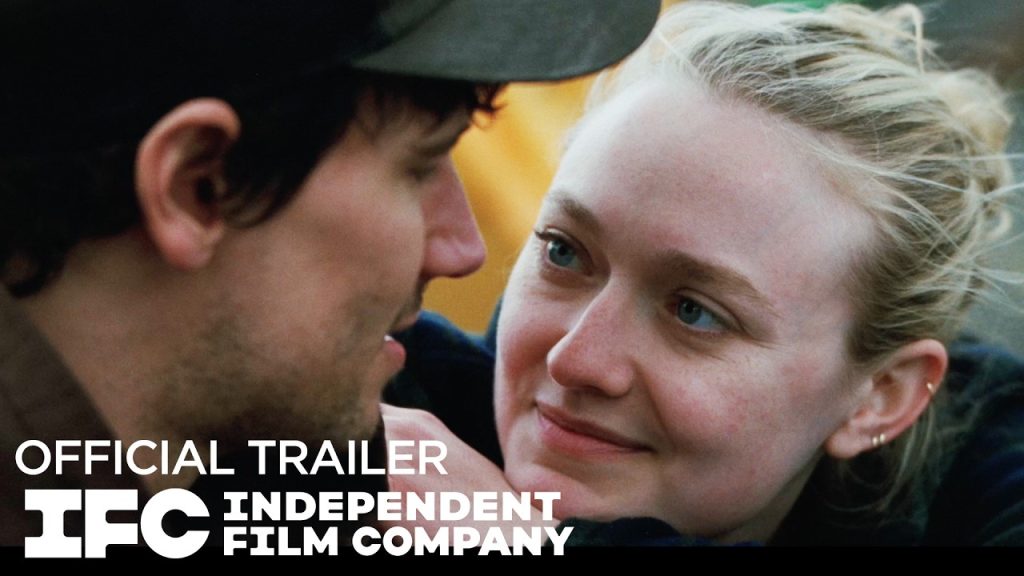
US | 2026 | 102 min | Drama, Romance
A Woman Caught Between Her Older Boyfriend and Her Returning Ex Struggles to Decide What She Really Wants
Joe Swanberg’s The Sun Never Sets follows Wendy (Dakota Fanning), a woman living in Anchorage, Alaska, whose relationship with Jack (Jake Johnson), an older divorced father of two, becomes increasingly complicated when their expectations about marriage and children diverge. Jack proposes a temporary separation, encouraging Wendy to reconsider what she wants from her future. However, the unexpected return of her former boyfriend Chuck (Cory Michael Smith) disrupts their arrangement, creating overlapping romantic relationships marked by jealousy, attraction and uncertainty. Against the backdrop of Alaska’s extended summer daylight, Wendy must navigate the tension between emotional attachment, personal freedom and long-term compatibility, questioning whether romantic happiness depends on following her feelings or making more practical choices.
➡️ Storyline: Established Relationship → Conflicting Life Goals → Temporary Separation → Return of an Ex-Boyfriend → Romantic Entanglements → Emotional Uncertainty → Reassessment of Personal Priorities.
Why to Watch The Sun Never Sets: The Complicated Balance Between Love and Life Choices
The film combines naturalistic performances, emotionally complex relationships and a distinctive Alaskan setting to explore the challenges of finding romantic fulfillment without compromising personal aspirations.
|
1. Joe Swanberg’s Creative Vision |
The mumblecore pioneer brings his characteristic conversational storytelling and intimate observations of human behavior to adult romantic relationships. |
|
2. Dakota Fanning’s Performance |
Fanning’s portrayal of Wendy’s vulnerability, intelligence and emotional indecision received particularly strong critical praise from IndieWire. |
|
3. Provocative Relationship Themes |
Age-gap relationships, marriage, parenthood, commitment and romantic compatibility create recognizable contemporary dilemmas. |
|
4. Distinctive Alaskan Setting |
Anchorage’s landscapes and prolonged summer daylight provide an atmospheric backdrop that reinforces the characters’ ongoing emotional uncertainty. |
|
5. Unconventional Romantic Storytelling |
Overlapping love triangles challenge the traditional romantic formula by questioning whether any relationship can satisfy every emotional and practical need. |
➡️ Reason to Watch: An intimate romantic drama that explores the uncomfortable reality of choosing between emotional attraction and the future one wants to build.
Why The Sun Never Sets Stands Out: Romance Without Easy Answers
Rather than presenting romance as a straightforward choice between a dependable partner and an exciting former lover, Swanberg creates characters whose priorities continually evolve in response to changing circumstances. Jack’s reluctance to expand his family, Wendy’s uncertainty about her future and Chuck’s personal instability introduce practical considerations into their emotional relationships. The Alaskan setting adds a distinctive visual identity, while the naturalistic dialogue allows contradictory feelings and uncomfortable conversations to shape the narrative.
➡️ Why It Stands Out: The film treats romantic compatibility as an evolving negotiation between emotional fulfillment and practical life expectations rather than a simple question of attraction.
Movie Trend: Modern Relationship Dramas — Moving Beyond Idealized Romantic Narratives
Modern Relationship Dramas explore the increasingly complex dynamics of adult intimacy, where love alone may not resolve disagreements about independence, commitment, family and personal ambitions. The Sun Never Sets demonstrates this storytelling direction by replacing conventional romantic certainty with overlapping relationships, changing expectations and emotionally contradictory decisions. Its characters are neither straightforward heroes nor villains but individuals attempting to reconcile what they feel with what they believe they need. This approach creates a more psychologically layered romantic narrative in which personal growth becomes as important as finding a partner.
➡️ Movie Trend Insight: Contemporary romantic storytelling can generate emotional engagement by exploring the complexity of maintaining relationships rather than simply establishing them.
Broad Trend: Emotional Pragmatism — Balancing Romantic Desires With Long-Term Compatibility
Emotional Pragmatism reflects the desire to balance feelings with practical considerations when making significant personal decisions. Across relationships, careers, lifestyle choices and consumption, immediate emotional satisfaction can compete with longer-term priorities such as stability, independence and security. Wendy’s romantic dilemma illustrates this tension through conflicting expectations surrounding marriage, children and personal fulfillment. The film also reveals the limitations of purely rational decision-making: practical compatibility does not automatically create emotional satisfaction, just as intense attraction does not guarantee a sustainable relationship.
➡️ Broad Trend Insight: Emotional fulfillment increasingly involves negotiating the relationship between what feels desirable today and what remains compatible with tomorrow’s aspirations.
Viewer Profile: Audiences Seeking Emotionally Authentic Romantic Stories
The film may appeal particularly to viewers who appreciate psychologically complex characters, realistic relationship dynamics and independent cinema that challenges conventional romantic expectations.
|
Independent film enthusiasts and viewers interested in contemporary romantic and relationship dramas. |
|
|
Potentially stronger relevance among Millennials, Gen X and younger adults navigating long-term relationship decisions. |
|
|
Individuals interested in personal development, emotional well-being, relationships and alternative approaches to adulthood. |
|
|
Character-driven dramas, naturalistic performances, conversational storytelling and unconventional romance. |
|
|
Exploring how people navigate conflicting romantic desires, personal priorities and expectations about the future. |
|
|
Festival coverage, independent cinema recommendations, critical reviews and interest in Dakota Fanning or Joe Swanberg. |
|
|
Emotional recognition, self-reflection, empathy and reassurance that relationship uncertainty is a recognizable human experience. |
Key Profiles: Three Audiences, Three Reasons to Watch
1. Modern Romance Explorers
Viewers interested in contemporary dating, commitment and evolving relationship expectations may connect with the film’s exploration of age-gap relationships, overlapping romantic attachments and conflicting life goals. Their primary motivation is discovering emotionally recognizable stories that challenge traditional definitions of romantic success.
2. Emotionally Reflective Adults
Audiences navigating significant personal or relationship decisions may find relevance in Wendy’s struggle to balance emotional attachment with long-term compatibility. Their motivation extends beyond entertainment toward self-reflection and a deeper understanding of the compromises involved in building a fulfilling life.
3. Independent Cinema Enthusiasts
Followers of Joe Swanberg, mumblecore cinema and character-driven independent films may appreciate the naturalistic dialogue, unconventional narrative structure and emphasis on imperfect human behavior. Dakota Fanning’s critically praised performance and the Alaskan setting provide additional creative attractions.
➡️ Audience Insight: The film’s strongest audience opportunity lies in combining romantic storytelling with emotional recognition, psychological complexity and reflection on practical life choices.
What This Movie Means for the Industry: Making Romantic Storytelling More Relevant to Adult Life
The Sun Never Sets illustrates a creative opportunity for romantic cinema to move beyond idealized relationships and explore the practical realities of contemporary adulthood. Marriage, parenthood, financial stability, independence and personal ambitions can become meaningful sources of dramatic tension rather than secondary narrative elements. Recognizable actors and distinctive settings can also help character-driven independent films reach audiences beyond specialist festival circuits. However, the contrast between positive critical reviews and mixed IMDb reception highlights the challenge of balancing emotional realism with satisfying narrative progression.
➡️ Industry Insight: Romantic dramas can strengthen their contemporary relevance by treating love as part of a broader negotiation between emotional needs, personal aspirations and practical realities.
Final Verdict: An Emotionally Complex Romance That Challenges the Idea of the Perfect Partner
Joe Swanberg’s The Sun Never Sets offers a naturalistic exploration of adult relationships through conflicting desires, changing expectations and imperfect romantic choices. Dakota Fanning’s critically praised performance and the distinctive Alaskan setting strengthen its creative identity, while its willingness to question conventional romantic resolutions distinguishes it from more formulaic genre productions. Nevertheless, the mixed audience reception suggests that prolonged emotional indecision and recurring relationship conflicts may reduce its appeal among viewers seeking clearer narrative progression.
➡️ Final Verdict: A thoughtful romantic drama that prioritizes emotional complexity over conventional romantic satisfaction. Its psychological realism and nuanced central performance are compelling, although its recurring conflicts may test some viewers’ patience. It is particularly suited to audiences interested in independent cinema, contemporary relationships and character-driven storytelling.
Final Insights: Love Is Becoming a Negotiation Between Emotional Fulfillment and Practical Compatibility
Emotional Pragmatism highlights the tension between immediate emotional desires and the longer-term consequences of personal decisions. The Sun Never Sets illustrates how romantic relationships become more complicated when individuals must reconcile attraction, commitment, independence and different visions of the future.
Modern Relationship Dramas translate this tension into intimate stories that challenge conventional ideas about romantic happiness. The creative opportunity lies in exploring not simply who people want to love, but how relationships fit into the lives they want to build.
➡️ Final Insight: Emotional Pragmatism → Modern Relationship Dramas → Balancing Romantic Fulfillment With Long-Term Compatibility. Emotional attraction becomes only one dimension of a broader search for personal happiness. The opportunity for contemporary romantic cinema lies in transforming these conflicting priorities into authentic, psychologically engaging storytelling.