


A Coming-of-Age Drama About Adolescence, Identity, and the Power of First Love
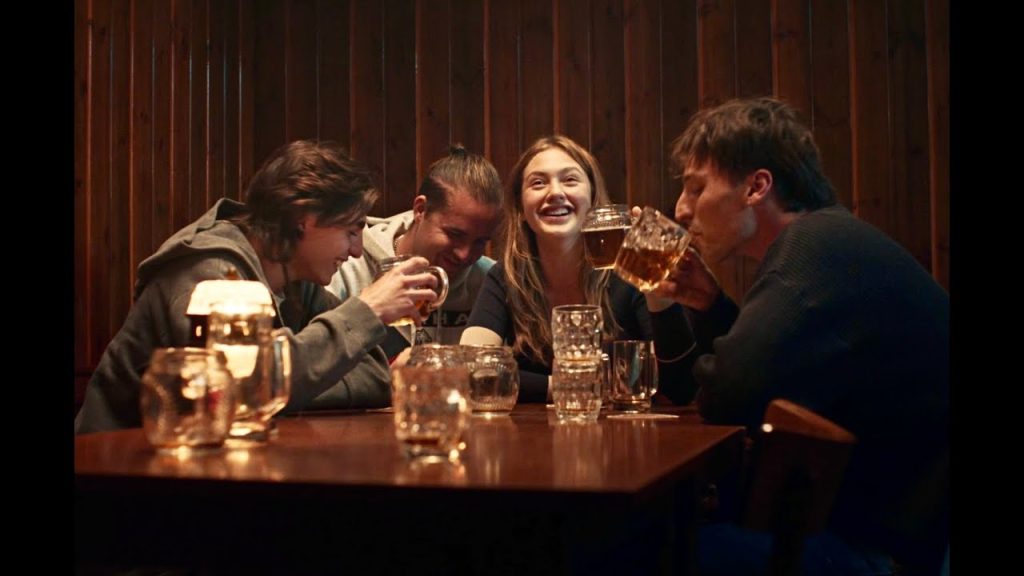
Set in Trieste in 2007, Un anno di scuola (A Year of School) follows Fred Sjöberg, a teenager who relocates with her father and enrolls in a technical high school where she becomes the only girl in an otherwise all-male class. Her arrival immediately disrupts the quiet routine of classmates Antero, Pasini, and Mitis, whose friendship is gradually transformed by first love, jealousy, insecurity, and the emotional uncertainty of adolescence.
Rather than presenting a conventional teenage romance, director Laura Samani explores the fragile transition between youth and adulthood with remarkable sensitivity. Through authentic performances and understated storytelling, Un anno di scuola captures the awkwardness, emotional intensity, and quiet discoveries that define one pivotal year of growing up, creating a deeply human portrait of friendship, desire, and self-discovery.
➡️ Key Takeaway: Un anno di scuola transforms a familiar coming-of-age premise into an emotionally authentic portrait of adolescence, exploring how one school year can permanently shape identity, friendship, and first love.
Quick Facts: Everything You Need to Know
|
Coming of Age, First Love, Friendship, Adolescence, Identity |
|
|
Giani Stuparich, Laura Samani, Elisa Dondi |
|
|
Stella Wendick, Giacomo Covi, Pietro Giustolisi, Samuel Volturno, Magnus Krepper |
|
|
Nefertiti Film, Tomsa Films, Rai Cinema |
|
|
Italian, English, Swedish |
|
|
Venice Film Festival – Horizons Competition (2025) |
|
|
4 wins, 5 nominations. Venice Film Festival (2025) — Winner: Horizons Award – Best Actor (Giacomo Covi); Winner: Authors Under 40 Award – Best Director (Laura Samani); Winner: NuovoImaie Talent Award – Best New Young Actors (Samuel Volturno, Giacomo Covi, Pietro Giustolisi); Winner: Magic Lantern Award (Laura Samani); Nominee: Venice Horizons Award – Best Film. |
➡️ Key Takeaway: Premiering at the 2025 Venice Film Festival, Un anno di scuola emerged as one of the year’s most acclaimed coming-of-age dramas, earning multiple Venice awards for its direction and breakthrough performances while establishing Laura Samani as one of Italy’s most promising contemporary filmmakers.
Should You Watch It?: An Emotionally Rich Coming-of-Age Drama That Captures the Complexity of Growing Up
If you appreciate intimate coming-of-age stories that prioritize authentic characters over melodrama, Un anno di scuola is well worth your time. Laura Samani crafts a deeply personal portrait of adolescence, using the seemingly simple premise of a new student entering an all-male classroom to explore universal themes of identity, friendship, belonging, and first love. Rather than relying on dramatic plot twists, the film finds its emotional power in the small moments that define growing up.
The film is particularly rewarding for viewers who enjoy European arthouse cinema, where subtle performances and emotional realism take precedence over fast-paced storytelling. With a cast of largely first-time actors delivering remarkably natural performances, Un anno di scuola offers a sincere and beautifully observed look at the uncertainties of youth, making it one of the more emotionally resonant coming-of-age dramas of recent years.
➡️ Key Takeaway: Un anno di scuola is highly recommended for viewers who appreciate thoughtful coming-of-age cinema that explores adolescence with honesty, sensitivity, and emotional authenticity.
Why Everyone Is Talking About It: A Fresh Voice in Contemporary European Coming-of-Age Cinema
Since premiering in the Venice Film Festival’s Horizons competition, Un anno di scuola has attracted critical attention for its remarkably authentic portrayal of teenage life. Laura Samani avoids familiar coming-of-age clichés, instead presenting adolescence as a period of quiet emotional discovery where friendships, first love, and personal identity evolve through everyday experiences. This understated approach has resonated strongly with critics and festival audiences alike.
The film has also become a talking point because of its impressive ensemble of mostly first-time actors, whose natural performances give the story an unusual sense of realism. Multiple awards at the Venice Film Festival—including Best Actor for Giacomo Covi and Best Director (Authors Under 40) for Laura Samani—have further established the film as one of the standout European independent dramas of the year.
➡️ Key Takeaway: Un anno di scuola is earning recognition for its honest portrayal of adolescence, outstanding newcomer performances, and Laura Samani’s sensitive direction, positioning it as one of Europe’s most acclaimed coming-of-age dramas.
Movie Trend: Authentic Coming-of-Age Stories Are Redefining European Cinema
Across contemporary European cinema, filmmakers are increasingly moving away from heavily dramatized teenage stories in favor of quieter, emotionally authentic portraits of adolescence. Rather than focusing on sensational events, these films examine how ordinary experiences—friendships, first love, family relationships, and personal insecurity—shape identity during the transition into adulthood. Un anno di scuola exemplifies this growing movement by treating its young characters with empathy and emotional honesty instead of romanticizing or exaggerating their experiences.
Laura Samani also reflects another important trend: the discovery of new acting talent through non-traditional casting. By selecting performers with little or no previous acting experience, the film achieves a level of authenticity that reinforces its observational style. Combined with its festival success, Un anno di scuola demonstrates how European independent cinema continues to produce intimate, character-driven stories that resonate across cultures through their universal exploration of youth and self-discovery.
➡️ Key Takeaway: Un anno di scuola reflects the growing popularity of authentic coming-of-age dramas that favor emotional realism, emerging talent, and intimate storytelling over conventional teenage drama.
Who Should Watch It?: Viewers Who Appreciate Honest and Emotionally Authentic Coming-of-Age Stories
Audience Profile: Un anno di scuola is ideal for viewers who enjoy intimate coming-of-age dramas that focus on authentic emotions rather than dramatic plot twists. Its thoughtful exploration of adolescence, friendship, and first love makes it particularly appealing to audiences who appreciate realistic character studies and contemporary European cinema.
-
Core Audience: Fans of coming-of-age dramas and European independent films
-
Secondary Audience: Viewers interested in youth stories, literary adaptations, and festival cinema
-
Age: 16+
-
Gender: Broad audience
-
Income: All income levels
-
Lifestyle: Cinephiles, students, educators, and audiences who enjoy emotionally driven storytelling
-
Viewing Habits: Regular viewers of international films, film festival selections, and character-focused dramas
➡️ Key Takeaway: Un anno di scuola is best suited for viewers who appreciate quiet, emotionally intelligent stories that capture the beauty and uncertainty of growing up with honesty and compassion.
What This Movie Means for the Industry: A New Generation of European Filmmakers Is Redefining Coming-of-Age Cinema
With Un anno di scuola, Laura Samani continues the tradition of European filmmakers who treat adolescence with nuance and emotional sophistication. Rather than relying on nostalgia or exaggerated teenage conflict, the film presents young people as complex individuals navigating identity, desire, friendship, and social expectations. This approach reflects a broader movement within European cinema toward more authentic, character-driven storytelling.
The film also demonstrates the industry’s growing confidence in discovering new talent through unconventional casting methods. By working with largely first-time actors, Samani achieves remarkable naturalism that strengthens the film’s realism while introducing promising new performers to international audiences. Its strong reception at the Venice Film Festival further confirms the continuing importance of festivals as platforms for launching distinctive independent voices.
➡️ Key Takeaway: Un anno di scuola highlights how contemporary European cinema continues to evolve through authentic storytelling, emerging acting talent, and filmmakers who prioritize emotional truth over conventional genre formulas.
Creative Analysis: An Intimate Coming-of-Age Drama That Finds Extraordinary Meaning in Ordinary Adolescence
Rather than presenting adolescence through dramatic twists or heightened conflict, Un anno di scuola embraces the quiet emotional moments that shape a person’s identity. Laura Samani builds a deeply observational film where everyday interactions, first attractions, and evolving friendships become the foundation for a sensitive exploration of growing up. The result is a story that feels remarkably genuine because it allows emotions to develop naturally instead of forcing conventional dramatic beats.
This restrained storytelling approach gives the film a timeless quality. Although set in 2007, its themes of belonging, vulnerability, and self-discovery remain universally relatable, allowing audiences from different generations to recognize their own experiences within the characters’ emotional journeys.
➡️ Key Takeaway: Un anno di scuola demonstrates that the most powerful coming-of-age stories often emerge from quiet emotional honesty rather than dramatic spectacle.
Storytelling: A Quiet Exploration of Adolescence Through Everyday Moments
Laura Samani builds Un anno di scuola around the subtle emotional changes that define adolescence rather than dramatic plot twists. Fred’s arrival in an all-male classroom becomes the catalyst for a gradual transformation in the lives of Antero, Pasini, and Mitis, as friendship, attraction, jealousy, and self-discovery begin to reshape their relationships. The story unfolds with patience, allowing viewers to experience the emotional uncertainty of growing up through authentic conversations and everyday interactions.
Instead of presenting clear heroes or villains, the screenplay embraces the complexity of teenage emotions. Every character experiences moments of vulnerability, confusion, and personal growth, creating a coming-of-age story that feels honest and universally relatable. By focusing on emotional realism instead of conventional romantic drama, Un anno di scuola captures the awkward beauty of adolescence with remarkable authenticity.
➡️ Key Takeaway: The film’s greatest storytelling strength lies in its ability to transform ordinary teenage experiences into a deeply moving exploration of identity, friendship, and first love.
Direction: Laura Samani Brings Sensitivity and Authenticity to Every Scene
Laura Samani directs Un anno di scuola with remarkable restraint, trusting small gestures, meaningful silences, and natural performances to communicate the emotional lives of her characters. Rather than manipulating the audience with heightened drama, she creates an observational style that allows relationships to develop organically, making every emotional shift feel believable and earned.
Her direction also demonstrates a deep understanding of adolescence as a period filled with uncertainty and quiet transformation. By avoiding stereotypes and respecting the emotional intelligence of her young characters, Samani crafts a film that feels intimate, compassionate, and emotionally truthful, further establishing her distinctive voice within contemporary European cinema.
➡️ Key Takeaway: Laura Samani’s understated direction gives Un anno di scuola its emotional authenticity, proving that quiet observation can be more powerful than dramatic spectacle.
Performances: Remarkably Natural Acting Brings the Story to Life
One of the film’s greatest achievements is the authenticity of its young cast, many of whom had no previous acting experience before joining the production. Stella Wendick delivers a confident and nuanced performance as Fred, balancing curiosity, independence, and emotional vulnerability as she navigates an unfamiliar environment. Her presence naturally reshapes the dynamics within the classroom without ever feeling forced.
Giacomo Covi, Pietro Giustolisi, and Samuel Volturno create believable friendships that capture both the innocence and emotional confusion of adolescence. Their chemistry gives the film a documentary-like realism, while Giacomo Covi’s award-winning performance highlights the emotional depth achieved through the ensemble’s understated approach.
➡️ Key Takeaway: The cast’s natural performances create an extraordinary sense of realism, making the emotional experiences of adolescence feel honest, immediate, and universally recognizable.
Cinematography & Visual Style: Everyday Realism Creates Lasting Emotional Impact
The cinematography embraces a naturalistic visual style that reflects the film’s quiet emotional tone. Rather than relying on stylized imagery, Laura Samani uses authentic locations in Trieste and intimate framing to immerse audiences in the daily lives of her characters. The city’s streets, classrooms, and public spaces become an extension of the characters’ emotional journeys, reinforcing the story’s grounded realism.
This understated visual approach allows viewers to focus on subtle expressions, evolving relationships, and moments of quiet reflection. The simplicity of the cinematography complements the film’s observational storytelling, creating an atmosphere where ordinary moments gradually acquire extraordinary emotional significance.
➡️ Key Takeaway: Through naturalistic cinematography and understated visual storytelling, Un anno di scuola captures the emotional texture of adolescence with warmth, intimacy, and remarkable authenticity.
Themes & Messages: Growing Up Means Learning Who You Are and Who You Want to Become
At its heart, Un anno di scuola explores the universal process of discovering one’s identity during adolescence. As Fred and her classmates navigate friendship, attraction, insecurity, and social expectations, the film reveals how even seemingly ordinary experiences can permanently shape personal growth. Rather than presenting adolescence as either idealized or traumatic, it embraces its emotional complexity with empathy and honesty.
The story also reflects on belonging, change, and the impact that one new person can have on an established community. Fred’s arrival challenges the routines and assumptions of her classmates, encouraging each of them to confront their own insecurities while gradually redefining their understanding of friendship and love.
➡️ Key Takeaway: Un anno di scuola reminds us that adolescence is less about dramatic milestones than about the quiet emotional experiences that ultimately shape our identity and relationships.
What Makes This Movie Different?: A Coming-of-Age Story Told with Rare Honesty and Emotional Restraint
Many coming-of-age films rely on heightened drama, nostalgic sentimentality, or familiar romantic formulas, but Un anno di scuola distinguishes itself through its commitment to emotional realism. Laura Samani avoids easy resolutions and exaggerated conflicts, choosing instead to observe adolescence with patience, empathy, and remarkable psychological insight. This approach allows the film to feel both deeply personal and universally relatable.
Its use of largely first-time actors further enhances the authenticity of the story, while its success at the Venice Film Festival demonstrates the strength of its understated filmmaking. By finding emotional richness within ordinary experiences, Un anno di scuola offers a refreshing reminder that the most meaningful coming-of-age stories are often the quietest ones.
➡️ Key Takeaway: Un anno di scuola stands apart through its natural performances, observational storytelling, and deeply authentic portrayal of adolescence, making it one of the most emotionally sincere European coming-of-age dramas of recent years.
If You Liked Un anno di scuola: Three Recent Coming-of-Age Dramas That Capture the Complexity of Growing Up
Diciannove (2024): A Quiet Portrait of Youth, Identity, and Self-Discovery
Like Un anno di scuola, Diciannove explores the uncertainty of early adulthood through an intimate, character-driven lens. Both films avoid melodrama in favor of subtle emotional storytelling, focusing on young people searching for identity while navigating changing relationships and unfamiliar environments. Their restrained style allows ordinary moments to reveal extraordinary emotional depth.
Both films also reflect the strength of contemporary Italian cinema in portraying adolescence with honesty rather than nostalgia. Instead of offering easy answers, they invite viewers to experience the emotional confusion, vulnerability, and quiet personal growth that define the transition into adulthood.
Holy Electricity (2025): Finding Hope and Human Connection in Everyday Life
Although Holy Electricity approaches its story through gentle comedy rather than school drama, it shares Un anno di scuola’s fascination with ordinary people whose lives are transformed by unexpected encounters. Both films celebrate authentic relationships, understated performances, and the emotional richness hidden within everyday experiences.
Each film demonstrates how independent European cinema continues to prioritize empathy, realism, and character development over conventional dramatic formulas. Their observational storytelling creates an emotional intimacy that lingers long after the credits roll.
The Last One for the Road (2025): A Tender Exploration of Friendship and Growing Up
Like Un anno di scuola, The Last One for the Road examines the fragile emotions that emerge during life’s transitional moments. Both films emphasize friendship, self-discovery, and the quiet evolution of personal relationships, presenting adolescence and young adulthood with warmth, sensitivity, and emotional honesty rather than exaggerated conflict.
Viewers drawn to realistic performances and reflective storytelling will appreciate how both films transform everyday experiences into meaningful emotional journeys. Their shared commitment to authenticity makes them rewarding choices for audiences seeking thoughtful European coming-of-age cinema.
➡️ Key Takeaway: If Un anno di scuola resonates with you, these recent European dramas continue its exploration of adolescence, friendship, identity, and emotional growth through intimate, character-driven storytelling.
Viewing Recommendation: A Beautifully Observed Coming-of-Age Drama for Viewers Who Appreciate Emotional Authenticity
Best Suited For: Fans of Intimate European Coming-of-Age Cinema
Un anno di scuola is an excellent choice for viewers who appreciate thoughtful coming-of-age stories built around authentic emotions rather than dramatic plot twists. Its quiet storytelling and natural performances reward audiences who enjoy observing subtle changes in relationships and character development.
Highly Recommended For: Viewers Who Enjoy Character-Driven Festival Dramas
Fans of European arthouse cinema, literary adaptations, and emotionally grounded dramas will find much to admire in Laura Samani’s sensitive direction. The film’s observational style and realistic performances create an immersive portrait of adolescence that feels timeless despite its specific setting.
You May Want to Skip It If: You’re Looking for Fast-Paced Drama or Conventional Teen Romance
Those expecting a fast-moving romance or a highly dramatic school story may find Un anno di scuola’s measured pace too restrained. The film values atmosphere, emotional nuance, and quiet character development over major plot twists or heightened conflict.
Through its compassionate portrayal of adolescence, Un anno di scuola reminds audiences that life’s most important transformations often occur in the smallest moments. Laura Samani’s gentle direction and the cast’s remarkably natural performances combine to create a coming-of-age drama that feels both deeply personal and universally relatable.
➡️ Viewing Recommendation: Un anno di scuola is highly recommended for viewers seeking an emotionally authentic coming-of-age film that celebrates the beauty, uncertainty, and quiet transformation of growing up.
Final Verdict: One of the Year’s Most Authentic European Coming-of-Age Dramas
With Un anno di scuola, Laura Samani delivers a coming-of-age film that finds extraordinary emotional depth within ordinary teenage experiences. Through sensitive direction, remarkable newcomer performances, and an unwavering commitment to realism, the film captures the uncertainty of adolescence with honesty and compassion. Its festival success reflects not only its artistic achievement but also its universal emotional appeal.
Rather than relying on nostalgia or conventional teenage drama, Un anno di scuola embraces the complexity of growing up with empathy and restraint. The result is a beautifully observed European drama that quietly leaves a lasting impression, confirming Laura Samani as one of the most distinctive voices in contemporary Italian cinema.
➡️ Final Verdict: Un anno di scuola is a beautifully crafted coming-of-age drama whose emotional honesty, exceptional performances, and understated storytelling make it one of the standout European films of the year.