


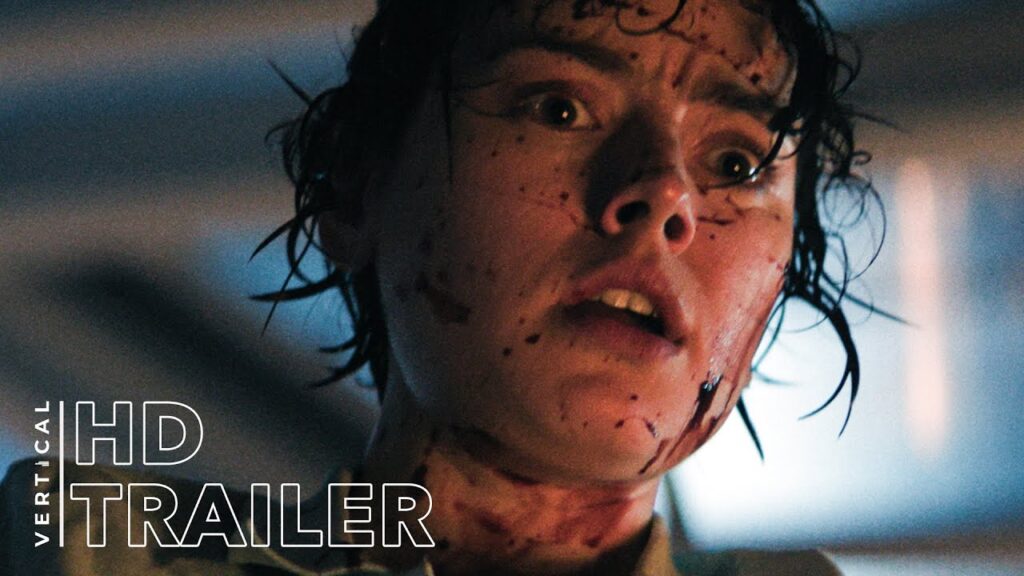
AU | US | 2024 | 95 min | Drama, Horror, Thriller
The Zombie Apocalypse Becomes a Journey Through Grief
After a catastrophic military experiment devastates Tasmania, Ava enters the quarantine zone for one deeply personal reason: her husband Mitch is missing. She volunteers with a body retrieval unit hoping to discover what happened to him, but the mission becomes increasingly terrifying when some of the corpses begin showing signs of life.
Zak Hilditch uses that familiar zombie setup to build something more melancholy than a conventional survival movie. Ava is traveling through a landscape filled with the dead, but emotionally she is also moving through guilt, memories and the possibility that finding the person she has lost may be more frightening than never knowing what happened.
➡️ Movie Insight: We Bury the Dead transforms the zombie apocalypse into a search for emotional closure. Ava is fighting against uncertainty as much as she is fighting the undead. The horror becomes strongest when the dead represent everything she cannot leave behind.
Why This Movie Matters Right Now: Horror Is Turning Grief Into the Monster
Contemporary horror increasingly uses supernatural threats to externalize emotions that characters cannot otherwise confront. Death, bereavement and unresolved guilt become monsters, rituals, possessions and resurrected bodies, allowing genre cinema to make invisible psychological experiences physically threatening.
We Bury the Dead takes that approach directly into zombie cinema. The reanimated corpses are frightening because they are dangerous, but their deeper emotional power comes from the possibility that someone you loved could return without truly being the person you lost.
➡️ Why It Matters: Grief Horror makes emotional pain visible through genre storytelling. The monster becomes frightening because it represents something the character desperately wants and simultaneously fears. We Bury the Dead understands that sometimes the most terrifying possibility is getting another chance to confront someone you thought was gone forever.
Should You Watch It?: Watch for the Grief Behind the Zombies
Watch We Bury the Dead if you prefer atmospheric horror where character and emotion matter as much as scares. This is not designed primarily as a relentless zombie-action movie; Ava’s journey gives the disaster a quieter and more introspective emotional centre.
Daisy Ridley carries that approach by playing Ava as determined enough to enter a catastrophe but vulnerable enough for every discovery to matter. The result should appeal particularly to viewers who enjoy horror films where the genre mechanics gradually reveal a more personal story underneath.
➡️ Viewing Recommendation: Watch it as an emotional horror film rather than a conventional zombie spectacle. The undead provide danger, but Ava’s unresolved relationship with Mitch gives that danger meaning. Viewers looking for atmosphere, grief and character-driven dread are likely to connect with it most strongly.
Why Everyone Is Talking About It?: Daisy Ridley Takes the Zombie Movie Somewhere More Personal
The movie arrived on the international genre circuit with a recognizable star but a less conventional approach to zombie horror. Its festival journey included SXSW, Sitges, Melbourne International Film Festival and other screenings, positioning it within the growing space between mainstream genre entertainment and more introspective horror.
Daisy Ridley has become central to that conversation. Her performance as Ava received Best Actress nominations from both the Film Critics Circle of Australia and the AACTA Awards, while the film was nominated for Best Motion Picture in the Official Fantàstic Competition at Sitges. The recognition reinforces how strongly the movie depends on performance rather than treating its undead premise as the only attraction.
➡️ Viral Potential: Daisy Ridley entering zombie horror creates an immediate audience hook, but the movie’s unusual emotional approach gives people more to discuss after the scares. The contrast between zombie expectations and a melancholy grief story can generate particularly strong reactions among genre audiences. That difference gives We Bury the Dead a clearer identity than another straightforward outbreak movie.
Why We Bury the Dead Stands Out: The Dead Still Feel Human
Traditional zombie movies often make emotional survival easier by stripping the infected of recognizable humanity. Once someone becomes a monster, the living have permission to treat that person as a threat rather than somebody they once knew.
We Bury the Dead makes that boundary more uncomfortable. The possibility that traces of emotion remain inside the reanimated bodies turns encounters with them into something sad as well as frightening, connecting Ava’s external journey through the disaster zone with her internal inability to fully separate love from loss.
➡️ Cinema Insight: The movie becomes more unsettling when the undead stop functioning as anonymous targets. Emotional traces make the boundary between living person and dead body harder to accept. We Bury the Dead uses that uncertainty to turn zombie horror into a confrontation with the difficulty of letting go.
Movie Trend: Grief Horror — When the Dead Won’t Let You Move On
Grief Horror turns bereavement into something characters can physically encounter. Instead of simply mourning the dead, protagonists find themselves haunted by them, searching for them, resurrecting them or confronting supernatural versions of the relationships they cannot emotionally release.
We Bury the Dead brings that trend into the zombie movie by making Ava’s search for Mitch inseparable from the catastrophe surrounding her. Every corpse carries the possibility of discovery, but finding the person she wants may force her to confront exactly what she has been avoiding.
➡️ Movie Trend: Grief Horror asks what happens when emotional loss refuses to stay buried. The dead become manifestations of memories, guilt and relationships that characters cannot release. We Bury the Dead makes the zombie apocalypse frightening because surviving it may require accepting that some people cannot come back.
Viewer Profile: Horror Audiences Looking for Emotion Behind the Apocalypse
The movie’s core audience includes zombie and post-apocalyptic horror viewers, but its slower emotional focus broadens that profile toward audiences interested in psychological and character-driven genre films. Viewers expecting constant attacks may find the approach deliberately restrained, while audiences drawn to atmosphere and emotional tension are more likely to appreciate its intentions.
Daisy Ridley also creates an accessible entry point for viewers who may not normally seek out independent Australian horror. Her performance keeps Ava’s personal journey at the centre even when the narrative expands into military catastrophe, quarantine zones and increasingly dangerous reanimated bodies.
|
Horror and zombie-film audiences interested in atmospheric, character-driven genre cinema |
|
|
Daisy Ridley fans and viewers attracted to psychological survival dramas |
|
|
Broad middle-income streaming, theatrical and festival audience |
|
|
Genre fans, festival viewers and audiences interested in darker character-driven storytelling |
|
|
Zombie horror, psychological horror, post-apocalyptic films, survival thrillers and elevated genre cinema |
➡️ Audience Insight: We Bury the Dead sits between mainstream zombie horror and introspective genre drama. That makes emotional engagement more important than body count. Its strongest audience will be viewers who want horror to leave them thinking about the characters after the threat disappears.
What This Movie Means for the Industry: Zombie Movies Are Becoming Emotional Laboratories
Zombie cinema has survived for decades because filmmakers continually change what the undead represent. They have functioned as metaphors for consumerism, disease, social collapse, political failure and human violence, but contemporary filmmakers are increasingly turning the genre inward.
We Bury the Dead demonstrates how that evolution can keep a familiar horror category relevant. Instead of attempting to reinvent zombies entirely, it changes the emotional relationship between the living and the dead, allowing bereavement and guilt to become as important as survival.
➡️ Industry Insight: Familiar horror genres remain valuable when filmmakers give audiences a new emotional reason to enter them. Zombies do not necessarily need new rules if the characters have new reasons to fear them. We Bury the Dead shows how psychological storytelling can refresh one of horror cinema’s most recognizable monsters.
Creative Analysis: The Apocalypse Becomes a Landscape of Loss
Zak Hilditch builds the movie around the tension between external catastrophe and internal grief. Tasmania has become a disaster zone, but Ava enters it voluntarily because remaining outside would mean accepting uncertainty about Mitch.
That decision gives every stage of the journey two functions. Ava is moving deeper into physical danger while simultaneously moving closer to the memories and truths she has been avoiding.
Storytelling: A Search Mission Becomes a Search for Closure
The body retrieval unit provides an effective narrative device because Ava’s practical mission and emotional objective initially appear compatible. If she helps recover bodies, she may eventually find Mitch and finally learn what happened.
But the reanimation of the dead destroys the simplicity of that objective. Discovery no longer automatically means closure because the bodies themselves challenge the distinction between finding somebody and actually getting them back.
Direction: Zak Hilditch Slows Down the Zombie Apocalypse
Hilditch does not treat every empty road or abandoned landscape as preparation for an attack. Silence and distance become important because Ava’s emotional isolation needs space to register alongside the physical destruction.
That approach creates a melancholy rhythm more associated with road movies and psychological dramas than conventional zombie action. The apocalypse becomes somewhere Ava must travel through rather than simply somewhere she must escape.
Performances: Daisy Ridley Makes Survival Feel Emotionally Exhausting
Daisy Ridley anchors the movie by balancing determination with vulnerability. Ava has enough resolve to enter an area filled with thousands of corpses, but that courage does not eliminate the emotional fear underneath her mission.
Brenton Thwaites and Mark Coles Smith help complicate the journey by introducing different forms of companionship and unease around Ava. Their presence prevents the film from becoming completely solitary while keeping her emotional perspective at the centre.
Visual Style: Tasmania Becomes a Beautiful Disaster Zone
The film uses wide landscapes, isolated roads and devastated environments to create a world where natural beauty and human catastrophe exist beside each other. Principal photography took place in Western Australia, with the Great Southern region standing in for the story’s Tasmanian setting.
Cinematographer Steve Annis uses that environment to emphasize Ava’s vulnerability within a much larger landscape. Smoke, abandoned vehicles and empty stretches of road gradually make the journey feel more hostile without requiring constant visual chaos.
Themes: Grief, Guilt, Closure, Memory and Acceptance
Grief is the movie’s emotional foundation, but guilt makes that grief more complicated. Ava is not simply searching for someone she misses; she is searching for the possibility of resolving something unfinished.
That distinction matters because closure becomes both the thing she wants and the thing she fears. Finding Mitch could answer her questions, but those answers may force her to confront memories she has been able to postpone while he remains missing.
What Makes It Different: The Zombies Are Part of the Grieving Process
The movie’s most distinctive idea is that reanimation does not automatically eliminate emotion. The undead can become frightening precisely because something recognizable may remain, transforming encounters into distorted reunions rather than simple monster attacks.
That allows the film to connect the physical impossibility of resurrection with the emotional fantasy experienced during grief. People often wish they could see someone again, but horror asks the darker question: what if they actually could?
➡️ Creative Insight: We Bury the Dead uses the zombie movie to explore the emotional contradiction at the centre of grief. Ava desperately wants to find someone she has lost while slowly discovering why finding him may not restore what disappeared. The undead make that contradiction physically terrifying.
If You Liked We Bury the Dead (2024): More Horror Where Grief Refuses to Stay Buried
These films similarly use horror and the undead to explore what happens when characters cannot emotionally separate themselves from people they have lost. Each approaches grief differently, but all turn death into the beginning of the psychological conflict rather than its conclusion.
Bring Her Back (2025) by Danny Philippou and Michael Philippou: When Grief Makes Letting Go Impossible
A brother and sister enter the isolated home of a new foster mother and discover that her grief is connected to disturbing supernatural rituals. What begins as an uncomfortable new family arrangement gradually becomes a horror story about how far someone might go to reverse an unbearable loss.
➡️ Why It Connects: Bring Her Back and We Bury the Dead both transform grief into dangerous action. Their characters cannot simply accept that someone is gone, so death becomes something to challenge rather than something to mourn. Both ask whether bringing someone back could ever restore the relationship that existed before loss.
28 Years Later (2025) by Danny Boyle: When the Infected Become Part of a Story About Mortality
Decades after the Rage Virus transformed Britain, young Spike leaves the relative safety of his island community and enters the infected mainland. His journey becomes increasingly connected to illness, family, mortality and the different ways people learn to live beside death.
➡️ Why It Connects: 28 Years Later and We Bury the Dead both use infected landscapes for something more emotionally complicated than survival. Their characters travel through worlds transformed by death while confronting deeply personal relationships with loss. Both demonstrate how zombie cinema can become a meditation on mortality without abandoning its genre tension.
Handling the Undead (2024) by Thea Hvistendahl: When the People You Mourn Suddenly Come Home
On a hot summer day in Oslo, recently deceased people inexplicably begin returning to life. Instead of treating their resurrection primarily as an outbreak, the film follows grieving families forced to confront the people they desperately wanted back.
➡️ Why It Connects: Handling the Undead is perhaps the closest emotional companion to We Bury the Dead because both ask whether resurrection would actually heal grief. The return of the dead creates confusion, sadness and fear rather than uncomplicated hope. Both films understand that mourning becomes even more painful when death suddenly stops looking permanent.
➡️ If You Liked Insight: Bring Her Back turns grief into an attempt to reverse death, 28 Years Later places mortality inside an infected world, and Handling the Undead confronts families with the literal return of people they mourned. Each uses horror to explore what happens when death fails to provide emotional closure. Together with We Bury the Dead, they show why grief is becoming one of the most powerful forces reshaping contemporary horror.
Final Verdict: The Scariest Thing About the Dead Is Wanting Them Back
We Bury the Dead works best when its zombie premise becomes inseparable from Ava’s emotional journey. The catastrophe gives her a reason to enter a dangerous world, but grief gives her a reason to keep moving deeper into it even when survival suggests she should turn around.
That makes the movie more reflective than viewers expecting a straightforward undead assault may anticipate. Its strongest moments come from the collision between fear and longing — the realization that Ava can simultaneously dread what she might find and desperately need to find it.
➡️ Final Verdict: We Bury the Dead is a melancholy zombie film built around grief rather than destruction. Daisy Ridley gives the apocalypse an intimate emotional centre while Zak Hilditch uses the undead to explore guilt, memory and closure. It is most effective when death stops being the end of the horror and becomes the beginning of the emotional reckoning.
Quick Facts: We Bury the Dead at a Glance
|
Brenton Thwaites as Clay; Mark Coles Smith as Riley; Matt Whelan as Mitch |
|
|
Kelvin Munro, Grant Sputore, Ross Dinerstein, Mark Fasano, Joshua Harris |
|
|
Adelaide Film Festival, SXSW, Melbourne International Film Festival, Sitges |
|
|
Four nominations, including acting nominations for Daisy Ridley and a Sitges Official Fantàstic Competition nomination |
|
|
Grief Horror — When the Dead Won’t Let You Move On |
|
|
A woman enters a devastated quarantine zone searching for her missing husband as the recovered dead begin to reanimate |
|
|
A zombie road movie where resurrection becomes a metaphor for unresolved grief |
|
|
Grief, guilt, memory, loss, closure, mortality, survival |
|
|
A character-driven zombie film that uses the undead to explore the emotional difficulty of letting someone go |
Production credits and festival details are confirmed by Screen Australia.
Final Insights: Grief Horror Is Making Monsters More Personal
Grief Horror is powerful because it changes what audiences are afraid of. The monster is no longer simply something trying to kill the protagonist; it can represent somebody the protagonist loves, misses or wishes could return, making fear inseparable from desire.
That emotional contradiction gives horror filmmakers a way to reinvent familiar supernatural ideas without abandoning genre entertainment. Zombies, ghosts, possessions and resurrection stories become more powerful when the audience understands why a character might willingly move closer to the thing everyone else would run from.
➡️ Final Insight: Grief Horror turns loss into something characters must physically confront. The dead become frightening because love makes leaving them behind almost impossible. We Bury the Dead captures that shift by asking whether finding the person you lost can sometimes be more terrifying than accepting that they are gone.